

Reviewed · OTARU DAY TRIPS
Private Customizable walking Tour in Otaru
Otaru’s appeal comes into focus on foot: old warehouses beside the canal, gas lamps, glass shops, music boxes, sweets, sake, and handsome former banks all sit within a compact sightseeing area. The private format lets you ask your guide to change the pace or replace a stop with something that better fits your interests. Hiro and Ken are named guides who have shown that flexibility in practice.
I like the mix of local flavor and easy sightseeing, from a brewery using Hokkaido rice to the old Sakaimachi shopping street. I also like the practical pickup from a port or station, especially if you are visiting Otaru on a tight schedule. The main drawback is the price, $165 per person, and the walk can require moderate fitness. Lunch, personal purchases, and any bus or train fares cost extra.
Key points to know before booking
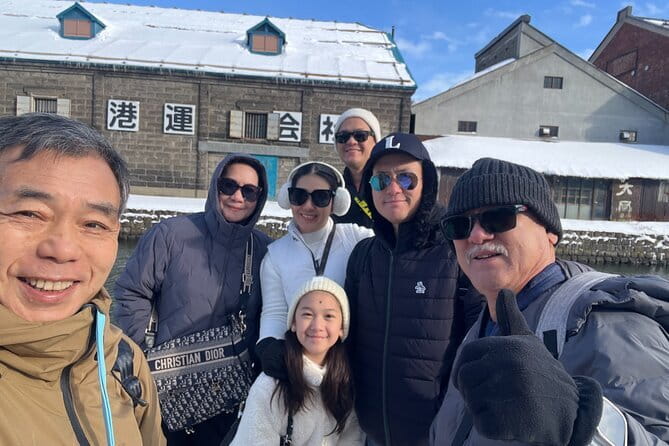
- A private four-hour walk: Your group has the guide to itself, with room to adjust the order and emphasis.
- Otaru’s classic sights in one route: The canal, Sakaimachi Street, Music Box Museum, LeTAO, sake brewery, and Nitori Museum are all covered.
- Flexible guiding matters: Hiro stayed with one group for almost twice the planned time, while Ken adjusted the schedule to match interests.
- One museum admission is included: The Nitori Museum of Art entry is covered, but food, souvenirs, and transport are not.
- Good for food-focused visits: You can request a restaurant, and dietary needs such as vegetarian, vegan, or gluten-free meals can be noted at booking.
- Book well ahead: This experience averages 116 days of advance booking, so popular dates may disappear early.
Why Otaru works so well on a private walking tour

Otaru was once a distribution center for Hokkaido, and its old commercial role still shapes the town you see today. The canal, stone and brick buildings, former bank branches, shops, and warehouses give the center a sense of place that is easy to grasp while walking.
The town also became widely popular through Japanese movies. That screen-friendly quality is easy to understand when you reach the canal, but Otaru is not only a photo stop. Its appeal comes from the way shopping, food, craft, and old buildings sit close together.
This tour is useful because your guide can connect those pieces. You are not simply moving from one attraction to another. You can ask about the old distribution town, pause for food, spend longer with glasswork, or give more time to art and architecture.
A private tour is especially helpful if your group has mixed interests. One person may want sweets, another may prefer sake, and someone else may care most about old buildings. The fixed four-hour outline gives you structure, but the custom format leaves room for discussion.
The pace is not described as strenuous, but you should be comfortable walking for much of four hours. If you need a bus or train during the outing, that fare is extra. The itinerary can also change because of weather or other conditions.
A few more Otaru tours and experiences worth a look



Starting beside the 1,140-meter Otaru Canal
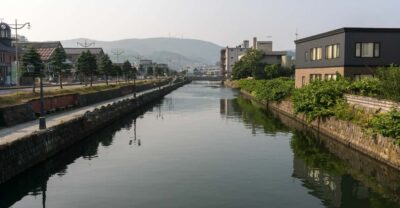
The Otaru Canal is the natural opening act. It runs for about 1,140 meters and bends gently rather than cutting in a straight line through town. Along the water, 63 gas lamps help create the nostalgic look that makes this one of Otaru’s best-known sights.
The planned visit lasts about 30 minutes. That is enough for a first look, photographs, and a brief explanation from your guide, though you may prefer to spend longer here if the canal is your main reason for coming.
I like this stop as an orientation point. It gives you a clear sense of Otaru’s former commercial life before the tour turns toward shops, food, and museums. Ask your guide how the canal fits into the town’s past, then look beyond the lamps and water at the older buildings around it.
The canal is also where a private guide can make the timing work better for you. If you want a quick introduction, you can move on without losing much of the day. If you care about photographs or the atmosphere, you can ask to linger and shorten another stop.
The canal visit itself has no admission charge. That keeps the opening simple, though the surrounding sightseeing area naturally encourages spending later.
An hour on Sakaimachi Street
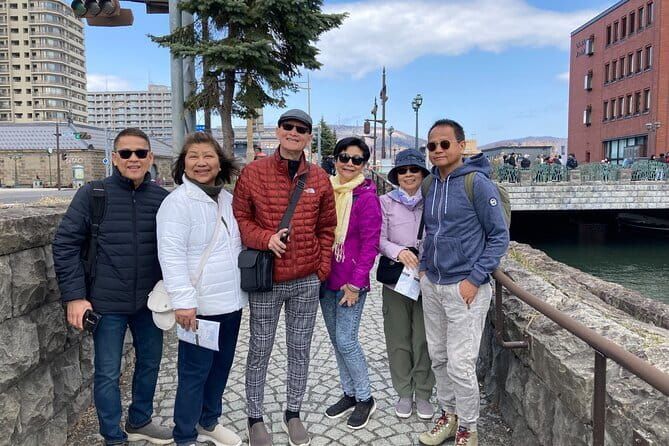
Sakaimachi Street is the main shopping street in Otaru’s sightseeing center, close to the canal. The street is lined with historical buildings and shops selling some of the town’s best-known products, including glassware and music boxes.
The planned hour here is sensible. You need time to browse, compare small crafts, and decide what is worth carrying home. This is the part of the tour where your interests can shape the day most clearly. If you enjoy shopping, ask for more time. If you prefer architecture or food, your guide can help keep the stop from taking over the entire outing.
The strength of Sakaimachi Street is variety. You can look at Otaru glass, sample local sweets, and find souvenirs without making separate trips across town. The weakness is just as clear: this is a popular shopping area, so it may feel more commercial than the canal or the brewery.
I would treat the street as a place to choose carefully rather than buy quickly. A private guide can point you toward the types of shops you care about, but your purchases remain your responsibility. Souvenirs and personal expenses are not part of the tour price.
If food matters to you, tell the guide early. The company can accommodate vegetarian, vegan, gluten-free, and other dietary needs when you provide them in the special requirements field. You can also request a restaurant, with lunch expected to cost about $20 to $30 per person.
The Music Box Museum and Otaru’s playful side
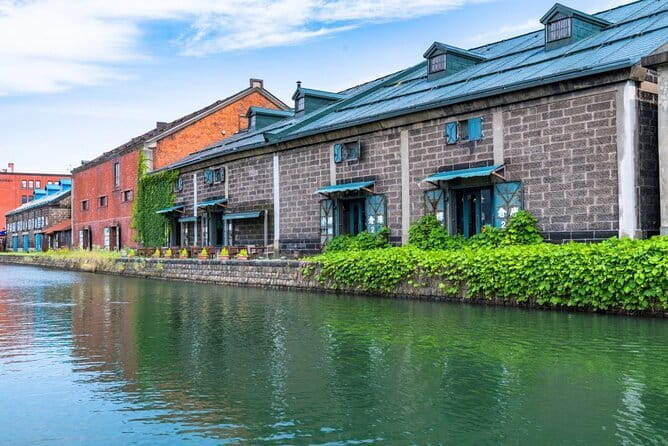
The Otaru Music Box Museum occupies a building from the Meiji era, the period from 1868 to 1912. A steam clock welcomes you at the entrance, and the interior keeps a retro feel that suits the town’s old-fashioned character.
The stop lasts about 30 minutes. That is long enough to see the building and browse, but serious collectors or anyone fascinated by mechanical music may want more time. Since this is a private tour, it is worth telling your guide if music boxes are a major interest.
This stop adds a lighter note after the canal and shopping street. The experience is not only about Otaru’s trade and architecture. It also shows how the town presents craft and nostalgia to modern visitors.
The store specializes in music boxes, so expect an opportunity to purchase one. The admission cost is listed as free, but any item you buy is a personal expense. If you are traveling with children or looking for a small souvenir, this may be one of the easiest stops to enjoy. If you prefer not to shop, ask your guide to keep the visit brief.
LeTAO Main Store for Otaru’s famous cheesecake
LeTAO is one of Otaru’s signature food stops. The patisserie is known for its Double Fromage cheesecake, described as light and creamy, and the main store has become a familiar Otaru landmark.
The planned visit takes about 30 minutes. That gives you time to see the shop and try or purchase its best-known sweets, though the cost of food is not included. This is a good place to tell your guide what kind of food experience you want. You might choose a quick taste, a purchase for later, or a longer meal elsewhere.
I like the way this stop breaks up the history and shopping. Food is part of how you remember a town, and LeTAO gives Otaru a clear local flavor without requiring a long detour.
Still, you should keep expectations realistic. This is a well-known patisserie, not a quiet market or a cooking class. The value comes from fitting a recognizable Otaru specialty into your walking route. If sweets do not interest you, ask the guide to devote more time to the museum, brewery, or architecture.
Other walking tours we've reviewed in Otaru

Seeing sake made at Tanaka Sake Brewing Kikkogura
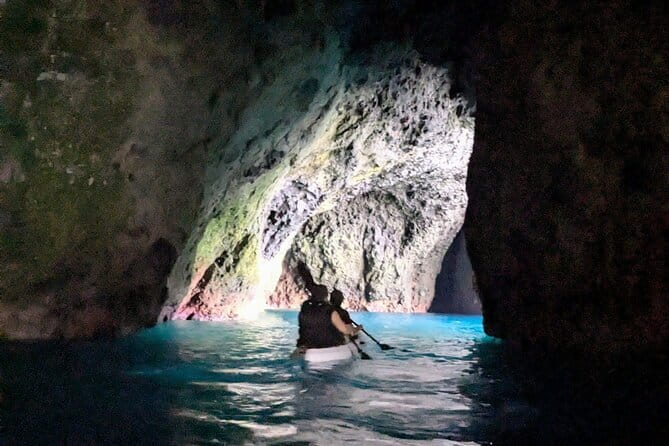
Tanaka Sake Brewing Kikkogura produces local sake all year using 100 percent Hokkaido rice. The brewery offers a look at the traditional brewing process, making this one of the more distinctly local stops on the route.
The planned time is about 30 minutes. That is enough for an introduction and a chance to learn how the brewery works, though the exact experience can depend on the day and operating conditions. The brewery tour is available year-round according to the tour information.
For me, this is one of the most valuable stops because it connects Otaru to Hokkaido agriculture. You are not only seeing an old building or buying a souvenir. You are learning about a product made with local rice and a method tied to Japanese food culture.
If you do not drink alcohol, the visit can still be worthwhile for the production story. If sake is a priority, tell your guide in advance so the stop receives the attention it deserves. Personal purchases are not included in the tour fee.
This is also a good example of why the private format helps. A large group often has to keep moving. Here, you can ask a question, spend more time on the process, or shorten the stop if your interest lies elsewhere.
Nitori Museum of Art and a former bank hall
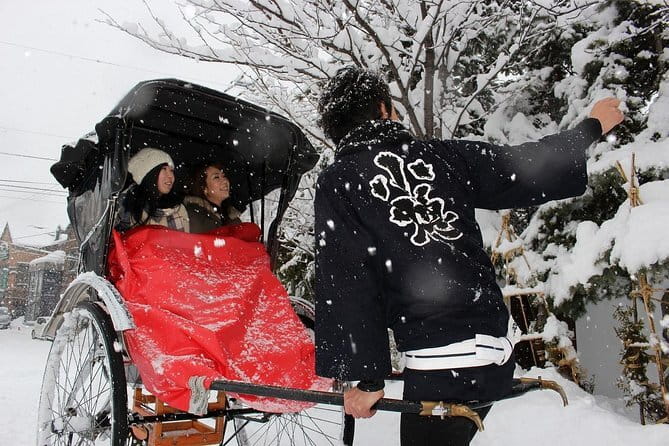
The Nitori Museum of Art occupies the former Otaru branch of Hokkaido Takushoku Bank. The building’s central atrium rises to the second floor and retains six classical columns, giving the museum a strong architectural identity before you even view the art.
The museum includes the Lewis C. Tiffany Stained Glass Gallery. That detail makes this more than a quick stop in a former commercial building. You can look at the stained glass while also seeing how a bank hall has been reused as a museum.
The visit lasts about 30 minutes, and its admission fee is included. Among the six scheduled stops, this is the only one specifically listed with an included entry ticket, so it adds a clear benefit to the package.
Thirty minutes may feel short if you enjoy art or architecture. Tell your guide if you want to focus on the building, the stained glass, or the collection. The tour is customizable, but time remains limited if you want to fit in every listed stop.
This final stop also gives the day a more reflective ending. After the canal, stores, sweets, and sake, you get a look at Otaru’s former financial life and its present cultural use.
How the customization works in real life

The tour has a suggested route, but you are not locked into it. The strongest evidence of its flexibility comes from the way Hiro and Ken handled previous outings. One group changed the plan to suit its interests, and Hiro stayed nearly twice the planned four hours.
That does not mean you should book expecting an eight-hour tour for the price of four. It does show that the guides may be generous with time when circumstances allow. Ken is also described as offering ideas while adjusting the schedule to match the group.
I would contact the provider with clear priorities before the day. For example, you might say:
- I want extra time for glass and music boxes.
- I care most about food and would like a restaurant stop.
- I prefer buildings and art over shopping.
- I need a vegetarian, vegan, or gluten-free meal.
- I want the shortest practical route from my port or station pickup.
A private guide can respond better when you give useful information. The more specific you are, the easier it is to decide what deserves the available four hours.
Is $165 per person a fair price?
At $165 per person, this is not a budget walk. The value depends on your group size, the importance of customization, and how much you would otherwise spend arranging several stops on your own.
You are paying for a private licensed guide, port or station pickup, planning help, and the ability to shape the route. The Nitori Museum admission is also included. You are not paying for lunch, souvenirs, personal purchases, or public transportation if a bus or train becomes necessary.
For a couple or family that wants a guided introduction without joining strangers, the cost may make sense. You get a guide focused only on your group rather than a fixed commentary delivered to a large crowd. For a solo visitor, the per-person price is harder to justify unless personal guiding is especially important.
The tour is also a practical choice for a port call. Pickup can save time and reduce the worry of finding the canal and shopping district on your own. Still, ask yourself how much time you want to spend shopping. If you are happy to walk independently and only need directions, the price may feel high.
Who should book this Otaru experience?
I would recommend it to first-time visitors who want the main Otaru sights arranged into one manageable outing. It suits families, couples, and small groups with different priorities because the guide can adjust the day.
It is also a good fit if you want local food built into the plan. Requesting a restaurant and noting dietary requirements ahead of time can make the four hours easier to manage.
The tour is less suitable if you want a long museum visit, a serious sake tasting, or several hours of unhurried shopping. Six stops in four hours means most visits are introductions. The private format helps, but it cannot create unlimited time.
You should also be comfortable with moderate physical activity. This is a walking tour, and any extra bus or train fare is separate. Weather may change the route, so keep a little flexibility in your plans.
Should you book the private Otaru walking tour?
Book it if you value a private, adjustable day more than the lowest possible price. The route gives you Otaru’s defining sights, while the guides named in the feedback, Hiro and Ken, have shown patience and a willingness to reshape the schedule.
I especially like it for a port or station arrival when you want efficient sightseeing without giving up personal choices. The canal, Sakaimachi Street, Music Box Museum, LeTAO, Kikkogura, and Nitori Museum offer a useful mix of scenery, shopping, food, local production, and art.
Skip it if you prefer to wander alone, plan to spend most of the day shopping, or need a low-cost outing. For everyone else, the tour provides a well-organized first look at Otaru, with enough flexibility to make the day feel like your own.
FAQ
How long is the private Otaru walking tour?
The tour lasts approximately four hours.
Is the tour private?
Yes. Only your group participates in the activity.
Is pickup available?
Yes. Pickup is offered from a port or station.
Which places are included in the planned route?
The route includes Otaru Canal, Otaru Sakaimachi Street, Otaru Music Box Museum, LeTAO Main Store, Tanaka Sake Brewing Kikkogura, and Nitori Museum of Art.
Is the Nitori Museum admission included?
Yes. Admission to Nitori Museum of Art is included.
Are lunch and personal purchases included?
No. Lunch costs about $20 to $30 per person, and personal expenses, souvenirs, and purchases are separate.
Can the tour accommodate dietary restrictions?
Yes. Vegetarian, vegan, gluten-free, and other dietary requirements can be accommodated when you provide the details during booking.
Do I need to pay for public transportation?
This is a walking tour, so public transportation is not normally included. If you need to take a bus or train, the fare is extra.
Can I cancel for a full refund?
Yes. You can cancel at least 24 hours before the experience start time for a full refund. Cancellations or changes made less than 24 hours before the start time are not accepted for a refund.
More Private Tours in Otaru
More Walking Tours in Otaru
More Otaru Day Trips in Otaru
More tours in Otaru we've reviewed
Otaru Day Trips, compared.
 ★ 5.0Otaru Rickshaw TourFrom $42
 ★ 3.5Hokkaido Noboribetsu Lake Toya, Otaru Panoramic Tour From SapporoFrom $120
 ★ 4.9Sapporo: Otaru Asarigawa Ski Resort Day Trip with GearFrom $1859 hours
 ★ 4.4Hokkaido, Sappro, Otaru & Cape Kamui One-day TourFrom $66
 ★ 5.0[Otaru & Yoichi] Let’s go to Otaru Canal, Sakaimachi Street, Music Box Hall, and Yoichi Nikka Whiskey by private car (arriving and departing from Sapporo)From $372
 ★ 4.5Otaru 4hr Private Trip with Government-Licensed GuideFrom $108
 ★ 5.0Otaru 6hr Private Trip with Government-Licensed GuideFrom $153
 ★ 4.8From Sapporo: Private Day Trip to OtaruFrom $1916 hours
Browse the lists this tour appears in