
Reviewed · OTARU DAY TRIPS
Otaru: Private Guided Walking Tour with Local Guide
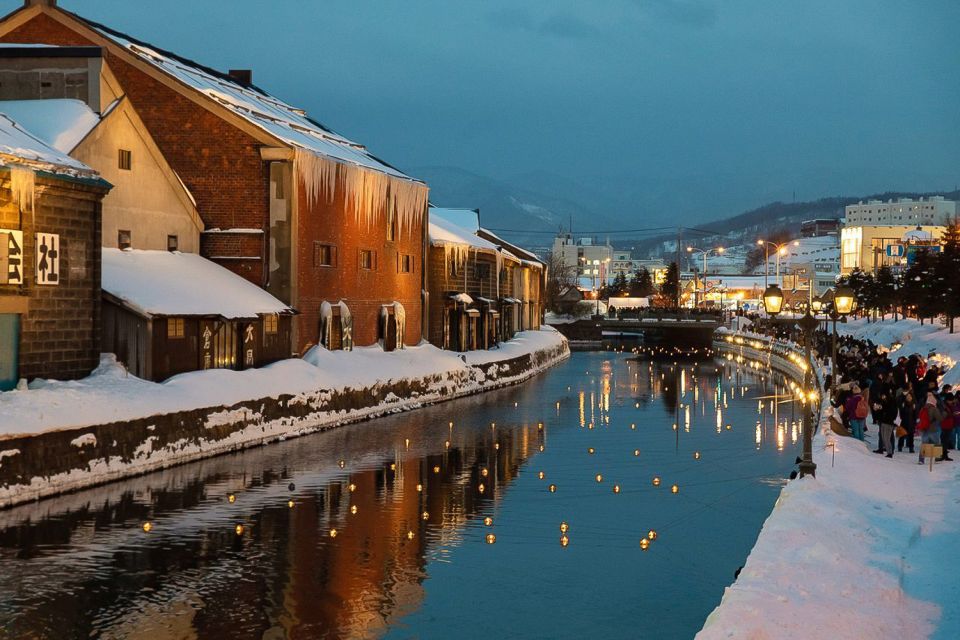
Otaru’s appeal is easy to miss if you only follow the main shopping street. This private walk connects the canal, market, glass shops, and music-box district while giving you someone who can explain why this port city mattered to Hokkaido. I like the personal route planning, and I like that guides such as Tracy and Katsuko have led visitors through the city in English.
The biggest catch is cost. At $106 per person, this makes the most sense for a small private group that wants context and flexibility, not for someone happy to stroll Otaru alone with a map. You also pay separately for food, entry fees, and transportation used during the tour.
Key points to know before booking
- A private route shaped around you: Ask for food, architecture, shopping, history, or a mix, or let your guide plan the day.
- Four or six hours on foot: The shorter option covers the essentials, while six hours gives you more time for local shops and conversation.
- A nationally licensed guide: Guides hold Japan’s government-issued Tour Guide-Interpreter certification.
- Otaru’s best-known sights in one walk: The canal, Sankaku Ichiba, Otaru Music Box Museum, and Kitaichi Glass form the main sightseeing spine.
- Private means practical flexibility: Pickup can be arranged at your accommodation, the station, or another requested address, if the location is suitable.
- A rain-or-shine outing: Bring footwear and clothing for changing Hokkaido weather, since the tour remains outdoors even on wet days.
Why a private walk helps in Otaru
Otaru is compact enough to explore on foot, but its sights do not all tell the same story. The canal suggests the city’s trading past, Sankaku Ichiba shows its continuing seafood culture, and the glass shops point to fishing and maritime work. A guide helps connect those pieces instead of leaving you with a pleasant collection of photographs.
I especially like the private format for first-time visitors. You can say that you care more about local food than souvenirs, or that you want to spend extra time on Japanese history and culture. The guide can then adjust the route rather than ushering you through a fixed schedule.
This is also useful if your group has mixed interests. One person may want glasswork, another may want sweets, and someone else may want to understand Otaru’s role as a port. A personalized walk can balance those requests better than a large group tour.
The experience is offered in English or Japanese. The guides hold Japan’s nationally licensed Tour Guide-Interpreter certification, which requires knowledge of Japanese culture and history. That does not mean every guide will have the same personality or specialize in the same subjects, so use the pre-tour communication to explain what you want.
A few more Otaru tours and experiences worth a look



Starting at the Otaru Canal
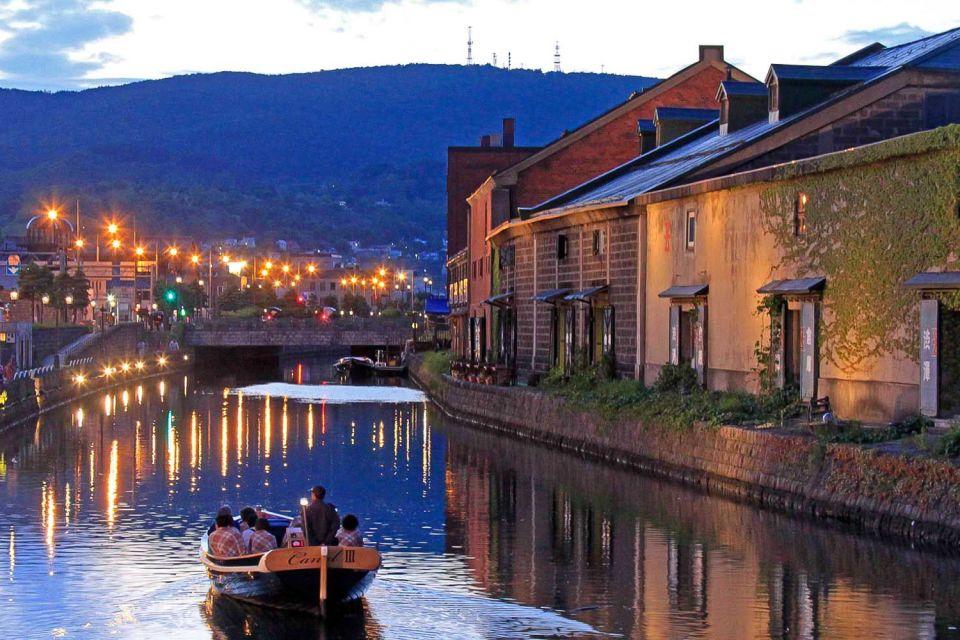
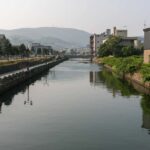
The canal is the natural opening scene. Its footpath runs through central Otaru, making it an easy place to begin getting your bearings. You can expect a relaxed walk rather than a hurried photo stop, with time to ask how the canal fits into the city’s past and present.
The canal area is also where a guide can add the most value. On your own, you see water, warehouses, stone buildings, and lamps. With a good explanation, those details become part of Otaru’s port story and help you understand why the city became a popular stop in Hokkaido.
The setting is attractive, but it is not a quiet secret. The canal is Otaru’s most famous sightseeing spot, so it can feel busy at popular times. A private guide cannot remove the crowds, but can help you move beyond the standard view and point out nearby streets or smaller stops that suit your interests.
The footpath is part of the reason this tour works well for people who prefer a gentle city walk. Still, you should wear comfortable shoes. Four to six hours is a long time to spend upright, and the tour takes place rain or shine.
Sampling Otaru at Sankaku Ichiba
Sankaku Ichiba gives the tour a useful change of pace. Established in 1957, this triangular market is a historic place to see Otaru’s seafood culture up close. The name refers to its shape, and the market offers a more direct connection to local food than a standard restaurant stop.
Food and drinks are not included, so plan to pay for anything you eat. That arrangement is helpful if you have strong preferences or a particular budget, since you choose what to buy rather than paying for a set meal.
I would tell the guide before the tour if seafood is a major priority. The itinerary can be tailored, and the market is one of the clearest places to make that request useful. If you are not interested in seafood, ask for less time here and more time with crafts, sweets, or historic streets.
Sankaku Ichiba is also a good place to ask questions about everyday food culture. A licensed local guide can explain what you are seeing and help you approach the market with more confidence. Just remember that market visits can be sensory and active, and the tour does not promise a reserved table or included tasting.
Otaru Music Box Museum and the pleasure of small souvenirs
The Otaru Music Box Museum is one of the city’s most recognizable shopping stops. Its brick-clad main building has a nostalgic look, and the displays provide a simple way to connect Otaru with handmade gifts and Japanese design.
You do not have to be a serious collector to enjoy this stop. It is a useful choice for families, shoppers, and anyone looking for a compact souvenir that feels more personal than a generic airport purchase. The guide can also point you toward nearby sweet shops and other local favorites.
The drawback is that this is a commercial attraction, not a quiet historical monument. Time can disappear quickly among the displays, and purchases are your responsibility. Entrance fees, if applicable, are not included in the tour price.
If shopping is low on your list, say so in advance. The private format means you can ask for a shorter visit or replace it with another part of Otaru. That ability to adjust is one of the strongest reasons to choose this experience over a fixed group itinerary.
Feeling Otaru’s craft tradition at Kitaichi Glass
Kitaichi Glass offers a different view of Otaru. Here you can see glasswork associated with the city and learn about the company’s past, including the important part it played in Otaru’s fishing industry.
This is more than a souvenir stop if you are interested in how a local trade developed. Glass was useful in a fishing port, and the visit helps show how practical industry can become a recognizable craft tradition. The chance to look closely at the work also gives the walking tour a hands-on feel.
You should expect shops and displays, not a guaranteed workshop where you make an object yourself. The supplied details describe seeing and touching Otaru craftsmanship, but do not promise a glassblowing demonstration or a class. Ask your guide what is possible on your date if making something is important to you.
As with the music-box stop, any purchases and entrance charges are extra. Still, Kitaichi Glass is a sensible inclusion for someone who wants the tour to explain Otaru through work and materials, not only through scenic views.
Other walking tours we've reviewed in Otaru
Letting the guide plan, or taking control yourself
The tour offers two sensible approaches. You can give the guide a list of interests, or you can arrive with no fixed plan and let the guide build the day. I would choose the second option if this is your first time in Otaru and you are unsure how to fit the main sights together.
If you already know the city’s headline attractions, use the private format more aggressively. Request favorite local restaurants, sweet shops, lesser-known corners, or a stronger focus on Japanese culture and history. One of the strongest practical details here is that guides prepare around your stated interests.
A past booking with the guide introduced as Tracy was especially praised for clear English, a cheerful manner, and a strong introduction to Otaru. Another booking described Katsuko as a pleasant companion for a full day around the city. Names are not guaranteed, but these examples show the sort of personal guide service you can expect rather than a recorded audio route.
You should also use the pre-tour messages to discuss pace and mobility. The experience is wheelchair accessible, but the exact route, street conditions, and indoor stops should still be confirmed with the local team. Pickup is on foot when your accommodation is within a reasonable distance.
Four hours or six hours?
The four-hour option is likely the better fit if you want the main sights and a clear introduction to Otaru. It can suit a shorter stay or a day when you have other plans, though food stops, shopping, and longer conversations may require careful choices.
The six-hour version gives the day more breathing room. You can spend time at the canal, stop at Sankaku Ichiba, browse the music boxes, examine Kitaichi Glass, and still leave room for sweets or a route based on your interests. It is also the better choice if you dislike feeling rushed.
Your actual starting time depends on availability. Pickup can be at your hotel lobby, outside the train station, or another requested address, with the guide waiting 10 minutes before the agreed time. Since public or private transportation during the tour is not included, ask about the planned route if walking the entire time is important to you.
The tour is a private group experience, so you are not sharing the guide’s attention with strangers. That matters most when you want to ask questions, pause for photographs, or change the order of the stops.
Is $106 per person a fair price?
The price is $106 per person. That is not the cheapest way to see Otaru, especially because meals, drinks, entrance fees, and transportation are extra. The value comes from the guide’s time, local interpretation, route planning, and the fact that the experience is private.
For two people, the total cost can feel high compared with a self-guided walk. For a family or small group, the price may be easier to justify because you are paying for a personalized service rather than several separate tickets and a fixed group schedule.
I would book it if you care about understanding what you see. The canal, market, glass shops, and music boxes are easy enough to locate, but a licensed guide can explain why they belong together in Otaru’s story.
I would skip it if your plan is simply to photograph the canal, browse on your own, and eat without a schedule. One booking from a cruise visitor judged that Otaru did not warrant a special trip by itself. That is a useful warning: this tour improves an Otaru visit, but it cannot make the city a major destination for someone who has no interest in its port setting, crafts, markets, or compact historic center.
How the tour fits a cruise or Hokkaido itinerary
The pickup options make the experience workable from an accommodation or train station, and the private timing can help if you have a limited window. Still, the tour data does not promise a cruise-port pickup or guarantee that every sailing schedule can be matched.
If you are visiting from a cruise, contact the local team before booking and explain your arrival and departure times. The same advice applies if you have a train to catch. A four-hour tour may offer a safer schedule than six hours, but only the local team can confirm the logistics for your date.
For a longer Hokkaido stay, six hours makes more sense. You can use the tour as an introduction, then return to a favorite market, shop, or canal stretch on your own. The guide gives you a framework, while the rest of the day remains yours.
Rain, access, and what to bring
This is a rain-or-shine activity. Otaru’s central sights are suited to walking, but weather can change the pleasure of a long outdoor route. Bring waterproof clothing or an umbrella, comfortable shoes, and enough room in your budget for food and optional purchases.
The experience is listed as wheelchair accessible. Because the route is personalized, discuss your needs before the day begins. Ask the local team to confirm the specific path and stops you want, especially if you need to limit walking time or avoid certain surfaces.
The guide will contact you before the tour to confirm logistics. The booking is not final until a guide accepts it and reaches out. Most guides contact you within seven days, but if no guide is available, the local team continues searching and sends updates until 24 hours before the tour.
That arrangement requires a little patience. If your plans are firm, monitor messages after booking and do not assume the tour is fully confirmed until the guide has made contact.
Who will get the most from this Otaru walk?
I would recommend this experience to you if you want:
- A private introduction to Otaru rather than a fixed group schedule
- Help choosing among markets, crafts, sweets, restaurants, and historic sites
- An English or Japanese guide who can discuss Japanese culture and history
- A route that can change around your interests
- A relaxed four or six-hour walking day
- A useful orientation at the start of an Hokkaido trip
I would be more cautious if you have only a short stop, dislike shopping-oriented attractions, or mainly want free time. You should also budget separately for meals, drinks, admission, and any transport.
The strongest praise attached to this experience concerns the guides’ preparation, English communication, cheerful manner, and ability to cover the major sights. Those qualities matter because a private tour is only as good as the person leading it. Tell the local team exactly what you want, and you give the guide a better chance to make the day fit you.
Should you book the Otaru private walking tour?
Book this tour if you want Otaru explained, not merely photographed. The combination of the canal, Sankaku Ichiba, Otaru Music Box Museum, and Kitaichi Glass gives you a clear look at the city’s port life, food, shopping, and craft traditions.
At $106 per person, I see it as a specialist service, not a bargain sightseeing ticket. It earns its price when you are a small group, want a private English-speaking guide, need a custom route, or have limited time and prefer someone else to organize the day.
Skip it if you are comfortable exploring independently and want to keep costs low. Otaru is walkable, and its main sights can be visited without a guide. For everyone else, especially first-time visitors who want the city to make sense, the private format offers a more thoughtful way to spend four to six hours.
FAQ
How long does the Otaru private walking tour last?
You can choose a four-hour or six-hour tour, depending on availability and the route you want.
Is the tour private?
Yes. The experience is for a private group, so the route and pace can be adjusted to your interests.
Which languages are available?
The tour is offered in English and Japanese.
Are meals and entrance fees included?
No. Food, drinks, entrance fees, and public or private transportation used during the tour are not included.
Where can pickup take place?
Your guide can meet you in your hotel lobby, outside the train station, or at a requested pickup address. Hotel pickup on foot is available when the accommodation is within a reasonable distance.
Is the tour wheelchair accessible?
Yes, the experience is listed as wheelchair accessible. Discuss your route and access needs with the local team before the tour so the specific plan can be confirmed.
Can I cancel the tour for a refund?
You can cancel up to 24 hours before the start time for a full refund. You can also reserve now and pay later, subject to the booking terms.
More Guided Tours in Otaru

More Walking Tours in Otaru
More Otaru Day Trips in Otaru
More tours in Otaru we've reviewed
Otaru Day Trips, compared.
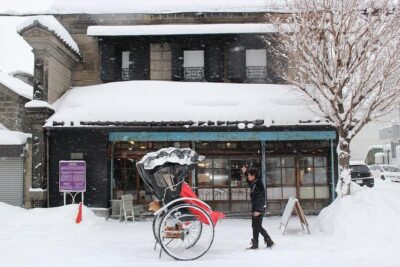 ★ 5.0Otaru Rickshaw TourFrom $42
 ★ 3.5Hokkaido Noboribetsu Lake Toya, Otaru Panoramic Tour From SapporoFrom $120
 ★ 4.9Sapporo: Otaru Asarigawa Ski Resort Day Trip with GearFrom $1859 hours
 ★ 5.0[Otaru & Yoichi] Let’s go to Otaru Canal, Sakaimachi Street, Music Box Hall, and Yoichi Nikka Whiskey by private car (arriving and departing from Sapporo)From $372
 ★ 4.4Hokkaido, Sappro, Otaru & Cape Kamui One-day TourFrom $66
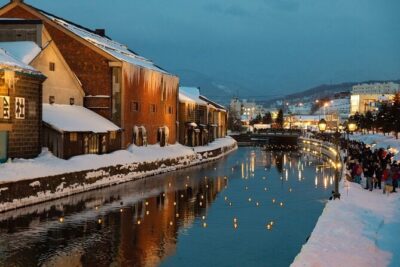 ★ 4.5Otaru 4hr Private Trip with Government-Licensed GuideFrom $108
 ★ 5.0Otaru 6hr Private Trip with Government-Licensed GuideFrom $153
 ★ 5.0Sea Kayaking Tour – Otaru Coastal AdventureFrom $97
Browse the lists this tour appears in