
Reviewed · NOBORIBETSU & LAKE TOYA TRIPS
Noboribetsu: Snowshoe trip to Ice Caves
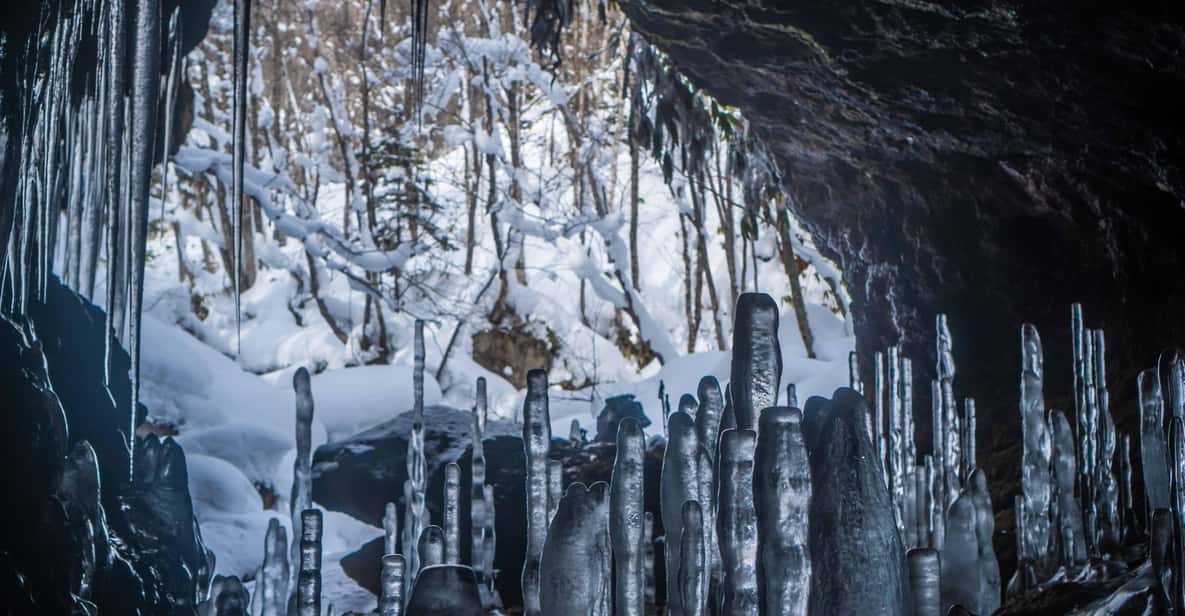
Noboribetsu’s ice cave is a short-lived winter wonder: for about 10 weeks, warm water from the Noboribetsu River freezes into stalactites and stalagmites up to three meters long and high. Reaching it means snowshoeing 8 kilometers through forest, with roughly 750 feet of elevation change. I like the rare destination and the tiny group, but this is not a casual stroll.
I especially like that you get snowshoes, poles, and an English-speaking guide without having to organize the route yourself. I also like the chance to go inside the cave when conditions allow, though the formations and cave safety change with the weather. Guide Yamamoto-san, also called Yama-san, received high praise for making the outing feel special.
The main catch is effort. If you can comfortably walk 8 kilometers in about four hours, you should be in the right range, but fresh snow can make the same route much harder. A strong hiker may find it manageable, while a larger or less-conditioned person may need frequent breaks.
Key points to know before booking
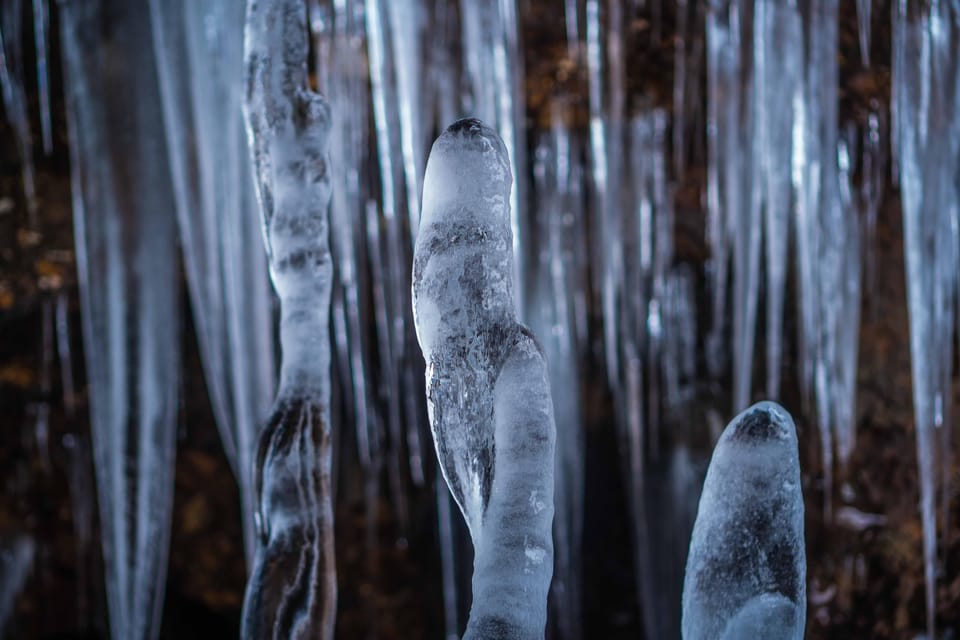
- Three-meter ice formations: Heated river water creates huge seasonal stalactites and stalagmites inside and around the cave.
- Eight kilometers on snowshoes: The route includes forest walking and gentle climbing, with about 750 feet of total elevation change.
- Small groups only: A maximum of four participants gives the guide room to set the pace and help with snowshoe technique.
- Yamamoto-san leads the outing: The English-speaking guide is known for adding warmth and care to the day.
- Winter clothing is your responsibility: Snowshoes and poles are included, but clothing and footwear are not.
- Weather can change the plan: Unsafe conditions may force cancellation, and the cave may not always be safe to enter.
Why Noboribetsu’s ice cave is worth the walk
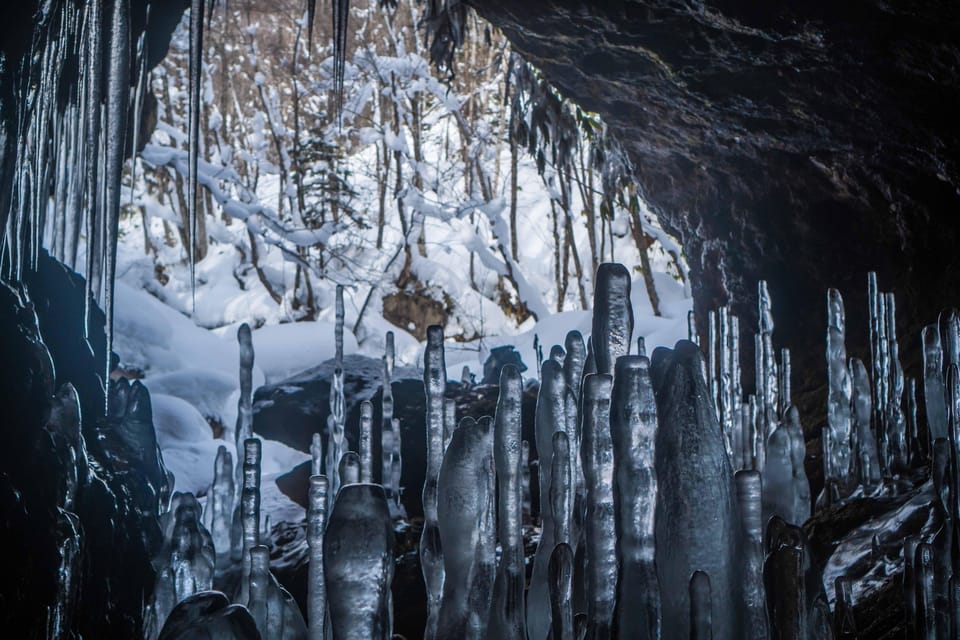
The appeal here is not simply snowshoeing. The walk leads to a natural formation that exists only during a narrow part of the year, and its shape changes as water and temperature work on the cave.
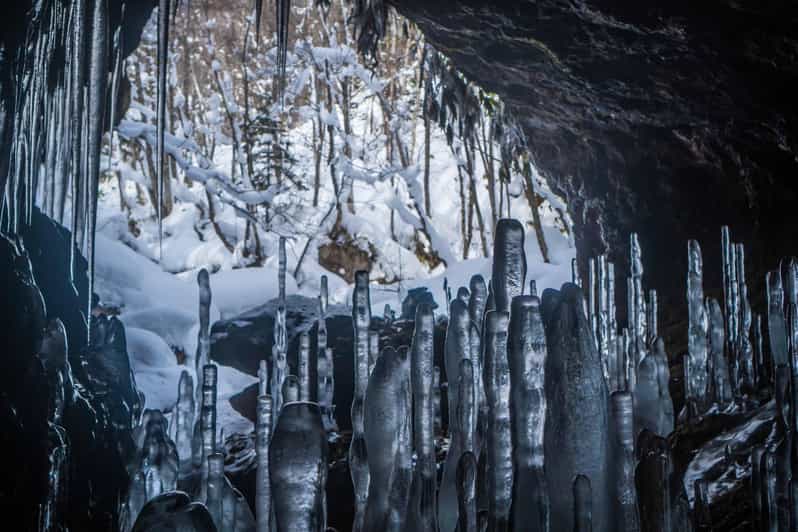
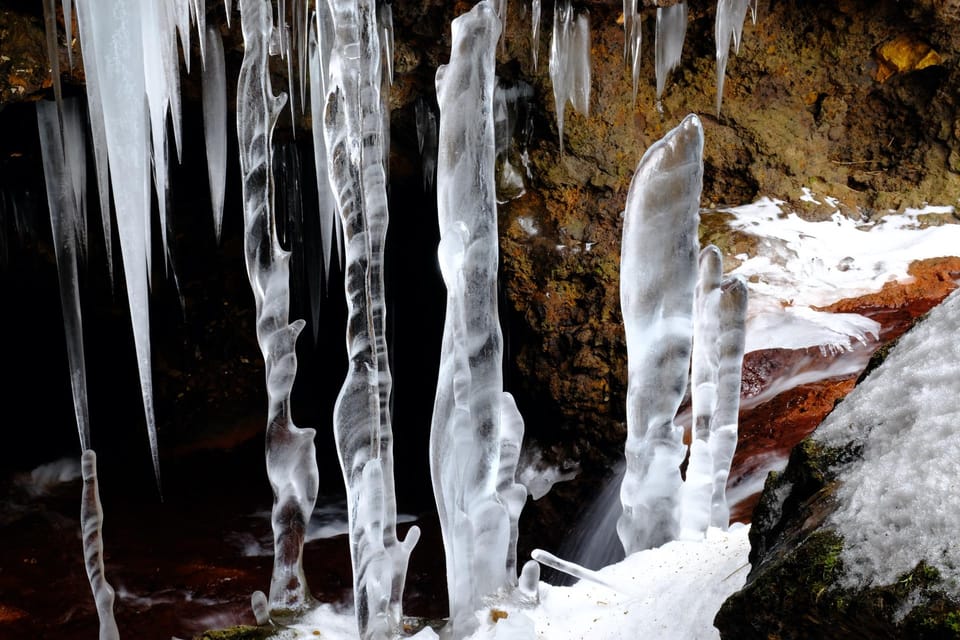
For roughly 10 weeks in winter, heated water flows into the mouth of an ice cave on the Noboribetsu River. As the water meets the cold air, it creates hanging columns and rising towers of ice. Some reach three meters, making the cave feel far more dramatic than a typical frozen waterfall or patch of river ice.
The geology and weather have to line up just right. That gives the destination a sense of timing. Book too early or too late in the season, and conditions may not be the same. Even during the short winter window, the formations keep changing.
That change is important. You might see large, clear ice structures one day and a different arrangement after fresh snow, warmer temperatures, or more water flow. The cave is a natural site, not a maintained attraction with fixed viewing conditions.
A few more Noboribetsu tours and experiences worth a look
The six-hour route through Noboribetsu forest
The full outing lasts about six hours, though the snowshoe route itself covers about 8 kilometers. You meet at the adex base, opposite Daiichi Takimotokan Onsen, where the guide provides the snowshoes and poles before setting out.
The walk passes through fir and native forest. Snow changes the feel of familiar woodland, muffling sound and covering the ground, but it also demands more attention from you. Every step takes more effort than a normal hike, particularly if the snow is deep or soft.
The route includes gentle climbing rather than a flat river walk. A reported elevation change of about 750 feet gives you a better idea of the effort than the phrase gentle climbing alone. This is still a moderate outdoor activity, not a technical mountain climb, but you should be ready to work steadily for several hours.
A small group helps here. With only four participants, the guide can watch how you are moving, adjust the pace, and stop for breaks when needed. The exact amount of effort depends heavily on the snow. Compact trail conditions can make the walk much easier, while fresh snowfall can turn each step into a test of balance and leg strength.
The supplied guidance uses a useful benchmark: if you are comfortable walking 8 kilometers in four hours, you should be able to manage the outing. That is a better measure than simply asking if you enjoy hiking. Snowshoeing adds resistance, and climbing in winter clothing can tire you faster than expected.
What snowshoeing feels like on this route
Snowshoes keep you from sinking as deeply into the snow, but they do not make the walk effortless. You still lift your feet higher, adjust your stride, and use poles to steady yourself. The technique is simple enough to learn, yet the repeated motion adds up over several hours.
The route can feel very different depending on the day. When the snow is compacted, you may move at a steady pace and spend more energy looking around. After heavy snowfall, you may work harder for every section, even if the route itself has not changed.
A February outing described the trail as reasonably compacted, but the effort still varied sharply between two people. A frequent Colorado hiker found it easy, while a larger participant from Ohio found it tough and needed breaks. That comparison is useful because fitness, body size, recent snow, and hiking habits all matter.
You should plan to walk patiently rather than race to the cave. The small group format makes that easier, since the outing is not built around a large crowd moving at one fixed speed. Still, you need enough fitness to stay active for much of the six-hour period.
Reaching the ice cave
The arrival at the cave is the payoff for the forest climb. Heated water flows into the cave mouth, then freezes into large formations as it meets the winter air. Ice hangs from above and grows upward from the ground, creating the stalactite and stalagmite shapes described for this site.
The most striking feature is scale. Formations up to three meters high or long are much larger than the small icicles you might see along a roadside. The cave has a natural, unfinished quality, with water, ice, and rock shaping the view rather than a visitor facility presenting a polished display.
You may be able to go inside the cave, but this is not guaranteed. Safety depends on current conditions, and the cave is always changing. Do not treat an interior visit as a promise or try to enter independently. The formations can still be impressive from the mouth if going farther inside is unsafe.
That uncertainty is part of the value and part of the inconvenience. A fixed attraction gives you predictable access. This outing gives you a rare seasonal formation, but nature decides how much you can see.
The guide and the value of a four-person group
Guide Yamamoto-san, often called Yama-san, is a major part of the experience. The strongest praise centers on the way he made the outing feel magical, not just on the ice itself. That matters on a route where pacing, encouragement, and sensible decisions around the cave can shape your day.
An English-speaking guide also removes much of the stress from a remote winter walk. You do not need to work out the route alone or bring your own snowshoes and poles. The guide fee, equipment, and consumption tax are included in the $187 price.
The group limit of four is another strong point. You get a more personal outing than a large snowshoe group, and the guide has a better chance of noticing when someone is struggling. A small group can also make the cave feel quieter and less crowded.
At $187 per person, this is not a cheap way to spend six hours outdoors. The price makes more sense if you value the specialist equipment, English guidance, small group, and access to a seasonal place that is not a simple roadside stop. It is less attractive if you already own snowshoes, know the area well, and prefer to walk independently.
The fee does not cover your winter clothing or footwear. That can add to the total cost, especially if you are visiting Hokkaido without proper snow gear. Check your clothing plan before booking rather than assuming the supplied equipment covers everything.
A few more Noboribetsu tours and experiences worth a look

What to wear and bring
Snowshoes and poles are included, but clothing and footwear are not. You need to arrive ready for a sustained winter walk, not just a brief photo stop beside an onsen.
Your clothing should allow movement while protecting you from cold and wet snow. Footwear needs to work with snowshoes and remain comfortable for the full route. The provided information does not specify a rental option for clothing or shoes, so confirm your own arrangements before committing.
You should also think about the difference between the six-hour tour length and the four-hour walking benchmark. The remaining time may include preparation, stops, breaks, and time at the cave, but you should still expect a long outdoor day.
The guide supplies poles, which help with balance on slopes and uneven snow. They are especially useful when the trail becomes soft or when you are tired late in the walk.
Fitness, health, and weather limits
The tour is described as moderately demanding, and that should be taken seriously. Snowshoeing requires more fitness than normal hiking, and the route includes climbing. You should be comfortable with an 8-kilometer walk before booking.
The activity is not suitable for children under 18, pregnant women, wheelchair users, people with mobility impairments, or anyone with heart, respiratory, kidney, or other pre-existing medical conditions. It is also not suitable if you have a cold, low fitness, or are over 70.
These restrictions may feel strict, but a winter route with climbing and changing snow conditions leaves less room for medical or mobility problems. If you are uncertain about your fitness or health, ask a medical professional before booking.
Weather can force cancellation on the day. If possible, an alternative activity may be offered, but you should keep some flexibility in your Noboribetsu schedule. You can cancel up to 24 hours in advance for a full refund, and the reserve-now-pay-later option lets you hold a place without paying immediately.
Who should book this Noboribetsu outing
I would choose this trip if you want a real winter walk with a rare natural destination at the end. It suits adults who already hike, enjoy cold-weather activity, and are willing to trade comfort for a memorable view.
It is particularly good for someone who wants to try snowshoeing with equipment and guidance included. The small group is helpful if you are new to snowshoes but still have enough fitness for the distance.
I would not choose it for a relaxed sightseeing day, a family outing with young children, or a quick add-on to a packed Noboribetsu schedule. The cave is the main reward, but you have to earn it through several hours of winter walking.
If you are a strong hiker, compact snow may make the route feel moderate. If you have limited fitness or are not used to snow, the same outing could feel hard. Think of it as a mountain hike in winter clothing, with a spectacular ice cave rather than a summit as the goal.
Should you book the ice cave snowshoe trip?
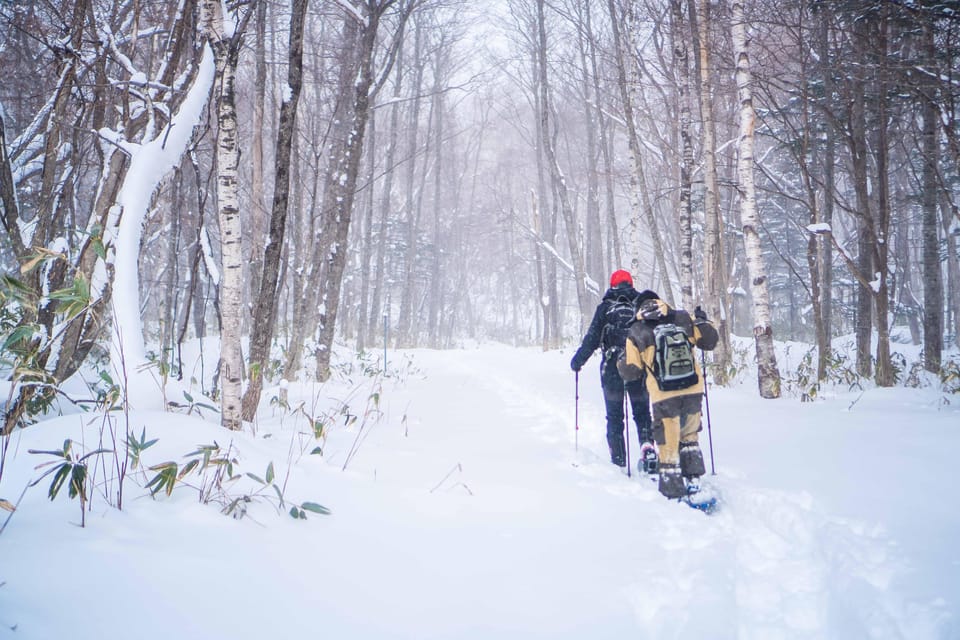
Book it if the idea of walking through snowy forest to a seasonal ice cave excites you more than the prospect of an easy afternoon. The formations can reach three meters, the group is limited to four, and Yamamoto-san adds a personal touch to the day.
Skip it if you need guaranteed cave access, dislike changing weather plans, or do not comfortably walk 8 kilometers. The cave may not be safe to enter, and fresh snow can make the route much harder.
For fit adults visiting Noboribetsu in the short winter season, this is a strong choice. You get equipment, an English-speaking guide, and a rare natural sight that cannot be reproduced year-round. Just arrive with proper clothing, realistic expectations, and enough energy for the climb.
FAQ
Where does the snowshoe tour meet?
Meet at the adex base, located opposite Daiichi Takimotokan Onsen in Noboribetsu.
How long does the activity last?
The full activity lasts about six hours. Starting times vary, so check availability when booking.
How far do you walk on snowshoes?
The route is about 8 kilometers in total.
How difficult is the snowshoe walk?
It is moderately demanding. You should be comfortable walking 8 kilometers in about four hours, and you should expect gentle climbing through the forest.
How high is the climb?
The route includes about 750 feet of elevation change, based on the reported outing conditions.
What forms inside the ice cave?
Ice stalactites and stalagmites form from heated water flowing into the cave and freezing in winter. They can reach up to three meters long and high.
Can you enter the ice cave?
You may be able to enter, but access is not guaranteed. The cave changes constantly and may not be safe to enter on a particular day.
Are snowshoes and poles included?
Yes. The guide fee, snowshoes, poles, and consumption tax are included.
Are clothing and footwear included?
No. You must provide your own clothing and footwear.
Is the tour available in English?
Yes. The tour has a live English-speaking guide and is limited to four participants.
More Winter Activities in Noboribetsu
More Snowshoe & Winter Tours in Noboribetsu
More Noboribetsu & Lake Toya Trips in Noboribetsu
More tours in Noboribetsu we've reviewed
Noboribetsu & Lake Toya Trips, compared.
 ★ 4.7Hokkaido Seasonal: Lake Toya & Noboribetsu Jigokudani ValleyFrom $551 day
 ★ 4.0Hokkaido Noboribetsu Lake Toya Tour from SapporoFrom $66
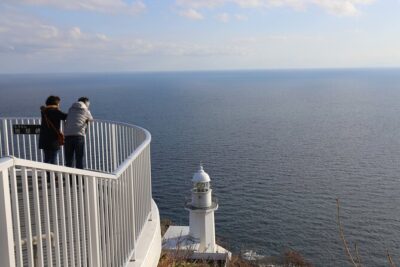 ★ 5.0[Departure from Sapporo] Noboribetsu Jigokudani, Lake Toya, Cape Chikyu by private carFrom $404
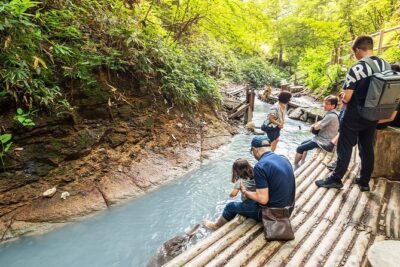 ★ 3.5Hokkaido Noboribetsu Lake Toya, Otaru Panoramic Tour From SapporoFrom $120
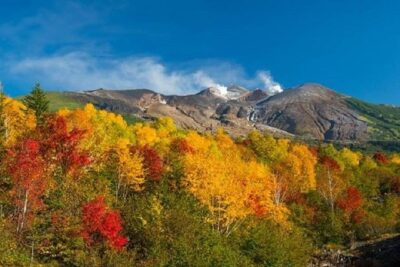 ★ 5.0Lake Toya and Noboribatsu Hell Valley Private Day TripFrom $365
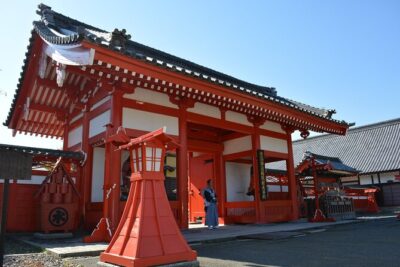 ★ 4.51-Day Pass for Noboribetsu Date JidaimuraFrom $19
 ★ 5.0Hike Mt. Usu and visit Lake Toya Day TourFrom $156
 ★ 5.0Noboribetsu: Orofure Pass Snowshoeing TourFrom $1545 hours
Browse the lists this tour appears in