
Reviewed · OTARU DAY TRIPS
Hokkaido Noboribetsu Lake Toya, Otaru Panoramic Tour From Sapporo
The most striking thing about this day is its range. In roughly ten hours, you move from sulfur vents and steaming ponds at Noboribetsu to a volcanic lake, a young volcano, and Otaru’s old canal district. It is a 400-kilometer sampler of southern Hokkaido, not a slow, leisurely outing.
I like the chance to reach places that are awkward by public transport, especially Jigokudani and Lake Toya. I also like the variety: volcanic scenery in the morning, open lake views around midday, then glass shops and canal warehouses in Otaru. The tradeoff is clear: the day is tightly timed, and the bus may feel cramped for long stretches.
Key points at a glance
- Four very different destinations in one day: Noboribetsu, Lake Toya, Showa Shinzan, and Otaru.
- Jigokudani includes an easy scenic walk: Allow about 1 hour and 20 minutes for vents, sulfur pools, and volcanic ground.
- The bus ride is the real connector: The tour covers a huge distance, but transport takes up much of the day.
- Showa Shinzan Bear Ranch costs extra: Admission is listed at ¥850 per person, with lunch and personal spending also separate.
- Otaru is a short introduction: You get about 50 minutes, enough for a walk, not a full town visit.
- Guide quality can shape the day: Jay received especially warm praise for clear explanations and language skills, while some English-speaking passengers found multilingual commentary uneven.
What this Sapporo day trip is trying to do
This excursion links three well-known Hokkaido areas that do not sit neatly beside one another. Noboribetsu is southwest of Sapporo, Lake Toya is farther south, and Otaru is northwest of the lake. The route makes sense on a map, but it creates a long day on the road.
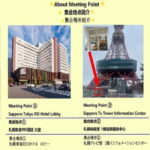
You meet at Sapporo Station North Square at 8:00 am and return to the same meeting point. Round-trip transfers are included, and the advertised duration of nine to ten hours includes all driving time. A maximum of 40 people is allowed, though the actual vehicle may be smaller than a full-size coach.
I would think of this as a first look at Hokkaido rather than a deep visit to any one place. If you have only one free day and want to see several major sights, the route gives you plenty to remember. If you prefer long walks, quiet meals, or time to linger, the schedule will feel hurried.
A few more Sapporo tours and experiences worth a look
Jigokudani, where the earth is still steaming
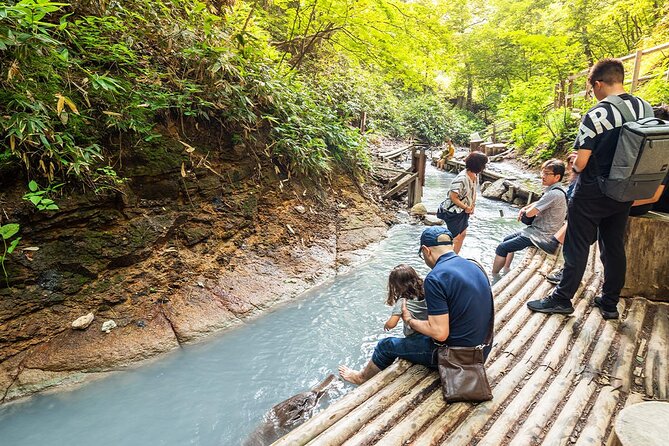
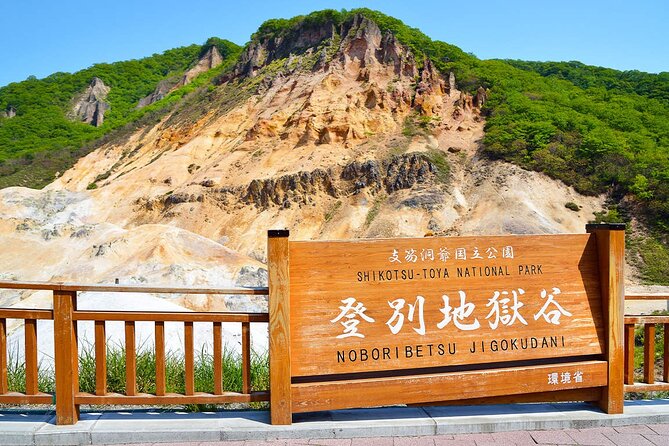
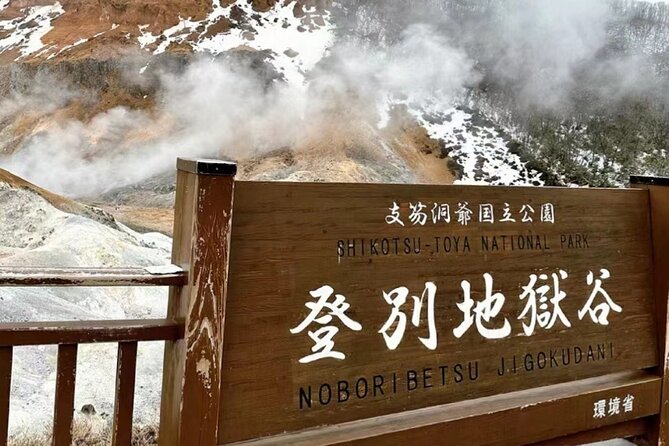
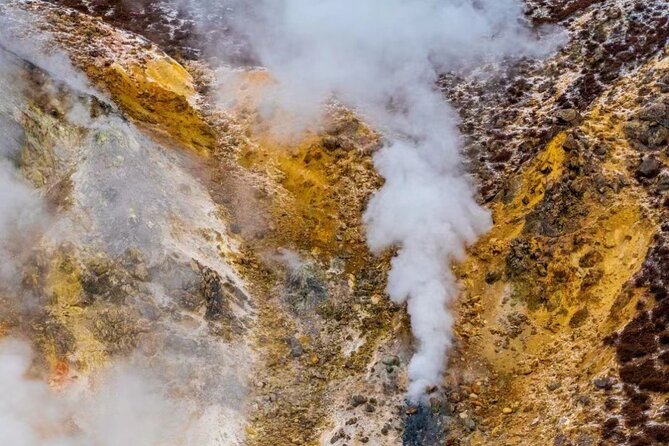
Noboribetsu’s Jigokudani, or Hell Valley, is the strongest opening stop. The name is not subtle, but it fits the place: steam rises from vents, sulfurous water bubbles in small pools, and the ground has the rough, raw look of an active volcanic area.
You have about 1 hour and 20 minutes here, with no admission charge. That is enough for a good walk through the main area and time for photographs, though not enough to explore every path around Noboribetsu.
The smell of sulfur is part of the experience. You are not simply looking at a scenic valley. You are seeing heat, gas, and mineral water emerge from beneath the earth, which gives this stop a stronger sense of place than a standard viewpoint.
I would use your time here for the walk itself rather than browsing shops. Wear shoes with a firm sole, especially in winter, when snow and ice can slow you down. Heavy snowfall has caused delays on this route, but it can also make the steaming ground look especially dramatic.
One limitation is that the tour focuses on Jigokudani rather than giving you much time in Noboribetsu’s hot-spring town. If you hoped to explore the onsen streets or bathe, this is not that kind of visit.
Oyunuma Pond adds a quieter volcanic view
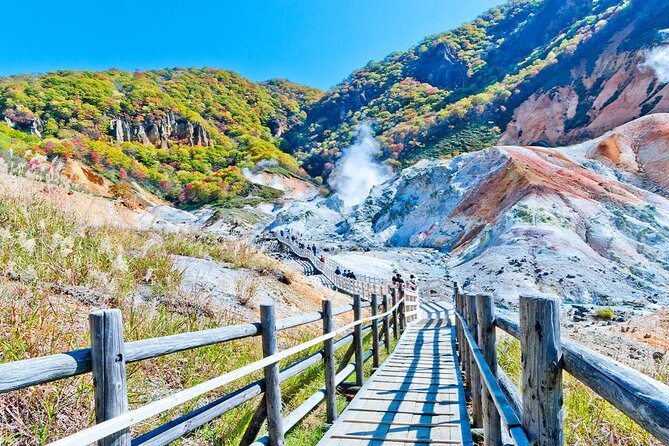
After Hell Valley, the group continues to Oyunuma Pond for about 30 minutes. This volcanic pond formed from the remains of an eruption and contains hot sulfur springs with iron and other minerals.
Oyunuma is different from Jigokudani because it feels broader and calmer. Instead of a close walk among many steaming vents, you get a view across a dark volcanic pond, often with mist or vapor rising from the water.
Thirty minutes is a short stop, but it works as a companion to Hell Valley. The two places show different sides of the same geothermal area. I would not expect a long hike or a full nature walk, though. You are there for the view, a few photographs, and a quick look before the bus moves on.
Lake Toya needs more than one viewpoint
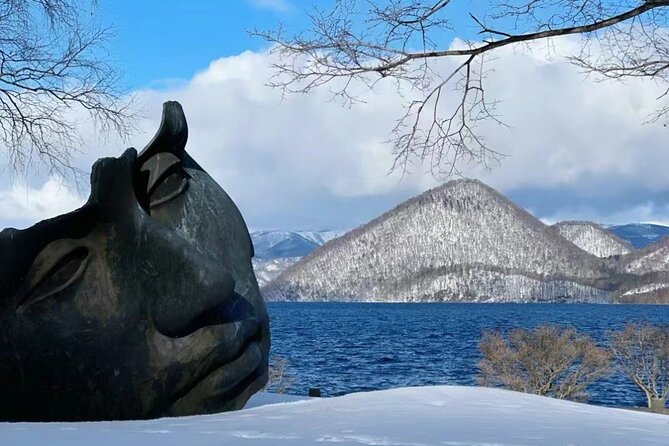
The tour gives Lake Toya about two hours, followed by another 20-minute stop at a separate Lake Toya viewpoint. The repeated lake stops are useful because a caldera lake changes character with the weather and angle.
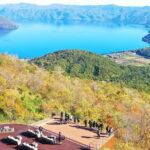
Lake Toya is a nearly circular freshwater caldera lake in Shikotsu-Toya National Park. It covers about 70.72 square kilometers and is roughly 10 kilometers across. On a clear day, the broad blue water and surrounding mountains make this one of the most rewarding parts of the route.
The two-hour period is described as free time, so do not expect a tightly led walking tour. You may be able to choose your own view, find food, and enjoy the shore at your own pace. Bring your own lunch or a takeaway breakfast item, since lunch is not included and dining choices at the stopping area may be limited.
Weather matters here. Rain can shorten the practical value of the stop, especially if mist hides the mountains. Still, even in poor weather, the lake gives you a welcome change from the close volcanic scenery earlier in the day.
The extra viewpoint stop helps you see Lake Toya from another side, but it also adds to the feeling of being moved from one photo stop to the next. I would rather have two proper viewpoints than one rushed glance, yet you should keep your expectations realistic. This is a broad introduction, not a full lake excursion.
Showa Shinzan and the choice between bears and the ropeway
Showa Shinzan is an active volcanic formation near Lake Toya. It rose from farmland in the mid-20th century, and its presence gives this section of the trip a memorable sense of volcanic change.
The nearby Bear Ranch is home to more than 100 purebred Hokkaido brown bears. Admission is not included. The listed price is ¥850 per person, described elsewhere as about $5, so carry enough Japanese yen for the entrance and any food or drinks you want.
The stop lasts about two hours, which includes time for the bear ranch and lunch. The ranch offers the unusual chance to feed the bears, but this part of the itinerary is not for everyone. Some people find the animals fascinating; others find the confined setting uncomfortable and would rather see the mountain from above.
That second option matters. The Showa Shinzan Ropeway is nearby, but riding it is not included in the stated plan, and its schedule can be difficult to fit into a group day. If the ropeway is your priority, ask before booking if the day’s timing allows it. Do not assume you will automatically reach the summit area.
For me, the bear ranch is the least certain value on the route. It adds a distinctive Hokkaido animal experience, but it also uses time that could go toward the ropeway, Mount Usu views, or a longer Lake Toya stop. You should decide in advance which kind of visit interests you more.
A few more Sapporo tours and experiences worth a look



Otaru brings a completely different mood
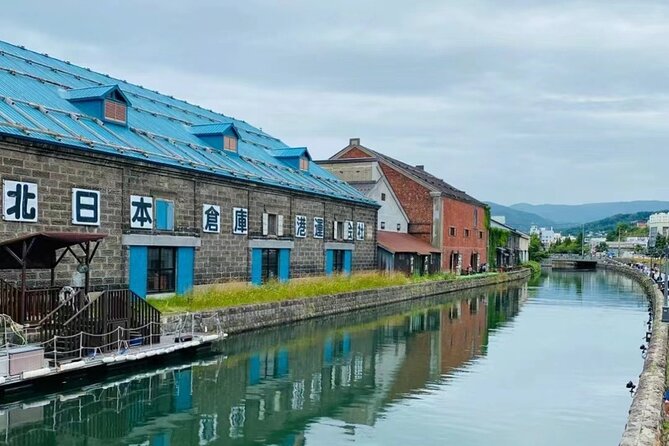
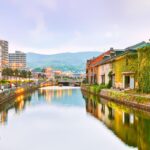
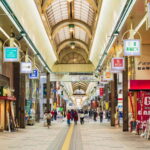
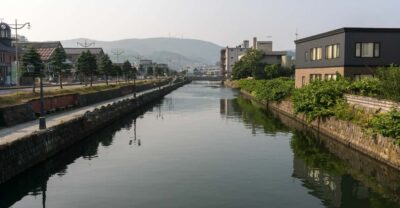
Otaru is the final major stop, with about 50 minutes to explore. The town’s canal area is lined with old warehouses built during the Meiji period, and its glass shops and music-box stores give it a gentler, more commercial feel than the volcanic sites.
The canal is easy to recognize, but the limited time means you may need to walk directly there rather than wait for a formal guided visit. Some itineraries describe a canal stroll, while the practical experience can feel more like being dropped near the shopping streets and left to find your way.
Kitaichi Glass is a natural stop if you want Hokkaido glassware, and the Otaru Music Box Museum suits anyone looking for small souvenirs. You can also look for cheesecake and ice cream, two popular treats associated with the town’s food-shopping area.
Otaru is pleasant, but it is also the easiest place on this route to visit independently. Trains connect Otaru with Sapporo, so you could return on your own if the long bus day becomes too much. One passenger did exactly that after the Lake Toya to Otaru drive, finding the train more comfortable.
In winter, the Otaru Snow Light Path Festival can add lanterns and glowing snow displays. The tour description includes this seasonal experience, but the festival depends on your travel dates. Do not book solely for the lights without checking the current schedule.
The long drive is part of the bargain
The great strength of this trip is also its main weakness. You cover a wide stretch of Hokkaido in one day, but the bus connects the sights more often than you explore them.
Several people found the vehicle uncomfortable, with limited legroom and particularly awkward seats over wheel wells. Reports also describe poor ventilation, a stuffy interior, and difficulty hearing the guide through the microphone from the back. The maximum group size is 40, so you should not picture a private car or roomy minibus.
That does not mean every departure will be equally uncomfortable. Vehicle size and seating can vary, but the complaints are specific enough that I would treat comfort as a real booking consideration. If you are tall, have knee trouble, or dislike long bus rides, this route may test your patience.
The winter road can also slow the schedule. Heavy snow has delayed the trip, though the route still reached all the planned stops on one snowy departure. Your return to Sapporo may be later than expected when road conditions are poor.
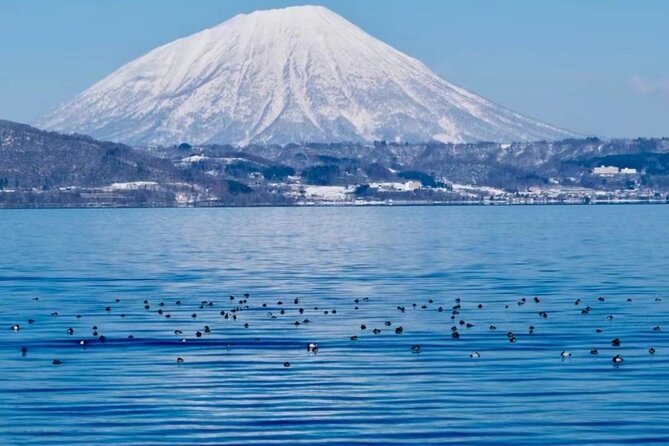
The scenery from the bus can be excellent. One particularly memorable stretch runs between Lake Toya and Otaru, where views of Mount Yotei may appear along the way. The catch is that there may be no planned photo stop, so keep your camera ready and do not count on getting off for a picture.
Guides, languages, and the level of explanation
Guide quality seems to depend heavily on who leads your departure. Jay is praised for clear instructions, practical information, and strong language ability in English, Mandarin, Cantonese, and Japanese. His style appears to suit people who want context during a fast-moving day.
Sophia is also described as fluent in several languages and helpful with shopping advice. At the same time, some English-speaking passengers felt they received shorter explanations than those listening in Chinese or Japanese. Others found the English delivery unclear or felt that too much time went toward shopping.
This is important because the tour is not a fully guided walk at every stop. In practice, you may receive an explanation on the bus, then explore independently after being given a meeting time. I would prepare by reading a little about Noboribetsu and Lake Toya beforehand and keeping a few questions ready.
The best guide will make the long day feel organized. Clear meeting instructions matter when you have only 30 or 50 minutes at a stop. If your guide is stretched across three languages and a large group, the experience may feel more like transport with commentary than a traditional guided tour.
Is $120 a fair price?
At $120 per person, the tour is not cheap, but the value depends on what you are comparing it with. You are paying for round-trip transport from central Sapporo and access to several places that are not simple to combine by train and local bus in a single day.
For a first visit, that convenience has real value. You can see Noboribetsu, Lake Toya, Showa Shinzan, and Otaru without planning several separate connections. You also avoid the worry of navigating winter roads or matching local bus schedules.
The price does not cover the bear ranch, lunch, or personal expenses. The extra entrance fee is modest, but the lack of included lunch matters because the schedule leaves little room for a relaxed restaurant meal. Bring food with you and keep some cash for the ranch.
I would not call this a bargain for comfort. A cramped vehicle, limited time, and sparse guiding can make the price feel high if you expected a polished coach tour. I would call it a practical access fee for a very ambitious route.
Who will get the most from this tour?
I would recommend it most strongly to a first-time Sapporo visitor who wants a broad look at Hokkaido and has only one spare day. It suits you if checking off major sights matters more than spending half a day in one town.
It also works well for people who do not want to drive. The route covers difficult-to-link places, and the guide handles the basic timing and transfers. Families can participate, and children aged 0 to 2 ride free when they do not need a separate seat.
I would hesitate if you want a calm pace, a roomy coach, or detailed guiding at every stop. I would also think twice if Otaru is your main goal, since the train is a more comfortable way to give that town proper time.
Before booking, decide how you feel about the Bear Ranch. If you find captive-animal attractions troubling, ask about skipping it or check if the ropeway can be substituted. The tour’s schedule may not allow that change, but knowing your preference helps you judge the day honestly.
Final call: book it for breadth, not depth
I would book this tour if I had one free day, no rental car, and a strong wish to see several southern Hokkaido sights in one sweep. The volcanic areas are memorable, Lake Toya gives the day open space, and Otaru adds a pleasant change of pace.
I would not book it expecting a relaxed tour, a spacious bus, or a long visit at each location. At $120, you are buying reach and convenience. Go with a packed lunch, comfortable shoes, cash for the ¥850 bear ranch, and realistic expectations about the driving, and this can be an efficient first taste of Hokkaido.
FAQ
Where does the tour start and finish?
The tour starts at Sapporo Station North Square, at 3-chōme-12–2 Kita 7 Jōnishi, Kita Ward, Sapporo. It ends back at the same meeting point.
What time does the tour begin?
The scheduled start time is 8:00 am.
How long does the experience last?
The tour lasts approximately nine to ten hours. This total includes transportation between Sapporo, the sightseeing stops, and the return journey.
Is lunch included?
No. Lunch is not included, and personal expenses are also separate. You may want to bring a takeaway meal because dining choices at the midday stop may be limited.
Is the Showa Shinzan Bear Ranch included?
No. Admission is not included. The stated entrance price is ¥850 per person, described as approximately $5.
Can young children join the tour?
Children aged 0 to 2 can join free when they do not occupy a separate seat. The tour is near public transportation, and most people can participate.
More Noboribetsu & Lake Toya Trips in Sapporo
More Otaru Day Trips in Sapporo
More Sapporo City Tours in Sapporo

More tours in Sapporo we've reviewed


Otaru Day Trips, compared.
 ★ 5.0Otaru Rickshaw TourFrom $42
 ★ 4.9Sapporo: Otaru Asarigawa Ski Resort Day Trip with GearFrom $1859 hours
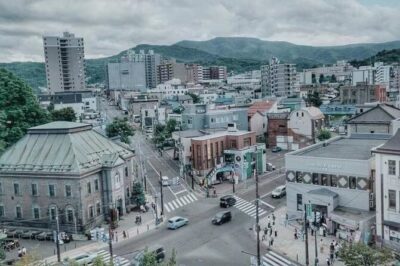 ★ 5.0[Otaru & Yoichi] Let’s go to Otaru Canal, Sakaimachi Street, Music Box Hall, and Yoichi Nikka Whiskey by private car (arriving and departing from Sapporo)From $372
 ★ 4.4Hokkaido, Sappro, Otaru & Cape Kamui One-day TourFrom $66
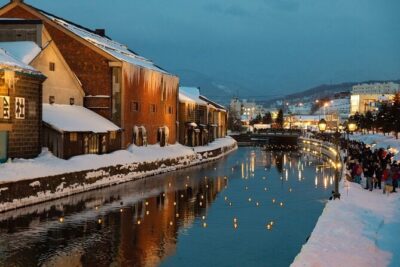 ★ 4.5Otaru 4hr Private Trip with Government-Licensed GuideFrom $108
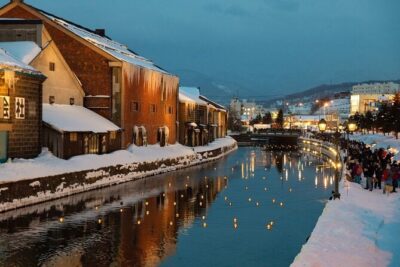 ★ 5.0Otaru 6hr Private Trip with Government-Licensed GuideFrom $153
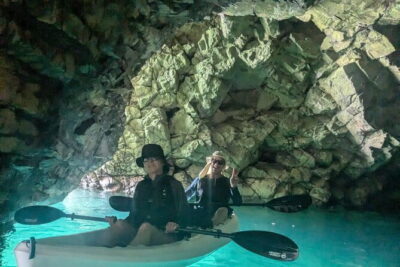 ★ 5.0Sea Kayaking Tour – Otaru Coastal AdventureFrom $97
 ★ 4.8From Sapporo: Private Day Trip to OtaruFrom $1916 hours
Browse the lists this tour appears in