
Reviewed · PRIVATE
Private Temple Tour with Zazen Meditation
Sapporo’s best traditional experience may be the one that asks you to slow down. This private half-day outing pairs a quiet walk through Maruyama Park with temple time, zazen meditation, and a Japanese lunch. You get nature, Buddhism, and conversation without leaving the city.
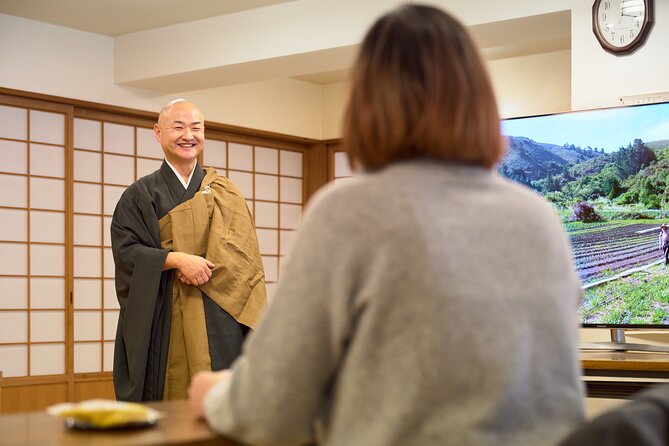
I like the personal format. Your group has the guide’s attention, and the temple visit is led by the abbot or an English-speaking monk. I also like the practical touch of chair-based zazen, so you can take part without forcing yourself into a kneeling position. The main drawback is price: at $233.61 per person, this is a serious splurge for four and a half hours.
Key points to know
- Forest bathing in central Sapporo: Walk through the woods of Maruyama Park and pay attention to sound, air, light, and the changing seasons.
- A private visit to Tendoji Temple: The abbot or an English-speaking monk guides you around the grounds and explains Buddhism and Zen.
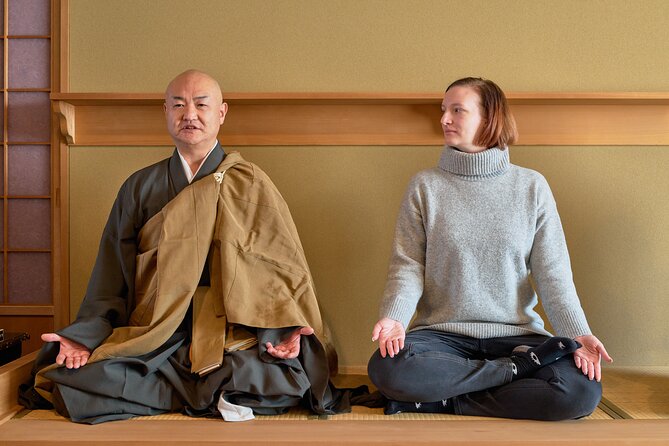
- Zazen for beginners: Meditation is usually done kneeling, but a chair is available if that suits you better.
- A named English-speaking guide: Jordan is associated with this experience and is described as friendly, thoughtful, and informative.
- A Japanese lunch with conversation: The final hour gives you room to ask practical questions about Japanese culture.
- Simple city logistics: Begin at Maruyama Koen Station at 9:00 a.m. and finish at JR Sapporo Station by car.
Why this Sapporo tour feels different
Many city tours rush from one sight to the next. This one uses a slower rhythm. You begin in the woods, move to a temple, sit quietly, then talk over lunch. That order matters. The walk helps you settle down before the more focused temple visit.
You do not need a long background in Buddhism. The experience is built for people who are curious but new to Zen practice. The abbot or monk explains the temple and leads the meditation, while your English-speaking guide helps connect the experience to everyday Japanese culture.
The private format is a real advantage. Your group alone takes part, so you can ask questions without holding up a large party. If you are traveling with family or friends, group discounts may improve the value, though the exact discount depends on the booking details.
The tour runs about four hours and 30 minutes. That makes it a good morning-to-early-afternoon plan, but it also means you give up most of a sightseeing block in Sapporo. You are paying for time, transport, interpretation, and access to a more personal cultural setting, not simply for admission to a temple.
Other private tours in Sapporo



Starting among the trees at Maruyama Park
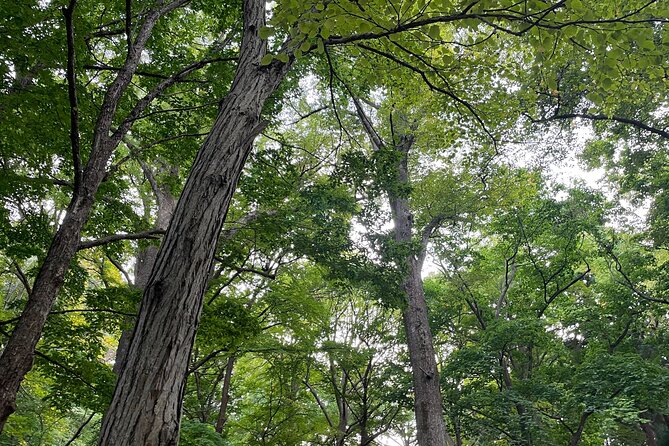
Meet at Maruyama Koen Station at 9:00 a.m. From there, the experience includes travel time to the park and a walk through its wooded area. Admission to the park is free, so the value here comes from the guide’s direction and the way you are encouraged to notice the setting.
The stated aim is forest bathing, a Japanese practice of connecting with nature through the senses. This is not a strenuous hike or a race to a viewpoint. You walk through the woods with your attention sharpened, taking in the feel of the air, the sounds around you, and the seasonal character of the park.
I like this opening because it gives the tour a calm beginning. You can arrive in Sapporo feeling rushed, especially after a busy travel day. A quiet walk offers a useful reset before the formal temple portion.
Maruyama Park is in the center of Sapporo, so this is not a remote wilderness outing. That is part of the appeal. You get a taste of Japanese nature without spending hours on a long transfer. It also keeps the morning manageable for people who want cultural depth but do not want a full-day excursion.
The park walk does require some openness to a less scripted activity. If you prefer constant commentary, photo stops, and a list of famous sights, this may feel understated. The point is not to collect facts. The point is to notice where you are.
Wear comfortable shoes and dress for the weather. The tour description does not give a detailed trail grade or seasonal clothing list, so sensible walking clothes are the safest choice. You should also allow yourself to move at an easy pace rather than expecting a demanding trek.
Meeting the abbot at Tendoji Temple
After Maruyama Park, you drive by car to Tendoji Temple. The temple portion lasts about two hours, making it the main focus of the morning.
Your guide around the grounds is the abbot or one of the monks, with English assistance from someone who speaks English well. That gives the visit a direct connection to the temple itself. You are not simply looking at buildings from outside. You have the chance to ask about Buddhist practice, temple life, and the ideas behind Zen.
The setting is especially useful for questions that do not have easy answers in a guidebook. You might find yourself asking why certain spaces are arranged as they are, how meditation fits into Japanese religious life, or what it means to sit without a goal. The experience description specifically points toward the Japanese appreciation of nature and things, as well as insights that may apply to your own life.
Keep your expectations grounded. This is not presented as a grand historic monument tour or a performance staged for tourists. The appeal is the personal explanation and the chance to spend time in a working religious setting. If your main goal is architecture or famous temple photography, this may not be the strongest match.
The temple visit also gives the morning a useful contrast. In the park, your attention turns outward toward trees and seasonal details. At Tendoji, it turns inward. That change from walking to sitting is the heart of the experience.
Trying zazen without forcing the posture
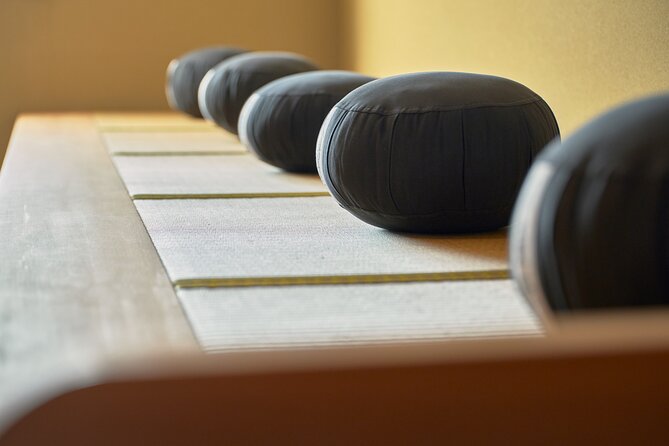
Zazen is usually practiced in a kneeling position, but you can use a chair if you prefer. That small detail makes a big difference. You can try the meditation without treating discomfort as a test of character.
The basic idea presented here is sitting with no purpose or goal. That can sound simple, but it is not always easy for people used to filling every quiet moment. The abbot’s teachings on Buddhism and Zen philosophy give the sitting period a frame, so you are not left wondering if you are doing it correctly.
I would approach this with modest expectations. Do not book the tour expecting a guaranteed breakthrough or a perfectly calm mind. Zazen may instead give you a short period of stillness, along with a new way to think about attention and effort.
You also do not need to identify as religious. The experience welcomes you to try the practice as long as you are comfortable and do not overexert yourself. That makes it suitable for beginners and for people who simply want to understand a part of Japanese culture from the inside.
If sitting still is difficult for you, tell the guide. The chair option is clearly available, and the tour is not asking you to prove anything physically. The quality of the experience depends more on your willingness to take part than on your posture.
Lunch turns the lesson into a conversation
The final hour is set aside for a Japanese lunch with an English-speaking guide. This is more than a meal tacked onto the end of the schedule. It gives you time to process the morning and ask questions that come to mind after the walk, temple tour, and meditation.
You can talk about what you noticed, ask about Japanese customs, or raise questions about Buddhism and daily life. An informal meal is often the best place to ask the questions you would not think of during a formal temple explanation.
The experience description says you can enjoy a delicious Japanese lunch, but it does not provide the restaurant name, menu, or exact details about what is included in the price. Keep that in mind if you have strict dietary needs or want to know the meal’s full arrangements before booking. Ask the provider directly for clarification.
The lunch also helps balance the quietness of zazen. You are not sent away after meditation with a quick goodbye. Instead, the experience ends with conversation, which can make the cultural ideas easier to understand and remember.
After lunch, you drive to JR Sapporo Station. Ending at the station is convenient if you want to continue sightseeing, catch a train, or return to your hotel from central Sapporo.


What the $233.61 price really buys
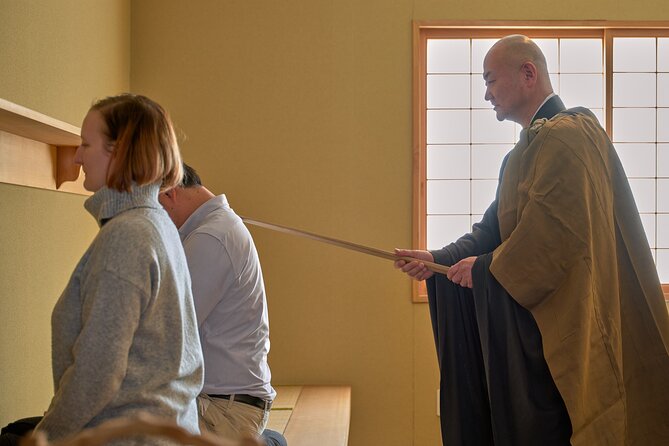
At $233.61 per person, this is not a budget activity. The price needs to make sense through the whole package.
You are paying for a private experience, a roughly four-and-a-half-hour schedule, transport by car between locations, an English-speaking guide, temple access, time with the abbot or a monk, zazen instruction, and the lunch portion of the day. The private format matters most for couples, families, and small groups who value flexibility and questions.
It is harder to justify for someone who only wants to see a temple or try a short meditation session. Sapporo has lower-cost ways to walk in a park and eat lunch. This tour earns its price through interpretation and access, not through a long list of attractions.
The booking pattern, with reservations made on average 53 days ahead, suggests that you should not leave this until the last moment if the date matters to you. Confirmation arrives within 48 hours, subject to availability. Plan around that wait, particularly during a busy visit to Sapporo.
Group discounts may help bring down the cost for a larger private party. Since the exact terms are not provided, check the final price rather than assuming the discount will apply in every case.
For me, the strongest value is the connection among the parts. A park walk alone would be pleasant but limited. A temple tour alone might feel formal. Zazen alone might be hard to place. Together, the three activities create a clear morning about attention, nature, and Japanese ideas of culture.
The personal guide matters here
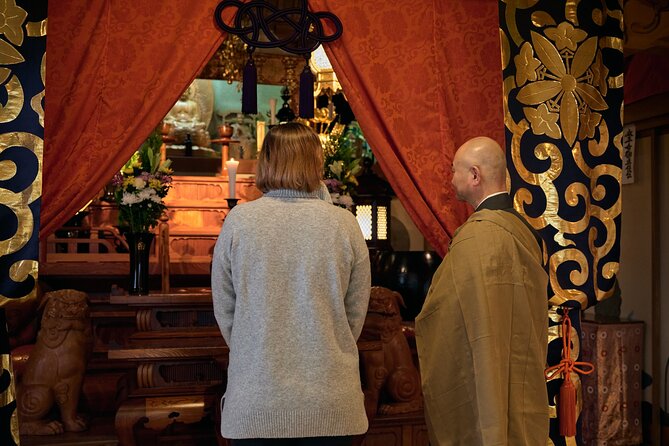
This experience depends heavily on the guide. The tour uses an English-speaking guide for the temple and lunch, while the abbot or monk leads the temple explanation and meditation. That combination gives you both cultural interpretation and direct instruction.
Jordan is one named guide connected with the experience. He is described as friendly, thoughtful, and informative throughout the morning. Those qualities fit this kind of tour, where a guide needs to explain ideas without making them sound like a lecture.
A good guide should also help you know when to speak and when to be quiet. The forest walk and zazen period need room for silence. The lunch needs room for questions. The best version of this tour will move between those moods without making either one feel awkward.
Because the activity is private, you have a better chance to shape the conversation around your interests. You can ask more about Zen, Japanese customs, nature, food, or daily life. If you are traveling with children, the private setting may also make it easier to adjust the discussion, though the information does not specify a minimum age or a special children’s program.
Who should book this experience
I would recommend this tour to you if you want a meaningful cultural morning rather than a checklist of Sapporo sights. It suits people who enjoy thoughtful conversation, gentle walking, and a chance to try something unfamiliar.
It is especially useful for:
- First-time visitors who want context for Japanese culture
- Couples or small private groups who value personal attention
- People curious about Zen but unsure where to begin
- Visitors who like combining nature, food, and cultural explanation
- Anyone who prefers a chair option during meditation
You may want to skip it if you have only one short day in Sapporo and want to cover major city attractions. The tour does not promise a long list of landmarks. You should also reconsider if you dislike quiet activities, sitting meditation, or a schedule built around conversation rather than constant movement.
Most people can participate, according to the tour information, but you should be comfortable with walking through the woods and sitting for meditation. The chair option helps, yet the experience still asks you to slow down and take part.
Practical details before you reserve
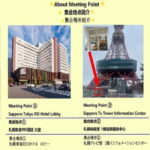
The meeting point is Maruyama Koen Station, at 26 Chome-2 Odorinishi, Chuo Ward, Sapporo. The tour begins at 9:00 a.m., so plan to arrive early enough to find the station meeting point without rushing.
The end point is JR Sapporo Station, at 3 Chome-4 Chome Kita 6 Jonishi, Kita Ward. The drive back to the station is included in the schedule. This makes the tour easy to pair with an afternoon train or more sightseeing in central Sapporo.
A mobile ticket is available. The activity is private, so only your group takes part. Free cancellation is offered if you cancel at least 24 hours before the local start time. A cancellation or change made inside that 24-hour window is not accepted for a refund.
The tour provider is Hokkaido Treasure Island Travel Inc. Confirmation is sent within 48 hours, subject to availability. Since the average advance booking period is 53 days, early planning is sensible.
Should you book the Private Temple Tour with Zazen Meditation?
Book it if you want Sapporo to give you more than food, shopping, and city views. The mix of Maruyama Park, Tendoji Temple, zazen, and lunch creates a calm, personal introduction to Japanese culture.
The price is high, and the experience will not suit every schedule or personality. But if you value an English-speaking guide, a private group, direct contact with a monk, and time to reflect rather than rush, the cost can be reasonable. Reserve early, confirm the lunch details if that matters to you, and arrive ready to sit quietly for a while.
FAQ
Where does the tour begin?
It begins at Maruyama Koen Station, 26 Chome-2 Odorinishi, Chuo Ward, Sapporo, Hokkaido 064-0820, Japan.
What time does the tour start?
The tour starts at 9:00 a.m.
Where does the tour end?
It ends at JR Sapporo Station, 3 Chome-4 Chome Kita 6 Jonishi, Kita Ward, Sapporo, Hokkaido 060-0806, Japan.
How long does the experience last?
The experience lasts approximately four hours and 30 minutes.
Is this a private tour?
Yes. Only your group participates in the private activity.
What happens at Maruyama Park?
You walk through the woods and try forest bathing, a Japanese practice of connecting with nature through your senses. Travel time from the station to the park is included.
What happens at Tendoji Temple?
The abbot or an English-speaking monk guides you around the temple grounds, and you take part in a zazen meditation session.
Can I use a chair during zazen?
Yes. Zazen is usually done in a kneeling position, but you can use a chair if you prefer or need to avoid kneeling.
Is lunch part of the experience?
The schedule includes a Japanese lunch with an English-speaking guide. The available information does not specify the menu or all price details for the meal, so ask the provider if you need clarification.
How far in advance should I book?
The experience is booked an average of 53 days in advance. Confirmation is sent within 48 hours, subject to availability.
Can I cancel for a full refund?
Yes, if you cancel at least 24 hours before the experience’s local start time. Cancellations or changes made less than 24 hours before the start time are not accepted for a refund.
More Private Tours in Sapporo

More tours in Sapporo we've reviewed







Private, compared.
 ★ 5.0Sapporo Private Tour with a Local – Highlights & Hidden GemsFrom $109
 ★ 5.0【Private Car】Asahiyama Zoo, Blue Pond, Shirahige Falls, Ningle Terrace (from Sapporo)From $465
 ★ 5.0Sapporo 6hr Private Tour with Government Licensed GuideFrom $155
 ★ 5.0[Biei/Furano] One-day sightseeing by private car!From $596
 ★ 5.0Sapporo 4hr Private Tour with Government Licensed GuideFrom $122
 ★ 5.0[Departure from Sapporo] Noboribetsu Jigokudani, Lake Toya, Cape Chikyu by private carFrom $404
 ★ 5.0Private Japanese Cooking Class in Sapporo with Local Chef ShioriFrom $108
 ★ 5.0Full Day Private Skiing / Snowboarding Tour in SapporoFrom $230