
Reviewed · SAPPORO CITY TOURS
Sapporo: Hokkaido Shrine Tour with Rituals, History & Sweets
Hokkaido Shrine packs a surprising amount into one hour. You walk from leafy Maruyama Park into a sacred precinct, learn why the shrine is tied to Hokkaido’s pioneer story, perform a temizu purification ritual, and finish with a sweet rice cake at Jingu Chaya.
I like the tour’s clear cultural focus and its small, private format. The Ezo Squirrel Omikuji adds a playful local touch, while the stop at Kaitaku Shrine gives you a useful way to understand Hokkaido’s development. The main drawback is time: one hour goes quickly, so this is an introduction rather than a slow, detailed shrine visit.
Key points
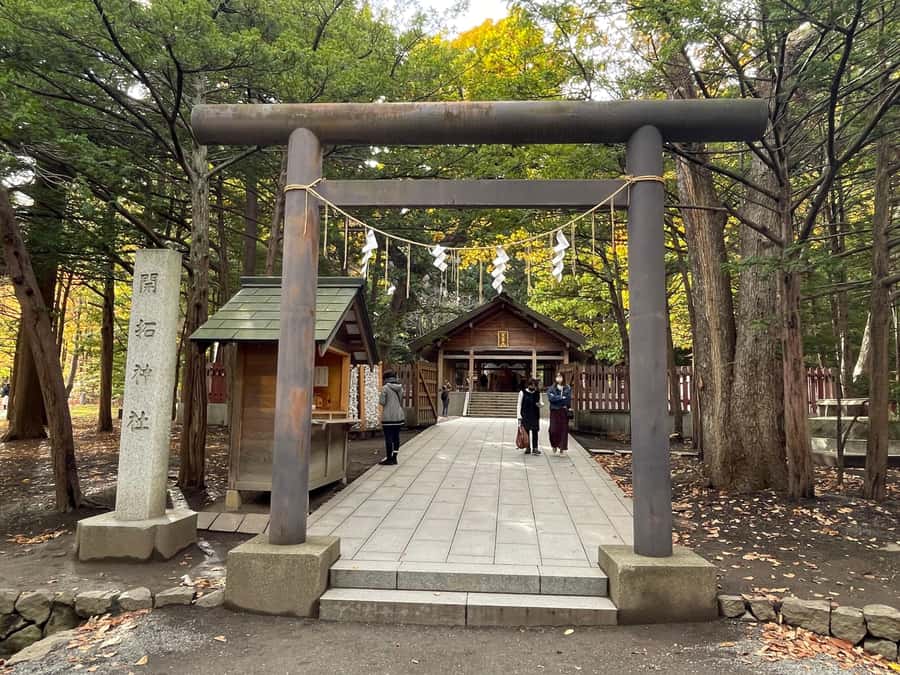
- Begin in Maruyama Park: Meet at the Maruyama Park Center and walk through a large torii gate into the shrine grounds.
- Learn about Hokkaido’s pioneers: Visit Kaitaku Shrine, dedicated to the people who helped develop the island in the 19th century.
- Practice a Shinto ritual: Your English-speaking guide explains how to purify your hands and mouth before prayer.
- See a giant sacred rope: The Furanui Shimenawa marks the main gate and symbolizes the link between the human and divine worlds.
- Draw a squirrel-shaped fortune: The Ezo Squirrel Omikuji combines a traditional fortune with a distinctly Hokkaido design.
- Taste a local shrine sweet: Try Fuku-Rei Mochi at the historic Jingu Chaya before returning to Maruyama Park.
Why Hokkaido Shrine makes a good one-hour tour
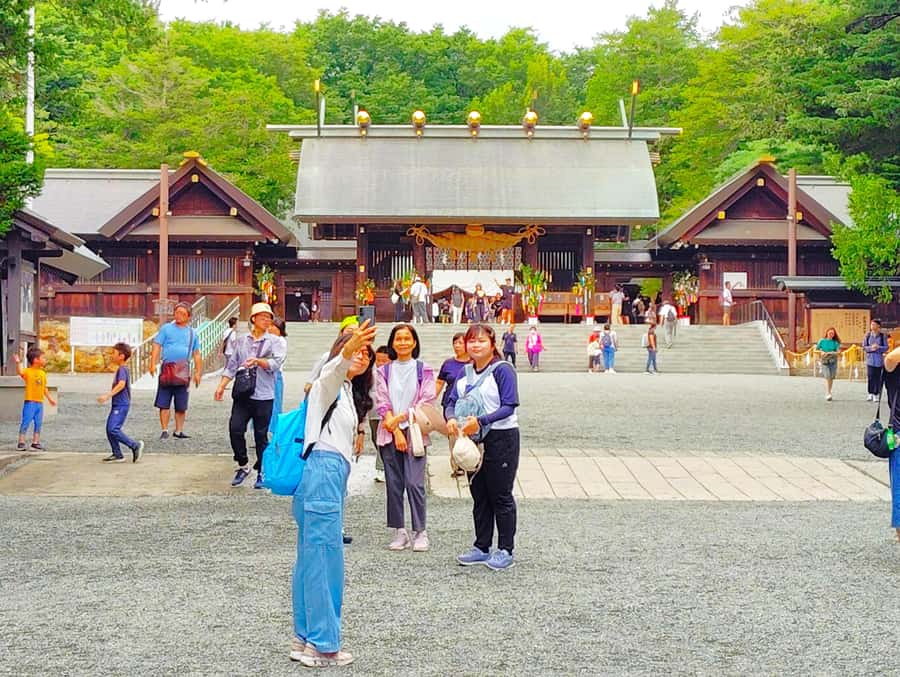
Hokkaido Shrine is more than a quiet religious site in Sapporo. It connects Shinto practice with the story of how Hokkaido was developed, giving you a stronger sense of place than a simple walk through a park.
The shrine was established in 1869 to enshrine three deities linked with pioneering Hokkaido. Emperor Meiji was later enshrined as well. That background matters because the shrine reflects two ideas at once: respect for Shinto tradition and respect for the people who faced Hokkaido’s difficult early settlement period.
I like this combination. You are not just looking at gates, ropes, and wooden buildings. You are given a reason for their importance and a short explanation of how the shrine fits into the island’s story.
The format also suits a busy Sapporo schedule. At $41 per person, the price is not a bargain if you only want to walk around the grounds on your own. The value comes from the private English-speaking guide, the ritual instruction, the omikuji experience, and the mochi tasting. If you want context and a little structure, the cost is easier to justify.
A few more Sapporo tours and experiences worth a look


Starting at Maruyama Park Center
The meeting point is in front of the Maruyama Park Center, at 43.054675, 141.3143009. Look for a guide holding a yellow sign marked DeepExperience.
Maruyama Park is a fitting starting point. It gives you a natural buffer between central Sapporo and the shrine. Native trees, small birds, and squirrels make the first part of the walk feel removed from the city, even though you are still close to it.
You pass through the large torii gate at the park entrance. This is the visual and mental shift into the shrine grounds. Your guide can help explain the basic meaning of the gate and the change in atmosphere, but remember that the experience lasts only an hour. You should expect a focused introduction rather than an extended nature walk through every corner of the park.
The park setting is especially useful if you want a gentle start to a day of sightseeing. It also gives the tour a more natural rhythm than meeting directly in front of the main hall, where you would begin with the busiest part of the visit.
Kaitaku Shrine and Hokkaido’s pioneer story
One of the most worthwhile stops is Kaitaku Shrine, a smaller shrine within the Hokkaido Shrine grounds. It is dedicated to the early pioneers of Hokkaido.
During the 19th century, settlers and soldiers from Honshu were sent to cultivate the island. They faced severe winters, wide stretches of wilderness, and the practical challenge of creating farms, roads, and communities in difficult conditions. The tour uses Kaitaku Shrine to connect those people with the broader development of modern Hokkaido.
This stop gives the visit a human side. The main shrine can feel grand and formal, but Kaitaku Shrine points to the individuals behind the island’s development. You can pay respects there and consider the effort involved in building new communities in a place with such demanding conditions.
The wording around Hokkaido’s development should also be handled thoughtfully. The story of pioneers is only one part of the island’s past, and this short tour focuses on that particular theme. It is useful for understanding the shrine’s purpose, but it is not a full account of Hokkaido’s entire history.
Learning the temizu purification ritual
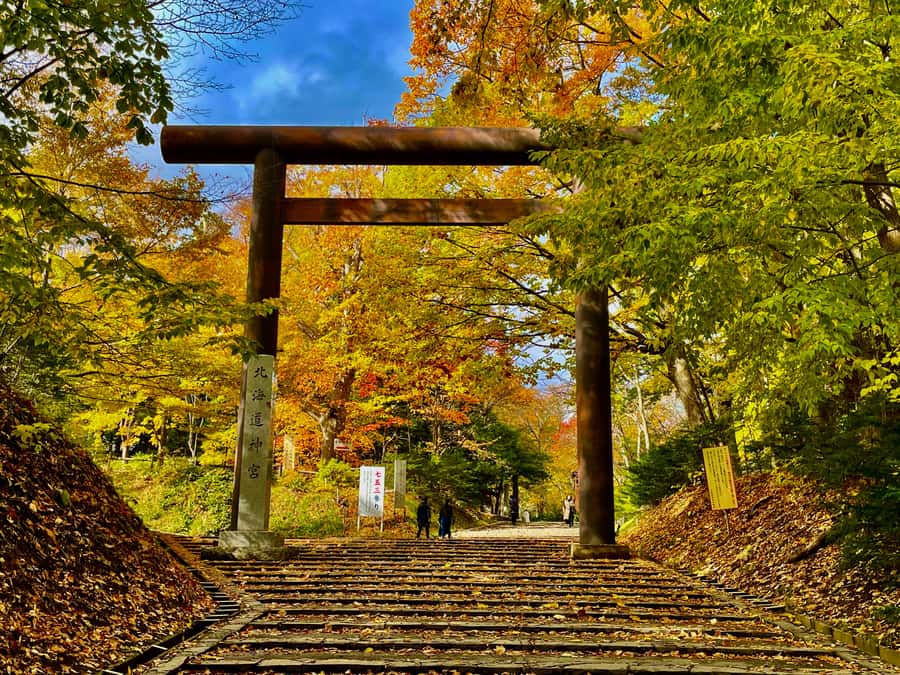
Before approaching the most sacred areas, you take part in temizu, the traditional water purification ritual. Your guide explains how to cleanse your hands and mouth.
This is one of the tour’s strongest features because it turns a custom you might otherwise watch from a distance into something you can understand and follow. The act is simple, but the meaning is important. You are preparing yourself before prayer, not merely washing your hands in the everyday sense.
Pay attention to the sequence and follow your guide’s instructions. Since the tour is private, you can ask questions without holding up a large group. That makes the ritual easier for first-time visitors who may be unsure about the correct steps.
The activity is respectful as long as you treat it as a religious practice rather than a photo opportunity. Your guide’s explanation helps you approach the shrine with the right attitude.
The Furanui Shimenawa and main hall
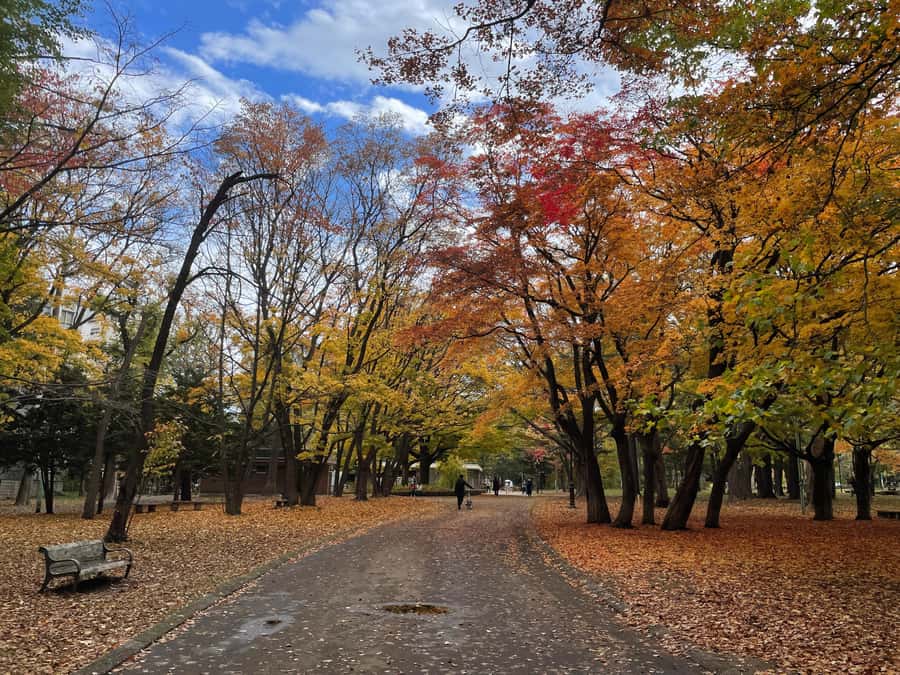
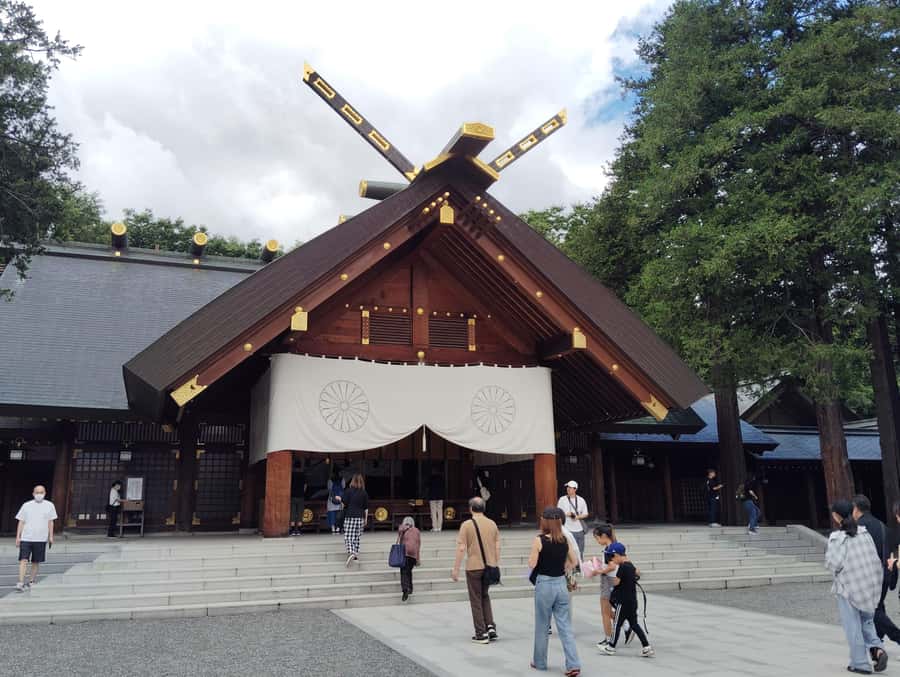
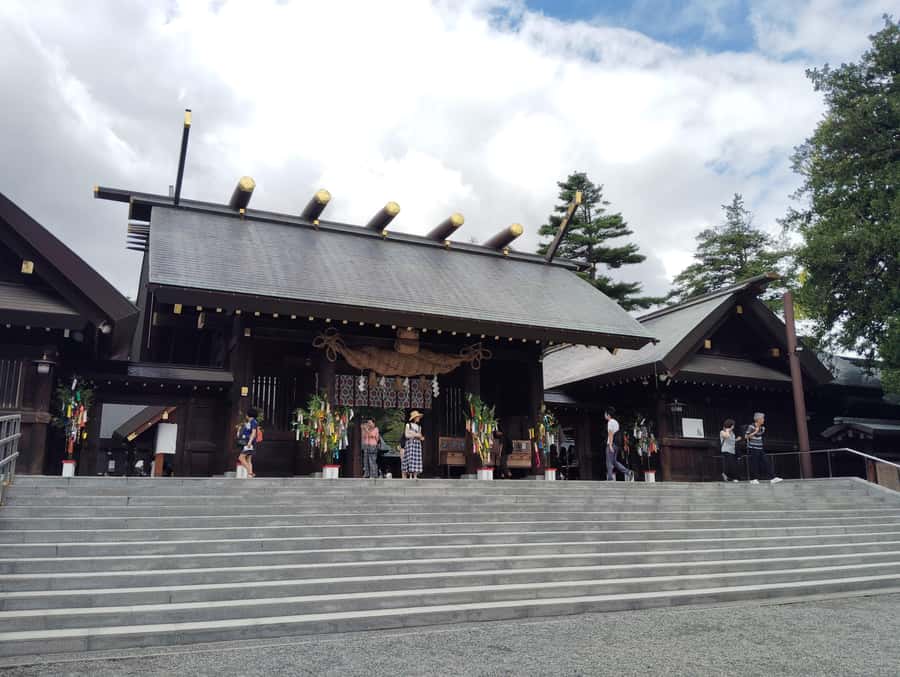
At the main gate, you see the Furanui Shimenawa, described as one of the largest sacred ropes in Japan. In Shinto practice, a shimenawa marks a sacred boundary. Here, it represents the connection between the divine world and the human world.
The rope is a striking detail, but its meaning is more useful than its size. It helps explain how shrine spaces are organized. Passing through the gate is not simply moving from one part of the grounds to another. It marks entry into a place set apart for worship.
From there, you approach the main hall and offer prayers in the same basic manner as local worshippers. Your guide can show you what to do, which is helpful if this is your first Shinto shrine visit.
The main hall is likely to be the visual focus of the tour, but do not expect a long period for independent viewing. The schedule includes several stops, a ritual, a fortune draw, and a sweet tasting. If you want time to study architectural details or take many photographs, plan to return on your own after the tour.
Other historical tours in Sapporo

The Ezo Squirrel Omikuji
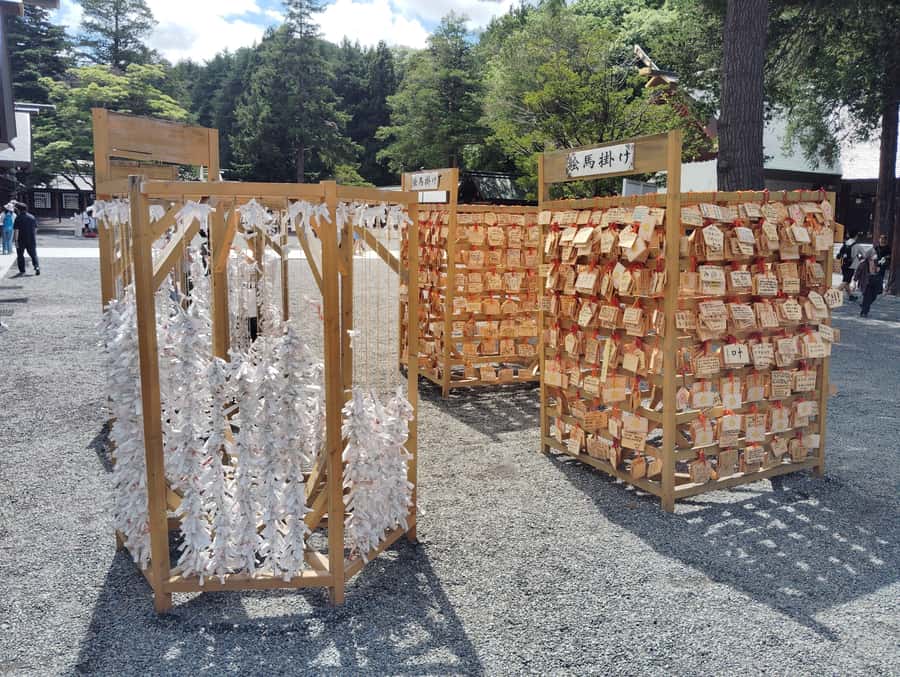
The Ezo Squirrel Omikuji is the tour’s most distinctive touch. Omikuji are fortunes drawn at Japanese shrines, but here the fortune is held in a cute squirrel-shaped charm.
The design ties the experience to the natural setting around Maruyama Park and gives a traditional custom a local character. You draw your fortune, receive the squirrel charm, and take home a small reminder of the visit.
I like this part because it is both accessible and meaningful. You do not need prior knowledge of Shinto to understand the appeal of drawing a fortune. At the same time, the activity introduces you to a real shrine tradition rather than adding a made-up souvenir stop.
Treat the charm as part of the experience, not as a guaranteed prediction. Its value is in the custom, the symbolism, and the memory it creates. The squirrel shape also makes this more appealing for families, though the tour information does not specify age requirements.
A sweet stop at Jingu Chaya
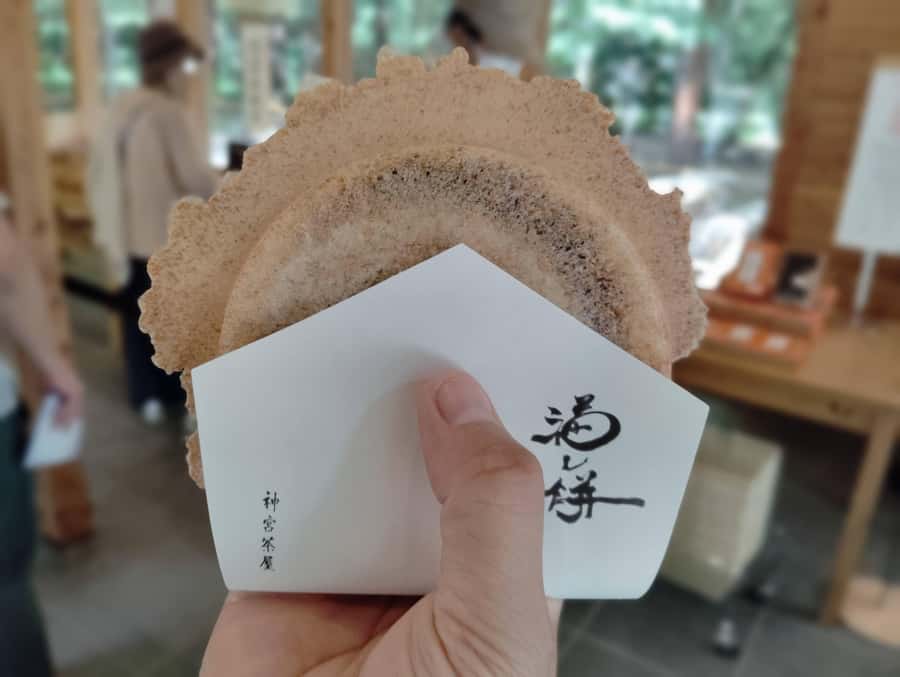
The final cultural stop is Jingu Chaya, the historic Shrine Tea House. You enjoy Fuku-Rei Mochi, a sweet rice cake associated with good fortune.
This small tasting rounds out the visit nicely. After walking through the park and shrine grounds, sitting down with a traditional sweet gives you a moment to pause and absorb what you have seen. It also shows how shrine visits can include everyday food and hospitality, not only formal prayer.
Fuku-Rei Mochi is part of the experience, so you do not need to arrange a separate food stop during the hour. The information provided does not specify the flavor, size, or whether alternatives are available. If you have food allergies or dietary restrictions, ask the provider before booking rather than assuming substitutions will be offered.
The tea house is also a practical reason to value this tour over a basic self-guided visit. You get a small taste connected to the shrine instead of simply walking past the building.
What the private format changes
This is a private group tour with an English-speaking live guide. That matters most during the ritual and the history explanations.
In a large group, a guide often has to repeat the same points while trying to keep everyone together. A private format should make it easier for you to ask about the shrine, Hokkaido’s development, or the meaning of the rituals. It also lets the guide keep the pace suited to your group, within the fixed one-hour schedule.
The private format does not make the tour leisurely. One hour remains one hour, and the route includes several elements. You will need to keep moving between Maruyama Park, Kaitaku Shrine, the main shrine area, the fortune experience, and Jingu Chaya.
That short length is useful if you want a clear introduction before other Sapporo plans. It is less suitable if you prefer to spend a long time taking photographs, sitting quietly, or reading every sign.
Is $41 a fair price?
At $41 per person, this tour makes the most sense for people who want guidance and a complete cultural introduction in a short time.
You are paying for more than access to Hokkaido Shrine. The price includes a guided visit, the omikuji experience, and the mochi tasting. The private group format is another part of the value, especially if you want personal explanations in English.
If you are comfortable learning shrine customs on your own, you can visit the grounds without paying for a tour. In that case, $41 may feel high for a one-hour walk. But self-guided visits do not provide the same built-in explanation of the pioneer story or the same help with the purification ritual.
The best comparison is not between this tour and free admission. Compare it with the cost of your time. If you have only a short stay in Sapporo and want a guide to turn a shrine visit into a coherent cultural experience, the fee is reasonable. If you already plan to spend a full morning at Hokkaido Shrine, the one-hour format may feel too limited.
Who should book this shrine experience?
I would recommend this tour to first-time visitors to Sapporo who want an easy introduction to Shinto customs. It is also a good match for families and couples who prefer a private experience instead of joining a larger group.
You should book it if you value:
- A short, organized visit near Maruyama Park
- English explanations of shrine customs
- A chance to take part in temizu correctly
- A small local food tasting
- A private group rather than a large shared tour
- A connection between Hokkaido Shrine and pioneer history
You may want to skip it if you mainly want quiet time alone, extensive photography, or a detailed study of the shrine’s architecture. You can still visit Hokkaido Shrine independently, but you would miss the guided structure and included activities.
Wear comfortable shoes and be ready for walking through park and shrine grounds. The experience is only one hour, so arrive at the Maruyama Park Center with enough time to find the meeting point and look for the yellow DeepExperience sign.
Should you book the Hokkaido Shrine tour?
Book this experience if you want to understand what you are doing at a Japanese shrine, not just look at the buildings. The combination of Kaitaku Shrine, the purification ritual, Furanui Shimenawa, the squirrel-shaped omikuji, and Fuku-Rei Mochi gives the hour a clear beginning, middle, and end.
I would especially choose it for a first visit to Hokkaido or a tight Sapporo itinerary. The main caution is the pace. You will get an efficient introduction, not a long retreat from the city.
For $41, the tour is a fair choice when personal guidance, private-group attention, and the included cultural activities matter to you. If those extras do not interest you, visit the shrine on your own and spend the saved money elsewhere.
FAQ
Where does the Hokkaido Shrine tour meet?
The meeting point is in front of the Maruyama Park Center. The guide will be holding a yellow sign that says DeepExperience.
How long does the experience last?
The tour lasts one hour, including the guided walk through Hokkaido Shrine and the return to the Maruyama Park Center.
What language is the tour offered in?
The tour is offered with a live English-speaking guide.
Is this a private tour?
Yes. The experience is organized as a private group tour.
What is included in the price?
The price includes a guided tour of Hokkaido Shrine, an omikuji experience, and a tasting of mochi sweets.
Can I cancel the booking?
You can cancel up to 24 hours in advance for a full refund. The reservation also offers a reserve-now, pay-later option.
More Dessert Tours in Sapporo

More Historical Tours in Sapporo
More Sapporo City Tours in Sapporo


More tours in Sapporo we've reviewed









Sapporo City Tours, compared.
 ★ 5.0Sapporo Bar Hopping Food TourFrom $108
 ★ 5.0Sapporo Private Tour with a Local – Highlights & Hidden GemsFrom $109
 ★ 4.9Sapporo: Sumo Show Experience with Japanese food & PhotoFrom $772 hours
 ★ 5.0Mondo’s most popular plan! Experience making soba noodles and the king of Japanese cuisine, tempura, in Sapporo!From $85
 ★ 5.0【Private Car】Asahiyama Zoo, Blue Pond, Shirahige Falls, Ningle Terrace (from Sapporo)From $465
 ★ 4.0Hokkaido Noboribetsu Lake Toya Tour from SapporoFrom $66
 ★ 5.0Sapporo 6hr Private Tour with Government Licensed GuideFrom $155
 ★ 4.6From Sapporo: Hokkaido Highlights Day TripFrom $64
Browse the lists this tour appears in