
Reviewed · OTARU DAY TRIPS
From Sapporo: Private Day Trip to Otaru
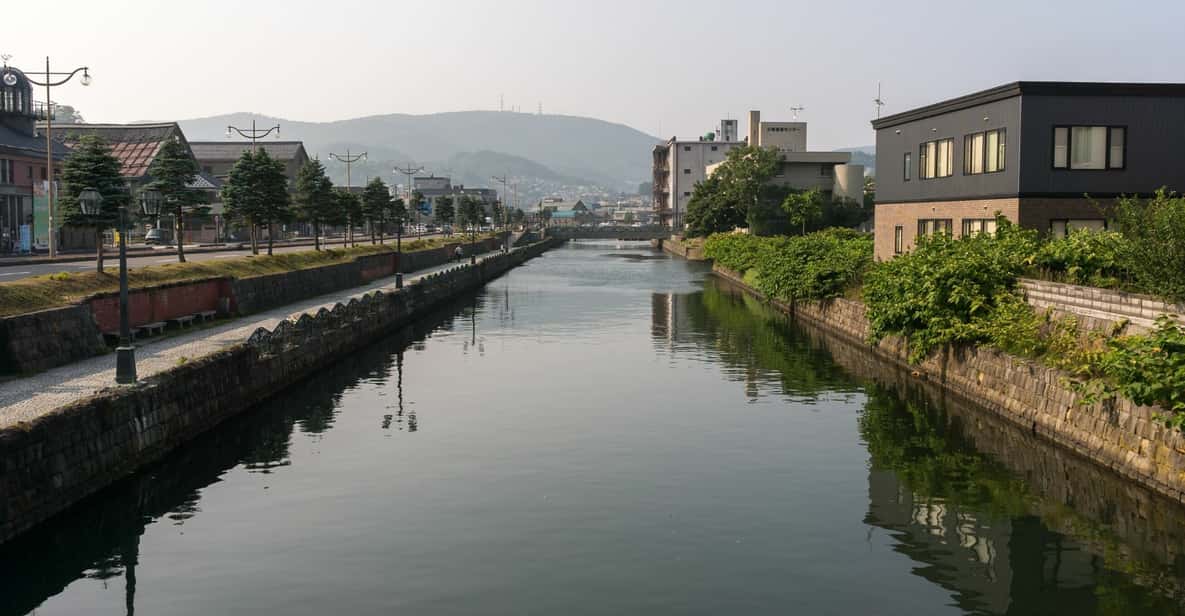
Otaru’s appeal is its change of mood. In about 30 minutes by train, you leave Sapporo’s modern streets for a small port city of old warehouses, western-style merchant buildings, glass shops, music boxes, and a canal lit by oil lamps. The train ride is part of the pleasure, not just a way to get there.
I like the private format, since you can spend more time on handmade glass, music boxes, food, or local drinks instead of following a fixed group route. I also like the personal touch of guides such as Toru, Karen, Ryuki, and Akihiro, who can shape the day around your interests. The main drawback is the price: at $191 per person, it is a serious spend, and attraction tickets, extra food, and optional transport in Otaru cost more.
Key points to know before booking
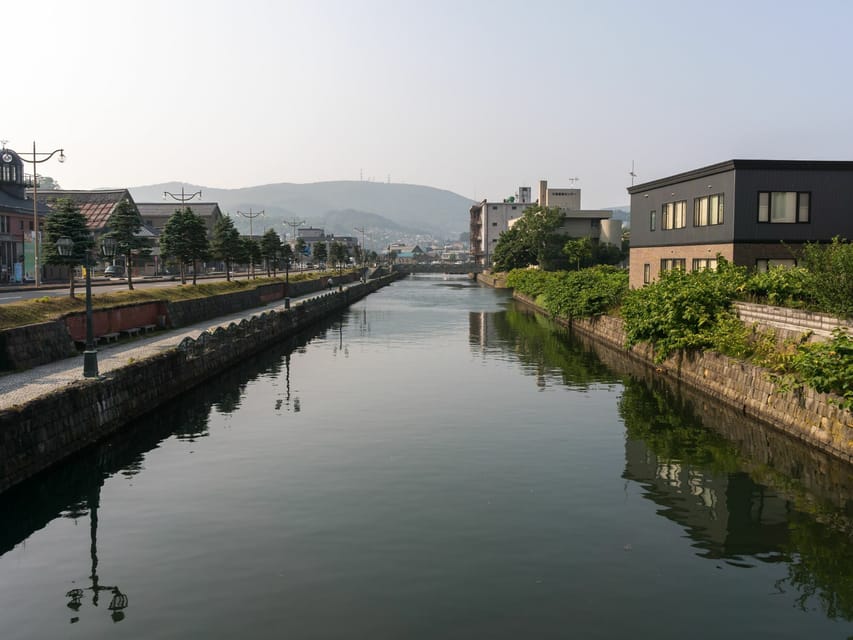
- Otaru by train: The 30-minute trip from Sapporo gives you a pleasant change of scenery and avoids arranging a private vehicle.
- A genuinely private day: You travel with your own guide and can adjust the balance between sightseeing, shopping, food, and local crafts.
- Two classic Otaru specialties: Handmade glass and Japanese music boxes give the town its distinctive character.
- Canal and old merchant streets: Sakaimachi-dōri, Nichigin-dōri, and the canal offer a compact route through Otaru’s port-era past.
- A local drink included: Your host selects one glass of sake, beer, or a soft drink, with further food and drinks paid separately.
- Good seasonal potential: Winter can add snow scenery and events such as the Snow Path Festival, while summer offers easier walking conditions.
Why the train from Sapporo matters

The tour begins in central Sapporo, with hotel pickup available from central hotels or a meeting point in front of the tourist information center at JR Sapporo Station. Confirm the exact arrangement before you go, since the stated meeting details focus on the station while hotel pickup is also offered.
From there, you take the train northwest to Otaru. The ride takes about 30 minutes, so you are not giving up half the day to reach the port town. I like this setup because the journey feels like a small transition from present-day Hokkaido to an older commercial center.
Your return train tickets are included. That removes one small task from the day, though your six hours include travel time. You should think of this as a carefully guided half-day outing, not six full hours on Otaru streets.
A private train trip also leaves room for conversation. Guides who know the area can explain what you are seeing and suggest stops that fit your tastes. Toru was praised for arranging an off-the-main-route day with plenty of conversation, while Karen helped connect Otaru’s crafts and food with other places to visit in Sapporo. Those details point to the real strength of the format: you are not simply being walked from one famous stop to another.
A few more Otaru tours and experiences worth a look

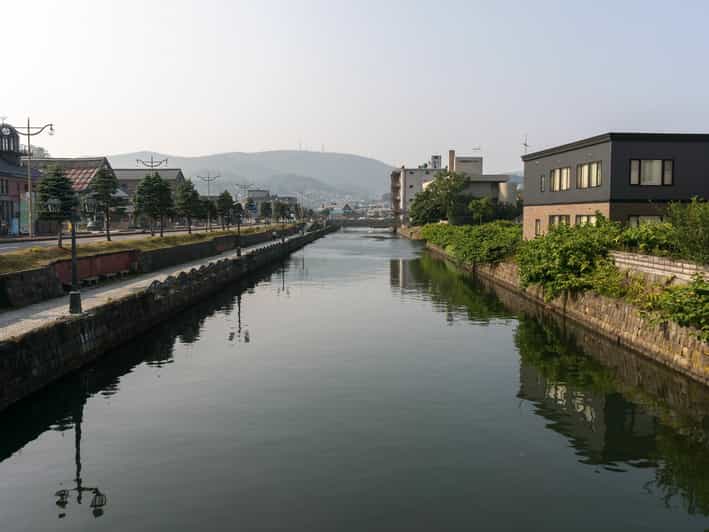
Otaru’s canal and its old port setting
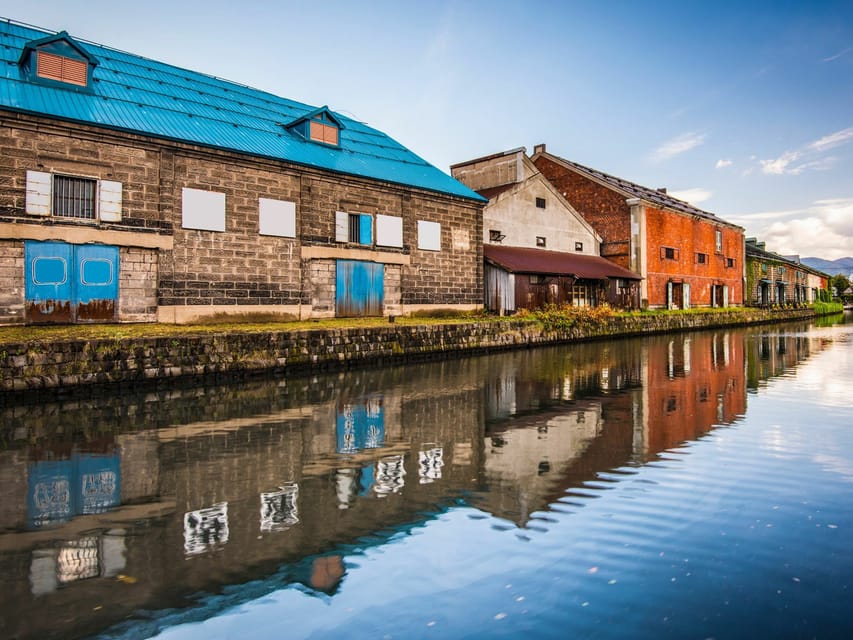
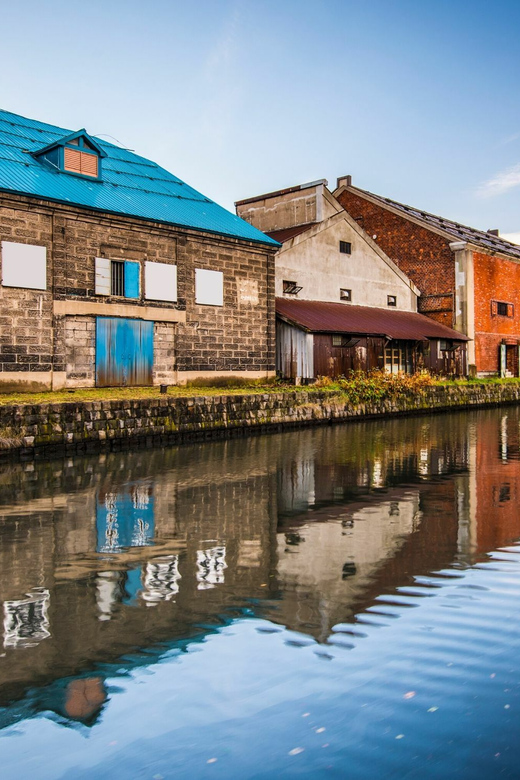
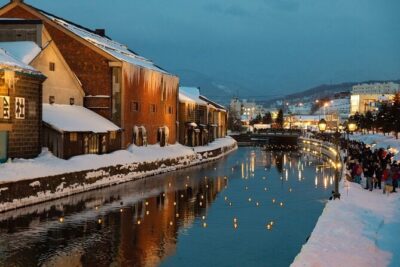
The canal is the natural starting point for understanding Otaru. It follows the edge of Ishikari Bay and is lined with old warehouses that once supported the city’s port trade. Many now hold cafes, antique shops, and other businesses.
The canal paths are easy to pair with the central shopping streets. In the early evening, oil lamps give the water and stone walkways a soft glow. If you visit during a winter festival period, snow can make the scene especially striking, although cold weather also means slippery paths and a need for warm clothing.
You may also choose a canal cruise for another view. The cruise is not included, so ask your guide about the timing and extra cost before committing. With only six hours, a cruise can be worthwhile if you enjoy seeing a city from the water, but it will reduce time for shops, food, and museums.
The canal can feel picturesque rather than deeply active. That is part of its charm, but you should not expect a large working harbor experience at every turn. The appeal lies in the preserved buildings, the lamps, and the link between the water and Otaru’s former merchant economy.
Sakaimachi-dōri and the craft shops
Sakaimachi-dōri is the main street for browsing. Its preserved western-style buildings recall Otaru’s late 19th-century growth as a powerful port city. Today, the street is known for shops, sweets, crafts, and souvenirs.
This is where a private guide can save you from wandering without a plan. You can tell your host if you care more about locally made objects than general shopping. The glass shops are especially important because Otaru has a strong glass-blowing tradition.
At local glass stores, you might find delicate tableware, ornaments, lamps, and other handmade pieces. The exact shops depend on your guide and your interests. If you want to buy something fragile, remember that you will still have to carry it back to Sapporo and onward through the rest of your trip.
The craft focus received strong attention from people who visited with guides Karen and Ryuki. One day included glass shops run by local artists and Japanese-made music boxes. Another paired handmade glass with excellent fried chicken and the Snow Path Festival. These examples show how the tour can work for shoppers who want more than mass-produced souvenirs.
You should also make room for the simple pleasure of looking. Otaru’s streets are compact enough to explore on foot, but six hours passes quickly once you add meals, stops, and transport.
Nichigin-dōri, the North’s former Wall Street
Just off Sakaimachi-dōri, Nichigin-dōri offers a different view of the city. Its old nickname, the Wall Street of the North, reflects Otaru’s former role as a major financial and trading center in northern Japan.
The street is less about one big attraction and more about the buildings. Look up at the facades and consider how different they are from the temples and shrines that shape many first-time Japan itineraries. Otaru gives you a look at Japanese commercial history, with western architectural influence and port connections at the center.
This part of the walk works best when your guide adds context. Without explanation, you might see a pleasant old street and move on. With a local host, you can better understand why this small city once mattered so much to Hokkaido’s trade.
That is one reason I would choose this tour over a simple self-guided train ride if you have limited time. You can still explore independently, but the guide gives the streets a clearer story.
Glass, music boxes, and choosing your main interest
Otaru offers two signature shopping and museum themes: glass and music boxes. You can focus on one or divide your time between both.
The Otaru Music Box Museum holds a collection of about 25,000 music boxes. You can browse finished pieces or customize a new one. This is a good stop if you want a small, easy-to-pack souvenir with a clear connection to the town.
The music-box experience is more playful than historical. It suits families, couples, and anyone who enjoys small decorative objects. It can also become crowded and commercial in tone, so you may prefer the glass studios if you want a stronger connection with individual makers.
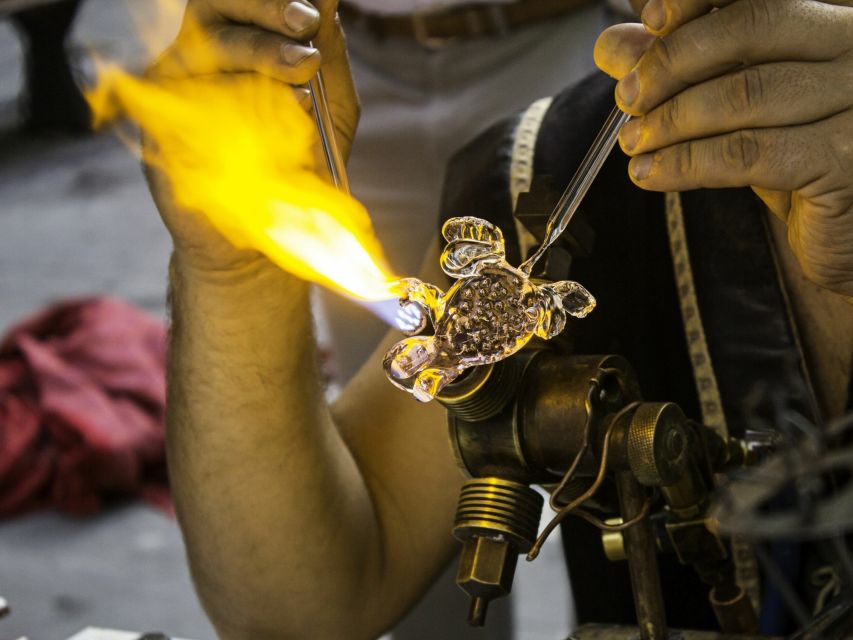
The glass shops offer a more hands-on craft identity. You can look for intricate souvenirs and compare the work of local artists. The supplied tour details do not promise a glass-blowing class, so do not book expecting to make an object yourself. The point is seeing and buying the craft.
Before the day begins, tell your guide which matters more to you. A private tour is most valuable when you make that choice early. If you want both the music boxes and glass, your guide can help set a realistic order around walking, food, and any optional visit.
A few more Otaru tours and experiences worth a look




Ice cream, sake, beer, and a taste of Otaru
Food is part of the fun here, but the price does not cover all meals and drinks. You may try unusual ice-cream flavors, including squid ink. It is a memorable novelty, though not a required test of courage. If the flavor sounds too strange, you can simply choose something else.
The tour also points you toward Otaru Brewery’s Bavarian-style beer hall. Freshly brewed draft beer gives you a chance to pause in a warm, social setting. Beer hall visits add time and cost, so they make more sense if you enjoy local drinks and are willing to trade some shopping time for a sit-down break.
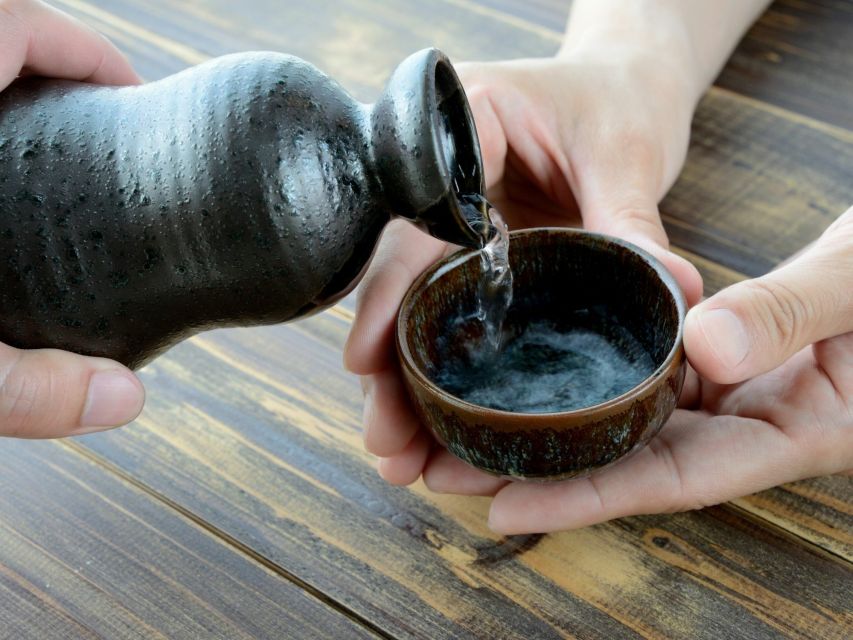
Tanaka Sake Brewery offers another route. You can sample sake there before returning to Sapporo. One glass of sake, beer, or a soft drink is included and selected by your host, but additional drinks are not. That included drink is a modest benefit, not a full tasting program.
I would tell your guide about dietary needs and drink preferences at the start. The supplied details do not specify a full meal, so plan on paying for lunch or snacks yourself. One of the strongest food details from the tour experiences was fried chicken, which suggests your host may know good casual options, but the exact meal is not guaranteed.
What the six-hour schedule feels like

Six hours sounds generous until you count the train rides. The duration includes your journey from Sapporo to Otaru and back, leaving roughly five hours or less for the town depending on the start time and stops.
A sensible day might include:
- The train from Sapporo to Otaru
- A guided walk by the canal and old warehouses
- Sakaimachi-dōri and Nichigin-dōri
- One main craft stop, such as glass or music boxes
- Time for a snack, meal, brewery, or sake
- A return train to Sapporo
This is enough for a strong first look, but not enough for every museum, shop, cruise, and food stop. Do not arrive with a checklist of the entire city. Choose your priorities.
The private group format helps if you walk at a different pace from other people, need regular breaks, or want to stop for photographs. Wheelchair access is available, but Otaru’s historic streets and individual shops can vary. Ask your host about the route and specific stops if accessibility is important to you.
If you need transport within Otaru, your host can suggest public transport or a private taxi. Any additional transport costs are yours. The central sightseeing area is suited to walking, but an extra ride could matter if you want to reach a stop outside the main route.
Guides and the value of personal attention

The guide can make or break a private experience, and this tour gives you a chance to be matched according to your interests. English and Japanese are available.
The strongest guide experiences attached to this tour include Toru, Karen, Ryuki, Akihiro, and Emilio. Toru’s style was highly conversational and focused on less familiar parts of Otaru. Karen combined local food, crafts, and seasonal sights, then offered ideas for exploring beyond Sapporo’s most visited areas. Ryuki handled glass shops and Japanese-made music boxes, and Akihiro was described as friendly, helpful, and informative.
You should treat named guides as examples, not a promise that one of them will lead your day. The actual match depends on availability. Still, the range of guide styles is useful: you can ask for a craft-focused day, a food-focused outing, or a quieter walk through the old streets.
A private guide also gives you someone to ask practical questions. You can get help deciding between a canal cruise and more walking, learn where to spend your included drink, and adjust the pace if the weather changes.
Is $191 per person fair value?
At $191 per person, this is not the cheapest way to visit Otaru. The train ride itself is simple, and many of the streets and canal views can be seen without a ticket.
You are paying for the private guide, hotel pickup from central Sapporo, return train tickets, six hours of guide time including travel, and a personalized route. One sake, beer, or soft drink is included. Attractions, extra food, additional drinks, and extra transport are not.
The price makes the most sense for two or more people who value convenience and conversation. It is also easier to justify if you want a custom day, have limited time in Hokkaido, or feel unsure about navigating a Japanese city. Solo visitors pay the same per-person rate, so the cost feels heavier when there is no one to share it with.
A self-guided trip will cost less, but you will need to plan your route, choose shops, manage timing, and decide how to fit in food. If those tasks sound enjoyable, save the money and go independently. If you would rather have a local person adjust the day around you, the private format has real value.
Who should book this Otaru trip?
I would recommend it to couples, families, and small private groups who want a relaxed introduction to Otaru. It is especially well suited to people interested in local glass, music boxes, Japanese commercial architecture, sake, or regional food.
It also fits visitors who have already seen Sapporo’s main sights and want a change of setting without a long journey. Winter visitors may find the snow-covered streets and Snow Path Festival especially memorable, while summer visitors should have an easier time walking between stops.
I would think twice if your main goal is to visit many paid attractions. Tickets are extra, and six hours including train travel limits how much you can fit in. I would also skip it if you prefer total independence or are happy to follow a self-planned shopping route.
The 4.8 rating from 13 bookings points to a strong overall record, but the small number means you should focus on fit rather than treat the rating as a guarantee. Ask for the sort of guide and pace you want. That is where this experience earns its price.
Should you book it?
Book this tour if you want Otaru explained by a local person, not just photographed from the canal path. The best reasons are the private itinerary, the easy train connection, and the chance to focus on glass, music boxes, food, or sake.
Skip it if you only want a quick canal walk and a few shops. You can do that for much less. For everyone else, especially visitors who want personal help shaping a short day in Hokkaido, this is a practical and enjoyable way to see a side of Japan that feels quite different from the usual temple route.
FAQ
How long is the trip from Sapporo to Otaru?
The train ride takes about 30 minutes each way. The full experience lasts six hours, including travel time.
Is the tour private?
Yes. It is a private group experience with a personalized route and a guide matched to your interests.
Where does the tour meet?
The stated meeting point is in front of the tourist information center at JR Sapporo Station. Hotel pickup is available from central Sapporo, so confirm the exact pickup arrangement when booking.
Are train tickets included?
Yes. Return train tickets from Sapporo to Otaru are included.
Are attraction tickets included?
No. Tickets for attractions, such as a canal cruise or other paid visits, are not included.
What food and drinks are included?
One glass of sake, beer, or a soft drink is included and selected by your host. Additional food and drinks cost extra.
Is the tour wheelchair accessible?
Yes, the activity is listed as wheelchair accessible. If you need a particular route or specific shop to be accessible, ask your host in advance.
More Private Tours in Otaru
More Otaru Day Trips in Otaru
More Sapporo City Tours in Otaru
More tours in Otaru we've reviewed
Otaru Day Trips, compared.
 ★ 5.0Otaru Rickshaw TourFrom $42
 ★ 3.5Hokkaido Noboribetsu Lake Toya, Otaru Panoramic Tour From SapporoFrom $120
 ★ 4.9Sapporo: Otaru Asarigawa Ski Resort Day Trip with GearFrom $1859 hours
 ★ 5.0[Otaru & Yoichi] Let’s go to Otaru Canal, Sakaimachi Street, Music Box Hall, and Yoichi Nikka Whiskey by private car (arriving and departing from Sapporo)From $372
 ★ 4.4Hokkaido, Sappro, Otaru & Cape Kamui One-day TourFrom $66
 ★ 4.5Otaru 4hr Private Trip with Government-Licensed GuideFrom $108
 ★ 5.0Otaru 6hr Private Trip with Government-Licensed GuideFrom $153
 ★ 5.0Sea Kayaking Tour – Otaru Coastal AdventureFrom $97
Browse the lists this tour appears in