
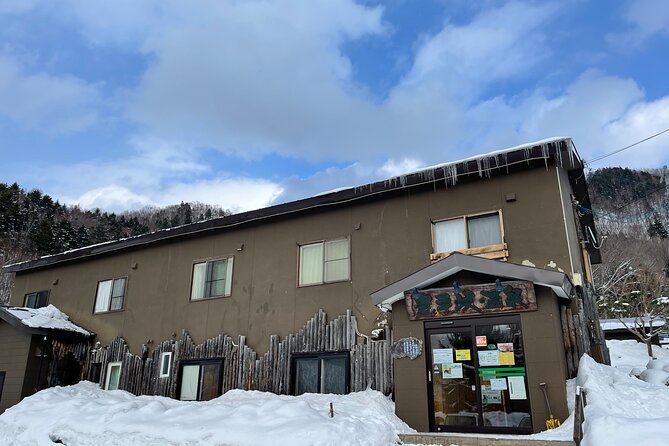
Reviewed · SPA & HOT SPRINGS
Enjoy snow-covered hot springs with private transport
The best part of this Sapporo outing is the chance to sit in natural hot spring water while snow falls around you. Hoheikyo Onsen lies outside the city, so the private taxi matters: you can leave the snowy roads to someone else and focus on the bath.
I like the small maximum group of four, which keeps the transfer more personal, and I like that bathing fees, private transport, taxes, and insurance are included. The main drawback is the short two-hour visit, especially since transfer times vary with traffic and road conditions.
Key points
- Snow beside the bath: Hoheikyo Onsen gives you a winter setting that a city spa cannot match.
- 100% natural water: The sodium calcium bicarbonate chloride spring comes directly from its source.
- Private taxi pickup: You avoid driving on snow-covered roads outside Sapporo.
- Small group size: The tour accepts no more than four people.
- Food on site: You can buy local specialties such as curry and soba noodles.
- Bring your own towels: Bath towels cost 520 yen and face towels cost 220 yen if you do not pack them.
Why Hoheikyo Onsen makes a good winter escape
Sapporo is famous for winter, but city sightseeing does not always give you the quiet snow experience you came for. Hoheikyo Onsen changes the pace. You leave the urban setting, ride toward the hot spring area, and spend your time in warm water with snow-covered scenery around you.
That contrast is the reason to book this outing. The bath itself is important, but the setting does much of the work. Cold air, white ground, and hot spring water make a simple soak feel like a proper Hokkaido memory.
Hoheikyo Onsen uses a sodium calcium bicarbonate chloride natural hot spring. The water is described as 100% natural because it comes directly from the source, rather than being artificially heated or mixed. It is also known locally as beautiful skin water, a name linked to the smooth, fresh, moisturized feeling it can leave on your skin.
You should treat that description as a pleasant feature, not a medical promise. The real value is straightforward: you get time in genuine spring water, in a snowy setting, without having to work out a complicated route from Sapporo.
Other private tours in Sapporo
The private taxi takes the stress out of winter travel
Hoheikyo Onsen is not right in central Sapporo. That distance is part of its appeal, but it can also make the outing awkward if you are unfamiliar with local transport or uncomfortable driving in snow.
This plan includes private transfer, so you do not need to rent a car or manage snow-covered roads yourself. Pickup is offered, and the group is limited to four people. That is a useful arrangement for a couple, a family, or a small group of friends who want to travel together without joining a large coach.
The transfer time is approximate. Traffic and the time of day can change the journey, and winter road conditions are an obvious factor. Keep that in mind when planning the rest of your day. Do not book a tightly timed dinner, train, or flight immediately after the stated two-hour outing.
The private ride also gives the trip a calm beginning and end. One booking detail worth noting is that the driver may speak only a little English. A previous booking included a driver who arrived prepared with translation support, which helped make communication easier. You should still have your pickup details available on your phone and confirm the meeting point clearly.
What your two hours at the onsen are really for
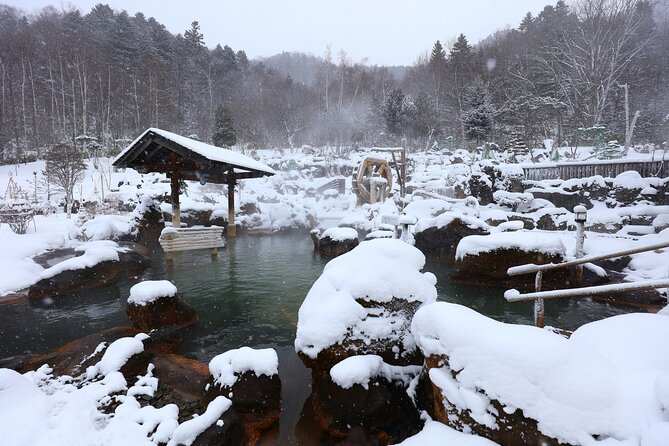
The listed duration is about two hours, with the main activity being a bath at Hoheikyo Onsen. This is not a full-day resort visit with a long list of guided stops. It is a focused hot spring break.
That short format can work well in Sapporo. You get a distinct winter outing without giving up an entire day. The private taxi takes you to the onsen, you have time to enjoy the facilities and eat if you wish, and then you return.
Still, two hours passes quickly. You need to allow time for changing, bathing, and any food stop. If you are hoping for a slow meal, a long rest, and repeated visits to the baths, the schedule may feel tight. The tour is best for a refreshing soak rather than an all-day spa retreat.
The most memorable moment may come from the weather itself. Snowfall during the bath is possible, and that is the scene many people hope for when they picture a Hokkaido onsen. You cannot order fresh snow, of course, but the winter setting gives the visit its character.
A closer look at the natural spring water
Hoheikyo’s water is classified as sodium calcium bicarbonate chloride spring water. For you, the technical label matters less than the fact that the water is natural and comes from the source.
The bath is not simply a heated swimming pool placed beside a snowy view. The water’s mineral content and warm temperature are part of the traditional appeal of Japanese hot springs. The beautiful skin water nickname also gives you an idea of how the spring is presented: gentle, refreshing, and suited to a relaxing soak.
You should remember that Japanese hot springs are bathing facilities, not swimming pools. The purpose is to wash and relax, not to splash around or rush through the water. The supplied information does not spell out every bathing rule, so follow the signs and staff instructions at the facility.
If this is your first onsen visit, the simplest plan is to arrive ready to take your time, pay attention to the facility’s instructions, and keep the focus on quiet bathing. The private transfer means you do not need to worry about getting back behind the wheel while relaxed and warm.
Curry and soba make the stop more useful
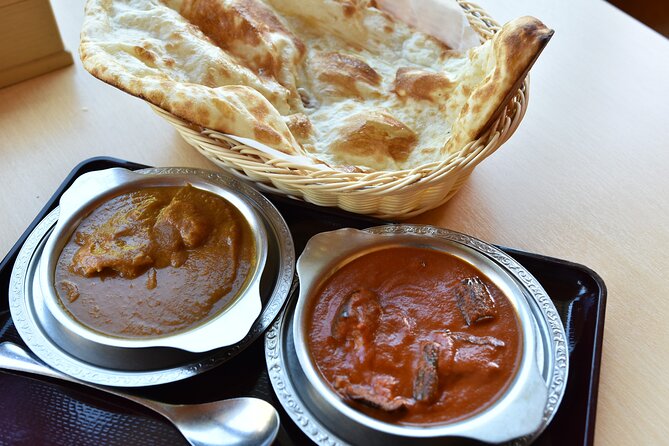
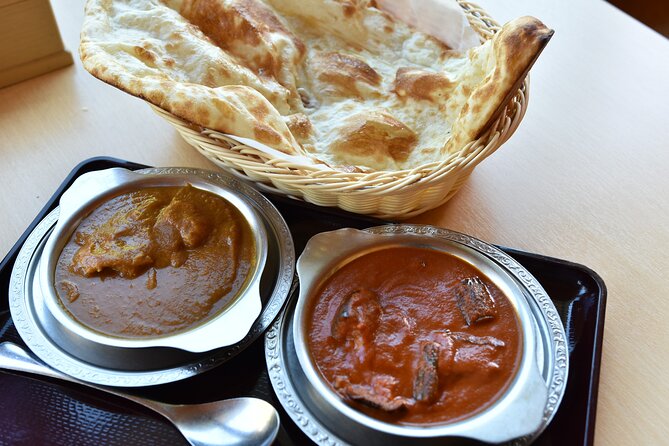
The onsen visit is not limited to bathing. You can also buy local specialties such as curry and soba noodles.
That matters because a hot spring outing can leave you ready for something warm to eat. Having food available at the site means you do not need to build a separate restaurant stop into the plan. It also gives you a chance to try familiar Japanese comfort food in the same place as the bath.
Meals are not included, so budget for them separately. The same applies to personal expenses. You may want to keep the meal simple if your two-hour window is tight, or choose to focus on bathing and eat elsewhere later.
Curry and soba offer different kinds of comfort. Curry is hearty and filling, while soba is lighter and practical after a soak. Since the supplied details do not list menus or prices, you should not count on a particular dish being available at a particular cost. The useful point is that food is available as an optional part of the visit.
A few more Sapporo tours and experiences worth a look

Towels are the small cost worth planning for
Bathing fees are included, but towels are not. A bath towel costs 520 yen, and a face towel costs 220 yen. You can bring your own towels instead.
This is easy to overlook when comparing the price of the tour. Pack towels if your luggage and hotel plans make that practical. If not, the extra cost is clear and modest, but you should carry enough Japanese yen or be prepared to pay according to the facility’s arrangements.
Personal expenses and meals are also excluded. The included package covers the core costs: bathing, private transfer, taxes, and insurance. It does not cover every purchase you might make during the visit.
That split is reasonable for a short outing. You pay for the important transport and entry costs upfront, then choose how much to spend on food and towels. It also lets you keep the visit inexpensive if you already have towels and do not want a meal at the onsen.
Is $123.15 a fair price?
At $123.15 per person, this is not the cheapest way to visit a Japanese hot spring. The price makes more sense when you look at what it removes from your day.
You are paying for private transport from Sapporo, bathing fees, taxes, and insurance. With a maximum of four people, the price may feel more reasonable for a small group than for one person traveling alone. A group of friends or a family can share the private ride while keeping the outing convenient.
The value is strongest in winter. Driving on snow-covered roads can turn a relaxing plan into a stressful one, and finding the route by public transport may take more time and effort than you want to spend. The taxi is not just a ride from one point to another. It is the practical feature that makes this out-of-town bath easy to fit into a Sapporo visit.
For a solo visitor, the cost deserves closer thought. If you are comfortable handling public transportation and do not mind a longer route, you may prefer to arrange a hot spring visit independently. If avoiding winter driving and complicated connections matters most, the private pickup can justify the premium.
The experience is booked an average of 24 days in advance, which suggests you should plan ahead rather than wait until the last minute. Confirmation arrives within 48 hours, subject to availability.
Who will enjoy this onsen outing most
I would choose this for someone who wants one memorable winter activity outside central Sapporo, not for someone seeking a packed sightseeing day.
It suits:
- Couples who want a quiet shared outing
- Families who prefer private transport
- Small groups of up to four people
- First-time visitors who do not want to drive in snow
- Onsen fans looking for a natural hot spring setting
- Visitors who value convenience more than the lowest possible price
Children can participate, but they must be accompanied by an adult. The information says most people can take part, so this is broadly accessible as an activity, though the bathing experience itself may not suit every personal preference or health situation.
It may be less suitable if you dislike shared bathing facilities, want a long spa session, or need a highly structured English-speaking guide. The driver may speak only limited English, and there is no named guide provided for this plan. Translation support may be available, but you should not treat this as a guided cultural tour with lengthy explanations.
How to plan the day without rushing
Give yourself breathing room before pickup. Have your phone charged, keep the booking details ready, and make sure everyone in your group knows the pickup arrangement. Since traffic affects transfer times, a relaxed schedule will make the outing more enjoyable.
Wear clothing that is easy to change out of and back into. You will want warm layers for the ride and for time outside the bathing area, but the supplied information does not specify a dress code or equipment list beyond towels.
Bring towels if you prefer to avoid rental costs. If you do not bring them, plan on 520 yen for a bath towel and 220 yen for a face towel. You should also keep money available for curry, soba, or other personal purchases.
The visit is simple by design. You are not expected to manage several stops or keep up with a large group. Use the two hours for the bath first, then fit in food if time allows. This approach protects the main reason you came.
Cancellation rules need attention
The refund policy is generous only if you make changes early. You can cancel at least six full days before the experience start time for a full refund.
Canceling two to six full days before the start time brings a 50% refund. Cancellations made less than two full days before the experience are not refunded, and changes in that final period are not accepted.
The cut-off follows local time. Winter weather and personal schedules can change, so check your plans before booking. Do not assume you can make a late adjustment without losing some or all of the payment.
Should you book Hoheikyo Onsen?
Book this if you want a snowy hot spring setting with private door-to-door transport and you value ease over the lowest price. The natural spring water, small group size, and chance of bathing while snow falls give the outing a clear sense of place.
I would be more cautious if you are traveling alone on a tight budget, have only two hours to spare, or want a fully guided experience in English. The outing is short, food and towels cost extra, and transfer times can change with traffic.
For the right person, this is a smart winter add-on to a Sapporo stay. You get out of the city, avoid icy driving, and spend your time on the part that matters: warm water, cold air, and Hokkaido snow nearby.
FAQ
How long does the Hoheikyo Onsen experience last?
The experience lasts approximately two hours. Transfer times are approximate and can change based on traffic and the time of day.
Is private transportation included?
Yes. The package includes private transfer and pickup is offered.
How many people can join the tour?
The maximum group size is four people.
Are bathing fees included?
Yes. Bathing fees, taxes, insurance, and private transfer are included.
Are towels included?
No. You can bring your own towels, or pay 520 yen for a bath towel and 220 yen for a face towel.
Are meals included?
No. Meals are not included. Curry and soba noodles are available as local specialties you can purchase at the onsen.
What is the cancellation policy?
Cancel at least six full days before the start time for a full refund. Cancel two to six full days before the start time for a 50% refund. Cancellations less than two full days before the experience are not refunded.
More Spa & Hot Springs in Sapporo
More Winter Activities in Sapporo
More Private Tours in Sapporo
More tours in Sapporo we've reviewed
Spa & Hot Springs, compared.
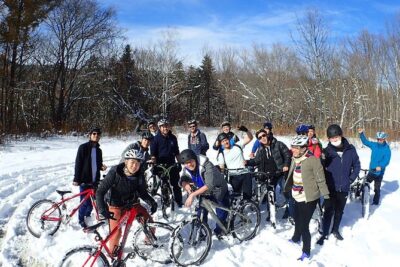 ★ 4.5Mountain Bike Tour from Sapporo Including Hoheikyo Onsen and LunchFrom $71
 ★ 5.0Snowshoeing and Onsen Adventures in a Winter Wonderland -Sapporo.From $224
 ★ 4.5Autumn Leaves in AutumnSkiing in winterLet’s go to Hoheikyo Onsen by private car (from Sapporo)From $415
 ★ 5.0Sapporo Private Sightseeing Tour in Onsen with Special PackageFrom $201
 ★ 5.0Green Season Half Day Hikes in Sapporo and Hokkaido with OnsenFrom $195
 ★ 5.0Full Day Green Season Hiking in Sapporo and Hokkaido with onsen.From $249
 ★ 5.0Oyunuma Hot Spring Pond Winter Panorama TourFrom $412 hours
Browse the lists this tour appears in