
Reviewed · OTARU DAY TRIPS
Otaru 4hr Private Trip with Government-Licensed Guide
Otaru’s appeal is not hard to find, but a good guide helps you understand what you’re seeing. This private four-hour tour lets you choose two or three sights, then adds local context to the canal, old commercial buildings, sake brewing, shops, food, and hillside views.
I like the one-group-only format, which gives you room to ask questions and adjust the pace. I also like the choice of guides, including Kazuo Sumi, Roy Aoki, Kumiko, Teri, and Kenji, who have helped visitors connect Otaru’s past with its present. The main catch is simple: this is a walking tour, not a private-car tour, and entrance fees and transport cost extra.
Key points to know before booking
- Choose only two or three sights: You will need to prioritize rather than attempt every stop.
- Meet on foot in Otaru: Pickup is offered within a designated area, but no private vehicle is included.
- The canal is free: Otaru Canal works well as an easy starting point and orientation stop.
- Sake, sweets, and sushi fit naturally: Tanaka Sake Brewing and Sakaimachi Street give the tour a strong food-and-shopping side.
- Mt. Tengu changes the pace: The ropeway and ski museum offer a hilltop option, but transport and timing matter.
- Private means personal attention: Only your group takes part, useful for families, older relatives, and anyone who wants a flexible pace.
Why a private four-hour tour works well in Otaru
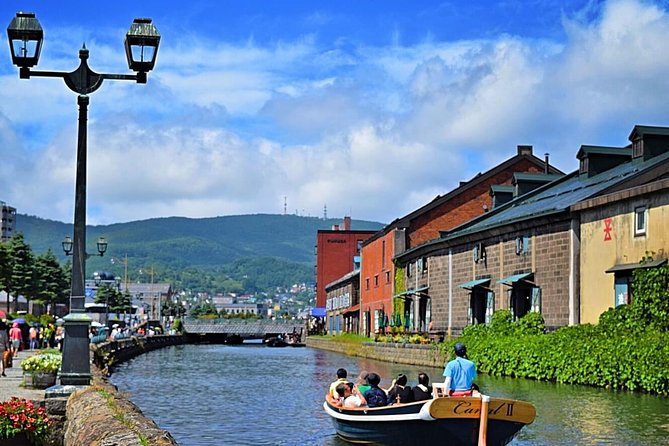
Otaru is compact enough to explore on foot, yet its sights tell different stories. The canal points to trade and shipping. Sakaimachi Street brings in food, sweets, and shopping. The old bank and commercial buildings show the town’s early twentieth-century growth, while a sake brewery offers a look at an older Japanese craft.
That mix is where this tour earns its price. At $108.38 per person, it is not the cheapest way to stroll beside the canal. You are paying for a licensed local English-speaking guide and a private schedule, not for a long list of included admissions or a vehicle.
I think the value improves when you have a clear aim. If you want help with Otaru’s history, a family-friendly pace, or advice on which two or three places fit your interests, the private format can save time. If you simply want to photograph the canal and browse shops, you can see much of central Otaru without a guide.
The tour runs for about four hours. That is enough time for a focused half-day, but not enough to do every suggested stop properly. The best plan is to pick one main historical or cultural site, one food or shopping area, and the canal, unless you choose Mt. Tengu, which may take more of your available time.
A few more Otaru tours and experiences worth a look

Starting beside the Otaru Canal
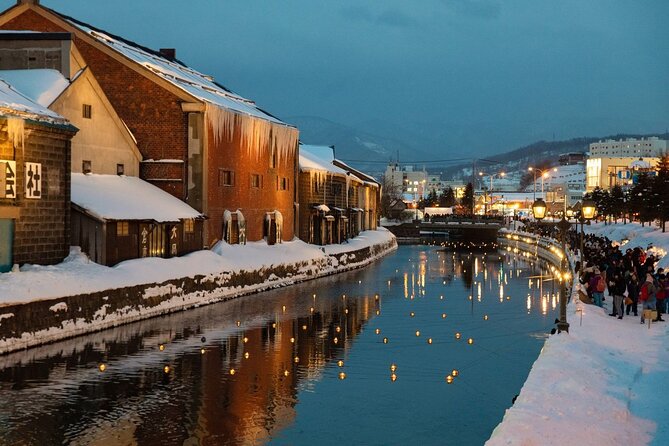
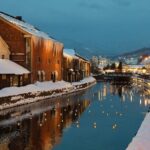
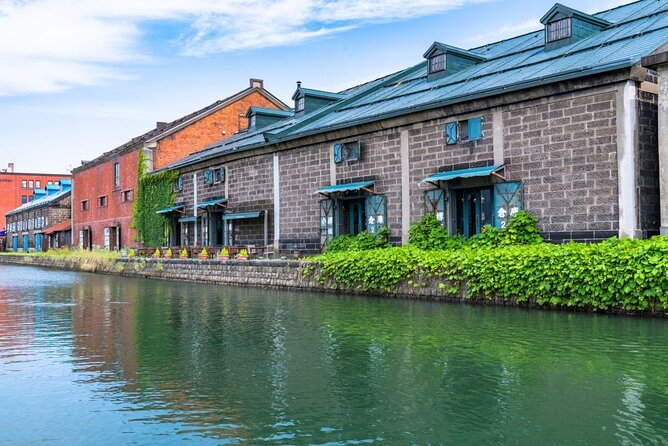
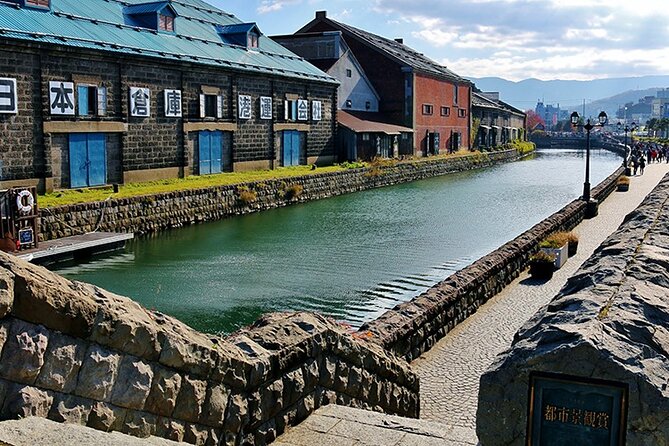
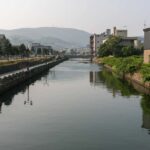
The Otaru Canal is the natural first stop. This broad waterway once served as a distribution route for goods arriving in Hokkaido, when Otaru was a major commercial center with a population that even exceeded Sapporo’s at one point.
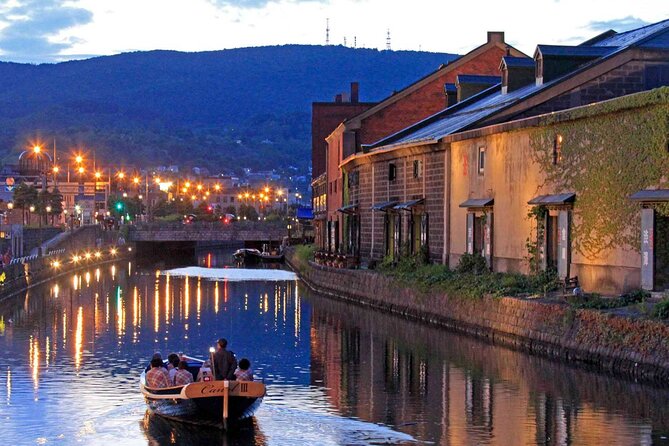
Today, the canal is lined with historic warehouses and a promenade. The free admission makes it a smart anchor for the tour, and you can enjoy it without spending part of your admission budget. Your guide can explain how the canal supported trade and why Otaru developed its distinctive old-town character.
I like beginning here because it gives you a physical sense of the town before you enter museums or shops. You are not just looking at old buildings. You are seeing the route that helped move goods through Otaru.
The canal itself is easy to combine with Sakaimachi Street and the Otaru Art Base. These central areas are close enough to make a walking-focused tour practical, though your precise route depends on the meeting point and the choices you make.
Do not expect the canal to fill four hours. It is best used as an introduction, photo stop, and history lesson before moving on. If you want a tour built around scenery alone, ask for extra time here. If you want a broader understanding of Otaru, pair it with one of the indoor attractions.
Otaru Art Base and the town’s old buildings
The Otaru Art Base occupies historic early twentieth-century buildings across Rinkosen Street from the canal. Otaru has reused many of its old commercial structures for tourism, and this site gives you a chance to step indoors and see how the town’s architectural past is being presented today.
A planned visit lasts about an hour. Admission is not included, so you should allow for an extra fee if you select it. The guide’s entry fee is covered only for sights listed in the tour details, while your own admission charges remain your responsibility.
This stop suits you if you want more than an outdoor walk. It also works well in poor weather. One particularly useful detail comes from the way guides handle the visit: Kazuo Sumi helped an older couple take their time while explaining the art. That suggests the private format can be a real advantage for families with elderly relatives or anyone who prefers not to rush through exhibits.
I would pair Otaru Art Base with the canal rather than with too many other museums. One hour indoors, followed by a walk and a food stop, gives the afternoon a comfortable shape. Adding several paid sights can make the tour feel hurried.
The exact art displays and buildings you see can depend on the selected route. Ask your guide what is open and what best matches your interests before committing to this stop.
Sakaimachi Street for sweets, shops, and lunch
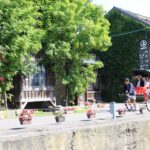
Sakaimachi Street runs inland from Rinkosen Street, parallel to the canal. This is where the tour shifts from civic history to the pleasures of a Japanese port town: food, sweets, shopping, and short stops in old commercial buildings.
You can spend about an hour here, though food and shopping naturally make the timing flexible. The tour does not include lunch or personal purchases, but this is the easiest place to add your own meal or snacks. One account of the tour included sushi and other local food, while another described a half-day route with a pleasant sushi lunch.
I like this stop because it keeps the experience from becoming a string of historical explanations. You can ask your guide where to pause, what local products are worth your time, and how to fit food into the remaining schedule. You may find sweets shops, glass-related shopping, restaurants, and other goods associated with Otaru’s visitor-friendly center.
The drawback is that shopping streets can absorb time quickly. If you stop at every shop, you may lose the chance to visit a brewery or hilltop viewpoint. Tell the guide in advance if lunch is a priority, especially if your group includes people who need a seated break.
Sakaimachi Street is also a good choice for mixed-interest groups. One person can focus on food, another on shops, and the guide can connect the street’s modern activity to the older buildings around it. That range makes it more useful than a short photo stop.
Tanaka Sake Brewing Kikkogura
Tanaka Sake Brewing Kikkogura brings a different side of Otaru into view. The town is often associated with its Western-style buildings and glass crafts, but sake brewing connects it to a much older Japanese tradition.
The suggested visit takes about an hour, and admission is not included. The tour information does not promise a tasting, a particular production schedule, or a set of demonstrations, so you should treat this as a cultural stop rather than book it expecting a specific brewery program.
I would choose Kikkogura if you are curious about Japanese food culture or want a break from the canal-and-shopping circuit. A guide can give meaning to the brewing site and explain why sake belongs in Otaru’s story, not just in a tasting itinerary.
This stop pairs especially well with Sakaimachi Street. You get a clear food thread through the afternoon, with traditional brewing followed by sweets, restaurants, or sushi. It may be less appealing if your main goal is art or panoramic scenery.
One practical point matters here: four hours goes quickly. If you select the brewery, the canal, and Sakaimachi Street, you have already built a full half-day. Adding Otaru Art Base would leave little room for an unhurried meal.
Other guided tours in Otaru

Mt. Tengu Ropeway and Ski Museum
Mt. Tengu offers the biggest change in scenery. From the mountain, you can look over Otaru and toward the Sea of Japan. The ropeway and ski museum are listed as a one-hour stop, and the mountain is described as about 15 minutes by car from the Otaru interchange.
That travel detail is important. This tour does not include a private vehicle. You can pay to use public transport, but the time and cost need to be handled by your group. A mountain visit may therefore work better when it is the main feature of the tour, rather than a last-minute addition after a long walk through central Otaru.
I would choose Mt. Tengu on a clear day when views matter most. The ropeway adds a scenic element that the canal and historic streets cannot provide, while the ski museum gives the stop a specific cultural focus.
The tradeoff is coverage. Choosing the mountain may mean giving up either the brewery or the art base. Weather also matters, though the tour can still be worthwhile in rain if your priority is the guide’s local knowledge and indoor stops. One account described cold, wet weather making walking uncomfortable, yet the guide helped turn the day around through conversation and explanations.
Ask about transport before the tour starts. You do not want to discover that a mountain transfer consumes the time you had hoped to spend eating or shopping.
What the guide adds to the day
The strongest reason to book this experience is access to a local interpreter of Otaru, not simply a route between famous places. A government-licensed English-speaking guide can explain what you are looking at, answer questions, and adjust the pace to your group.
The guides named in the available material include Kazuo Sumi, Roy Aoki, Kumiko, Teri, and Kenji. Their strengths vary by personality, but the pattern is clear: history, culture, food, and local conversation are central to the experience.
Roy Aoki focused on both Otaru’s past and its current life. That balance matters because Otaru is not only an old canal town preserved for sightseeing. It is also a living city with restaurants, shopping streets, working businesses, and residents.
Kumiko handled difficult weather with patience and conversation. That is useful to remember when you visit Hokkaido outside the mildest months. A walking tour can feel very different when rain arrives and the temperature drops, so a private guide who can adapt the plan is worth more than a rigid schedule.
Teri led a route that included a sake brewery, an old bank, a town walk, and sushi. This shows how the four hours can be shaped around a few connected interests rather than a fixed checklist.
Kenji’s approach included scenery, culture, and history. If you want a broad introduction, ask for that balance when you meet.
Guide assignment is not guaranteed in advance from the available details, so book with the understanding that the named guides are examples, not a promise of who will lead your group.
Walking, transport, and the real meaning of pickup
Pickup does not mean a private car arriving at your hotel. You meet the guide on foot within a designated Otaru area, and the tour is described as a walking experience.
That is a plus if you want to see central Otaru at street level. It is also a limitation for anyone with mobility concerns or a plan that includes Mt. Tengu. Public transport is available at your expense, while private vehicle service is not part of the tour.
Wear comfortable shoes and keep your route realistic. The canal, Otaru Art Base, and Sakaimachi Street are the easiest combination for a central walking half-day. Tanaka Sake Brewing can fit well if you are comfortable with the added walk or transport required by the exact route.
Most people can participate, and service animals are allowed. Still, the walking format means you should tell the guide about your group’s pace and any need for frequent rests at the start.
Price, group size, and overall value
The listed price is $108.38 per person. For a private tour, that can be reasonable if you are traveling with family or friends and want personal attention rather than a large group route.
The value is strongest when you use the guide well. Come with two or three interests, ask for help shaping the order, and use the time for questions you could not easily answer alone. The price covers the licensed local English-speaking guide and a custom selection of two or three sites, but not transportation, entrance fees, lunch, or personal expenses.
Group discounts may be available, so the per-person cost can work better for a larger private party. You cannot combine separate tour groups, which keeps the format private but prevents unrelated visitors from sharing the fee.
The experience has a 4.6 rating from 20 reviews, with 90 percent recommending it. That is a strong result, but the small sample and one serious service failure deserve attention. One booking had no guide available and was canceled, with a refund promised. If that happens to you, contact the booking company directly if the refund does not arrive.
Free cancellation is available up to 24 hours before the start time. Changes or cancellations inside that window are not accepted for a refund.
Who should book this Otaru experience?
I would recommend it to you if you want a short, private introduction and prefer conversation to wandering without context. It is particularly useful for families, first-time visitors with limited time, and groups that want to combine history with food and shopping.
It also suits older relatives when you tell the guide about pace needs. Kazuo Sumi’s patient handling of an elderly couple shows how the private setup can help, though you should still remember that the tour involves walking.
Choose it if you want to compare Otaru’s canal, old buildings, sake culture, and local shopping in one carefully planned half-day. Choose it less readily if your goal is a full museum day, a dedicated food tour, or a private car excursion.
My preferred plan would be the canal, Sakaimachi Street, and either Otaru Art Base or Tanaka Sake Brewing. I would select Mt. Tengu instead only when the view is a priority and transport has been arranged clearly.
Should you book the four-hour private tour?
Book this tour if you want a guide to connect Otaru’s canal, historic buildings, food, and local culture in a personal setting. The strongest features are the flexible choice of two or three sights, the English-speaking licensed guide, and the ability to slow down for family members or spend more time on subjects that interest you.
Skip it if you are happy exploring central Otaru independently and want to avoid extra costs for admissions, lunch, and transport. You can see the canal and browse Sakaimachi Street without a guide.
For most people who have only half a day, I would book it, but I would decide the route before arrival. Keep Mt. Tengu as a deliberate choice, not an add-on, and tell the guide whether your priority is history, food, art, shopping, or views. That small bit of planning will make the $108.38 feel much better spent.
FAQ
How long does the Otaru private tour last?
The experience lasts approximately four hours.
How many sights can I choose?
You can choose two or three sites from the available highlights.
Is a private car included?
No. The tour does not include a private vehicle. You can use public transport, but transportation fees are your responsibility.
Where do I meet the guide?
You meet the licensed guide on foot within the designated area of Otaru. Pickup is offered on foot.
Are entrance fees included?
No. Entrance fees are not included in the price. Guide entry fees are covered only for sights listed among the tour’s included highlights.
Is lunch included?
No. Lunch and other personal expenses are separate.
Can I cancel for a full refund?
Yes, if you cancel at least 24 hours before the experience start time. Cancellations or changes made less than 24 hours before the start time are not accepted for a refund.
More Private Tours in Otaru
More Guided Tours in Otaru
More Otaru Day Trips in Otaru
More tours in Otaru we've reviewed
Otaru Day Trips, compared.
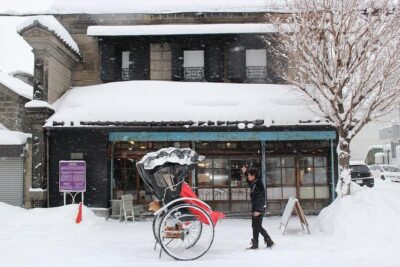 ★ 5.0Otaru Rickshaw TourFrom $42
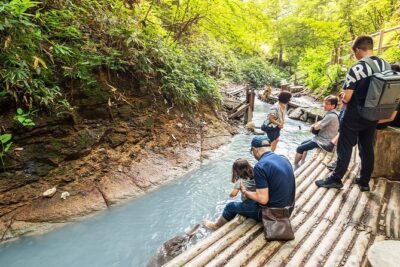 ★ 3.5Hokkaido Noboribetsu Lake Toya, Otaru Panoramic Tour From SapporoFrom $120
 ★ 4.9Sapporo: Otaru Asarigawa Ski Resort Day Trip with GearFrom $1859 hours
 ★ 4.4Hokkaido, Sappro, Otaru & Cape Kamui One-day TourFrom $66
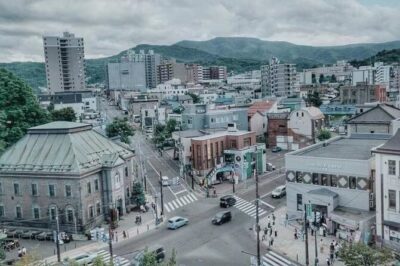 ★ 5.0[Otaru & Yoichi] Let’s go to Otaru Canal, Sakaimachi Street, Music Box Hall, and Yoichi Nikka Whiskey by private car (arriving and departing from Sapporo)From $372
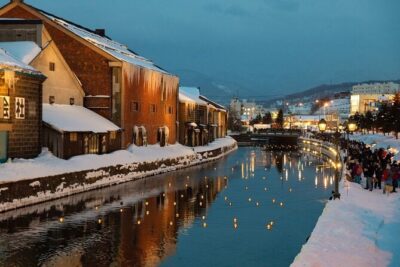 ★ 5.0Otaru 6hr Private Trip with Government-Licensed GuideFrom $153
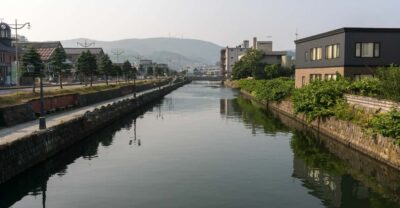 ★ 4.8From Sapporo: Private Day Trip to OtaruFrom $1916 hours
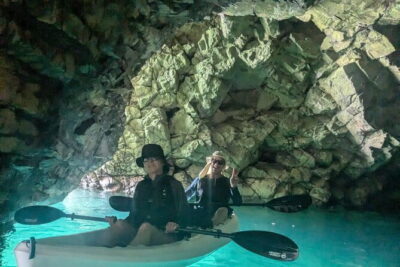 ★ 5.0Sea Kayaking Tour – Otaru Coastal AdventureFrom $97
Browse the lists this tour appears in