
Reviewed · OTARU DAY TRIPS
Otaru: Private Otaru Sightseeing Tour by Rickshaw
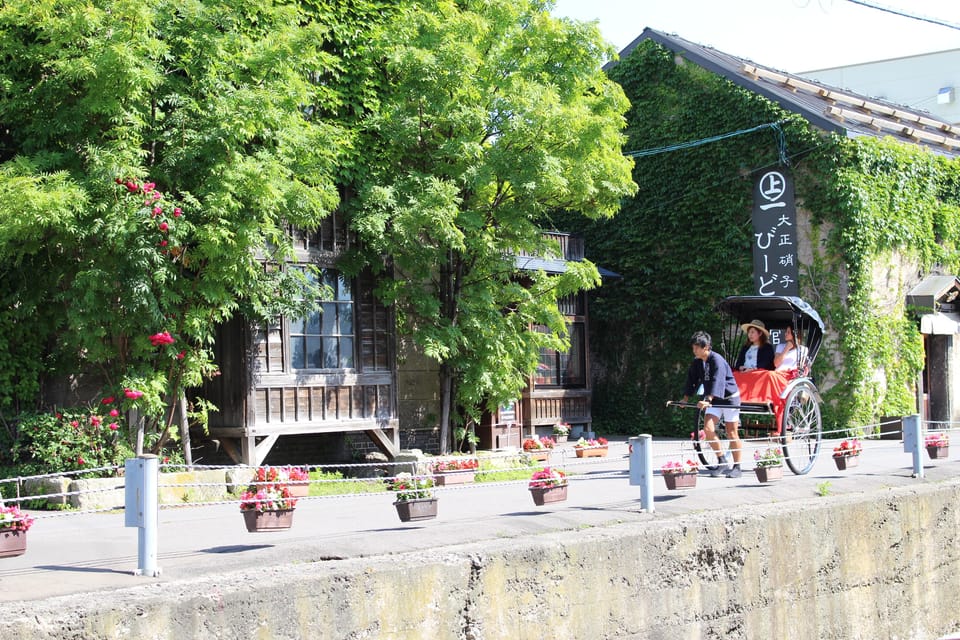
Otaru’s old canal district looks good on foot, but a rickshaw gives you a better view of its historic port streets and lets you cover more ground without rushing. Your guide pedals past canals, piers, stockyards, and old trade buildings while sharing local stories in Japanese.
I like the private format, since your route can begin near Otaru Station or one of the bridges over the central canal. I also like the chance to stop for a commemorative photo, with the rickshaw itself adding a bit of old-world charm. The main consideration is language: the listed guide service is Japanese only, so this suits you best if you are comfortable with that.
Key points
- Private rickshaw ride: Travel with your own party rather than joining a large shared carriage.
- Flexible length: Choose a 30-minute outing or a route lasting up to two hours, depending on availability.
- Classic Otaru views: Pass canals, old piers, stockyards, and trade-era buildings from a raised seat.
- Photo pauses included: Stop at attractive locations for a souvenir picture.
- Seasonal character: Enjoy a summer breeze or ride through snow-covered streets in winter.
- Important seat rule: One rickshaw fits two adults, with a seat width of 74 centimeters.
Seeing Otaru from a higher seat
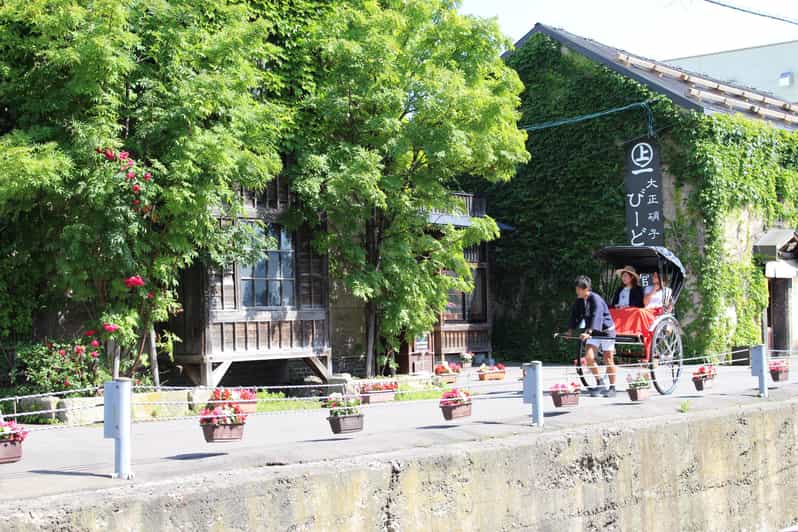
Otaru is easy to explore on foot, especially around the central canal, but walking puts you at street level. From a rickshaw, you sit above the pavement with a clear view of the canal edges, old warehouses, and passing streets. That change in height is small but useful. You can look across the water and up at the facades without having to stop every few steps.
The ride is designed as a custom sightseeing outing. You may begin at the main rickshaw stand, near Otaru Station, or at a bridge over the central canal, depending on the option you book. This matters if you are arriving by train or already spending time beside the canal. Check the meeting point carefully, because it can change with the selected route.
Your guide pedals at a pace that allows sightseeing and conversation. The supplied information describes stops at attractive locations for photographs, though the exact places depend on the route and length you choose. A short ride should give you an introduction to the town. The longer option makes more sense if you want a slower outing with extra time for pictures and local stories.
A few more Otaru tours and experiences worth a look

Following Otaru’s trade-era streets
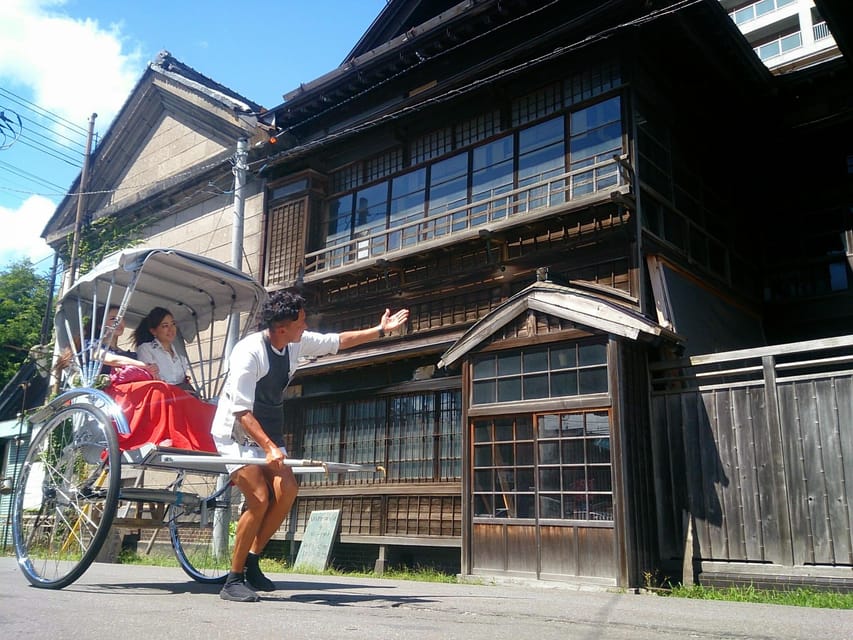
Otaru grew as a port and trade center, and the route brings that past into view through its buildings and waterfront spaces. You pass old stockyards, piers, and canal-side architecture that recall the days when goods moved through the town by ship and warehouse.
I like this approach because you are not simply being taken from one photo stop to another. The guide explains what you are seeing as the rickshaw moves along. That can help you connect the canal, warehouses, and piers as parts of one working port rather than isolated sights.
The experience does not include admission to attractions, so this is primarily a street-level sightseeing ride. You will not be entering museums or paid sites as part of the stated activity. That keeps the ride simple and focused, but you should plan separate visits if you want indoor exhibits or more detailed background on Otaru’s past.
A rickshaw also lets you notice smaller details that are easy to miss when you are concentrating on directions. Your guide may point out architectural features or explain the role of a particular waterfront area. Since the service is Japanese-speaking, ask when booking or before departure about the level of interpretation available to you.
Choosing 30 minutes, one hour, or two hours
The listed duration ranges from 30 minutes to two hours. This broad range is useful, but it means you need to select the ride with care rather than assuming every booking covers the same route.
A 30-minute ride works well if you want a quick introduction after arriving by train. It can also fit neatly between other plans, especially if you mainly want a canal view and a few photos. The tradeoff is limited time for pauses and explanations.
An hour gives you more breathing room. One of the supplied experiences described an hour around town as a good use of time, and that length should suit many first-time visitors. You can enjoy the ride without turning it into the main event of your day.
The two-hour option is best for a slower outing or for a private party that wants more time in the carriage. You may have more opportunity to pause at scenic places and hear about the old port district. Still, availability and starting times vary, so check the schedule for the date you want.
The private format makes the timing more comfortable. You are not waiting for a large group to gather or stopping at every point for strangers. If your group has a clear preference for a short ride or a longer route, state it when booking.
Canal bridges, piers, and photo stops
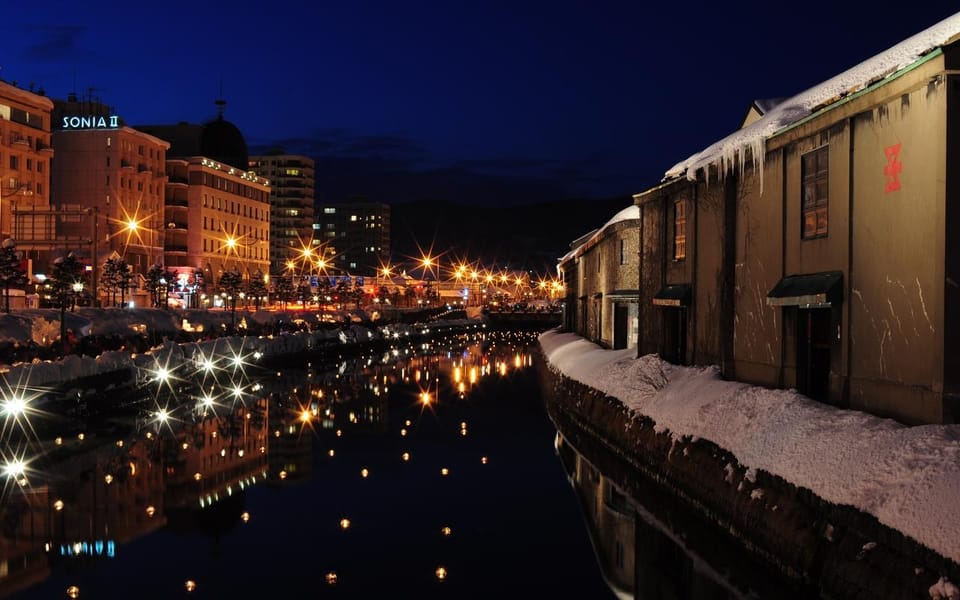
The central canal is the most recognizable setting connected with this ride. Bridges over the water can serve as starting points, and the rickshaw passes along canal-side areas where old warehouses and waterfront structures frame the route.
The view changes with the season. In summer, the open carriage lets you feel the breeze as you pass the canal and piers. In winter, snow-covered streets give the same old port setting a more intimate feel. You sit close to your companion under the guidance of the driver, which can make the winter ride especially suited to couples.
Photo stops are part of the appeal. You are not limited to taking hurried pictures while the carriage is moving. The guide can pause at selected attractive locations so you can record the outing with the rickshaw in the frame.
Bring a normal camera or phone, but leave selfie sticks at home. They are not allowed. The rickshaw itself provides a natural prop, so you do not need extra equipment to create a memorable picture.
Keep expectations sensible about the number and exact location of stops. The information promises beautiful places for commemorative photos but does not name a fixed list. Your route length, starting point, weather, and local conditions can affect where the carriage pauses.
What the guide adds to the ride
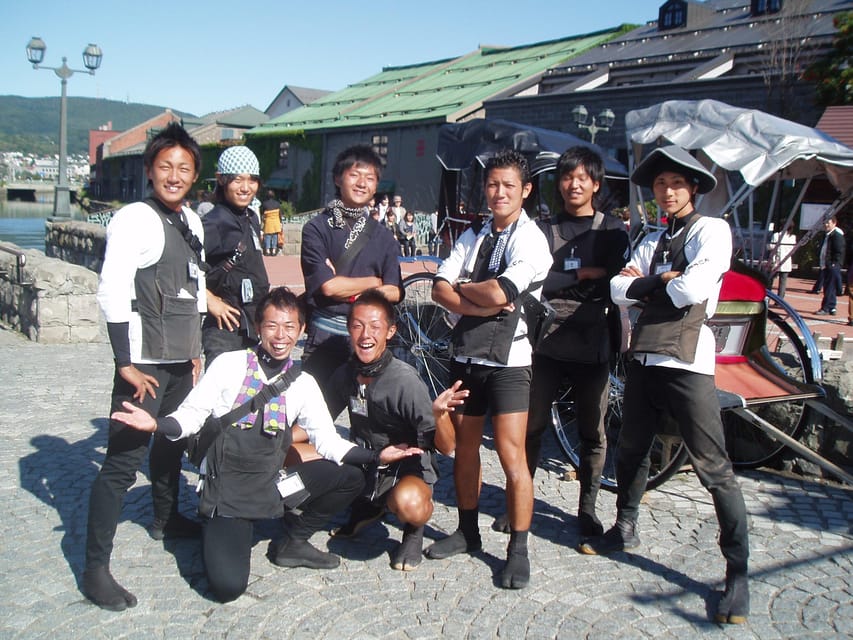
The driver is more than the person pulling you through town. The purpose of the outing is to hear about Otaru while you see its architecture and waterfront. A good guide helps you understand why the streets look as they do and gives the ride a local voice.
The strongest praise connected with this experience focuses on the drivers’ friendliness, enthusiasm, and clear explanations. Edwin singled out his driver as friendly and informative. Ray described his guide as keen and helpful, while Colin specifically praised Toshy after an hour around town. Joseph Wui Wing also received excellent service from his driver.
Those comments point to the most important part of the experience: the person in the rickshaw with you. Since the listed language is Japanese, the quality of your experience will depend partly on how comfortably you can follow the guide. If you speak Japanese, you should get the fullest benefit from the historical commentary. If you do not, confirm the communication arrangements before committing.
The private setting can make it easier to ask questions. You can focus on the areas that interest you, such as port buildings, canal scenery, or the town’s former trade role. The exact depth of the commentary is not specified, so think of this as a personal sightseeing ride with local explanation, not a guaranteed museum-style lecture.
Other private tours in Otaru

A closer look at comfort and seating
Each rickshaw seat measures 74 centimeters wide and fits two adults. That is a practical detail you should consider before booking, particularly if you are traveling with a companion and expect a roomy carriage.
For one person per rickshaw, you need to make separate bookings for one person each. Two adults can share one carriage, which helps keep the price down and suits couples or friends. Children aged six and older pay the adult rate.
Children from birth through age five may join free if they do not occupy a separate seat. The seat limit remains important, so a family should confirm how its children will fit before booking. The supplied details do not specify child restraints or stroller storage, so do not assume either is available.
The activity is listed as wheelchair accessible, but it is not suitable for people with back problems. Pregnant women in their first 16 weeks are not permitted to ride, and the activity is generally marked as unsuitable for pregnant women. If mobility, balance, or comfort is a concern, confirm the physical setup with the operator before paying.
A rickshaw is open to the weather. Dress for the season, especially in winter. Snow-covered streets may look wonderful, but warm clothing will make the ride far more pleasant. In summer, light clothing and sun protection are sensible, since you are outside for the duration.
Is $35 a fair price?
At $35 per person, this can be a reasonable way to add a guided view of Otaru without paying for a long formal excursion. The price covers the private rickshaw ride and Japanese-speaking guide, and the private arrangement is the main value. You get direct attention rather than a seat in a large group.
The value improves if you share the carriage with one other adult. Two adults fit in one rickshaw, while a solo rider must book separately for one person per carriage. Families should also calculate the total carefully, since children aged six and older pay the adult price, while children aged five and under can join free without their own seat.
Food, drinks, and admission fees are not included. That is not a major problem because the activity is chiefly a moving tour of the streets and canal area. It does mean you should budget separately for any museums, meals, or other Otaru attractions you plan to visit.
Pickup and drop-off outside the main rickshaw stand cost extra, and not every location is possible. Prices vary by location. If the convenience of starting at your hotel or another distant point matters to you, ask about that added cost before booking.
The low starting price is most attractive for the 30-minute option. Longer rides naturally provide more time but may cost more, depending on the selected choice. Check the exact price and duration together rather than judging the outing by the advertised starting figure alone.
Where this fits into your Otaru day
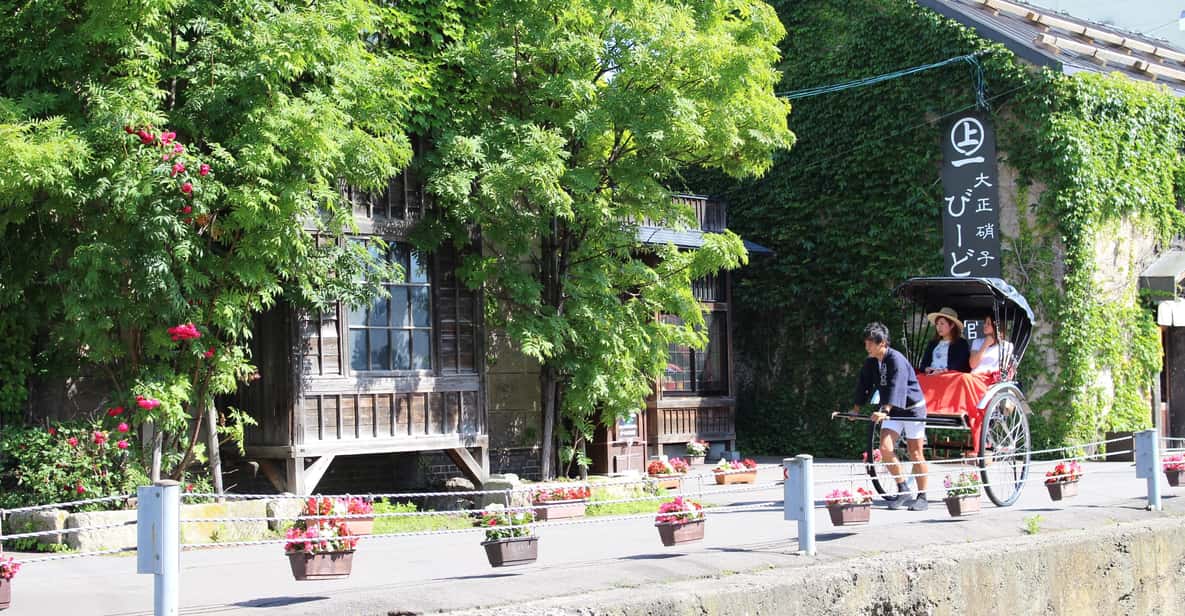
This ride works best near the start of your Otaru visit. A short trip from the station can give you an overview before you walk around independently. You will recognize the canal, bridges, and old warehouse areas more easily after seeing them from the carriage.
It can also work as a gentle break in the middle of a walking day. Otaru’s central sights are pleasant but can involve a fair amount of standing and pavement walking. The rickshaw gives your feet a rest while keeping you outside and connected to the town.
A private ride is also suited to a special occasion. The compact carriage, canal scenery, and photo pauses create a more personal outing than a standard transfer. Winter couples may especially appreciate the close seating and snowy streets, while summer visitors can enjoy the open air and canal views.
I would not choose this as your only historical activity in Otaru if you want detailed information about specific buildings or the port economy. The ride offers an introduction and local commentary, but admissions and indoor attractions are separate. Use it to orient yourself, enjoy the town at a slower pace, and decide where you want to walk afterward.
Booking details worth checking
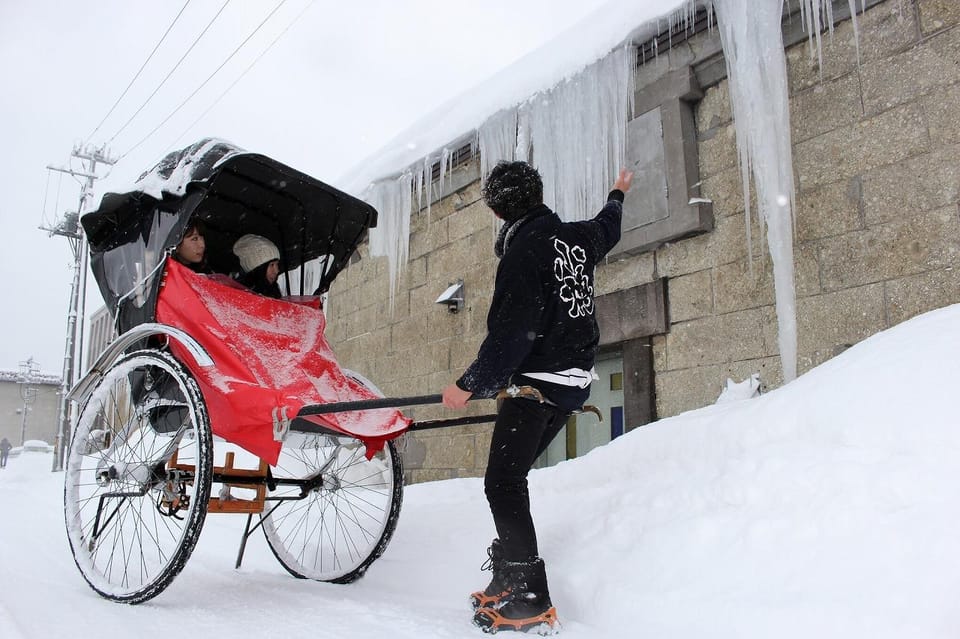
The guide language is Japanese. This is the single most important practical point for many people considering the ride. If you need commentary in another language, do not assume it is available from the supplied details.
The meeting point changes according to the option booked. Possible starting areas include Otaru Station and bridges over the central canal, while pickup from other locations may carry an extra charge. Read the selected option closely so you do not arrive at the wrong part of town.
The activity is a private group experience, so your party can ride together without sharing the carriage with strangers. The duration can be 30 minutes to two hours, and start times depend on availability.
Cancellation is flexible up to 24 hours before departure for a full refund. You can also reserve now and pay later, which is useful when your Hokkaido plans are still changing. These policies do not remove the need to check weather and physical comfort, but they reduce the risk of booking too far ahead.
Should you book this Otaru rickshaw ride?
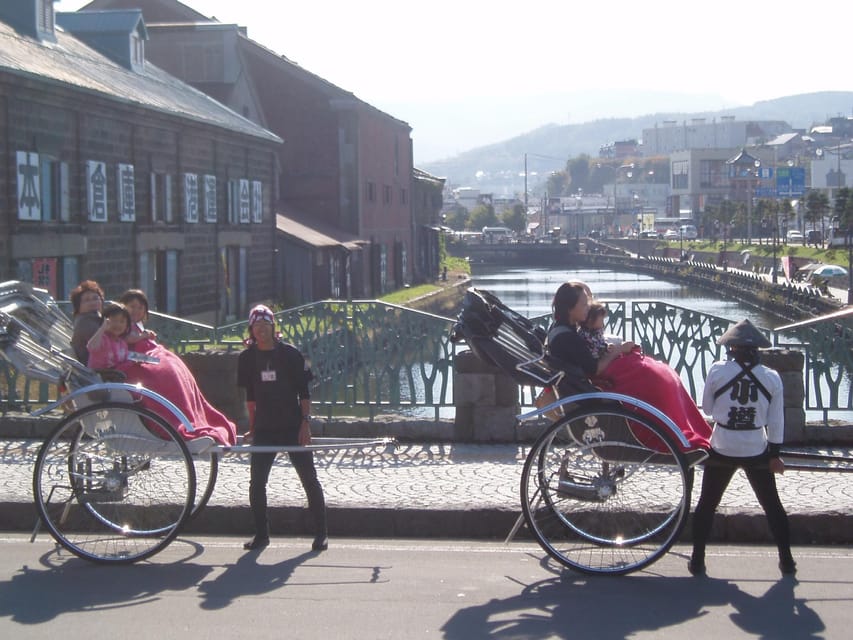
Book it if you want a short, personal introduction to Otaru’s canal district and old port streets, especially if you like hearing local stories while someone else handles the route. The private format, photo stops, and elevated view make it more than a simple ride between two points.
I would choose the one-hour option for most people. It gives you enough time to enjoy the town without letting the carriage take over your whole day. Choose 30 minutes if your schedule is tight, and consider up to two hours if you want a slower, more romantic outing.
Think twice if you need English commentary, have back problems, are pregnant, or want a fully indoor historical tour. Also check the 74-centimeter seat width and the added cost for pickup outside the main stand. For the right passenger, this is a charming and efficient way to see Otaru from a fresh angle, with the guide’s local touch doing much of the work.
FAQ
How long does the Otaru rickshaw tour last?
The available durations range from 30 minutes to two hours. Starting times and exact choices depend on availability.
Where does the rickshaw tour meet?
The meeting point varies by the option booked. Possible starting locations include Otaru Station and bridges over the central canal. Pickup from other locations may be available for an added fee, but not every location is possible.
What language does the guide speak?
The listed live guide language is Japanese.
How many people fit in one rickshaw?
The seat measures 74 centimeters wide and fits two adults. If you want one person per rickshaw, you must make separate bookings for one person each.
Can children join the ride?
Children aged six and older are charged the adult rate. Children aged five and under may join free if they do not occupy a separate seat.
Can I cancel the booking?
You can cancel up to 24 hours in advance for a full refund. The activity also offers a reserve-now, pay-later option.
More Private Tours in Otaru
More Otaru Day Trips in Otaru
More tours in Otaru we've reviewed
Otaru Day Trips, compared.
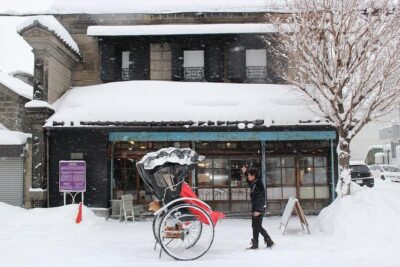 ★ 5.0Otaru Rickshaw TourFrom $42
 ★ 3.5Hokkaido Noboribetsu Lake Toya, Otaru Panoramic Tour From SapporoFrom $120
 ★ 4.9Sapporo: Otaru Asarigawa Ski Resort Day Trip with GearFrom $1859 hours
 ★ 5.0[Otaru & Yoichi] Let’s go to Otaru Canal, Sakaimachi Street, Music Box Hall, and Yoichi Nikka Whiskey by private car (arriving and departing from Sapporo)From $372
 ★ 4.4Hokkaido, Sappro, Otaru & Cape Kamui One-day TourFrom $66
 ★ 4.5Otaru 4hr Private Trip with Government-Licensed GuideFrom $108
 ★ 5.0Otaru 6hr Private Trip with Government-Licensed GuideFrom $153
 ★ 5.0Sea Kayaking Tour – Otaru Coastal AdventureFrom $97
Browse the lists this tour appears in