
Reviewed · OTARU DAY TRIPS
Otaru 6hr Private Trip with Government-Licensed Guide
Otaru is easiest to enjoy when someone helps you choose between its canal, old merchant buildings, glass shops, sake brewery, and hilltop views. This custom six-hour private tour lets you select three or four stops instead of following a fixed route, with a government-licensed local guide to explain the city as you go.
I like the personal planning and the fact that guides such as Tom, Roy, and Akiko have adjusted visits around individual interests, cold weather, and vegetarian food. I also like the small private format, which gives you room to ask questions and set the pace. The catch is important: this is a walking tour, and transport, entry fees, lunch, and other personal costs are extra.
Key points at a glance
- Choose three or four Otaru sights: Build your day from the canal, Otaru Art Base, Sakaimachi Street, Tanaka Sake Brewing Kikkogura, and Mt. Tengu.
- Meet on foot in Otaru: Pickup does not mean a private car. You meet the guide within a designated area and walk from there.
- A licensed English-speaking guide leads the day: The Japanese government certification requires solid knowledge of Japanese culture and history.
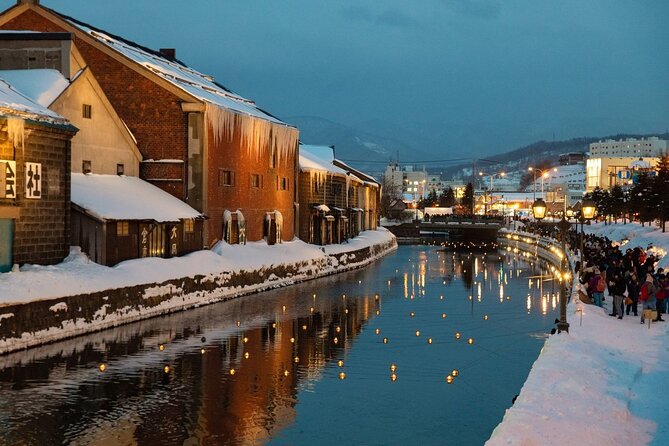
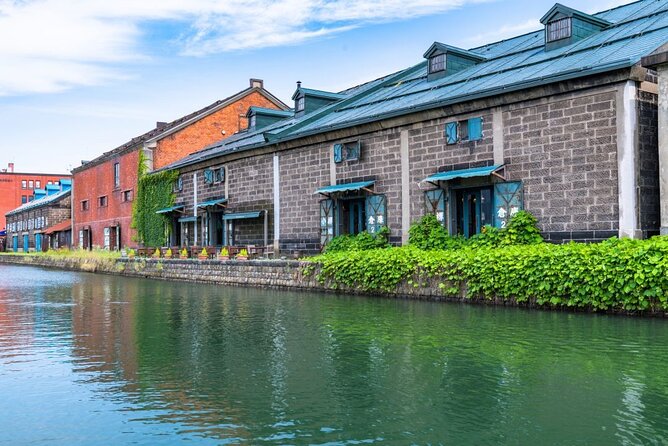
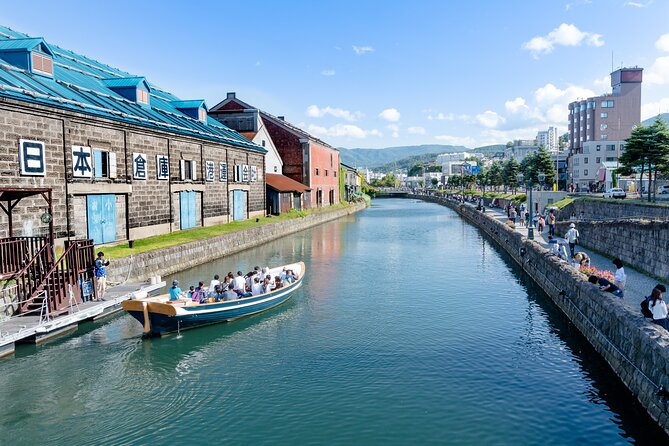
- The canal gives you Otaru’s classic introduction: Former warehouses and the old waterway show why this port city became important.
- Mt. Tengu changes the mood: The ropeway area offers views over Otaru and the Sea of Japan, but transportation costs are not included.
- Plan for extra spending: Admission tickets, transportation, lunch, and personal purchases are separate from the $153.50 price per person.
Why a custom Otaru day works well
Otaru is compact enough to visit in a day, but its attractions do not all offer the same kind of experience. The canal is about atmosphere and city history. Sakaimachi Street is about shopping and food. Otaru Art Base focuses on historic buildings and collections, while Tanaka Sake Brewing Kikkogura gives you a look at traditional Japanese production. Mt. Tengu adds a broad view rather than another downtown walk.
That mix makes a private guide useful. You can ask for a shopping-heavy outing, a stronger focus on old Otaru, a meal stop, or a day that balances indoor and outdoor sights. You are not locked into every stop listed here. You select three or four from the available choices when setting up the tour.
Six hours is enough for a thoughtful visit without turning Otaru into a rushed checklist. Still, three or four stops can fill the time quickly, especially if you shop, eat, or add admission visits. I would choose your priorities before arrival rather than trying to decide everything while standing beside the canal.
The tour costs $153.50 per person. That is not the cheapest way to stroll through Otaru, since you still pay for transport, entry, meals, and purchases. Its value comes from the private planning and the guide’s help. For a couple, family, or small group that wants local explanation and a flexible day, the price can make sense. If you only want to walk the canal and Sakaimachi Street on your own, it will be harder to justify.
A few more Otaru tours and experiences worth a look

Starting at the Otaru Canal
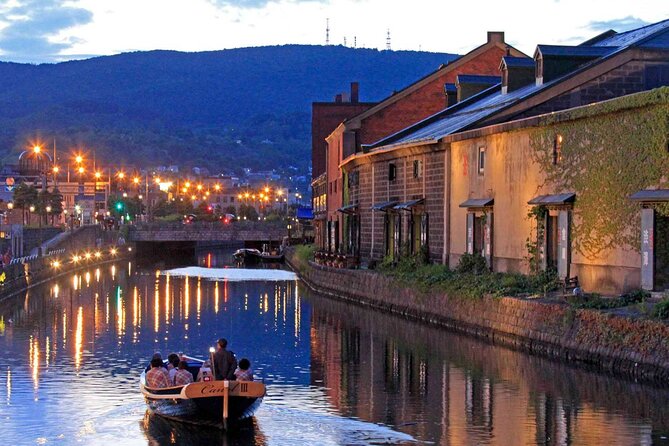
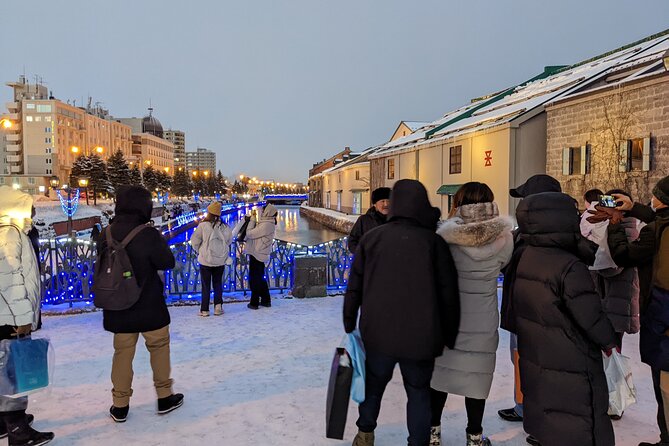
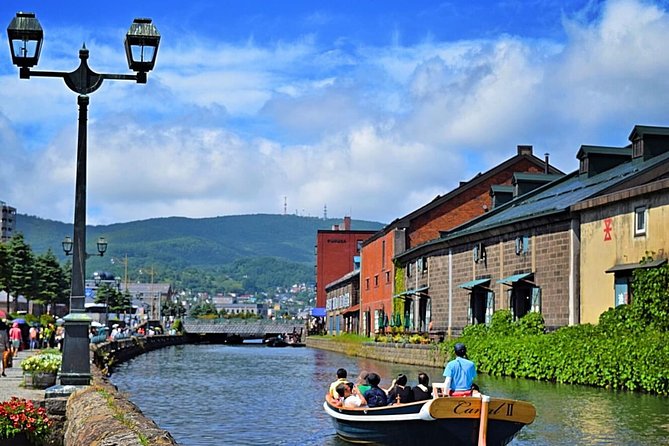
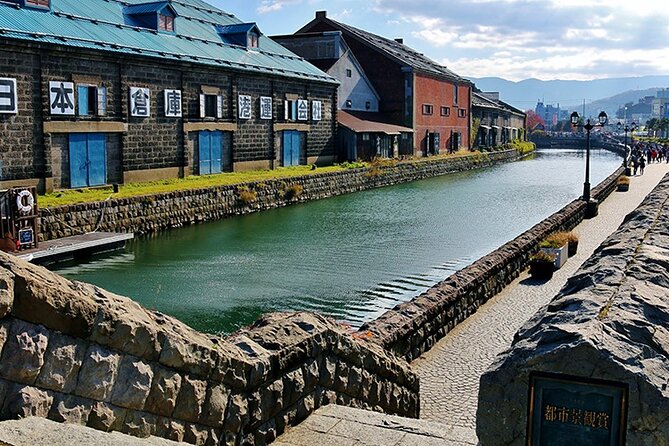
The Otaru Canal is the natural opening choice. It was once part of the city’s distribution system, when Otaru was a major port and its population even surpassed Sapporo’s. The canal and its surrounding buildings give you a clear picture of a working commercial city, not just a pretty photo stop.
Your guide can supply the context that is easy to miss when you walk alone. The canal is pleasant to see, but its real interest lies in understanding why the warehouses and waterfront mattered. This is where the city’s connection to trade and shipping becomes easier to picture.
The canal is also a useful meeting point because it puts you close to several other sights. From here, the day can move toward historic buildings, shopping streets, or other parts of Otaru. Ask your guide how much time to give the canal if you already plan to visit several nearby places.
The main drawback is that the canal itself is not a full six-hour activity. Its value comes from the setting and the explanation, then from using it as a base for the rest of the walking route. If you want sweeping views, the canal will not replace Mt. Tengu.
Seeing old buildings at Otaru Art Base
Otaru Art Base occupies historic buildings from the early 20th century. The buildings are now used for tourism and art, and the site sits opposite the canal across Rinkosen Street. That location makes it an easy pairing with the waterfront.
I like this stop for visitors who want more than shopping photographs. The buildings connect Otaru’s commercial past with its present cultural use, and a licensed guide can help explain why these structures matter. You get both the shape of the old city and a place to see art collections in a preserved setting.
Plan on about an hour here. Admission is not included, so confirm the current fee when you choose this stop. The guide’s entry fees are covered only for sights listed under the tour’s stated selections, while your own admission remains an extra cost.
Otaru Art Base may not be the best choice if your main aim is food or handmade goods. It is a better fit for you if you enjoy architecture, local history, and indoor sightseeing. It can also be a sensible choice in cold weather, although the tour remains a walking experience overall.
Shopping and eating along Sakaimachi Street
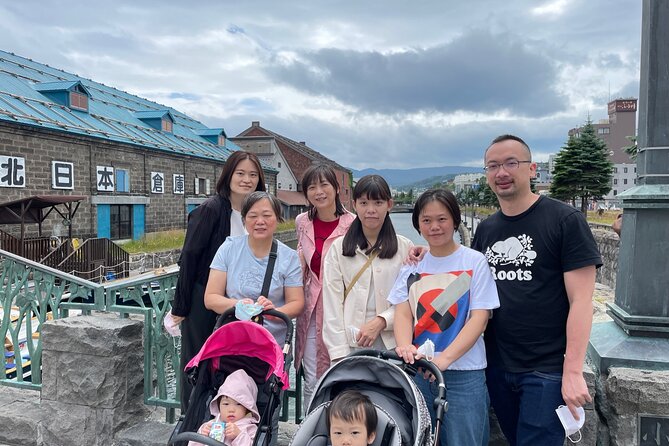
Sakaimachi Dori is Otaru’s main pleasure stop for food and shopping. It runs parallel to the canal on the inland side of Rinkosen Street, giving you a straightforward route from the waterfront into shops, sweets, and local goods.
This is where you should leave room in your schedule and budget. The street is designed for browsing, not just passing through, and one hour may feel short if you want to compare purchases or stop for several treats. Admission is not an issue here, but lunch and personal spending are not included.
Your guide can help you decide which types of shops fit your interests. The tour description specifically points to restaurants and sweet shops for first-time visitors, so tell the guide what you want before the day begins. If you need vegetarian food, mention it early. Akiko has helped arrange vegetarian ordering during a tour, which is a useful sign that food requests can be handled more smoothly with advance notice.
Sakaimachi Street also gives the tour a practical edge. You are not simply hearing about Otaru’s past. You are using the city as it exists now, choosing what to eat and what to take home. Glass crafts are part of Otaru’s appeal, and this area is a natural place to browse for them, though the exact shops and purchases depend on your choices.
The tradeoff is that shopping can easily eat up the day. If you want Mt. Tengu as well, be clear about timing. A private guide can adjust the plan, but six hours remains six hours.
A traditional stop at Tanaka Sake Brewing Kikkogura
Tanaka Sake Brewing Kikkogura offers a different side of Otaru. The city is often associated with Western-style historic buildings and glasswork, but this brewery points toward older Japanese food and drink traditions.
A visit here adds variety to a day otherwise centered on streets, buildings, and views. You can use the guide to understand the role of sake brewing and the place’s connection to Japanese culture. The stop is planned for about an hour, and admission is not included.
This is a particularly good choice if you want your Otaru visit to feel less like a shopping circuit. It also pairs well with Sakaimachi Street, where food and sweets are already part of the plan. You can compare the city’s modern visitor appeal with a more traditional craft.
As with the other stops, ask about costs before committing. The tour price does not cover your transport, entrance fees, meals, or personal purchases. The guide’s entry fees are only covered for listed sights, so do not assume every extra activity is included.
Other guided tours in Otaru

Heading up to Mt. Tengu
Mt. Tengu gives you Otaru from above. The area overlooks the seaside city and the Sea of Japan, and the ropeway and ski museum offer a change from the flat streets near the canal. The mountain is described as about 15 minutes by car from the Otaru interchange.
This is the most important stop to discuss with your guide before booking because the tour does not include a private vehicle. The experience is described as a walking tour with an on-foot meeting, and transportation fees are extra. If Mt. Tengu is one of your must-see choices, ask how you will reach it and how that affects the six-hour schedule.
The view makes the extra planning worthwhile for many people. From the hill, you get a wider sense of Otaru’s position beside the sea, which you cannot get from the canal. The ski museum adds an indoor element, but the main draw is the overlook.
Weather matters here. In very cold conditions, Akiko adjusted a tour plan to keep the visit pleasant, so tell your guide about weather concerns and clothing limits. Still, a mountain visit can be less predictable than a downtown route. If conditions are poor or transportation feels inconvenient, you may prefer to spend the day among the canal, art base, shopping street, and brewery.
What the private guide adds
The guide is not merely there to point out buildings. The National Government Licensed Guide Interpreter certification is issued by the Japanese government and requires a strong understanding of Japanese culture and history. The included service is a licensed local English-speaking guide, while the overview also describes multilingual guiding.
The strongest practical benefit is the chance to ask questions as they arise. Tom has been praised for being helpful and interesting, while Roy has focused on Otaru’s historical stories and local character. Akiko has researched an itinerary around a visitor’s interests, adapted it for cold weather, and helped with vegetarian food ordering.
Those examples suggest the best way to use the tour: give the agency useful information before the day. State your must-see sights, food needs, walking limits, interest in shopping, and desire for views. The more specific you are, the easier it is to make six hours work for you.
The private format matters too. Only your group participates, and groups cannot be combined. You can ask to slow down at a shop, spend more time on a historical explanation, or move on from a place that does not interest you. That flexibility is the main difference from a standard group excursion.
Walking, timing, and extra costs
Do not book this expecting a car service. Pickup is offered on foot within a designated area of Otaru, and the tour does not include a private vehicle. Transportation fees are separate, which is especially important if you choose Mt. Tengu or any stop that is not convenient on foot.
Each listed stop is planned for about one hour, but the overall route is customized around three or four sites. That means you should think in terms of priorities rather than trying to see every possible attraction. The canal, Otaru Art Base, and Sakaimachi Street make a fairly natural downtown combination. Tanaka Sake Brewing Kikkogura adds a traditional craft stop, while Mt. Tengu requires more care with time and transport.
Admission tickets are also separate. Lunch is separate, and so are sweets, crafts, sake, and other personal purchases. At $153.50 per person, the tour price pays for the guide and planning, not a complete day of admissions and transportation.
The practical upside is control. You are not paying for sights you do not want to see. The practical downside is that the final bill can rise once you add meals, transport, and entrance fees. Set a spending plan before you go.
Confirmation arrives at booking. Free cancellation is available if you cancel at least 24 hours before the local start time. Changes or cancellations inside that window are not accepted for a refund.
Who should book this Otaru experience
I would choose this tour if Otaru is new to you and you want help sorting the city’s many choices. It suits couples, families, and private groups that value conversation over a fixed script. It is also a good option if you have a specific interest in history, Japanese culture, food, sweets, glass crafts, or mountain views.
The tour is especially useful when your group has different priorities. One person can ask about old buildings, another can focus on food, and another can request Mt. Tengu. A private guide can shape the day around those needs better than a large scheduled group.
You should think twice if you want a fully inclusive excursion with a vehicle and tickets already paid. This is not that product. It also may not suit you if you prefer to wander without a plan or if the $153.50 price feels high for a mostly walking day.
Most people can participate, and service animals are allowed. Since the tour involves walking and meeting the guide on foot, consider your group’s comfort before selecting several spread-out stops.
Should you book the six-hour private tour?
Book it if you want Otaru explained, not simply photographed. The canal, Sakaimachi Street, and old buildings are easy to find, but a licensed local guide can connect them to the city’s trade, culture, food, and craft traditions. The strongest value comes from customization and personal attention, not from the number of included attractions.
Before booking, send a clear list of three or four priorities and ask about transportation if Mt. Tengu is on it. With that preparation, the tour can give you a well-shaped first look at Otaru, plus the freedom to adjust the day as your interests become clearer. If your plan is only a short canal walk and a little shopping, save the money and explore independently.
FAQ
How long does the Otaru private tour last?
The experience lasts approximately six hours.
How many sights can I choose?
You can customize the tour around three or four sites from the available choices.
Which Otaru sights can I select?
The choices include the Otaru Canal, Otaru Art Base, Otaru Sakaimachi Street, Tanaka Sake Brewing Kikkogura, and Otaru Tenguyama Ropeway Ski Museum.
Is a private vehicle included?
No. A private vehicle is not included, and transportation fees are separate.
Where do I meet the guide?
You meet the guide on foot within a designated area of Otaru. The experience is a walking tour.
Is lunch included?
No. Lunch and other personal expenses are not included.
Are entrance fees included?
No. Entrance fees are separate. Guide entry fees are covered only for sights listed under the stated tour selections.
What kind of guide leads the tour?
The tour includes a licensed local English-speaking guide. The government-issued National Government Licensed Guide Interpreter certification requires knowledge of Japanese culture and history.
No. It is a private activity for your group only, and multiple tour groups cannot be combined.
Can I cancel for a full refund?
Yes, if you cancel at least 24 hours before the experience start time. Cancellations or changes made less than 24 hours before the start are not refunded or accepted.
More Private Tours in Otaru
More Guided Tours in Otaru
More Otaru Day Trips in Otaru
More tours in Otaru we've reviewed
Otaru Day Trips, compared.
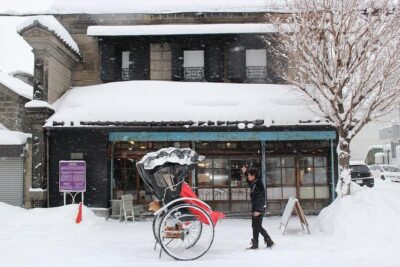 ★ 5.0Otaru Rickshaw TourFrom $42
 ★ 3.5Hokkaido Noboribetsu Lake Toya, Otaru Panoramic Tour From SapporoFrom $120
 ★ 4.9Sapporo: Otaru Asarigawa Ski Resort Day Trip with GearFrom $1859 hours
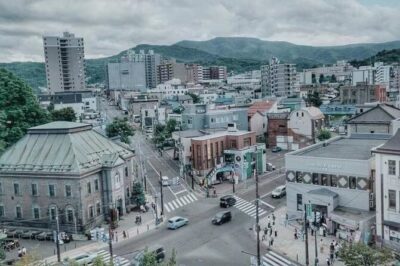 ★ 5.0[Otaru & Yoichi] Let’s go to Otaru Canal, Sakaimachi Street, Music Box Hall, and Yoichi Nikka Whiskey by private car (arriving and departing from Sapporo)From $372
 ★ 4.4Hokkaido, Sappro, Otaru & Cape Kamui One-day TourFrom $66
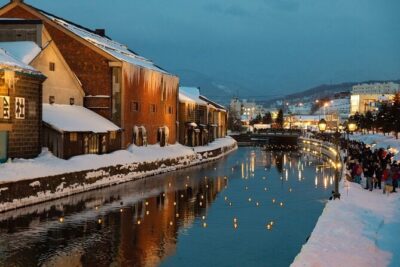 ★ 4.5Otaru 4hr Private Trip with Government-Licensed GuideFrom $108
 ★ 5.0Sea Kayaking Tour – Otaru Coastal AdventureFrom $97
 ★ 4.8From Sapporo: Private Day Trip to OtaruFrom $1916 hours
Browse the lists this tour appears in