
Reviewed · OTARU DAY TRIPS
From Sapporo: Otaru 7hr Private Tour with Licensed Guide
Otaru’s appeal is easy to grasp: old stone warehouses, a preserved canal, former commercial buildings, and a shopping street that still feels tied to its port-town past. This seven-hour private tour lets you choose three or four sights instead of following a fixed route.
I like the freedom to set the pace, and I like having an English-speaking guide who can explain what you are seeing rather than simply point at it. Roy Aoki, a former director of the Otaru City Museum, is one possible guide and can bring unusual local insight. The main drawback is that this is a walking tour without a private vehicle, so trains, buses, or taxis between sights cost extra.
Key points to know before booking
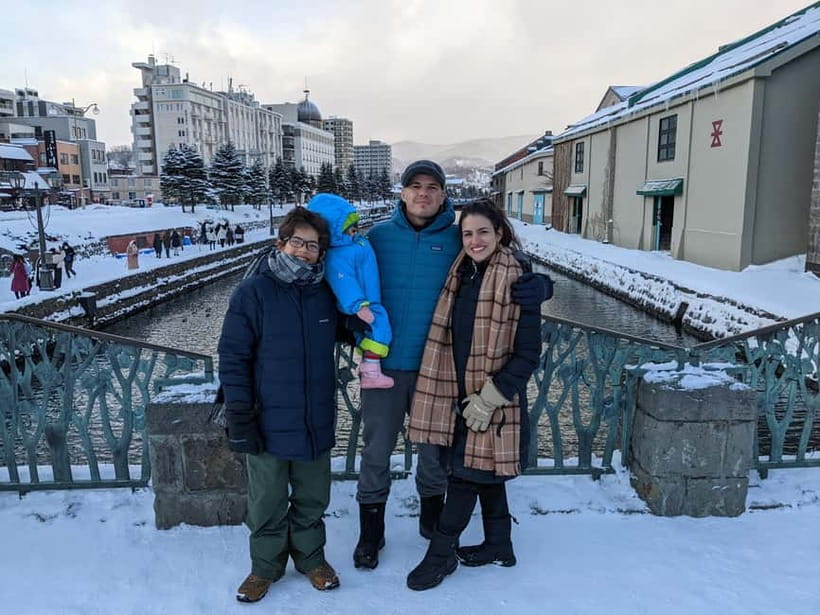
- Choose three or four stops: Build your day around the canal, Art Base, Sakaimachi Street, Tanaka Sake Brewing Kikkogura, or the Tenguyama Ropeway Ski Museum.
- Meet on foot in Sapporo: Pickup is included within the designated Sapporo area, but the tour does not supply a car to Otaru.
- Allow money for transport: Public transportation or local taxis may be needed, and you should carry Japanese yen for those costs.
- A private guide changes the day: You can ask questions, adjust the pace, and focus on the sights that matter most to you.
- Roy Aoki is a notable guide option: His former role at the Otaru City Museum gives him a useful connection to the city’s past.
- Seven hours gives you room to slow down: This is not a quick photo stop. You have time for streets, buildings, shops, and food.
Why Otaru works well as a private day trip
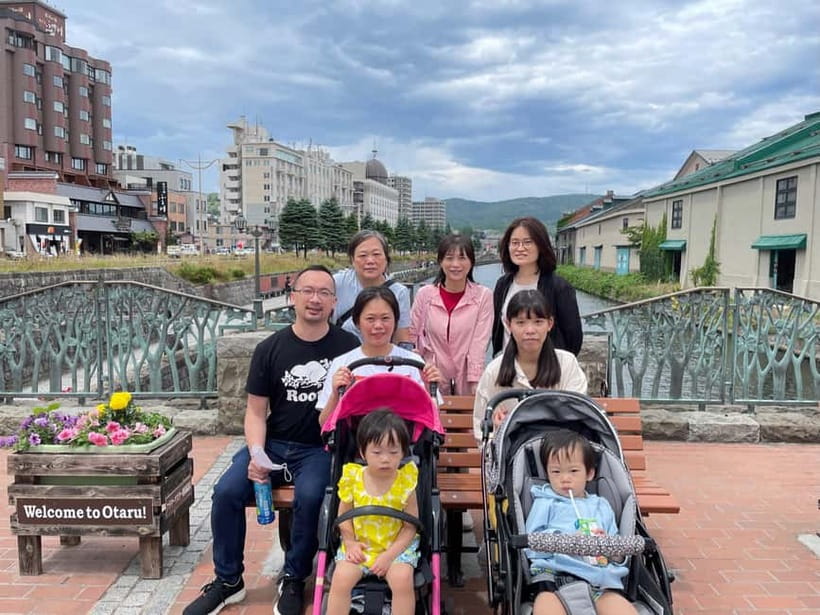
Otaru is a port city with an appealing mix of preserved buildings and everyday city life. Its old warehouses and commercial structures now hold cafes, shops, galleries, and other businesses. That makes the town easy to explore on foot, with plenty to look at between the main stops.
I like Otaru because the sightseeing is not confined to a single monument. The canal gives you the familiar postcard view, but the pleasure comes from connecting it with the old streets and restored buildings nearby. A private guide can help you understand why those structures matter and steer you toward the parts of the city that fit your interests.
The tour lasts seven hours, which is a useful length for a city that needs some wandering time. You can select three or four places from the proposed list, then work with your guide to shape the order. If you care most about architecture, you can favor the canal and Art Base. If food and local shopping appeal more, Sakaimachi Street and the sake brewery may deserve your time.
The important point is that the list gives you a framework, not a rigid script. Tell the guide what you want to see after booking so the day can be planned properly.
A few more Otaru tours and experiences worth a look
Starting from Sapporo without a private car
Pickup takes place on foot within a designated area of Sapporo. From there, you and your guide travel as needed, but a private vehicle is not included. Public transportation or local taxis may be used between sites, with the exact cost discussed after the reservation is finalized.
This arrangement keeps the tour more flexible and avoids paying for a dedicated car, but you need to budget separately for transport. Carry Japanese yen, since transportation expenses are your responsibility. Lunch, admission charges, and personal purchases are also extra.
For some people, this setup is ideal. You get a private guide without paying for a vehicle you may not need. For others, especially anyone with mobility concerns or a group carrying lots of luggage, the lack of a car may require more thought. The experience is listed as wheelchair accessible, but you should discuss the route and transfers with the guide in advance.
The tour does not allow you to combine multiple tour groups. In plain terms, the booking is for your private party, not a way to join another group or merge separate reservations.
The canal and Otaru’s old stone warehouses
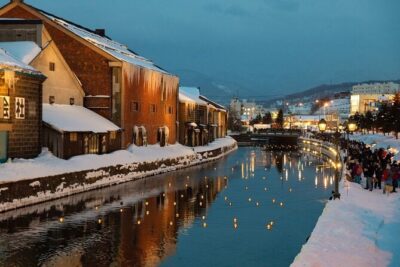
The Otaru Canal is the natural anchor for a first visit. Its preserved waterway and old stone warehouses give the city its nostalgic look, with a strong sense of the port activity that once shaped Otaru.
You can expect the canal area to be visually rewarding even if you know little about the city. The stone buildings help explain Otaru’s character better than a modern shopping district could. A guide adds value here by supplying context about the buildings and the role of the waterfront.
The canal is also a sensible place to begin because it gives you a clear sense of direction. From there, you can move into the older streets and commercial areas. I would not spend the entire seven hours at the water, though. The canal is an important stop, but Otaru’s appeal comes from combining it with at least two other parts of town.
If you enjoy photography, the canal and warehouses will likely be among your priorities. If you prefer interiors, shopping, or food, use the canal as a starting point and give more time to the buildings and streets beyond it.
Otaru Art Base for historic interiors
Otaru Art Base offers a different side of the city. Rather than viewing old buildings only from the outside, you can enter a setting where historic architecture and art come together.
The attraction is well suited to you if you enjoy former commercial buildings, galleries, and the way old structures are put to new use. It also gives the day a change of pace after walking along the canal. A guide can help place the building and its contents in the wider story of Otaru.
Admission fees are not included, and the guide’s entry is covered only for sights listed in the tour information. Confirm the precise admission arrangements with your guide after booking, especially if you select Art Base as one of your three or four stops.
You may find that Art Base takes more time than expected if you like to read displays or examine art carefully. That is one reason a private format helps. You can tell the guide if you prefer a short visit or want to give the attraction a larger share of the day.
Sakaimachi Street, shops, cafes, and small discoveries
Otaru Sakaimachi Street is the most natural choice if you want time for shops, cafes, and restored buildings. The street lets you experience Otaru as a living town rather than only as a historic district.
Many older buildings in Otaru have been converted into businesses. That gives you a chance to look at architectural details while also stopping for food or browsing. The tour does not include lunch, so Sakaimachi Street is a practical place to arrange your own meal or snack.
I like this stop for travelers who want a little freedom. You can pause when something catches your eye, ask the guide about local products, or use the street as a bridge between other sights. It is less formal than a museum and more varied than a single viewpoint.
The tradeoff is that shopping streets can absorb time quickly. If you want all four selected sights, tell your guide how long you wish to spend browsing. Otherwise, a cafe, shop, or interesting building may quietly take over the schedule.
A few more Otaru tours and experiences worth a look



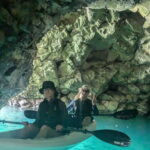

Tanaka Sake Brewing Kikkogura
Tanaka Sake Brewing Kikkogura gives the itinerary a local food and drink angle. It is a good pick if you want to understand one of Hokkaido’s traditional products in a setting connected to production rather than simply buying a bottle in a shop.
The stop can balance the more visual parts of the day. After the canal, warehouses, and art spaces, a brewery offers a different way to connect with Otaru. Ask your guide what can be seen and tasted during your visit, since the supplied information does not specify a tasting program or the exact activities available.
Any purchases or food expenses are your responsibility. If you do not drink sake, you may prefer another stop, but the brewery can still be worthwhile for its connection to local craft and commerce. Your guide can help explain what makes the site relevant to Otaru.
Because you can choose only three or four places, consider the brewery as a replacement for a museum or ropeway visit rather than trying to squeeze in everything.
Tenguyama Ropeway Ski Museum
The Tenguyama Ropeway Ski Museum is the most distinct choice on the list. It takes the day away from the canal and old commercial center and adds a museum focused on skiing.
This stop will suit you if you enjoy sports history or want a different subject from architecture and shopping. It may also appeal if you have already seen Otaru’s central streets and want to vary the day.
The tour information does not specify whether ropeway transport is included, nor does it include transportation fees or admission costs. Ask your guide about the route, timing, and added expenses before committing to this option.
Selecting Tenguyama may also affect how much time remains for the central sights. A private guide can help you judge the balance, but you still need to accept that three or four stops in seven hours means making choices.
What a private guide adds
The biggest benefit here is not simply having someone who speaks English. It is having a person who can connect the city’s buildings, streets, and museums into a story that makes sense as you walk.
Roy Aoki is a particularly interesting guide option. His background as a former director of the Otaru City Museum gives him a strong connection to the city’s history and collections. He has also been described as thoughtful in planning, with useful suggestions for cultural stops and a local sushi restaurant.
That does not mean Roy will necessarily be your guide. The tour offers English and Japanese guides, and the provider confirms the assigned guide after booking. Still, the possibility of a guide with museum experience is worth noting if local detail matters to you.
A private guide can also help with practical decisions. You can ask which three or four sights fit together, how long to spend at each one, and where to eat. The guide can adjust explanations to your interests, something a large group tour rarely handles well.
The limit is that a guide cannot remove every practical cost. You still pay for transport, admissions, lunch, and personal expenses. Think of the fee as paying for planning, explanation, and a private pace, not an all-inclusive day.
Is $187 per person a fair price?
At $187 per person, this is not a budget sightseeing option. Its value depends heavily on group size and how much you want personal attention.
For one or two people, the cost may feel high once you add transport, admissions, and lunch. For a private family or small group, the per-person price can make more sense, especially when compared with arranging several separate visits and handling the route yourself.
You are paying for seven hours with a licensed local English-speaking guide and the ability to select your own three or four sights. That is useful if you want context, have limited time in Hokkaido, or do not feel comfortable managing Japanese transport and timing on your own.
The value is weaker if you only want to photograph the canal and stroll Sakaimachi Street. Those parts can be explored without a private guide. The value improves if you want museum context, local recommendations, help choosing between sites, or a day shaped around a particular interest.
Remember to add the costs that are not included. There is no private vehicle, lunch, admission, public transport, taxi fare, or personal spending in the headline price.
Timing, communication, and booking details
The activity lasts seven hours, but starting times depend on availability. The guide may contact you within seven days, and the tour is not confirmed until that contact takes place. If a guide cannot be provided, the activity provider will contact you.
Send your preferred three or four sights after booking. This is especially important because the tour is designed around your choices. Waiting until the morning of the tour may leave less room for a sensible route.
Bring cash in Japanese yen. It is specifically needed for transport costs, and you may also want it for food or small purchases. Changes made less than 24 hours before the start time are not accepted, so make your plans carefully.
Cancellation is free up to 24 hours in advance for a full refund. You can also reserve now and pay later, which helps if your Sapporo schedule is still taking shape.
Who should book this Otaru tour?
I would recommend this tour to you if you want Otaru explained rather than simply photographed. It is a strong fit for first-time visitors who want to combine the canal with museums, historic buildings, shopping, or sake production.
It also suits families and private groups that do not want to match the pace of strangers. You can spend longer at a favorite stop, ask very specific questions, and make the day more personal.
History and architecture fans should consider requesting Otaru Canal, Otaru Art Base, and Sakaimachi Street. Food-focused visitors may prefer the canal, Sakaimachi Street, and Tanaka Sake Brewing Kikkogura. Skiing enthusiasts may want to include the Tenguyama Ropeway Ski Museum, but should ask about transport and admission first.
I would hesitate to book if you want a car, an all-inclusive price, or a fixed sightseeing schedule with no extra planning. This is a walking day with added local transport, not a chauffeur-driven excursion.
Should you book it?
Book this tour if your ideal Otaru day includes personal guidance, historic buildings, and the freedom to choose three or four carefully matched stops. The seven-hour length gives you enough time to see more than the canal, while a guide such as Roy Aoki may add local detail that is difficult to find on your own.
Skip it if you are happy to explore independently and want to keep costs low. For everyone else, the best approach is to choose your sights early, ask about transport and entry fees, and treat the private guide as the main value of the day.
FAQ
How long does the Otaru tour last?
The tour lasts seven hours.
How many Otaru sights can I choose?
You can choose three or four sights from the listed options.
Which sights can I select?
Options include Otaru Canal, Otaru Art Base, Otaru Sakaimachi Street, Tanaka Sake Brewing Kikkogura, and the Tenguyama Ropeway Ski Museum.
Is a private vehicle included?
No. This is a walking tour, and public transportation or local taxis may be used between sites.
Are transportation and entrance fees included?
No. Transportation fees, entrance fees, lunch, and personal expenses are not included. Carry Japanese yen for transportation costs.
Is the tour wheelchair accessible?
Yes, the activity is listed as wheelchair accessible. Discuss the chosen route and transfers with the guide before the tour.
More Guided Tours in Otaru
More Otaru Day Trips in Otaru
More Sapporo City Tours in Otaru
More tours in Otaru we've reviewed
Otaru Day Trips, compared.
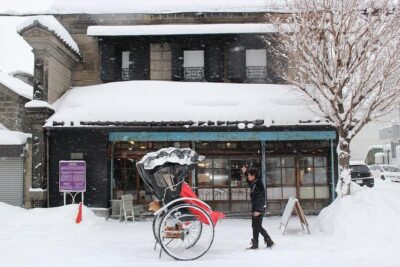 ★ 5.0Otaru Rickshaw TourFrom $42
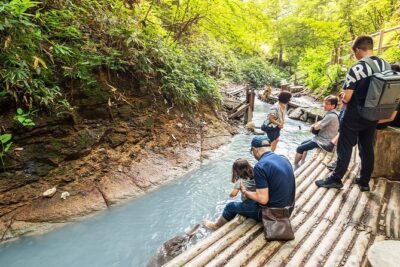 ★ 3.5Hokkaido Noboribetsu Lake Toya, Otaru Panoramic Tour From SapporoFrom $120
 ★ 4.9Sapporo: Otaru Asarigawa Ski Resort Day Trip with GearFrom $1859 hours
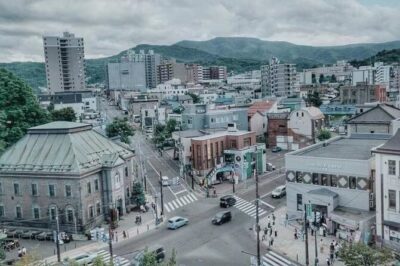 ★ 5.0[Otaru & Yoichi] Let’s go to Otaru Canal, Sakaimachi Street, Music Box Hall, and Yoichi Nikka Whiskey by private car (arriving and departing from Sapporo)From $372
 ★ 4.4Hokkaido, Sappro, Otaru & Cape Kamui One-day TourFrom $66
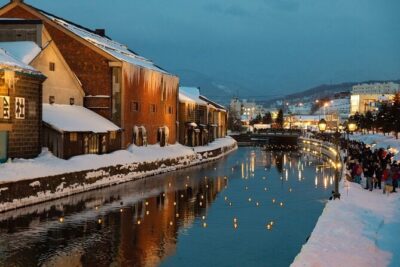 ★ 4.5Otaru 4hr Private Trip with Government-Licensed GuideFrom $108
 ★ 5.0Otaru 6hr Private Trip with Government-Licensed GuideFrom $153
 ★ 5.0Sea Kayaking Tour – Otaru Coastal AdventureFrom $97
Browse the lists this tour appears in