
Reviewed · OTARU DAY TRIPS
1-Day Tour Sapporo: The port city of Otaru & Local Brewery
Otaru’s appeal is easy to grasp: its canal, old warehouses, glass shops, music boxes, and beer hall give the port city a character quite different from Sapporo. This full-day outing gathers those sights into one walkable route, with time for lunch and a drink at the end.
I like the Otaru Canal as an opening stop because it gives you the city’s story before the shopping begins. I also like the hands-on glassmaking option at Kitaichi Glass Factory. It turns a souvenir stop into something you have actually made. The main drawback is the pace: at 510 minutes, this is a long day, and the route is not suited to wheelchair users or people with mobility impairments.
If your guide is Scott, expect a relaxed outing with room for broad conversation. That fits the leisurely rhythm noted in the tour feedback. Wear warm clothes and comfortable shoes, and remember that both glassware making and music box making cost extra.
Key points to know before you book
- Otaru Canal opens the day with port history: Brick and stone warehouses recall the city’s trading role during Japan’s Meiji and Taisho periods.
- Kitaichi Glass Factory offers a real hands-on choice: You can make your own glassware product, but this activity requires an additional fee.
- The Music Box Museum is more than a shop: An Aeolian pipe organ, antique music boxes, and an optional handicraft studio fill out the visit.
- The Steam Clock has a Canadian connection: Vancouver gave the clock to Otaru in June 1994, and it whistles hourly.
- The brewery stop includes a drink: Your admission includes one alcoholic or non-alcoholic beverage at Germain Beer Brewery/Warehouse #1.
- The $170 price buys structure and admissions: Lunch and optional craft activities are extra, so the value is strongest if you want a guided day rather than a bare-bones transfer.
Starting at Sapporo Station at 9 a.m.
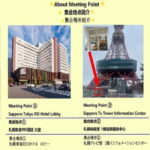
Your meeting point is in front of MYOMU, the circular white stone structure near the South Exits of Sapporo Station. After leaving the main JR gates, turn left and walk toward the South Exits. The guide wears a Snow Monkey Resorts tour tag.
This detail matters in a large station. Sapporo Station has several exits and plenty of foot traffic, so give yourself enough time to reach MYOMU without a last-minute hunt. The tour begins at 9 a.m., and the full outing lasts 510 minutes, or eight and a half hours.
Transportation from Sapporo Station to the listed stops is included. The exact vehicle details are not specified, so think of this as a coordinated guided transfer rather than a self-directed rail day. That saves you the work of connecting Sapporo with Otaru and then arranging each stop on your own.
The English-speaking guide is an important part of the value. You are not simply being dropped at the canal and told to meet back later. The route connects Otaru’s sights in a sensible order, and the guide can provide context as you move from port warehouses to craft workshops and a beer hall.
A few more Sapporo tours and experiences worth a look

Otaru Canal and the city’s trading past
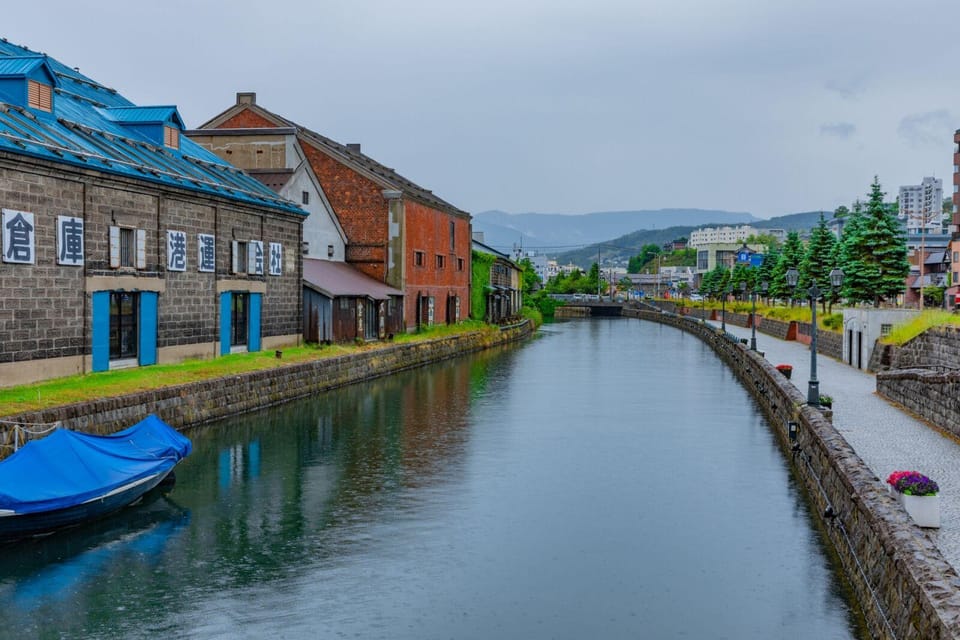
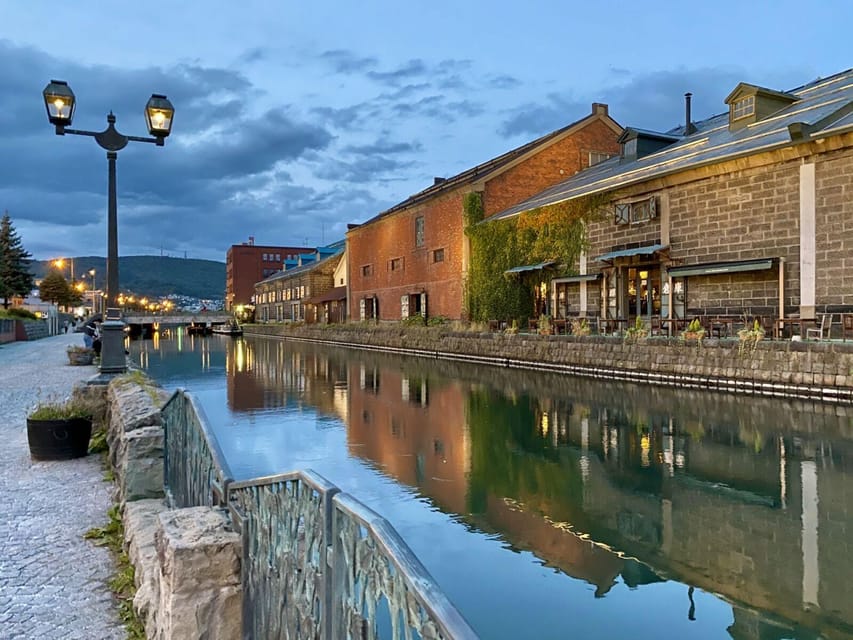
The canal is the natural place to begin. Its brick and stone warehouses reflect Otaru’s role as a trading center during the rapid industrial growth of Japan’s Meiji and Taisho periods.
I like this stop because it is more than a pretty waterfront. The canal helps explain why Otaru became important. The warehouses were tied to the movement of goods through Hokkaido, and their sturdy construction gives the area a clear sense of its working past.
The walk is also a good way to get oriented. Rather than starting inside a shop, you first see the setting that made Otaru worth visiting. The canal is a symbol of the city, and the old buildings give the opening part of the tour a strong visual focus.
Do not expect a full historical museum visit here. The appeal is the combination of water, warehouses, and guided explanation. If you want long independent walks or detailed architectural study, the group schedule may feel brief. If you want a clear introduction before exploring the main shopping streets, it works well.
Bring your camera, especially if the weather is good. The tour information specifically recommends one, and this is one of the places where that advice makes sense. Warm clothing is also wise, since the route includes outdoor walking and Hokkaido weather can be cool.
Lunch around Sakaimachi Street
After the canal, the tour moves toward Sakaimachi Street for lunch. This is not a fixed meal included in the price. You choose from the local eateries in the area, and lunch is paid separately.
That arrangement gives you some freedom. You can select what appeals to you instead of accepting a set menu, though the tradeoff is that the $170 price does not cover the meal. Keep a budget aside for lunch, drinks beyond the included brewery beverage, and any craft activity you choose.
Sakaimachi Street also makes a practical break between the outdoor canal walk and the afternoon’s indoor attractions. The area is associated with Otaru’s shops and eateries, so you get a chance to browse while eating.
The tour description does not specify a restaurant, menu, or exact lunch length. I would therefore treat this as a flexible local-food stop rather than a promised culinary experience. If food is your top reason for visiting Otaru, you may want to check with the guide about the available choices that day.
Making glass at Kitaichi Glass Factory
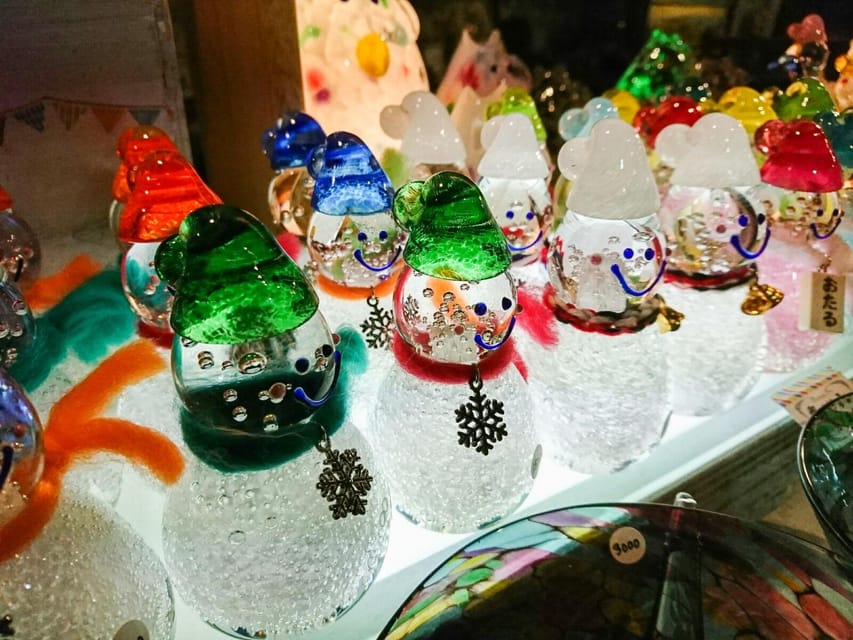
Kitaichi Glass Factory is where the tour becomes hands-on. You learn about the factory’s history and can try making your own glassware product to take home.
This is one of the strongest parts of the day for anyone who prefers a useful souvenir over another shelf of small purchases. The finished item carries a direct connection to Otaru’s glassmaking tradition, at least in the personal sense that you helped create it.
The activity is optional and costs extra. That point is important because the $170 price includes admission tickets to the listed attractions, but not every optional workshop. Ask about the added fee before you begin if you are keeping a close eye on spending.
You should also allow for the fact that a hands-on workshop may require attention and patience. The provided details do not promise a particular glassware design, completion time, or shipping arrangement, so do not assume every possible product or pickup method is available.
Even if you skip the workshop, the factory visit still has value. You can learn about its background and see the setting without paying for the making activity. That makes this stop suitable for both craft-minded people and companions who prefer to browse.
Music boxes, antique pieces, and the Aeolian organ
The Otaru Music Box Museum brings a different mood. Here, the focus shifts from glass and port trade to mechanical music. The highlight is an Aeolian pipe organ, described as producing heavenly music, along with rare glimpses of local antique music boxes.
The organ gives the visit a sense of occasion. It is not simply a quick stop to buy a music box. You get to hear a large musical instrument and see older examples that help explain why Otaru has become associated with these delicate objects.
There is also a Handicraft Studio where you can make your own unique music box. Like glassmaking, this is optional and requires an extra fee. I see that as a useful choice for families, couples, and anyone who enjoys making a personal souvenir, but it may feel like a costly add-on if you already plan to buy something.
The museum can appeal to different interests. You might focus on the organ, study the antique pieces, shop for a keepsake, or create one yourself. The stop is more flexible than a single-photo attraction, though the group schedule limits how long you can spend on any one display.
If you are sensitive to sound or prefer strictly historical museums, this may be less compelling. The attraction mixes display, performance, and shopping. For most people, that variety keeps it lively, but it is worth knowing what kind of museum experience to expect.
A few more Sapporo tours and experiences worth a look




The Otaru Steam Clock and its Vancouver link
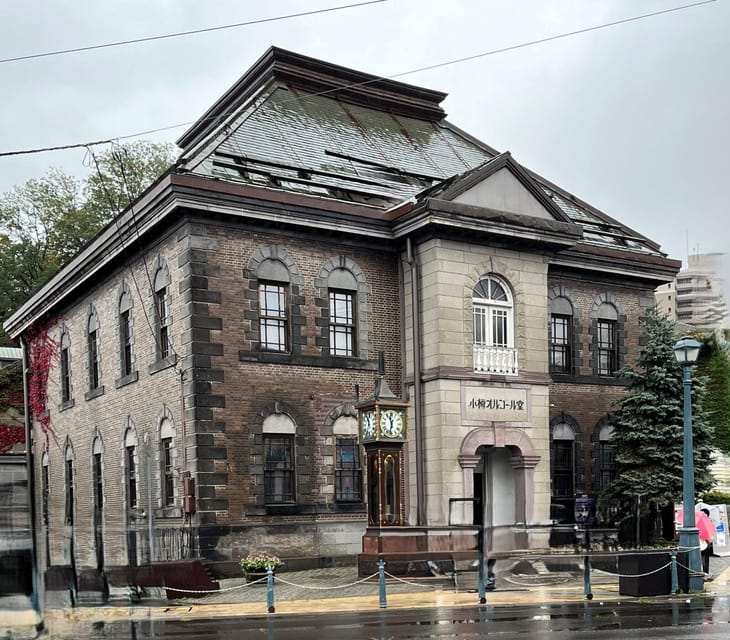
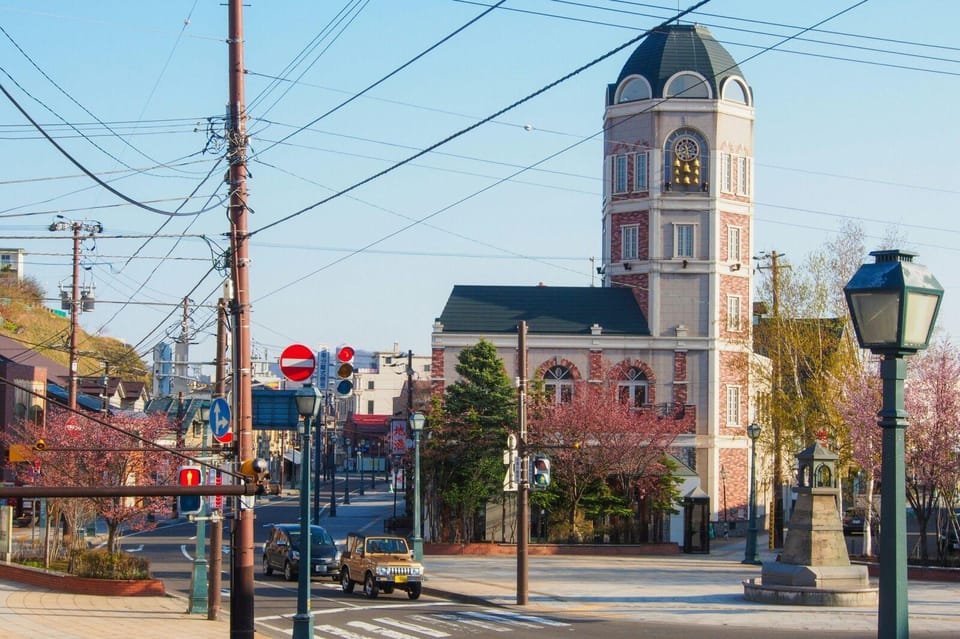
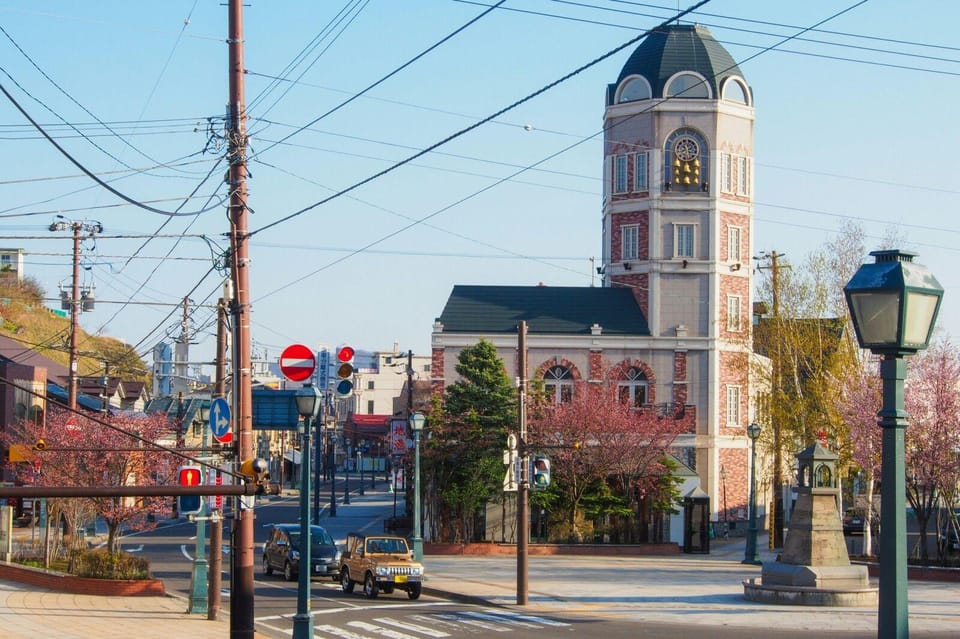
The Otaru Steam Clock is a small stop with a memorable detail. Vancouver gave it to Otaru in June 1994, creating a direct connection between two port cities.
The clock uses steam from a boiler, and its whistle sounds hourly to mark the time. Every 15 minutes, it plays the melody associated with the chimes of Westminster Abbey in London.
That schedule gives you a reason to pay attention to the clock instead of treating it as a quick photo background. If the timing works during your visit, you can hear the quarter-hour melody or the hourly whistle. The tour details do not promise a particular arrival time, so you should not book this outing solely around hearing one performance.
I like this stop because it links three places in a compact way: Otaru, Vancouver, and London. It also adds a mechanical note to a day already shaped by glassmaking and music boxes. The clock is not a major time commitment, but it gives the route a memorable detail.
A beer at Warehouse #1 along the canal
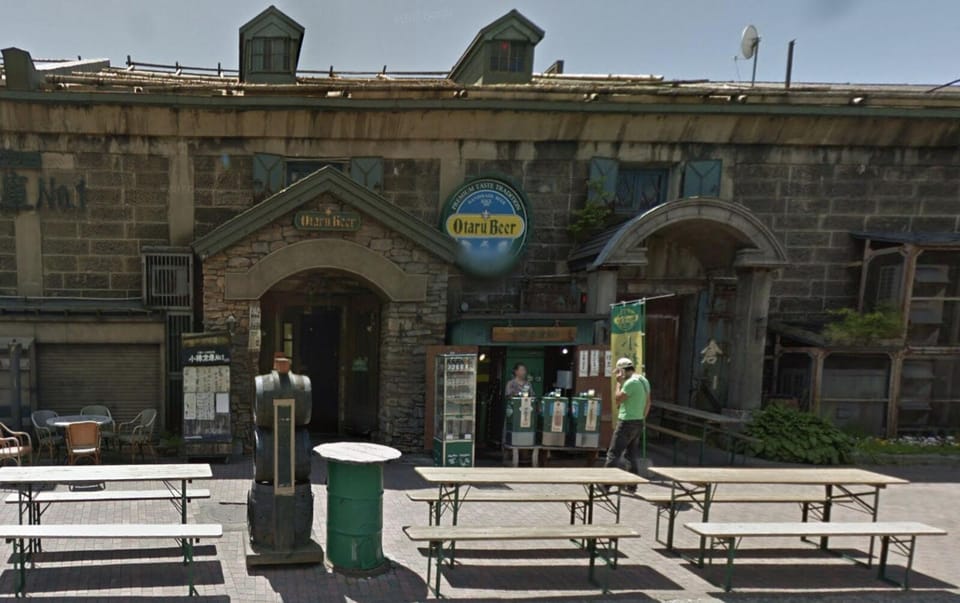
The final stop is Germain Beer Brewery/Warehouse #1, located in a rustic warehouse beside the canal. Inside, the wooden beer-hall setting and shiny copper tanks create a fitting finish to a day spent seeing Otaru’s old commercial buildings.
One alcoholic or non-alcoholic beverage is included. That makes this more than a quick exterior look at a brewery. You can sit down, drink something, and enjoy the atmosphere without paying for the first included glass.
German-style pretzels and schnitzel are available, but they are not listed as included. Consider them optional food purchases, not part of the tour price. If you want a more substantial meal here, budget accordingly.
This is also where the tour’s pace pays off. A long day of walking, sightseeing, and craft displays benefits from a seated finish. The brewery stop gives you time to talk with the guide or your group and enjoy a local setting without racing to the next attraction.
Non-drinkers are not left out because the included beverage can be non-alcoholic. Still, if beer and brewery settings do not interest you, the final stop may feel less essential than the canal or glass factory.
What $170 includes, and where costs continue
At $170 per person, this is not the cheapest way to see Otaru. The price makes more sense when you value a planned full-day route, an English-speaking guide, transportation from Sapporo Station, and admission to each listed attraction.
The included brewery beverage adds a small but welcome extra. You also avoid the need to arrange transport between the canal, Sakaimachi Street, the glass factory, the Music Box Museum, the Steam Clock, and the brewery.
You still need to pay for lunch. Glassware making and music box making are optional with additional fees, and food at the brewery is separate. Those extras can shift the final cost well above the advertised rate.
I would compare this tour with the cost and effort of arranging your own day. Independent planning may suit you if you already know Otaru, want to set your own times, or plan to focus on one attraction. This guided option suits you better if you want the major highlights linked together and prefer an English-speaking escort.
The value is also stronger for a first visit than for a repeat visit. The route gives you a broad introduction rather than one deep specialty. You see the city’s port identity, crafts, music, clock, and beer culture in one day.
Pace, clothing, and practical limits
The tour is described as leisurely, which is good news for a route with several stops. You are not expected to sprint from the canal to the museum. Still, eight and a half hours is a long commitment, and the day includes walking, standing, and outdoor time.
Comfortable shoes are essential. Warm clothing is also recommended, even if the forecast looks mild, because the canal walk and movement between sights expose you to the weather. Bring a water bottle and stay hydrated.
The tour is not suitable for wheelchair users or people with mobility impairments. That is a firm consideration, not a minor footnote. If you have trouble with walking or standing, ask the provider for current details before booking, since the route as described is not designed for those needs.
Free cancellation is available up to 24 hours in advance for a full refund, and you can reserve now and pay later. Those terms help if your Sapporo plans are still shifting, but they do not change the need to arrive at MYOMU by 9 a.m.
Who will get the most from this Otaru day
I would recommend this tour to a first-time Otaru visitor who wants the city’s main themes in one organized day. It is especially suitable if you enjoy old port districts, small craft activities, mechanical music, and a relaxed drink at the end.
It also works for you if you want to make a souvenir. The glassware workshop and music box studio give you two chances to create something personal, although each costs extra.
Couples and families may like the mix of sightseeing and optional activities. One person can browse while another pays for a workshop, depending on the group’s interests. The canal, clock, and organ also provide easy shared stops without requiring everyone to enjoy the same shopping.
I would hesitate to recommend it to an independent explorer who dislikes fixed schedules. You will have lunch in a general area rather than choosing from a prearranged meal, but the overall day still follows a set route. It is also a poor fit if mobility is a concern or if you want to spend most of your time at only one museum.
Should you book this Otaru tour?
Book it if you want a guided introduction to Otaru with transportation, admissions, a local brewery drink, and a route that balances scenery with hands-on stops. The canal, glass factory, music museum, Steam Clock, and brewery make a well-rounded day, and the leisurely pace gives the city room to breathe.
Before booking, add lunch and optional craft fees to your budget. Confirm that the walking demands suit you, arrive at MYOMU on time, and dress for cool weather.
At $170, this is best viewed as a convenience and orientation package, not a bargain sightseeing shuttle. For a first Otaru visit from Sapporo, that structure can be worth paying for. For a repeat visit or a tightly controlled budget, independent travel may be the better choice.
FAQ
Where does the tour meet in Sapporo?
Meet your English-speaking guide at 9 a.m. in front of MYOMU, the circular white stone structure near the South Exits of Sapporo Station. After leaving the main JR gates, turn left and walk toward the South Exits.
How long does the tour last?
The stated duration is 510 minutes, which is eight and a half hours.
What language is the tour conducted in?
The tour has a live English-speaking guide.
Is lunch included?
No. Lunch is not included. You have lunch at one of the eateries around Sakaimachi Street.
Is the brewery drink included?
Yes. The price includes one alcoholic or non-alcoholic beverage at Germain Beer Brewery/Warehouse #1.
Do glassmaking and music box making cost extra?
Yes. Both glassware making at Kitaichi Glass Factory and music box making at the Handicraft Studio are optional activities with additional fees.
Is the tour suitable for wheelchair users?
No. The tour is not suitable for wheelchair users or people with mobility impairments.
More City Tours in Sapporo

More Otaru Day Trips in Sapporo
More Sapporo City Tours in Sapporo


More tours in Sapporo we've reviewed






Otaru Day Trips, compared.
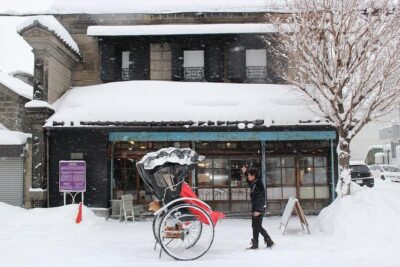 ★ 5.0Otaru Rickshaw TourFrom $42
 ★ 3.5Hokkaido Noboribetsu Lake Toya, Otaru Panoramic Tour From SapporoFrom $120
 ★ 4.9Sapporo: Otaru Asarigawa Ski Resort Day Trip with GearFrom $1859 hours
 ★ 5.0[Otaru & Yoichi] Let’s go to Otaru Canal, Sakaimachi Street, Music Box Hall, and Yoichi Nikka Whiskey by private car (arriving and departing from Sapporo)From $372
 ★ 4.4Hokkaido, Sappro, Otaru & Cape Kamui One-day TourFrom $66
 ★ 4.5Otaru 4hr Private Trip with Government-Licensed GuideFrom $108
 ★ 5.0Otaru 6hr Private Trip with Government-Licensed GuideFrom $153
 ★ 4.8From Sapporo: Private Day Trip to OtaruFrom $1916 hours
Browse the lists this tour appears in