
Reviewed · SAPPORO CITY TOURS
Sapporo Private Tour with a Local – Highlights & Hidden Gems
Sapporo is easiest to enjoy when you have someone who can connect its wide streets, parks, markets, and food stops into one sensible day. This private local tour lets you shape the route around your interests, from Hokkaido seafood and soup curry to shrines, beer, seasonal parks, and quiet corners near the center.
I like the personal planning and the chance to use your time well. Guides such as Ryo, also called Leo, Akihiro, Emilio, Shuinn, and Zarina have helped visitors build days around local food, ski-slope views, tea shops, and major sights. The main consideration is that this is not a fixed sightseeing circuit. A strong guide can make it feel like a day with a well-informed friend, but a weak plan or poor weather can leave the experience loose.
Key points to know before booking
- A private route built around you: Share your interests in advance, then work with your host to shape the day.
- A useful first look at Sapporo: Combine sights such as the Clock Tower, Nijo Fish Market, Maruyama Park, and Hokkaido Jingu.
- Food can be the highlight: Local specialties may include seafood, soup curry, ramen, sweets, ice cream, beer, sake, and fried chicken.
- Walking comes first: Public transport or taxis may be used, but transportation costs are extra.
- Flexible timing: Choose a 3 to 8-hour duration and a preferred start time when booking.
- A good fit for short stays: The tour can help you get your bearings when you have only one or two days in Sapporo.
Why this private Sapporo walk works best as an introduction
Sapporo has a different feel from Japan’s older tourist cities. It was developed relatively recently, so you will not find the dense collection of ancient lanes and temples seen in Kyoto or Nara. Instead, the city gives you broad avenues, orderly blocks, snowy winters, large parks, modern shopping areas, and a strong food culture shaped by Hokkaido’s farms and northern seas.
That makes a local host useful. You can see a famous building, then ask where to eat soup curry or which market stall deserves your yen. You can spend time at a shrine, switch plans when snow begins, or add a tea shop, neighborhood restaurant, or park walk.
I like that the tour begins with a questionnaire. You can say that you care most about food, history, shopping, gardens, photography, or local culture. You can also discuss your walking pace and must-see sights with your host before the day begins.
The experience is private, so only your group takes part. That matters if you are traveling with children, an older relative, or a companion who wants a slower pace. One guide, Shuinn, was praised for adjusting the plan for an elderly grandfather, while Akihiro asked in advance about walking and helped set a more relaxed rhythm when needed.
The best mindset is to treat this as a personal orientation, not a tightly choreographed bus tour. You are paying for local judgment, conversation, and flexibility as much as for the sights themselves.
A few more Sapporo tours and experiences worth a look

Starting at Sapporo Station
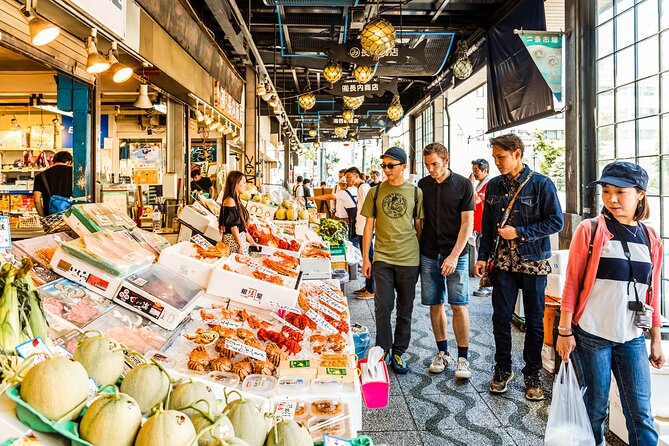
The listed meeting point is the Hokkaido-Sapporo Tourist Information Centre in the west concourse of JR Sapporo Station. This is a practical place to begin because the station is central and connected to the subway, buses, department stores, and underground walkways.
Your exact plan should be settled with your host after booking. Some outings have included a hotel meeting point by agreement, but the stated meeting point is the tourist information center. The tour ends back there, so you should not plan a distant dinner reservation immediately afterward unless you have allowed time for the return.
The station area also gives your host a useful starting point. You may begin with the city center, use an underground passage during bad weather, or take public transport toward a farther sight. The tour is mainly on foot, but local trains, buses, subways, or taxis may be needed to connect separate areas. Those fares are not included.
Ask about the transport plan before setting out. A day that includes Maruyama Park, Hokkaido Jingu, a ski-jump viewpoint, the Clock Tower, and Nijo Fish Market will cover a lot of ground. You may enjoy that pace, but it is not the same as a gentle central walk.
Odori Park, where Sapporo changes with the seasons
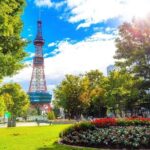
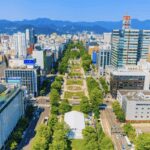
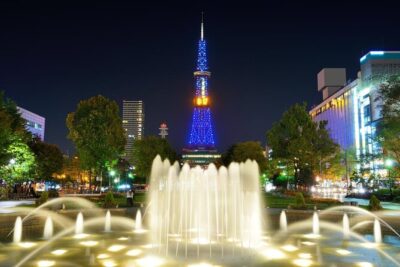
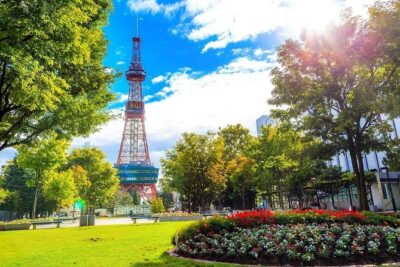
Odori Park is the city’s long central green space, stretching through the heart of Sapporo. It is an easy place to talk about the city’s layout because the surrounding streets, towers, offices, shops, and pedestrian areas all meet here.
The park changes sharply with the calendar. During the Sapporo Snow Festival, it becomes a display area for large snow sculptures. In warmer months, flower beds and open lawns give the center a calmer feel. A guide can explain how the same space serves as a winter event site, a daily walking route, and a useful reference point for exploring downtown.
Do not expect an old Japanese garden here. Odori is a planned urban park, and its value comes from its setting and seasonal use. It is a good stop for first-time visitors who want to understand Sapporo’s modern character.
If you book during the snow festival, flexibility becomes especially valuable. Crowds, weather, and event access may affect the order of the day. One visitor with only a single day in Sapporo found the open schedule useful during the festival because plans could shift as conditions changed.
The Sapporo Clock Tower and the city’s early years
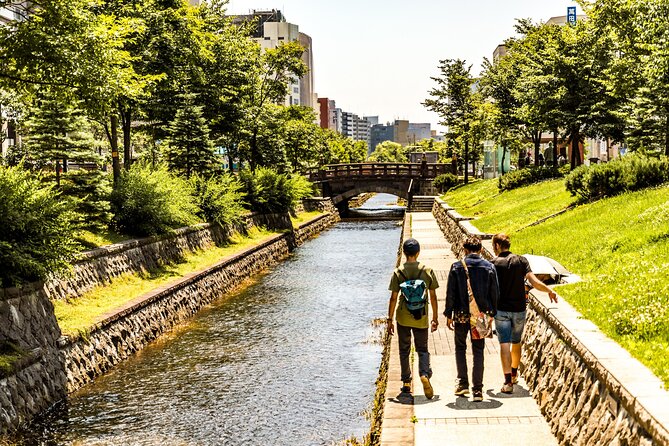
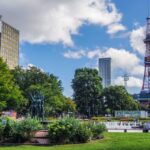
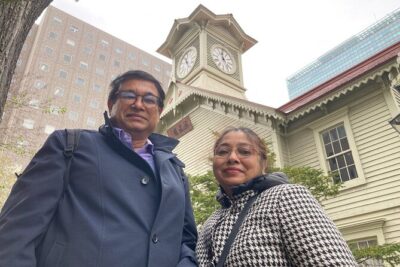
The Sapporo Clock Tower is one of the city’s best-known landmarks. The small wooden building dates from the 19th century and links Sapporo to the early development of modern Hokkaido.
It is not a huge attraction, and some visitors may find the exterior more striking than the interior. Still, it makes a useful stop when paired with a local explanation. Your host can put the building into the story of Sapporo’s growth rather than treating it as a quick photograph.
This is also where expectations matter. Sapporo has history, but much of it is connected to modern settlement and development rather than centuries-old religious sites. If your ideal Japanese sightseeing day requires ancient architecture at every turn, this tour cannot change the character of the city.
I would ask your host to include the Clock Tower if you want a recognizable first visit, then balance it with food, parks, or a neighborhood stop. That combination gives you more than a short landmark checklist.
Sapporo Beer Museum and the city’s northern food culture
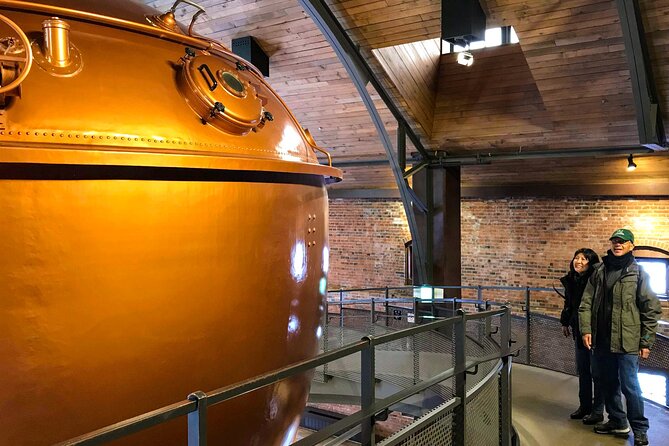
The Sapporo Beer Museum covers the history of Sapporo beer and is described as Japan’s only beer museum. It offers a clear link between the city’s name, its industrial growth, and its eating and drinking culture.
A host can make the stop more useful by helping you understand local beer choices and pointing out what to try afterward. Tastings may be available, but food, drinks, and attraction tickets are not included in the tour price. Check the cost before ordering.
The museum is a better choice for someone interested in local products and modern Japanese culture than for someone seeking a long historical tour. It also works well as part of a food-focused day. Sapporo’s identity is strongly tied to beer, seafood, dairy products, ramen, and soup curry, so the museum gives those later meals some context.
Keep an eye on time. If you choose a three-hour tour, a museum visit can take up a large share of the outing. For a fuller route with several sights and a meal, four to eight hours gives your host more room.
Other private tours in Sapporo


Nijo Fish Market and the best reason to leave room for lunch
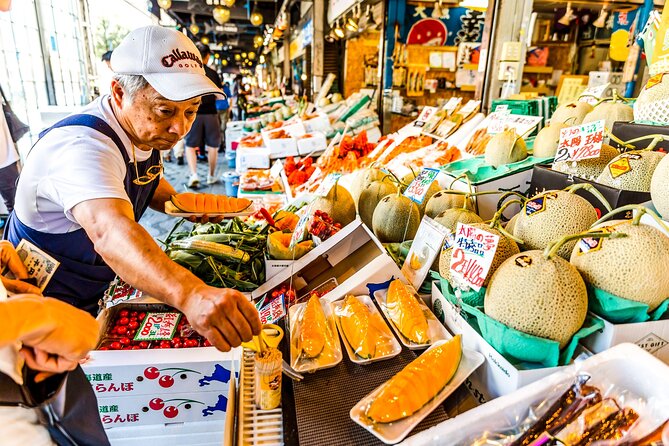
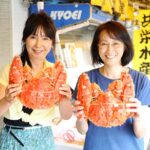
Nijo Fish Market is one of the most appealing stops for food-minded visitors. Hokkaido is known for seafood, and the market gives you a chance to see products such as crab and sea urchin while learning how seafood fits into Sapporo’s daily food culture.
Your purchases and tastings are extra. That is important because market spending can quickly change the cost of the day. Ask your host for help comparing stalls, understanding portions, and choosing what suits your budget.
Food is one of the strongest parts of this experience. Akihiro introduced local seafood and ice cream. Emilio took visitors through a fish market and around shopping areas. Other outings included soup curry, ramen, fried chicken, sake, sweets, mochi, and a small home-style restaurant.
Soup curry deserves special attention. It is one of Sapporo’s signature dishes, served as a fragrant broth with vegetables and often meat. Several food-centered outings made it a highlight, and a local host can help you choose a restaurant instead of relying on the first tourist menu you see.
A market visit is not only about eating. It is a chance to ask questions, observe Hokkaido produce, and see a side of the city that a landmark-only itinerary misses. If seafood is not your thing, tell your host in advance. The questionnaire exists for exactly this reason.
Maruyama Park and Hokkaido Jingu
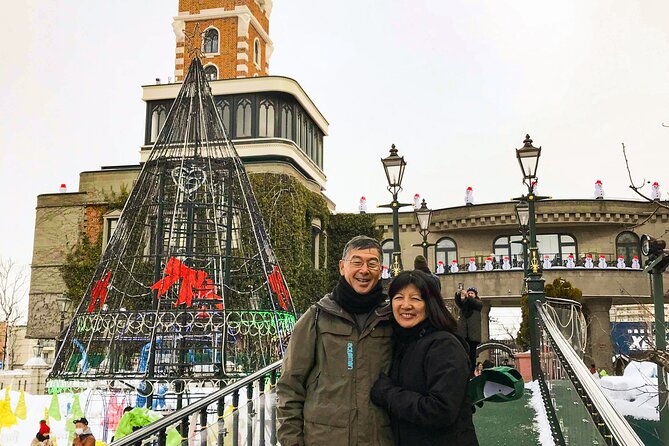
Maruyama Park gives the tour a welcome change of pace. Its paths and wooded setting feel far removed from the broad streets downtown. In spring and summer, seasonal blossoms add color, while winter brings snow and a quieter atmosphere.
The park is also associated with Hokkaido Jingu, a major spiritual site set near the forest. A visit here offers a more traditional cultural stop than the Clock Tower or Beer Museum, though the setting remains distinctly Sapporo.
This pair works especially well for visitors who want a walk rather than another indoor attraction. Several outings used the park, shrine, and a local meal as the backbone of the day. One host even included mochi in Maruyama Park, showing how the flexible format can turn a standard stop into a more personal experience.
Wear sensible shoes. The tour is primarily a walking activity, and park paths, station passages, and city sidewalks may all be part of the route. In winter, snow and ice can affect the pace. If you have limited mobility, explain your needs before the tour so the route can be adjusted.
Ski-jump views and optional changes to the route
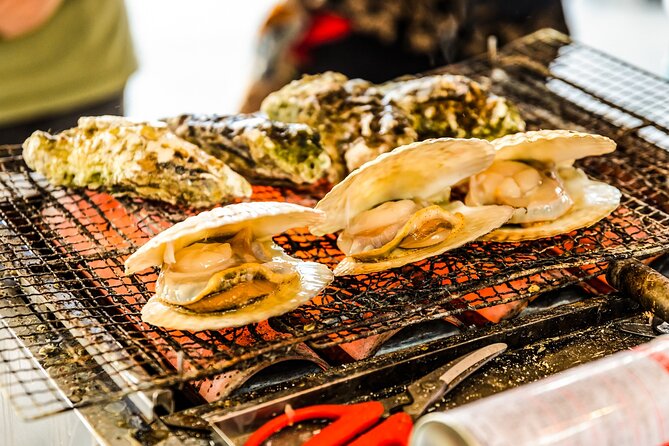
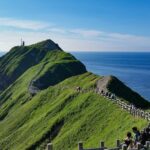
Some hosts have included the Okurayama Ski Jump, where a chairlift ride leads to a high view over Sapporo. Other outings used a ski lift, a zoo, or the top of JR Tower for city views.
These stops are not guaranteed. The tour is customized, and attraction tickets are not included. Still, they show what you can gain from discussing your priorities before the day begins. If you want a broad view of Sapporo, ask about a high viewpoint. If you prefer a central, low-cost walking route, spend more time in Odori, the station area, or Maruyama.
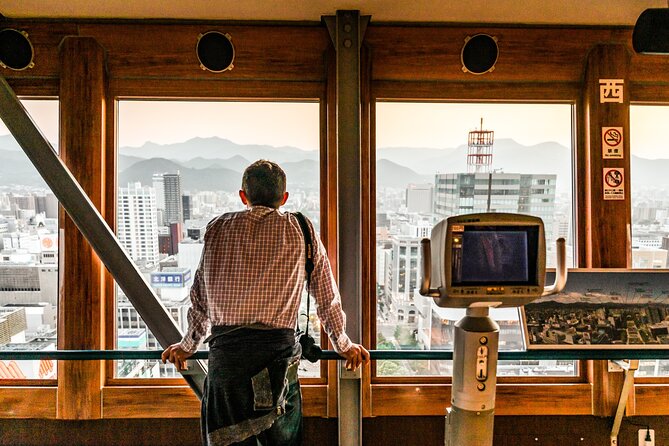
The ski-jump viewpoint can be especially rewarding because it shows the city’s scale. Sapporo spreads widely across the plain, and a view from above helps the parks, blocks, and surrounding hills make sense.
It also adds transport time. On a short tour, choosing the viewpoint may mean dropping another stop. That is not a flaw, but you should make the trade-off clearly with your host.
What the local hosts add to the day
The people guiding these tours are central to the experience. Ryo, also known as Leo, has been praised for fluent English, Japanese ability, and a long connection with Sapporo. His style was described as similar to exploring with a friend, with room for diversions and local food.
Akihiro has helped short-stay visitors cover major sights, set up a transport card, and move between attractions by subway and bus. Emilio has led food stops, market visits, park walks, and tea breaks. Zarina has been especially flexible when flights were delayed or visitors wanted to focus on local dishes.
Shuinn and Shiun are names that appear in the tour’s strongest experiences. They have been described as warm, patient, punctual, and good at adjusting the pace. One outing included an artisanal producer and a traditional tea shop after the visitor requested those interests.
That range is a strength, but it also brings some uncertainty. This is a host-matching service, not a single guide with one fixed script. Communication before the tour matters. Use it to state your must-sees, food restrictions, walking limits, preferred language, and comfort with public transport.
The four-hour choice versus a full eight-hour day
The price shown is $109.98 per person, with group discounts offered. The value depends on how you use the time and the size of your party.
For a four-hour outing, I see the tour as a city introduction. You might combine a central walk, one park or shrine, a market, and a meal suggestion. That can be a smart choice if you have only two days in Sapporo and want help finding your bearings.
A longer six to eight-hour day makes more sense if you want both central sights and a farther stop such as the ski-jump viewpoint. It also gives you time to pause for food, shopping, photos, and conversation without racing from place to place.
Remember the extra costs. You pay separately for meals, tastings, museum or attraction tickets, and transportation. If you are comparing this with a large group sightseeing tour, the private format may be worth the added cost for personal pacing and direct local advice. If you simply want transport between a list of sights, this is not the best match because no private vehicle is provided.
One poor experience described four hours of wandering in rain and subway stations with little to see. That warning is useful. Ask what the wet-weather plan is, and make sure the itinerary includes specific indoor or covered stops when the forecast is poor.
Who should book this Sapporo experience
I would recommend it to first-time visitors, short-stay visitors, food lovers, families, and anyone who wants help making choices in an unfamiliar city. It is also useful for people who like conversation and local recommendations more than formal guiding.
The private setup suits mixed-age groups. You can slow down for an older family member, make room for children, or change plans around a delayed flight. Service animals are allowed, and most people can participate, but the walking format still requires you to discuss mobility needs beforehand.
You should be comfortable with some uncertainty. The tour’s success depends on the match with your host and on how clearly you communicate. If you prefer exact times, guaranteed stops, included tickets, and a vehicle waiting outside each attraction, choose a more structured tour.
Free cancellation is available up to 24 hours before the start time for a full refund. Changes or cancellations inside that window are not accepted for a refund, so watch the local cut-off time.
Should you book it?
Book this tour if you want a flexible Sapporo introduction with real attention to food, pace, and local advice. It can turn a limited stay into a useful first look, especially when your host helps you combine the Clock Tower, market, parks, shrine, and a meal without wasting time.
Choose the four-hour option for a focused orientation. Choose six to eight hours if you want a viewpoint, a farther neighborhood, or several food and culture stops. Before booking, send a clear wish list and ask about transport, costs, and rain plans.
I would not book it expecting a guaranteed parade of famous sights. I would book it expecting a conversation-led day that can become excellent when the host and your interests match well.
FAQ
How long does the Sapporo private tour last?
The available duration is approximately 3 to 8 hours. You choose your preferred duration and start time when booking.
Is this a private tour?
Yes. Only your group participates in the activity.
Where does the tour begin?
The listed meeting point is the Hokkaido-Sapporo Tourist Information Centre in the west concourse of JR Sapporo Station.
Where does the tour end?
The activity ends back at the meeting point.
Is transportation included?
No. This is mainly a walking experience. Public transport or local taxis may be used, but those costs are extra and can be discussed with your host.
Are food, drinks, and attraction tickets included?
No. You pay separately for food, drinks, tastings, and tickets to attractions.
Can I customize the itinerary?
Yes. After booking, you receive a questionnaire about your interests, preferences, and must-see places. You can communicate directly with your host to plan the route.
What sights might be included?
Possible stops include Odori Park, the Sapporo Clock Tower, the Sapporo Beer Museum, Nijo Fish Market, Maruyama Park, and Hokkaido Jingu. The exact route depends on your customized plan.
What is the cancellation policy?
You can cancel at least 24 hours before the start time for a full refund. Cancellations or changes made less than 24 hours before the start time are not accepted for a refund.
More Private Tours in Sapporo
More Sapporo City Tours in Sapporo
More tours in Sapporo we've reviewed




Sapporo City Tours, compared.
 ★ 5.0Sapporo Bar Hopping Food TourFrom $108
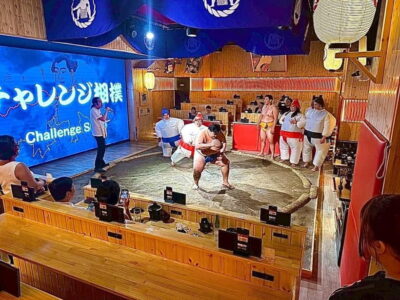 ★ 4.9Sapporo: Sumo Show Experience with Japanese food & PhotoFrom $772 hours
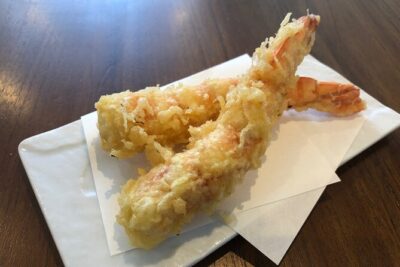 ★ 5.0Mondo’s most popular plan! Experience making soba noodles and the king of Japanese cuisine, tempura, in Sapporo!From $85
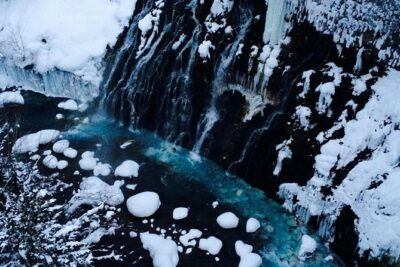 ★ 5.0【Private Car】Asahiyama Zoo, Blue Pond, Shirahige Falls, Ningle Terrace (from Sapporo)From $465
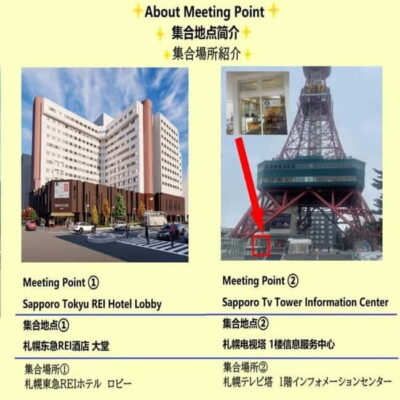 ★ 4.0Hokkaido Noboribetsu Lake Toya Tour from SapporoFrom $66
 ★ 5.0Sapporo 6hr Private Tour with Government Licensed GuideFrom $155
 ★ 4.6From Sapporo: Hokkaido Highlights Day TripFrom $64
 ★ 5.0Sapporo 4hr Private Tour with Government Licensed GuideFrom $122
Browse the lists this tour appears in