
Reviewed · SNOWSHOE & WINTER TOURS
Lake Tachibana: Snowshoe to a frozen lake!
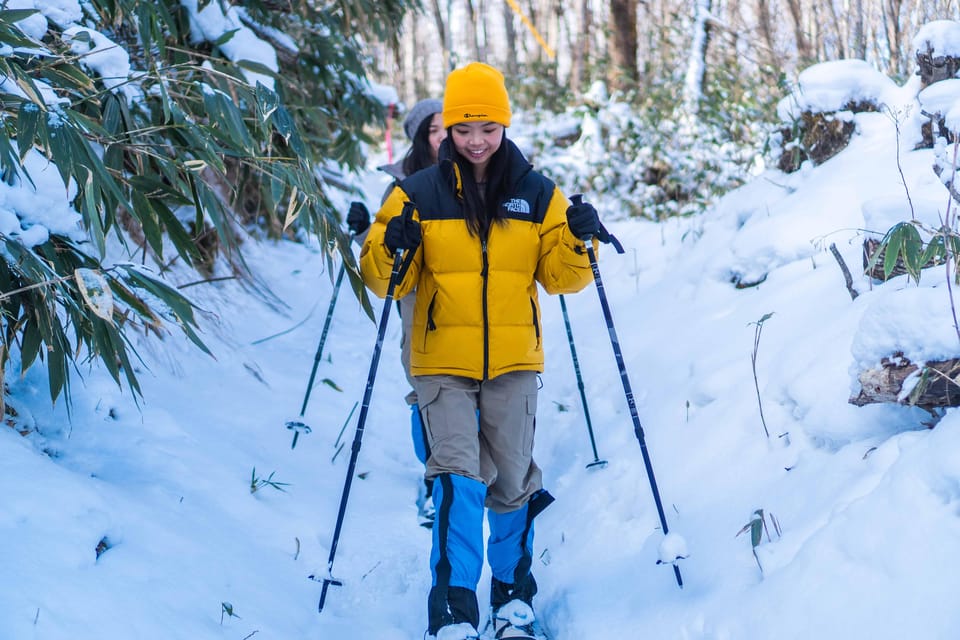
A frozen lake, snowy woods, and almost no one else around: that is the appeal of this small-group snowshoe hike near Noboribetsu. From Karurusu Onsen, you climb through white forest to Lake Tachibana, where winter ice creates strange shapes along the shore. Guide Aidan keeps the pace relaxed and points out animal tracks and plants along the way.
I like the peaceful setting and the fact that the tour gets you far from Noboribetsu’s busier sights. I also like the practical touches: pickup, snowshoes, gaiters, and a hot drink at the lake. The catch is simple: this is a real physical outing, not a gentle stroll. You cover about 4 kilometers over uneven snow, with uphill and downhill sections, and the cold can bite.
Key points to know before you book
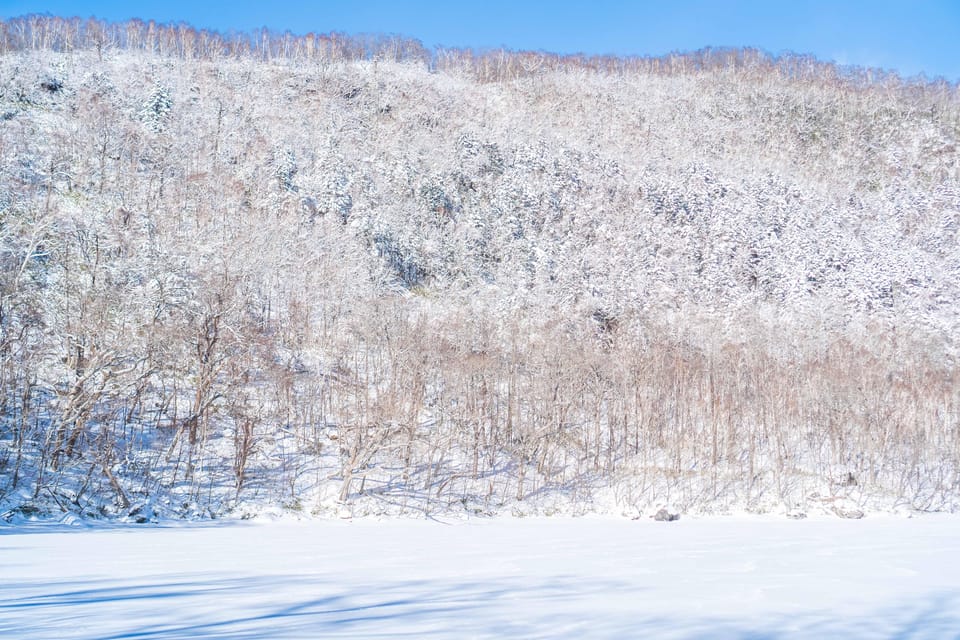
- Lake Tachibana freezes solid each winter, creating ice formations and a striking white setting.
- The route begins in Karurusu Onsen and takes just over an hour to reach the lake.
- Aidan guides the hike in English or Japanese, with a friendly, low-pressure approach.
- Pickup and drop-off are included from Noboribetsu and Noboribetsu Onsen.
- The group is limited to seven people, useful for a quieter walk and a pace that can be adjusted.
- Warm waterproof clothing matters, since jeans are not allowed and mountain weather can change fast.
A quiet winter route from Karurusu Onsen
This outing begins in Karurusu Onsen, a smaller hot-spring area near Noboribetsu. Pickup is included from accommodations in Noboribetsu and Noboribetsu Onsen, which saves you from sorting out winter transport before sunrise or after a tiring hike.
Look for a grey or black Mitsubishi Delica with license plate 207. You need to provide the name of your hotel or accommodation when booking. The drive is part of the transition from resort town to forest, but the main event begins when you put on the snowshoes.
The route runs about 4 kilometers in total. It takes just over an hour to reach Lake Tachibana, depending on snow and group pace. The trail first feels fairly flat, then gradually rises toward a ridgeline. After crossing the higher section, you descend the other side toward the lake.
That shape gives the walk some variety. You are not simply following a level path through the trees, but you are also not tackling a major mountain climb. Still, the snow changes everything. A short uphill section can take real effort when each step sinks or slides, even with snowshoes.
A few more Noboribetsu tours and experiences worth a look

What the forest walk feels like
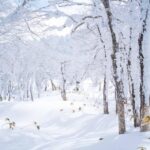
The woods are the main event for much of the first half. Snow covers the ground and branches, muting sound and making the route feel far removed from Noboribetsu’s hot-spring streets.
Aidan uses the walk to point out animal tracks, plants, and details you could easily miss while concentrating on your feet. This is one reason a guide adds real value here. In a snowy forest, a track in the powder can be more interesting than a dramatic viewpoint, but you need someone who knows what to look for.
The small group size helps. With no more than seven participants, the guide can match the pace of the group and keep an eye on footing. Aidan has been praised for making the outing feel relaxed rather than rushed, and for adjusting to an individual’s pace during the climb. That matters on snow, where a fast group can quickly turn a pleasant walk into a slog.
You should still expect exertion. The hike includes uneven terrain, uphill and downhill sections, and a total distance of about 4 kilometers. It is suitable for people who can manage a winter hike without assistance, but it is not designed for children under 16, wheelchair users, or people over 70.
Reaching the frozen lake
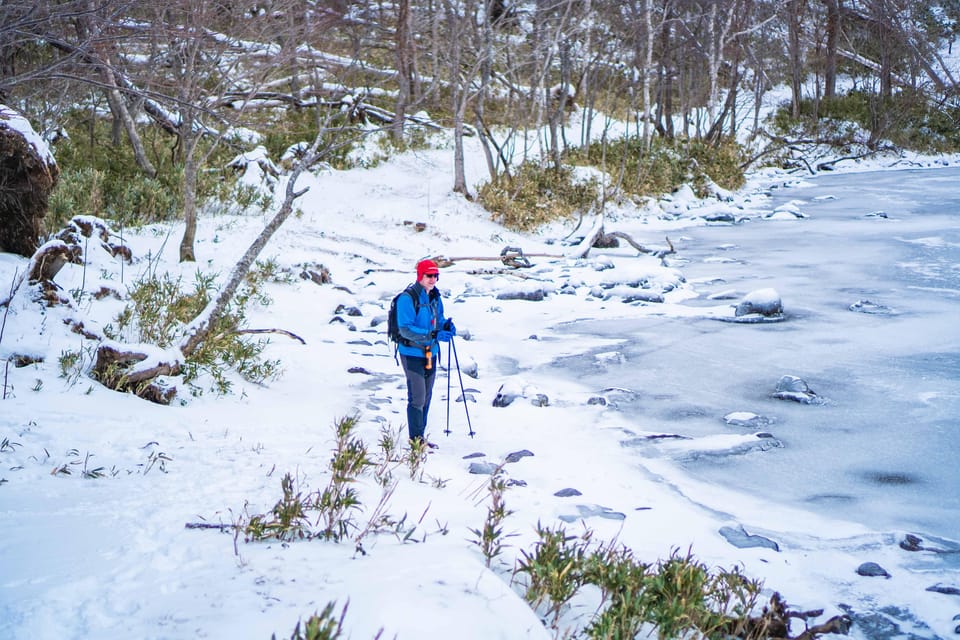
After the ridgeline, the route drops toward Lake Tachibana. The lake freezes in winter, and the surrounding forest turns white. The reward is not a developed viewing platform or a long list of attractions. It is the feeling of arriving somewhere quiet and remote under your own power.
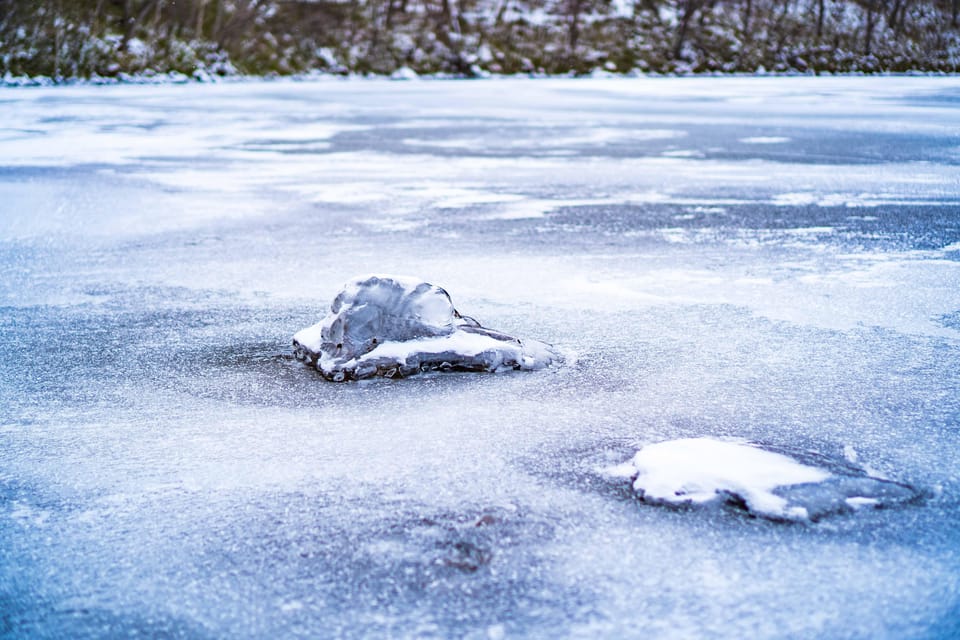
The ice formations are a special part of the stop. Exact shapes depend on the weather, but frozen edges and uneven ice give the lake a more natural, raw appearance than a polished winter attraction. You get time to pause, take in the setting, and recover from the climb.
A hot drink is served at the lake, with tea, coffee, or hot chocolate available. Crackers have also been provided on the outing, though they are not listed as a formal inclusion, so you should not depend on them as a meal. The drink is a small touch, but it makes a big difference after walking through cold snow.
This is also the best point for photographs, although your hands may be cold and your phone battery may suffer in the weather. Keep your camera or phone in an accessible pocket, but protect it from snow. You will want both hands free while walking, especially on the descent.
Snowshoes, gaiters, and clothing
Snowshoes are included, along with gaiters. Hiking poles are available if requested, and they can be useful on the ridgeline or during the downhill section.
The tour does not provide warm clothing, footwear, or a backpack. Bring your own winter layers and high-sided hiking shoes or boots. Waterproof shoes are strongly preferred because snow can work its way into low footwear, leaving you cold and wet before the walk is finished.
A practical clothing setup includes:
- A waterproof coat
- Waterproof trousers
- Thin warm layers that you can adjust
- Warm gloves
- A hat
- A scarf or neck warmer
- Waterproof hiking shoes or high-sided boots
- A small backpack for spare layers and water
One useful tip from the experience is to bring a proper scarf and warm gloves. Your nose may run in the cold, and your hands can freeze while you stop for photos or drinks. Thin warm layers worked well for one participant, but the important point is to stay dry and keep adding insulation before you feel chilled.
Do not wear jeans. They hold moisture and become uncomfortable quickly in winter conditions. Bring water too, even though the tour includes a hot drink. A light backpack is enough for the essentials.
How difficult is the 210-minute tour?
The stated duration is 210 minutes, or three and a half hours. That includes transport arrangements, gearing up, the walk to the lake, time by the ice, and the return journey on foot. The route itself is only about 4 kilometers, but deep or uneven snow makes distance a poor guide to difficulty.
The climb to the ridgeline is the hardest part. Snowshoes help keep you from sinking deeply, but they do not remove the effort. You should be comfortable walking uphill and downhill on uneven ground for several hours.
The return route may feel easier because you know the terrain, but descending in snow can challenge your balance. Hiking poles are worth requesting if you like extra support. Aidan can adjust the pace, but he cannot change the basic demands of the route.
Mountain weather can turn quickly, even when Noboribetsu is sunny. Wind can feel much colder in the forest and by the lake. The tour may be canceled or postponed if conditions become unsafe. If someone is injured or the guide decides the route is no longer safe, the tour ends.
You also need your own travel insurance. Nobo Tours does not provide insurance for participants. That is a practical point worth taking seriously for any activity involving snow, uneven ground, and remote forest.
A few more Noboribetsu tours and experiences worth a look
Why the small group matters
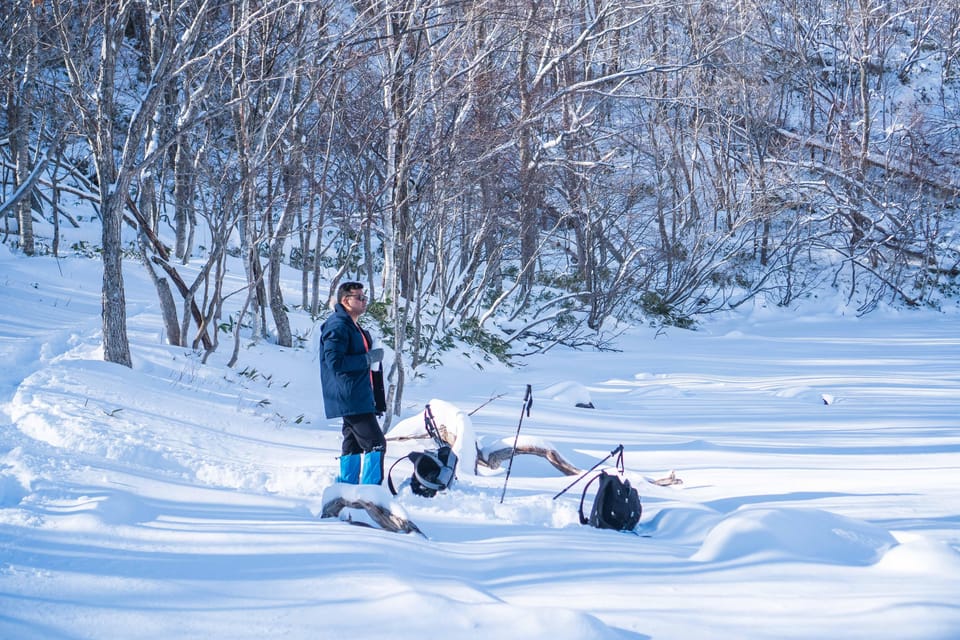
A maximum of seven participants gives this tour a more personal feel than a large coach-based winter outing. You spend less time waiting for people to catch up, and it is easier for the guide to explain animal tracks or plants without shouting.
It also suits people who prefer a calm outing. The tone is friendly and low pressure, more like a walk with a capable local guide than a tightly scripted show. Aidan has been described as friendly, smiling, and informative, while also matching the pace of the person climbing most slowly.
That does not mean the experience is private. Other participants may join, and the group’s ability level can affect the pace. But the seven-person limit gives you a better chance of a quiet forest walk and direct attention from the guide.
The English and Japanese language options make the tour accessible to a wider range of visitors. If you have questions about pace, poles, or clothing, ask before setting out. Clear communication is especially helpful when weather conditions change.
Is $96 a fair price?
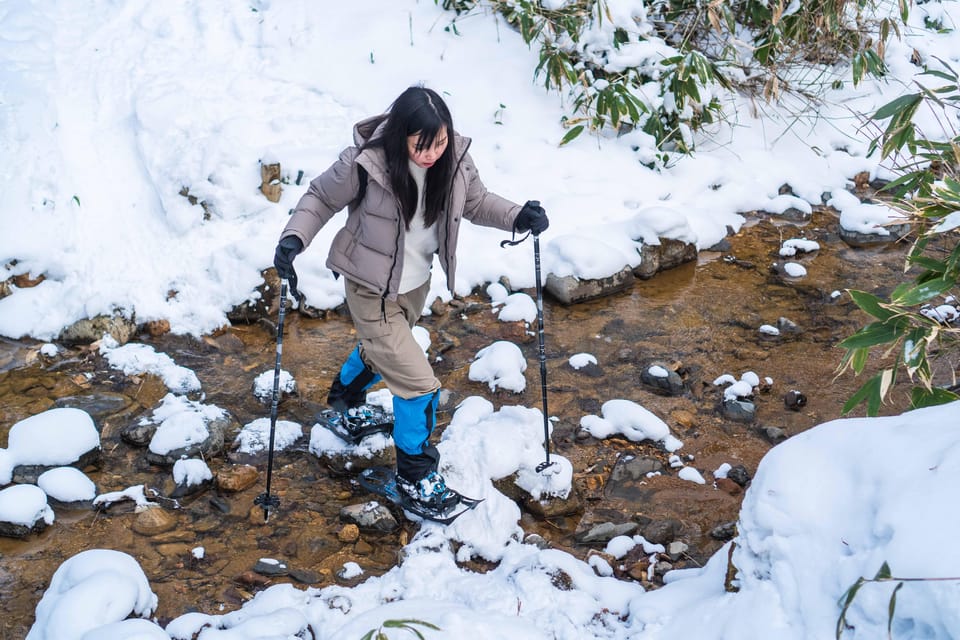
At $96 per person, this is not the cheapest way to spend a morning in Hokkaido. But the price includes pickup and drop-off, snowshoes, gaiters, an English or Japanese-speaking guide, and a hot drink. That saves you from renting winter equipment separately and arranging transport to a less-visited trailhead.
The value also depends on what you want from Noboribetsu. If your ideal winter day means walking short distances between cafés, shops, and hot springs, this outing may feel like too much work. If you want a genuine outdoor experience and a quiet setting, the price is easier to justify.
You are paying for access, equipment, route guidance, and a small group rather than for a long list of stops. Lake Tachibana is not presented as a major sightseeing attraction with facilities and crowds. Its value comes from the walk, the stillness, and the sense of reaching the frozen lake under your own effort.
The strongest value comes for visitors who would otherwise need to rent snowshoes, find the trail, arrange transport, and judge winter conditions alone. Here, those tasks are handled for you. You still need to bring suitable clothing and insurance, so the tour is not entirely all-inclusive.
Morning or afternoon?
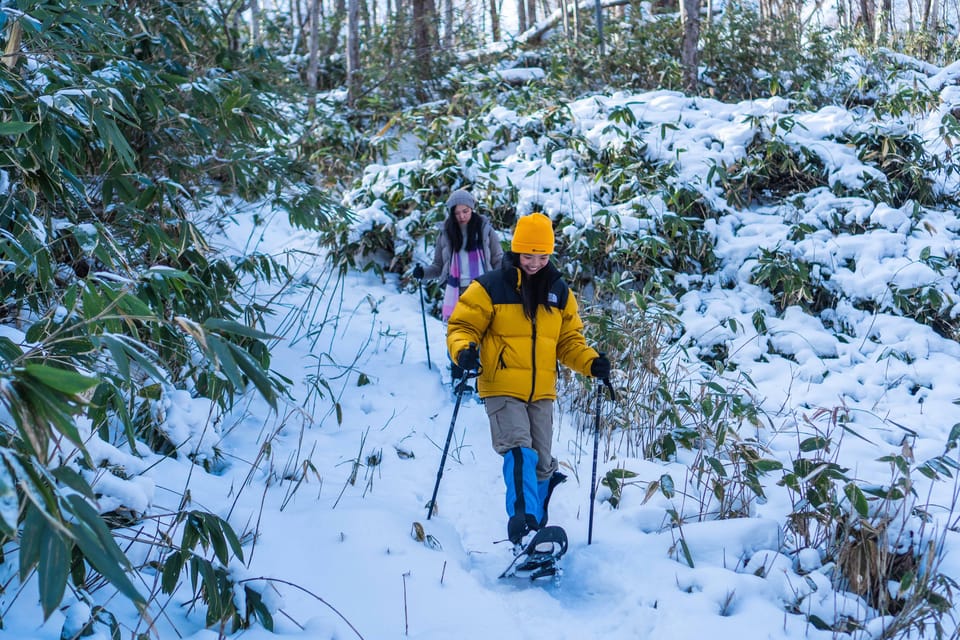
A morning departure may be the smartest choice if you are staying in Noboribetsu Onsen. Finishing earlier leaves time to soak in one of the area’s hot springs afterward, which is an excellent way to warm up tired legs.
Starting time depends on availability, so check the schedule before booking. The key choice is less about seeing a different attraction and more about how you want to arrange the rest of your day.
After a morning hike, an onsen visit gives the day a satisfying rhythm: cold forest first, hot water afterward. If you prefer a slower start, an afternoon outing can work, but remember that winter daylight is limited and mountain weather can shift quickly. The provider decides whether to cancel or postpone when conditions are poor.
Who should book this snowshoe hike?

I would recommend this tour to adults and older teens who enjoy active days, quiet places, and simple outdoor rewards. It is a good match if you want to see a less-visited part of Hokkaido and are happy to work for the view.
You will probably enjoy it most if you:
- Can walk 4 kilometers over uneven snow
- Are comfortable with gradual climbs and descents
- Own or can bring waterproof winter clothing
- Prefer a small group to a large organized excursion
- Like learning about tracks and plants along the way
- Want to combine an outdoor activity with a Noboribetsu onsen visit
Think twice if you dislike cold weather, have trouble walking on uneven ground, or want a short, easy photo stop. The lake is the reward for the route, not a place you can reach by vehicle.
Booking details worth knowing
The tour lasts 210 minutes and has a maximum of seven participants. Pickup and drop-off are available from Noboribetsu and Noboribetsu Onsen, but you need to give the provider your accommodation details.
You can cancel up to 24 hours before the activity for a full refund. Reserve-now, pay-later booking is available, which helps if your Hokkaido plans are still shifting.
Bring warm clothing, hiking shoes, and water. Request hiking poles if you want them. The tour is offered with a live guide in English or Japanese.
Should you book Lake Tachibana?
Book it if you want a proper winter outing rather than a quick scenic stop. The combination of snow-covered forest, a frozen lake, ice formations, and a hot drink gives you a memorable three and a half hours away from Noboribetsu’s main tourist route.
The best reason to go is the quiet. The forest may be entirely yours during the walk, and the small group keeps the experience personal. Aidan’s calm pacing and attention to tracks, plants, and changing ability levels are especially useful on a route where snow makes every step count.
Skip it if you lack waterproof clothing, want an easy walk, or cannot manage uneven terrain. For everyone else, this is a strong choice for an active day near Noboribetsu, especially when you schedule it in the morning and follow it with a long soak in an onsen.
FAQ
Where is the Lake Tachibana snowshoe tour located?
The tour is in Hokkaido, near Noboribetsu. It begins in Karurusu Onsen and travels through snowy forest to Lake Tachibana.
How long does the activity last?
The activity lasts 210 minutes, or three and a half hours.
How far do you walk?
You cover about 4 kilometers over uneven terrain, including uphill and downhill sections.
Is pickup included?
Yes. Free pickup and drop-off are available from Noboribetsu and Noboribetsu Onsen. Look for a grey or black Mitsubishi Delica with license plate 207, and provide your accommodation details when booking.
What equipment is provided?
Snowshoes and gaiters are included. Hiking poles are available if requested. A hot drink of tea, coffee, or hot chocolate is also included.
What should I bring?
Bring warm clothing, hiking shoes, and water. Waterproof clothing and high-sided hiking shoes or boots are preferred. Hats, gloves, and a scarf or neck warmer are also useful.
Is the tour suitable for children?
No. The tour is not suitable for children under 16 years old. It is also not suitable for wheelchair users or people over 70 years old.
What happens if the weather is bad?
The tour may be canceled or postponed if bad weather occurs. If there is an injury or the guide decides it is unsafe to continue, the tour will finish. Participants must arrange their own insurance because Nobo Tours does not provide insurance.
More Winter Activities in Noboribetsu
More Snowshoe & Winter Tours in Noboribetsu
More tours in Noboribetsu we've reviewed
Snowshoe & Winter Tours, compared.
 ★ 5.0Snowshoeing and Onsen Adventures in a Winter Wonderland -Sapporo.From $224
 ★ 5.0Sapporo Winter : Asahiyama Zoo (Penguin Fun & Snowmobile)From $589 hours - 1 day
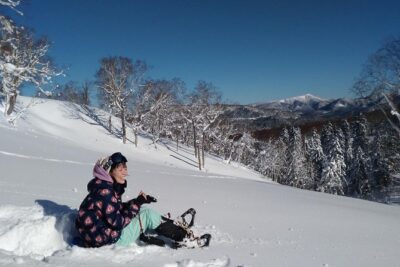 ★ 5.0Snowshoe Hike Tour from Sapporo include hotel p/up & drop offFrom $308
 ★ 4.02026 Lake Shikotsu Ice Festival in HokkaidoFrom $58
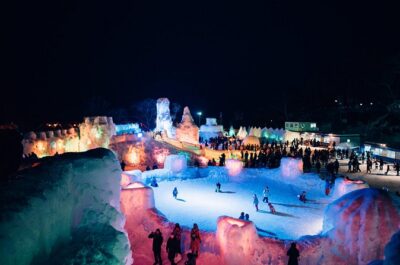 ★ 5.0Explore Lake Shikotsu Ice Festival (night tour)From $59
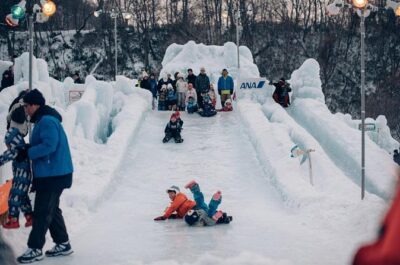 ★ 5.0Explore Shikotsu Ice Festival (day tour)From $59
 ★ 5.0Bamboo Ice Cave: Snowshoe to see a natural phenomenon!From $1546 hours
 ★ 4.5Winter Asahiyama Zoo and blue pond “Aoi-Ike” 1 Day bus tourFrom $85
Browse the lists this tour appears in