
Reviewed · NOBORIBETSU & LAKE TOYA TRIPS
1-Day Pass for Noboribetsu Date Jidaimura
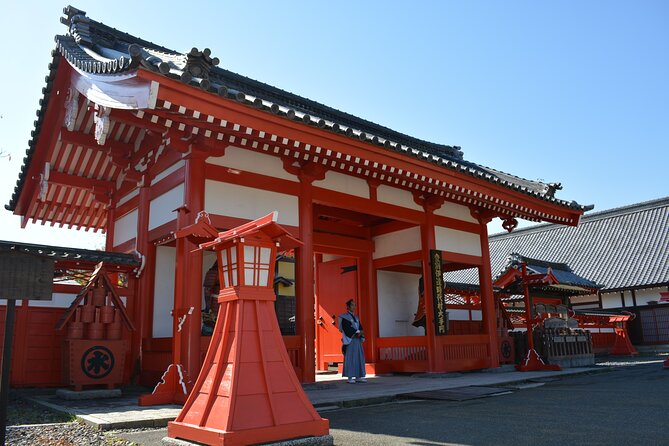
Noboribetsu Date Jidaimura turns a visit to Japan’s past into a walk through a working stage set. You can move among samurai homes, ninja quarters, village shops, and old-style streets while performers present the customs and stories of the Edo period. I like the hands-on, family-friendly setting and the chance to see several kinds of theater in one place. The main drawback is that this is a reenactment park, not an untouched historic town, so visitors seeking quiet ruins or museum-level detail may find it too theatrical.
I especially like the ninja, townspeople, and Oiran performances, which give the village more life than a simple collection of buildings. At $19.55, the pass is sensible if you plan to stay for a few hours and catch multiple shows, but less attractive if you only have time for a quick walk-through.
Key points
- Edo-period village streets: Walk among reconstructed homes, shops, and public spaces designed to show daily life from the 17th to 19th centuries.
- Several types of live theater: Look for ninja action, courtesan performances, and scenes featuring ordinary townspeople.
- A useful stop after Noboribetsu hot springs: The village pairs well with a day in the resort area.
- Good for mixed-age groups: Traditional games, performances, and visual settings give children and adults different ways to connect with the past.
- Self-guided admission pass: No guide is named or assigned, so you set your own pace and choose which activities to watch.
- Plan around the 9 a.m. to 4 p.m. day: Food, transport, and drinks cost extra, and your voucher must be exchanged at the counter.
Entering Edo-period Noboribetsu
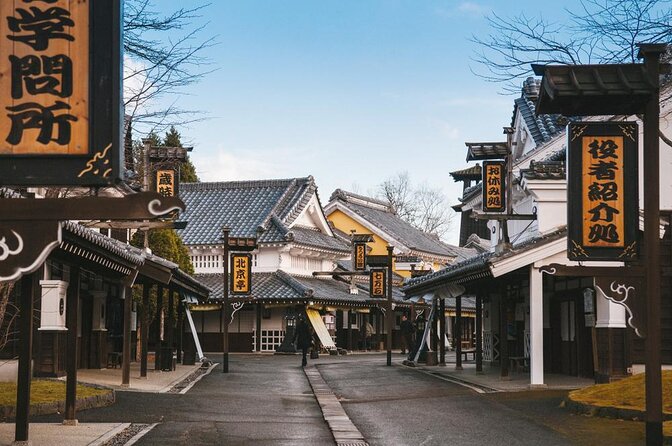
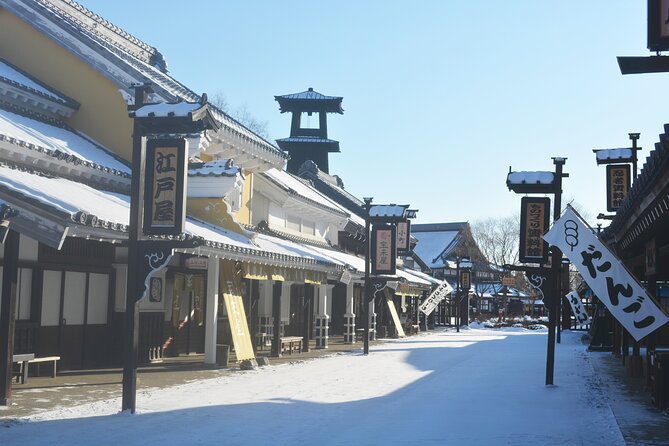
Noboribetsu Date Jidaimura, also called Noboribetsu Date Historic Village, is built to show Japan during the Edo period, the long era from the 17th through the 19th century. You are not simply looking at artifacts behind glass. You are walking through a reconstructed town where actors, buildings, games, theater, and food settings work together.
That distinction matters. I would describe this as historical theater with educational value, rather than a formal history museum. The village uses familiar figures of old Japan, including samurai, ninja, villagers, and Oiran courtesans, to help you picture how society looked and felt.
You can speak with the Edo-style townspeople and watch scenes based on customs and folk tales. Those encounters will not give you a full academic course in Japanese history, but they can make later visits to museums, temples, castles, and historic districts easier to understand.
The pass costs $19.55 per person. That is a reasonable price if you stay long enough to see the shows, explore the homes, try traditional games, and perhaps eat at the old-fashioned noodle restaurant. If you plan only a short stop between other Noboribetsu sights, the value becomes less clear.
A few more Noboribetsu tours and experiences worth a look



What the one-day pass actually covers

Your admission fee and taxes are included. The pass gives you access to Noboribetsu Date Jidaimura for the day, with its streets, historical settings, theater, performances, and village activities.
The pass does not include food or drinks. It also does not include transportation to or from the attraction, hotel pickup, or hotel drop-off. You need to arrange your own way to the village and budget separately for anything you eat or drink inside.
The experience can last from about one hour to as long as eight hours. That wide range tells you something useful: there is no fixed tour route or tightly timed group schedule. You can make a quick cultural stop, or treat the park as a half-day outing.
Your ticket is held at the theme park counter for exchange when you arrive. Bring your voucher on the day of use. The pass is promoted as a way to avoid the usual ticket-buying process, but you should still allow time for the counter exchange.
No personal guide is assigned, and no guide name is provided. You should expect to explore independently, with performers and staff supplying the human contact during the visit.
Walking through samurai homes and village shops
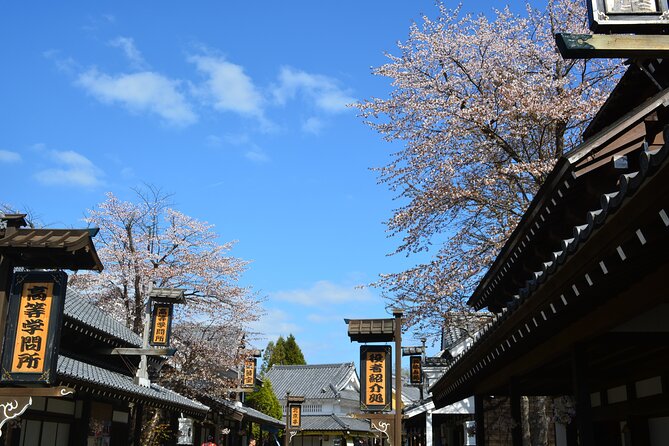
The buildings are the heart of the experience. You can see homes associated with samurai and ninja, along with stores used by ordinary villagers. These settings help show that Edo-period life was not only about famous warriors and grand castles.
I like this part because it gives you a sense of social contrast. A samurai home suggests status and duty. A ninja setting points toward secrecy and military skill. The village shops bring the focus back to daily needs, trade, and ordinary routines.
The setting also gives children something concrete to follow. Instead of hearing a long explanation about social classes, they can move from one type of building to another and notice the difference in atmosphere. Adults can use the same walk to think about how popular images of old Japan compare with everyday life.
Still, keep your expectations in check. The village is designed for presentation and entertainment. The homes and shops are there to create a convincing Edo-period scene, but the attraction is not presented as an original preserved town.
Take your time with the buildings rather than racing from show to show. A quick circuit may cover the main streets, but you will get more from the pass if you pause to look at the village details and connect them with the performances.
Ninja action, Oiran theater, and village scenes
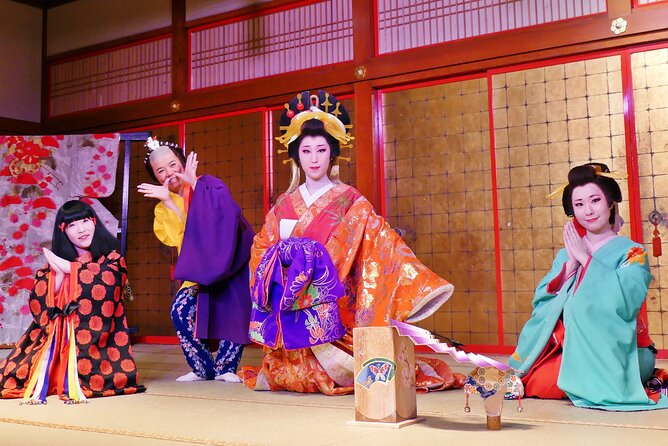
The live shows receive the strongest praise in the available feedback, especially the theater presentations. The program includes ninja performances, courtesan theater, and scenes involving the townspeople.
The ninja material is likely to be the most immediately exciting for children and for anyone drawn to action. It adds movement and humor to a day that could otherwise feel like a series of static displays.
The Oiran performances offer a different window into Edo-period culture. Oiran were high-ranking courtesans with a carefully controlled public image, elaborate clothing, and formal movements. At Jidaimura, the subject appears through staged performance rather than an academic lecture, so you see an aspect of Edo culture that is rarely part of a standard sightseeing route.
The townspeople’s scenes help balance the more dramatic figures. They bring the village back to ordinary life and show how a historic community might have functioned as a social space.
The theater is also what makes the price easier to justify. If you only inspect the buildings, you may finish quickly. If you plan around several presentations, the visit becomes a fuller outing with a clear rhythm: walk, watch, explore, and stop for food or a game.
Show times are not supplied in the available details, so check the schedule when you arrive. A little planning will help you avoid wandering the village just as a performance begins or ends.
Traditional games and everyday Edo culture
The attraction includes traditional games and activities, giving you a break from simply watching actors. These small diversions are useful because they turn cultural history into something you can try rather than only observe.
For children, that can be the difference between a memorable visit and a long walk past buildings. For adults, the games offer a simple way to think about entertainment before modern screens, amusement centers, and mass media.
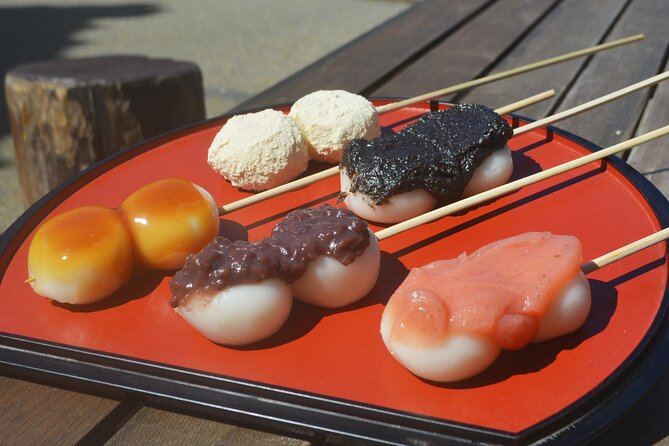
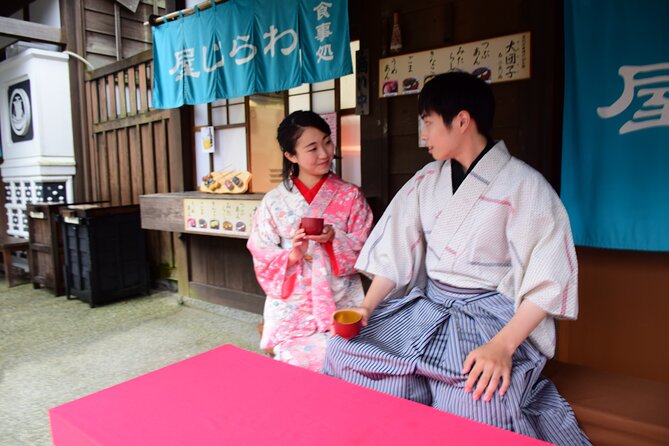
You can also see village shops and an old-fashioned noodle restaurant. Food is not part of the admission price, but the restaurant adds to the period setting and gives you a practical reason to pause.
I would not plan the entire visit around dining, since the available information does not provide menus or prices. Think of the restaurant as an optional part of the setting, not a guaranteed culinary highlight.
The same applies to individual activities. The pass includes entry and the attraction’s offerings, but not every possible purchase inside. Bring extra money if you want food, drinks, or other paid items.






How much time should you allow?
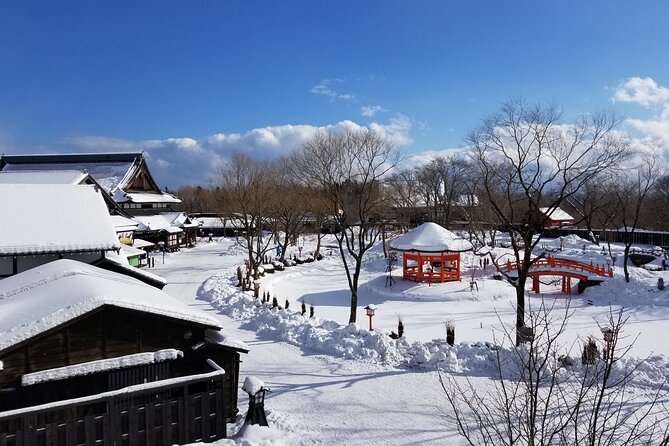
The official duration is about one to eight hours. That may sound vague, but it is helpful when planning a Noboribetsu day.
Allow around an hour if you want a brisk look at the streets and buildings. You may catch little or none of the theater at that pace, depending on the schedule.
A few hours is the better target for most people. That gives you time to see the main areas, watch at least some of the ninja, Oiran, or townspeople performances, and stop for a traditional activity or meal.
A longer visit makes sense if you enjoy staged history, are traveling with children, or want to see several presentations. The park is open from 9 a.m. to 4 p.m. during the listed operating periods, so an early start gives you the broadest choice of timing.
The available operating dates list October 11, 2025 through March 31, 2026, and October 11, 2026 through March 31, 2027, with opening hours of 9 a.m. to 4 p.m. Monday through Sunday. Check the date carefully when booking, especially if your trip falls outside those ranges.
Pairing the village with Noboribetsu hot springs
This attraction works particularly well alongside Noboribetsu’s hot-spring area. One piece of feedback describes using it as a day trip after visiting the hot springs, which makes good practical sense.
The hot springs give you the natural and relaxing side of Noboribetsu. Date Jidaimura adds a cultural and theatrical stop. Together, they create a fuller day without requiring a separate long-distance excursion.
You need to arrange transport between your accommodation, the hot springs, and the historic village because transfers are not included. The information provided does not specify the transport method or travel time, so do not assume a hotel shuttle is part of the pass.
If you are already nearby, the $19.55 admission is easier to justify. If reaching the attraction requires a costly or complicated journey, include that expense before deciding whether the pass fits your budget.
Who will get the most from this experience?
I would recommend this attraction most strongly to families, first-time visitors to Japan, and anyone who likes history presented through live action.
Children can follow the visual story of samurai, ninja, courtesans, and villagers without needing to read long museum panels. Adults get a broader look at social customs, folk tales, clothing, performance, and the layout of a historic-style town.
It also suits visitors who want a break from temples and museums. The performances add energy, while the buildings and games keep the visit from becoming only a stage show.
You may want to skip it if you strongly prefer original historic structures, quiet cultural sites, or detailed scholarly interpretation. This is a purpose-built reenactment village, and its appeal depends on your comfort with actors, theatrical scenes, and a theme-park format.
The maximum group size is listed as 15 people, though the product is an admission pass rather than a guided group tour. That means you should not expect a private tour or a dedicated escort.
Is $19.55 good value?
At $19.55, the pass offers fair value when you use it as a several-hour cultural outing. The strongest case for booking comes from the combination of access to the village, multiple kinds of performances, traditional games, historical buildings, and the chance to eat in an old-style setting.
The value drops if you arrive late, stay for only an hour, or miss the theater schedule. Since food, drinks, transportation, and hotel transfers are extra, your real cost will be higher than the admission price.
I would compare it with your day plan rather than judge the price alone. If you are already visiting Noboribetsu and can give the village a few hours, it is a practical addition. If you have only a narrow gap in your schedule, choose it mainly if the performances are a priority.
The 4.5 rating from 11 reviews and 91 percent recommendation suggest a generally strong response, with theater receiving particular praise. The sample size is small, so I would treat those figures as encouraging rather than conclusive.
Booking, cancellation, and arrival tips
The experience has free cancellation if you cancel at least 24 hours before the start time. Cancellations or changes made less than 24 hours before the start time are not accepted for a refund, and cut-off times follow local time.
Confirmation is provided at booking. Bring the voucher for exchange at the counter when you arrive.
The attraction is listed as suitable for most people, and the maximum group size is 15. Specific accessibility details are not provided, so contact the provider if you need information beyond that general statement.
I would arrive early enough to exchange the voucher and check the day’s performance schedule. Starting near opening time also gives you a better chance of fitting in buildings, shows, games, and a meal before the 4 p.m. closing time.
Should you book Noboribetsu Date Jidaimura?
Book this pass if you want Japanese history presented with actors, action, humor, and reconstructed streets. The theater is the biggest reason to go, while the samurai and ninja homes, traditional games, and village shops give the shows a useful setting.
I would especially choose it after a hot-spring visit, when you want a cultural activity that is easy to enjoy without committing to a formal guided tour. Families and visitors curious about Edo-period customs should find plenty to hold their attention.
Skip it if your main goal is an untouched historic site or a quiet museum. For everyone else, $19.55 is a reasonable fee for a flexible visit, provided you allow enough time to see more than the entrance street.
FAQ
What is included in the 1-Day Pass for Noboribetsu Date Jidaimura?
The pass includes admission to Noboribetsu Date Jidaimura and all fees and taxes.
How much does the pass cost?
The listed price is $19.55 per person.
How long does the visit take?
The experience can last from about one hour to eight hours, depending on how many buildings, activities, and performances you see.
What are the opening hours?
The listed opening hours are 9 a.m. to 4 p.m., Monday through Sunday, during the operating periods provided.
What dates are listed for operation?
The listed periods are October 11, 2025 through March 31, 2026, and October 11, 2026 through March 31, 2027.
Is transportation included?
No. Transportation to and from the attraction, hotel pickup, and hotel drop-off are not included.
Are food and drinks included?
No. Food and drinks are extra.
How do I collect my ticket?
Your ticket is held at the counter for exchange when you arrive. Bring your voucher on the day you visit.
Can I cancel for a refund?
Yes. You can cancel for a full refund up to 24 hours before the experience start time. Cancellations or changes made less than 24 hours in advance are not refunded or accepted.
More Noboribetsu & Lake Toya Trips in Noboribetsu
More tours in Noboribetsu we've reviewed
Noboribetsu & Lake Toya Trips, compared.
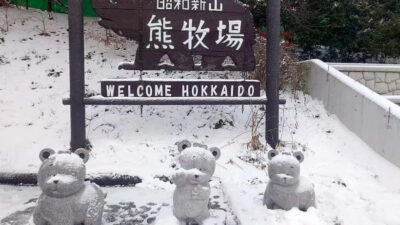 ★ 4.7Hokkaido Seasonal: Lake Toya & Noboribetsu Jigokudani ValleyFrom $551 day
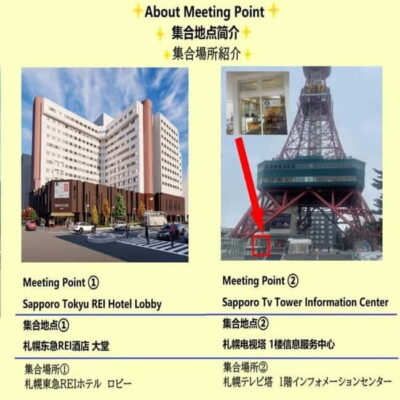 ★ 4.0Hokkaido Noboribetsu Lake Toya Tour from SapporoFrom $66
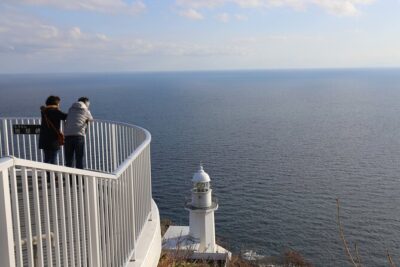 ★ 5.0[Departure from Sapporo] Noboribetsu Jigokudani, Lake Toya, Cape Chikyu by private carFrom $404
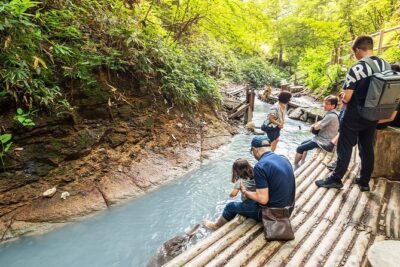 ★ 3.5Hokkaido Noboribetsu Lake Toya, Otaru Panoramic Tour From SapporoFrom $120
 ★ 5.0Lake Toya and Noboribatsu Hell Valley Private Day TripFrom $365
 ★ 5.0Hike Mt. Usu and visit Lake Toya Day TourFrom $156
 ★ 5.0Noboribetsu: Orofure Pass Snowshoeing TourFrom $1545 hours
 ★ 5.0Mt. Usu: Hike to the crater and see the stunning Lake Toya!From $161
Browse the lists this tour appears in