
Reviewed · NOBORIBETSU & LAKE TOYA TRIPS
Hokkaido Seasonal: Lake Toya & Noboribetsu Jigokudani Valley
The most striking moment comes at Noboribetsu Jigokudani, where steam pushes out of sulfurous vents beside snow-covered paths. At Lake Toya, the mood changes completely: Japan’s third-largest caldera lake spreads beneath forests, volcanic islands, and, on a clear day, Mount Yotei.
I like the variety packed into one day. You move from lake views to a snowy farm, volcanic scenery at Showa Shinzan, and the hot-earth drama of Hell Valley. I also like the optional snowmobile ride, which can take you beyond the usual viewpoint and provide the day’s biggest thrill.
The main caution is the schedule. This is a long, weather-dependent day, and lunch, drinks, attraction tickets, and snowmobiling cost extra. Heavy snow can close paths, hide the lake, or make a paid snowmobile ride feel slower and less rewarding.
Key points to know before booking
- Lake Toya offers the big winter view: Snowy shores, volcanic islands, forests, and Mount Yotei may line up in one panorama.
- Snowmobiling is optional and costs extra: It is often the highlight, but conditions can be cold, wet, or too poor for a good view.
- Noboribetsu Jigokudani brings the geothermal drama: Boardwalks lead through a steaming volcanic basin, with a sulfur foot onsen experience available.
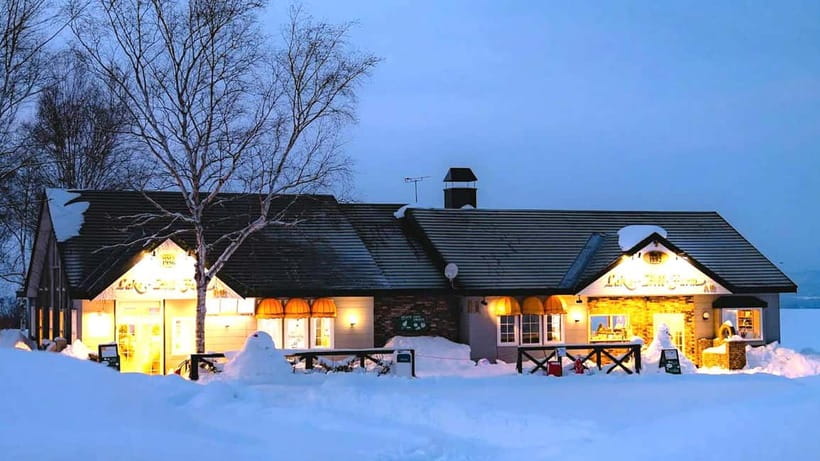
- Lake Hill Farm adds a gentler stop: Try fresh milk or ice cream, and enjoy the quiet snow-covered farm setting.
- Showa Shinzan is a flexible break: You get time for volcanic views and lunch at your own expense.
- The guide can make a big difference: Guides such as Mila, Lin, Mr. Hong, Sunny, and Triple Stone have been praised for clear explanations, photos, and practical tips.
From Sapporo to a snowy volcanic world
This one-day trip is designed for you if you want to see several of Hokkaido’s major natural sights without arranging a complicated series of buses and trains. The $55 price covers the guided tour, round-trip transport, driver, fuel surcharge, parking, and tolls. For a day reaching Lake Toya and Noboribetsu from Sapporo, that is a fair starting price.
It is not an all-inclusive day out. You pay for food and drinks, personal costs, any attraction tickets not covered by the listed inclusions, and the optional snowmobile ride. Keep extra money ready for lunch, snacks, farm treats, and the snow activity.
The route is especially appealing in winter, when snow gives the volcanic scenery a sharp contrast. Steam rises against white ground, and the open views around Lake Toya can look almost monochrome except for dark forests and volcanic slopes. The tradeoff is that winter conditions control the day. Road traffic, early closures, wind, and snowfall can change the order or length of stops.
Guides speak Chinese or English. If the group is small, the driver may also guide, with limited English commentary and no talking while driving. That arrangement can work well, but you should not expect the same level of commentary on every departure.
A few more Sapporo tours and experiences worth a look
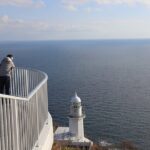
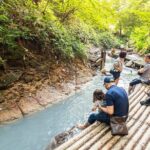
Lake Toya: the day’s grandest view
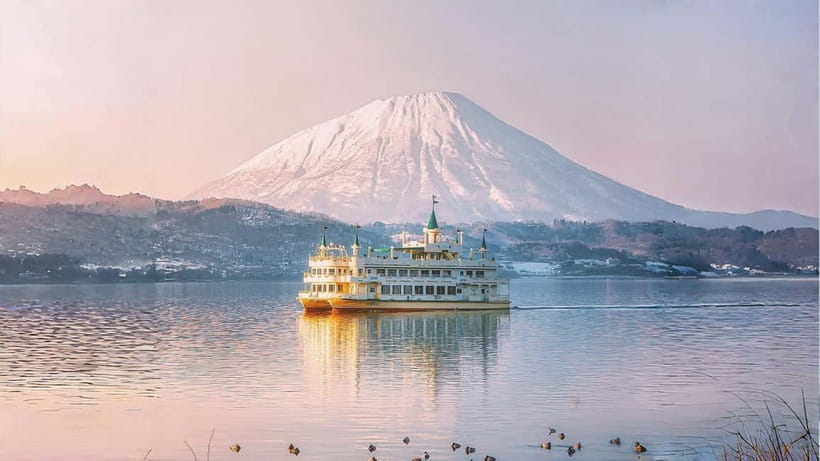
The first major stop is the Lake Toya Observation Deck. The lake occupies a huge volcanic caldera, and its broad surface is framed by wooded shores, mountain ridges, and volcanic islands. Mount Yotei may appear in the distance, often recognized for its almost symmetrical cone and twin-peaked profile.
This is the place to take in the scale of Hokkaido. You are not looking at a tight town view or a single monument. You are looking across a wide body of water shaped by volcanic forces, with snow softening the edges of the surrounding mountains.
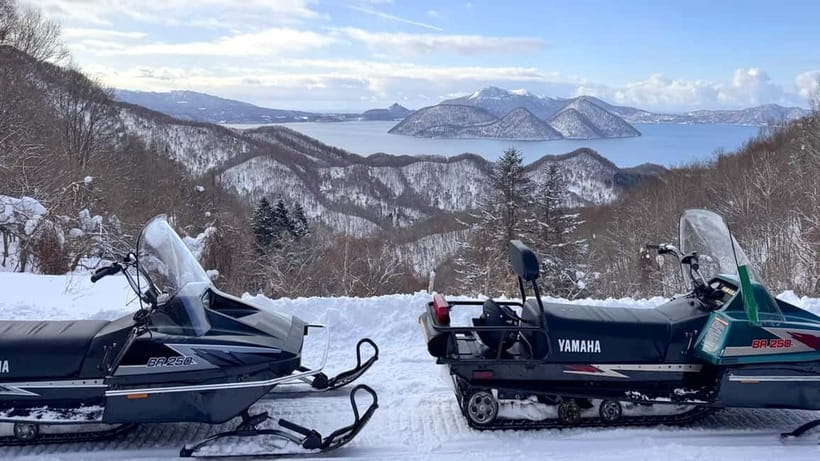
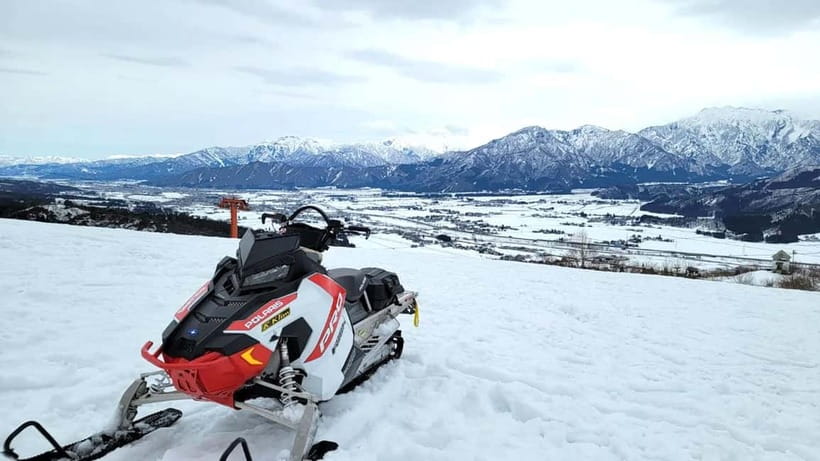
Clear weather makes a big difference. On one good winter day, the sky cleared during the snowmobile break and opened a fine view across Lake Toya. On another, heavy snow hid the lake and forced the ride to proceed slowly. You should treat the panorama as a gift of the weather, not a guarantee.
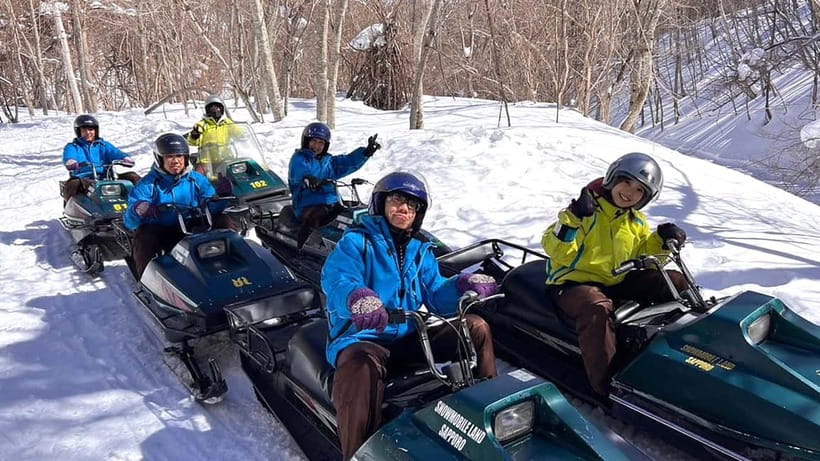
You can choose an optional snowmobile ride here at your own expense. Professional instructors lead the activity, and the ride is described as beginner-friendly, with equipment provided when the appropriate option is selected. A one-hour ride gives you more time to reach viewpoints that are difficult to see from the observation area.
The ride has real appeal if you want action rather than a photo stop. It can be the day’s most memorable activity, especially after fresh snowfall. You may also get photos or videos taken during the ride, depending on the guide and the arrangements that day.
Still, check the conditions before you commit. Heavy snow can block the view, while rain can soak your clothing in the cold. One paid ride was described as slow and very cold because of heavy snow, and the fee felt high for the conditions. From late March, there may not be enough snow at all. In that case, the schedule changes to sightseeing around Lake Toya.
If you skip snowmobiling, you can use free time at the observation area. There is no separate replacement activity, so choose the ride only if you genuinely want it, not because you expect another organized option.
Lake Hill Farm among the snowfields
Lake Hill Farm provides a welcome change of pace. The hillside property becomes a quiet winter setting, with snow covering the fields and farm buildings. After the open scale of the lake, this stop feels smaller, slower, and more rural.
You can choose fresh milk or ice cream and relax with the countryside view. The cold may seem like an odd time for ice cream, but local dairy treats are part of the fun. Some of the more unusual flavors mentioned include sweet corn and pumpkin, while grilled sweet potato is a practical winter snack if you need warmth rather than another cold dessert.
Do not expect a full farm program here based on the information provided. The appeal is the setting, the food treats, and a short pause from the bus. It is a good stop for photographs and for anyone who likes everyday rural places as much as major sights.
Families may enjoy this part of the day, though the tour as a whole is not suitable for children under three. The stop also gives you a chance to stretch your legs, which matters on a full-day route with several vehicle sections.
Showa Shinzan and the volcanic countryside
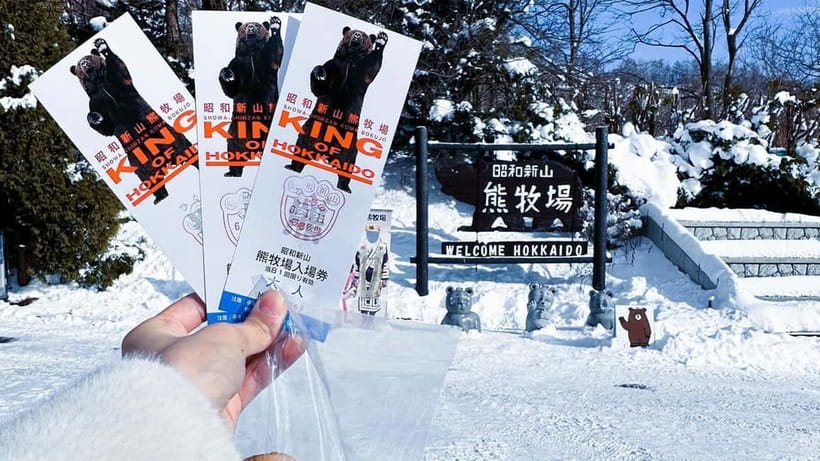
Showa Shinzan is a young volcanic formation near Lake Toya. The stop provides free time to look at the volcanic scenery, take a break, and find lunch at your own expense. It is less about a single scheduled activity and more about giving you room to eat and explore at your own pace.
Plan your food carefully. Lunch timing can be tight, and the available restaurant area may become crowded. On one departure, the group arrived around 2:15 p.m., with the only restaurant serving lunch due to close at 2:30. The queue was too long, leaving snacks such as grilled corn and grilled sweet potatoes as the practical fallback.
I would bring a sandwich or substantial snacks from Sapporo, even if you plan to buy lunch. You can still try ramen, curry, or local snacks when available, but you will be less stressed if the restaurant timing does not work in your favor.
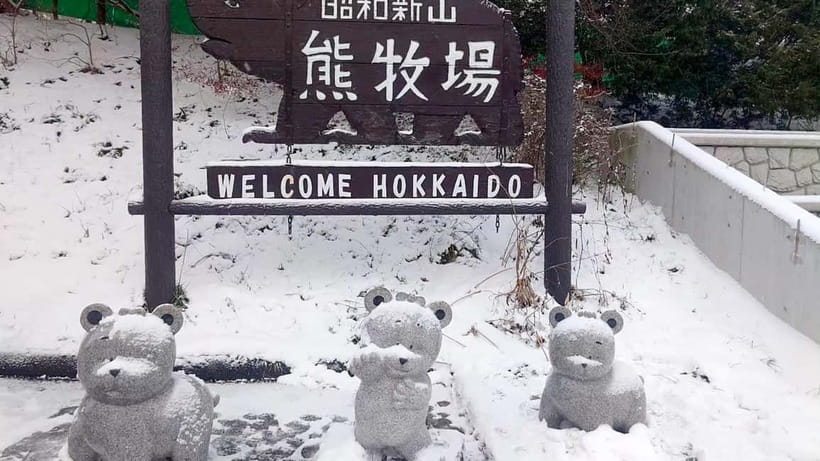
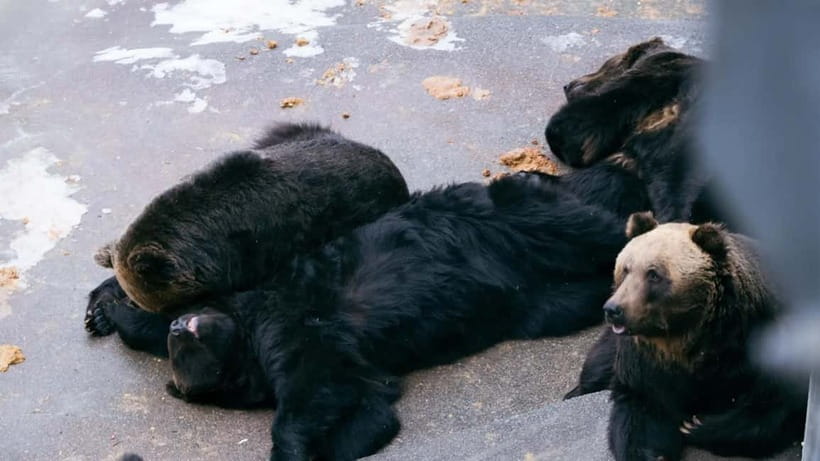
Some versions of the stop may include nearby attractions or seasonal options, but the supplied tour details do not promise a particular ticketed activity. One account referred to a bear farm, while the formal description focuses on Showa Shinzan, free time, and lunch. Treat any extra attraction as dependent on the exact option and day.
The volcanic setting is the reason to pay attention here. Showa Shinzan gives you another angle on Hokkaido’s active volcanic zone before the more intense geothermal scenery at Noboribetsu. You get a useful visual link between the lake, the mountains, and the earth beneath them.
Noboribetsu Jigokudani, where the ground steams
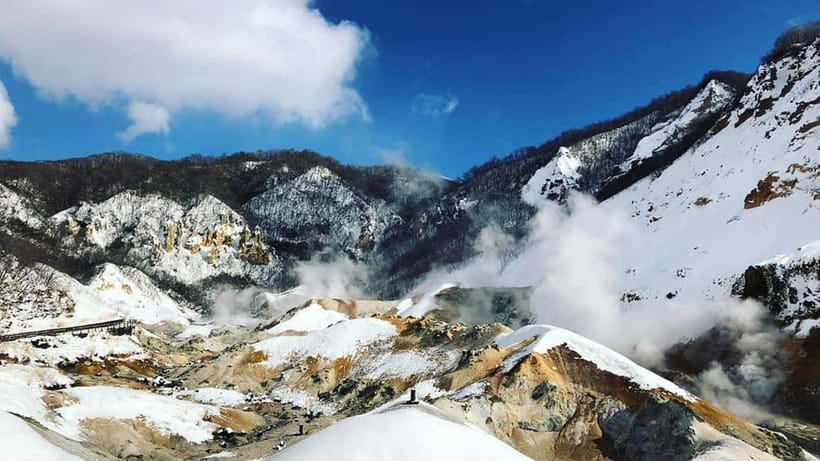
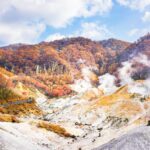
Noboribetsu Jigokudani, or Hell Valley, is the strongest sightseeing stop on the route. The name fits the place: steam rises from vents, sulfur smells hang in the air, and the basin looks alive even when snow covers the surrounding ground.
Wooden boardwalks lead through the volcanic area. You can watch geothermal water and gas escaping from the earth, with snow making the steam easier to see. The contrast is the whole point. White snow, dark rock, pale vapor, and yellowish sulfur deposits create a scene unlike the gentler views at Lake Toya.
The paths may become slippery, and bad weather can close sections of the walking route. Wear shoes with a firm sole and take short, careful steps. Comfortable clothes are required in practical terms, not just for style. You will be outdoors in cold conditions, and the difference between standing at a viewpoint and walking through a steaming basin can be surprisingly sharp.
The sulfur foot onsen adds a simple hands-on element. Feeling the heat in the water while cold air moves around you makes the volcanic activity easier to understand than a signboard alone. If you prefer not to soak your feet, the walk itself remains worthwhile.
Allow time for photographs, but do not spend the whole stop looking through your phone. The steam changes with the wind, and the best view may last only a moment. Guides can help you find the main points and may take group photos. Mila, Sunny, Lin, Mr. Hong, and Triple Stone have each been singled out for clear help, cultural information, or extra care with photos on different departures.
How the guides shape the day
A good guide matters on this trip because the route has several moving parts. You need instructions for the snowmobile option, reminders about departure times, help finding food, and clear explanations while the bus crosses Hokkaido.
The strongest guide experiences involve practical help as well as sightseeing commentary. Sunny, for example, was noted for speaking fluent English and Mandarin, explaining instructions clearly, and sharing photos and videos from the snowmobile activity. Mila has been praised for restaurant suggestions, food ideas, and taking photos in difficult weather. Mr. Hong was appreciated for local history and cultural explanations during the bus ride.
The quality of English commentary may vary. One departure had fast bilingual announcements that were difficult to follow from the back of the bus. If you need to hear every explanation, sit where you can see and hear the guide clearly, and do not hesitate to ask for a slower repeat during a stop.
The bus ride is not just dead time, but the amount of commentary depends on the group and guide. If the driver also serves as guide, commentary may be limited. You are mainly paying for efficient transport and access to distant sights, with guiding as an important bonus.
Timing, transport, and winter comfort
This is an action-packed day from Sapporo, and the long route is exactly why the tour has value. Public transport would make these stops difficult to combine in one day, especially in winter. A reserved vehicle removes the need to match multiple connections or navigate snowy roads yourself.
The schedule can feel full. One summer departure included five or six main stops and felt limited at each place, while some winter departures felt well paced, with enough time to see each site without being rushed. The balance depends on traffic, weather, attraction hours, and the actual route used that day.
Weekend and Japanese holiday traffic can alter the order of stops and shorten time at certain places. Early closures may also affect the plan. Think of the schedule as a framework, not a minute-by-minute promise.
Wear layers, waterproof outer clothing, gloves, and shoes suitable for snow and slippery boards. The tour specifically advises comfortable shoes and clothes, but winter Hokkaido calls for more than ordinary city wear. If rain is forecast, pack waterproof protection. One passenger became soaked during a snowmobile ride and wished the tour had provided plastic raincoats.
Tell the operator in advance if you plan to bring luggage. Extra charges may apply, and a day trip vehicle is not automatically set up for large bags.
The activity is not suitable for wheelchair users, people with mobility impairments, pregnant women, people with high blood pressure, or people over 70. Children under three cannot join. These limits matter because of the cold, uneven or slippery paths, vehicle schedule, and snowmobile activity.
Is $55 good value?

At $55 per person, the tour is good value if your priority is seeing a wide slice of southern Hokkaido in one day. Round-trip transport, a driver, guide service, tolls, parking, and fuel are included. You are also spared the planning burden of reaching Lake Toya and Noboribetsu separately.
The price becomes less attractive if you add every extra. Snowmobiling costs more, meals are not included, and attraction tickets may be separate depending on the option. A paid snowmobile ride can be worth it in fresh snow and clear weather, but it is not automatically good value in rain, heavy snowfall, or poor visibility.
I would book it for convenience, variety, and the chance to connect two major volcanic areas with a farm stop in between. I would not book it if you want a slow day at one place, guaranteed clear mountain views, or a full meal plan built into the price.
The overall rating is 4.7 from 173 ratings, and transport receives a particularly strong 86 percent perfect score. That fits the tour’s main strength: it gets you to far-flung sights efficiently. The exact guide, weather, traffic, and snow conditions will shape the day more than the advertised route alone.
Who should choose this Hokkaido day trip?
You are a good match if you have limited time in Sapporo and want nature rather than shopping or city museums. It also suits first-time Hokkaido visitors who prefer having transport, directions, and a guide handled for them.
Families with older children may enjoy the mix of snow, farm treats, volcanic steam, and optional snowmobiling. A five-year-old has ridden behind an adult on the snowmobile, but you should confirm the current operator rules before booking for a child.
The tour works well for active couples, small groups, and anyone who wants photographs of Mount Yotei, Lake Toya, or Hell Valley. It is less suitable for anyone with mobility restrictions, serious cold sensitivity, or a strong need for a fixed lunch and tightly guaranteed timings.
Book at least 24 hours ahead if your plans are uncertain, since cancellation up to that point allows a full refund. Same-day cancellation or failure to appear for personal reasons is non-refundable. Travel details and the meeting point are sent by email before 7 p.m. the day before departure, so check your spam folder as well as your inbox.
Should you book Lake Toya and Noboribetsu?
Book this tour if you want a practical winter sampler with strong scenery, a possible snowmobile adventure, and the remarkable steam of Noboribetsu Jigokudani. The $55 base price is sensible for the distance covered, particularly if you would otherwise struggle to reach both areas independently.
Bring your own lunch, dress for wet snow and wind, and regard snowmobiling as a weather-dependent extra. If the forecast promises clear skies and good snow, add the ride. If conditions look rough, keep your money and enjoy Lake Toya from the viewpoint.
The best reason to choose this trip is the combination: a huge caldera lake, a small snowy farm, a volcanic mountain, and a steaming valley in one day. You give up some freedom and time at each stop, but you gain an efficient route and, with a strong guide such as Mila, Lin, Sunny, Mr. Hong, or Triple Stone, useful help that makes the day easier.
FAQ
How long is the Lake Toya and Noboribetsu tour?
It is a one-day tour departing from Sapporo and returning to downtown Sapporo in the evening. Starting times depend on availability and the option you book.
What languages are available?
Guiding is available in Chinese and English. If the group is small, the driver may also act as the guide, and English commentary may be limited.
Is the snowmobile ride included?
No. Snowmobiling is optional and costs extra. If you do not ride, you have free time at the Lake Toya observation area, and no separate replacement activity is arranged.
Can I snowmobile in late March?
Snow conditions may no longer be suitable from late March onward. If that happens, the itinerary is adjusted to include leisure sightseeing around Lake Toya.
Are meals included?
No. Food and drinks are not included. Lunch is available at your own expense, and it is wise to bring snacks because restaurant hours and queues can affect your meal.
What should I bring?
Bring comfortable shoes and comfortable clothes. For winter departures, warm layers and waterproof protection are especially useful because you will spend time outdoors in snow, steam, and possibly rain.
Can I bring luggage?
You must inform the operator in advance if you plan to bring luggage. Additional fees may apply.
Who cannot join this tour?
The tour is not suitable for children under three, pregnant women, people with mobility impairments, wheelchair users, people with high blood pressure, or people over 70.
More Noboribetsu & Lake Toya Trips in Sapporo
More tours in Sapporo we've reviewed
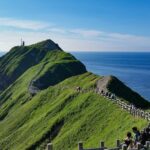
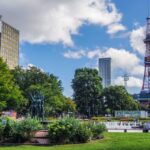
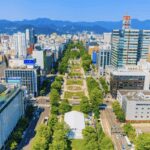
Noboribetsu & Lake Toya Trips, compared.
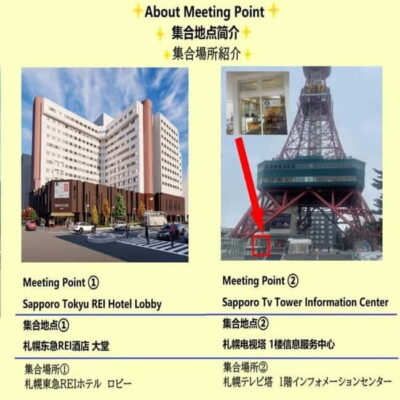 ★ 4.0Hokkaido Noboribetsu Lake Toya Tour from SapporoFrom $66
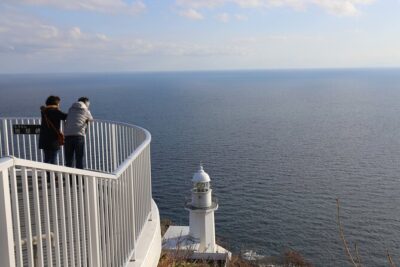 ★ 5.0[Departure from Sapporo] Noboribetsu Jigokudani, Lake Toya, Cape Chikyu by private carFrom $404
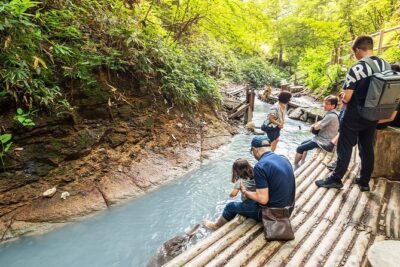 ★ 3.5Hokkaido Noboribetsu Lake Toya, Otaru Panoramic Tour From SapporoFrom $120
 ★ 5.0Lake Toya and Noboribatsu Hell Valley Private Day TripFrom $365
 ★ 4.51-Day Pass for Noboribetsu Date JidaimuraFrom $19
 ★ 5.0Hike Mt. Usu and visit Lake Toya Day TourFrom $156
 ★ 5.0Noboribetsu: Orofure Pass Snowshoeing TourFrom $1545 hours
 ★ 5.0Mt. Usu: Hike to the crater and see the stunning Lake Toya!From $161
Browse the lists this tour appears in