
Reviewed · SNOWSHOE & WINTER TOURS
Snowshoe to Spectacular Winter Ice Caves in Hokkaido
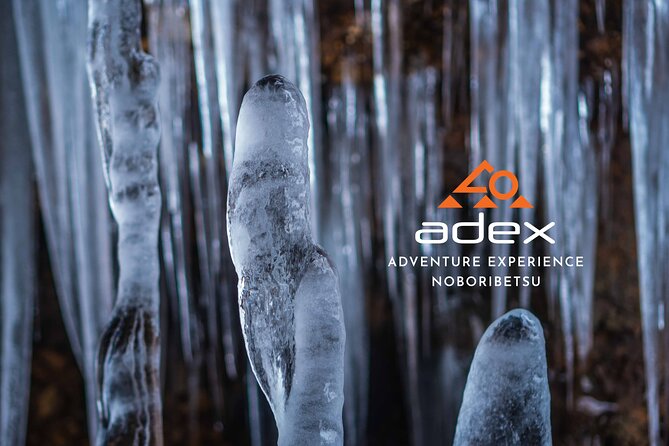
For about ten weeks each winter, the Noboribetsu River creates an ice cave filled with stalactites and stalagmites reaching up to three meters. You snowshoe through a quiet, snow-covered forest to reach it, making the cave feel earned rather than simply visited.
I like the short seasonal window and the fact that the outing includes snowshoes, poles, a light meal, and a hot drink. I also like the small group size, capped at six, with the possibility of a very personal outing such as the one led by Yamamoto-san for a couple.
The catch is the physical effort. The route covers about 8 kilometers round trip with gentle climbing, so this is not a quick stroll or a sightseeing stop you can reach in ordinary shoes.
Key points for deciding quickly
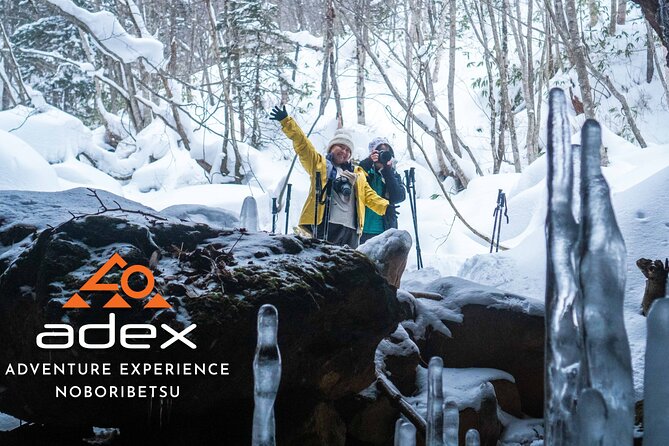
- The ice cave exists for only about 10 weeks each winter, making timing a real part of the appeal.
- The 8-kilometer snowshoe route passes through fir and native forest before reaching the cave at the valley’s end.
- Ice formations can reach three meters, with both hanging stalactites and rising stalagmites.
- Snowshoes and poles are included, but you must provide suitable winter clothing and footwear.
- The group maximum is six people, and the minimum booking size is two.
- The full outing takes about six hours and finishes where it begins in Noboribetsu.
Why this Noboribetsu ice cave feels special
Many winter activities give you a pleasant view of snow. This one gives you a destination that nature produces only briefly, under a very particular mix of geology and cold weather.
The ice cave forms along the Noboribetsu River. Water, rock, and winter temperatures work together to create hanging and rising ice formations inside the valley. The result is not a permanent cave attraction with lights and railings. It is a seasonal natural feature that changes from year to year and disappears when winter loosens its grip.
That short lifespan matters. You are not just checking off another Hokkaido outing. You are going to see something that may not be present later in the season, or at all in a warmer year. The exact condition of the cave can vary, so you should think of the trip as a chance to see a rare winter formation rather than a guaranteed display of identical shapes.
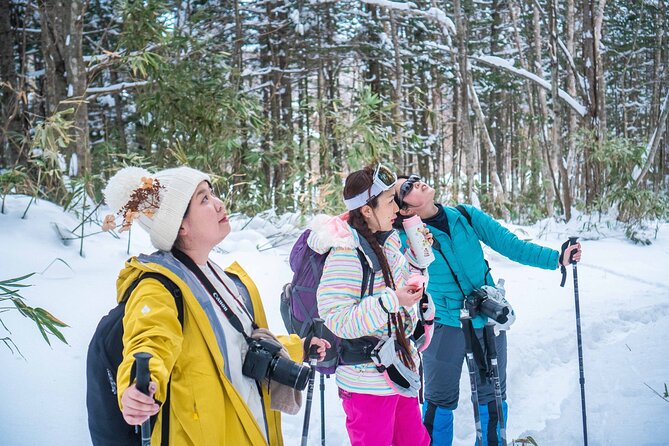
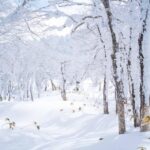
The setting adds to the appeal. The route leads through snow-covered fir and native forest, then continues toward the end of the valley. The cave is the goal, but the quiet walk through the trees is a major part of the outing.
A few more Noboribetsu tours and experiences worth a look
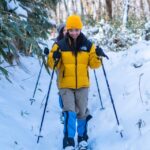
The six-hour route through snow-covered forest
The activity begins at adex Noboribetsu, at 76-3 Noboribetsuonsenchō. It ends back at the same meeting point, which keeps the day simple if you are staying in or near Noboribetsu. The meeting point is also near public transportation.
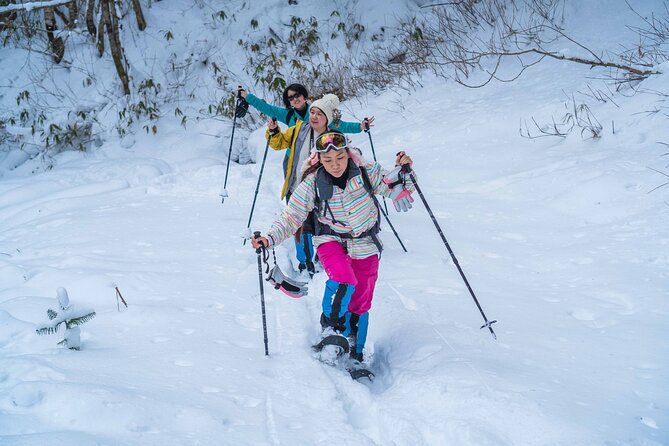
After you receive the snowshoes and poles, the group heads into the forest. The route totals about 8 kilometers, so you should expect several hours of steady movement rather than a short approach followed by a long pause.
The climbing is described as gentle, but gentle does not mean effortless when you are moving through snow. Snowshoes help keep you from sinking as deeply, yet they also add weight and change the way you walk. If you are used to casual city walking, you may find the outing tiring. If you hike regularly, the distance and moderate physical demand should be easier to manage, though snow still adds work.
The route’s forest setting is valuable because it gives you a slower view of winter Hokkaido. You are not rushing from a vehicle to a viewpoint. You are moving through the valley under your own power, with the changing trees and snow underfoot setting the pace.
One participant described the trek as a good workout and noted having previous experience with very demanding mountain hikes. That comparison is useful, but you do not need to be an expert mountaineer. You do need a reasonable level of fitness and enough comfort with a sustained walk in snow.
Reaching the ice cave at the valley’s end
The cave comes at the end of the valley, so the route has a clear payoff. After walking through the forest and making the gentle climbs, you reach the area where the river has created its temporary ice formations.
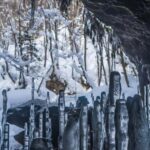
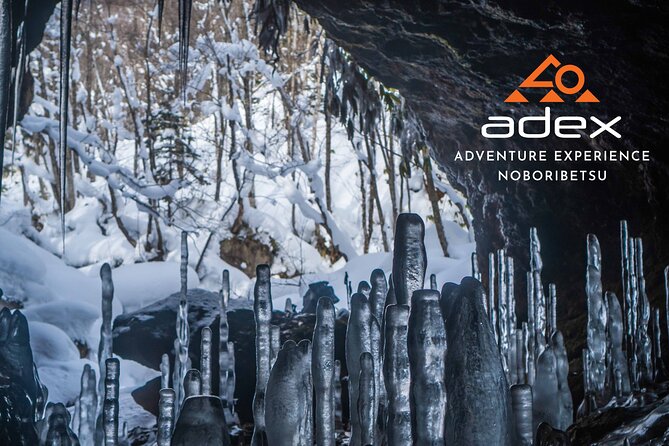
Look for both stalactites, which hang down, and stalagmites, which rise from the ground. The largest formations can reach about three meters. Their size gives the cave a dramatic scale, but the more important detail is that they are natural and seasonal, not built for display.
Conditions inside and around the cave can affect what you see. The formations are created by weather and geology, not by a fixed schedule, so you should be ready for nature to set the terms. That uncertainty is part of the appeal, but it is also a reason not to treat promotional images as a promise of one exact scene.
At the cave, the group takes a rest. A light meal and hot drink are included, giving you time to warm up and take in the surroundings before beginning the return walk. This break is especially welcome because the cave is reached after the longer outward section of the route.
You should plan your expectations correctly. This is not an underground attraction with paved floors, signs, or a heated visitor center. It is a winter route to a natural ice formation. The conditions underfoot and the cave itself may be uneven, cold, and shaped by the season.
What the small group adds
The activity has a maximum of six participants and requires at least two people to run. That is a useful size for a snowshoe route, where a large crowd could make it harder to move comfortably through the forest.
A small group also gives the guide more room to adjust the pace within the limits of the scheduled outing. You can ask questions, receive help with the equipment, and spend time looking at the cave without feeling like one person in a large procession.
The most personal version of the outing may be a private-feeling departure with only two participants and a guide. One such outing was led by Yamamoto-san. That does not mean every departure will have the same group size or guide, but the six-person limit keeps the scale pleasantly controlled.
You should still book with the understanding that the guide must lead a group, not provide a custom private hike. The route, six-hour duration, and physical demands remain the same.
Snowshoes, poles, and the gear you must bring
Snowshoes and poles are included, along with all fees and taxes. This is a major convenience, especially if you are visiting Japan and do not want to buy or transport bulky winter equipment.
The available equipment has size limits:
- Six pairs of men’s snowshoes fit Japan shoe sizes 25.5 to 30.5 centimeters.
- Four pairs of women’s snowshoes fit Japan shoe sizes 22 to 27 centimeters.
Check your shoe size before booking, especially if you fall near the edge of those ranges. The supplied information does not list alternative equipment for sizes outside them, so you should confirm before paying if your footwear does not fit.
Clothing and footwear are not included. That is the main preparation point. You need to arrive with winter clothing and suitable footwear for a six-hour outing on snow. The tour supplies the snowshoes, but those snowshoes do not replace the shoes and clothing underneath them.
Because the route is long and the cave is cold, comfort matters more than looking ready for a quick photo. Bring what you need to stay warm and dry for the full outing, since the provided hot drink comes during the rest at the cave rather than replacing proper winter gear.
A few more Noboribetsu tours and experiences worth a look
Is $205.29 a fair price?
At $205.29 per person, this is not a budget walk. The value depends on how much you care about reaching a rare natural site under the guidance of a small outdoor group.
The price includes the snowshoes, poles, all fees and taxes, a light meal, and a hot drink. It also covers a roughly six-hour outing rather than a short equipment rental or a brief photo stop. If you would otherwise need to rent snowshoes and arrange your own route into winter terrain, the package becomes easier to justify.
The strongest value is the access and structure. You get a planned route to an ice cave that is not available year-round, plus guidance through snow-covered forest. The small group limit is another advantage for the price, particularly if your departure has only a few people.
The value is weaker if you want a relaxed sightseeing activity with little exertion. You are paying for a physically active day, and the cave is only one part of it. If the 8-kilometer walk sounds like the main attraction rather than a burden, the cost makes more sense.
The activity is booked an average of 24 days ahead, which suggests that planning early is sensible. The seasonal window is short, and the group limit is six, so waiting until the last minute may leave fewer choices.
Weather can change the plan
This experience requires good weather. If poor weather causes a cancellation, you are offered another date or a full refund.
That policy matters here because the route is outdoors from start to finish. The forest path, climbing, river area, and cave conditions all depend on winter weather. A cancellation can disrupt your schedule, but postponing or refunding the activity is better than forcing a snowshoe trek in unsafe conditions.
You can cancel for a full refund if you do so at least 24 hours before the start time. Changes or cancellations made less than 24 hours before the start time are not accepted for a refund. The cut-off follows local time in Japan, so keep that in mind if you are booking from another time zone.
Who will enjoy this most
I would choose this for someone who wants an active winter outing with a clear natural goal. It suits regular walkers, casual hikers who are comfortable with a workout, and visitors who want something more distinctive than a standard snow view.
It may also suit couples particularly well. The minimum group size is two, and a small departure can feel personal without requiring you to organize a private tour.
You should think twice if you dislike walking in snow, tire easily on uneven ground, or want a warm indoor attraction. The tour requires moderate physical fitness, and the 8-kilometer distance is not optional sightseeing around a parking area.
Families or mixed-ability groups need to consider the same issue. The supplied information does not give an age minimum or a separate easier route, so you should confirm suitability with adex adventure experience before booking for children or anyone with limited mobility.
Practical timing and meeting details
The activity lasts approximately six hours and returns to the starting point at adex Noboribetsu. That makes it easier to plan before or after other activities in Noboribetsu, though you should leave enough time around the outing rather than scheduling something immediately afterward.
The start point is:
adex Noboribetsu
76-3 Noboribetsuonsenchō
Noboribetsu, Hokkaido 059-0551, Japan
The tour is near public transportation, but the supplied details do not specify the exact station, bus route, or transfer time. Check your route to the meeting point before the day of the activity.
A mobile ticket is provided, and booking confirmation arrives at the time of booking. Keep the confirmation accessible on your phone, but focus more attention on footwear, clothing, and shoe-size compatibility. Those details have a greater effect on your comfort than the ticket format.
Should you book the Noboribetsu ice cave trek?
Book it if you want a rare winter sight and are happy to work for it. The seasonal ice cave, three-meter formations, quiet forest route, small group, and included snowshoe equipment give this outing a strong sense of purpose.
Skip it if you are searching for an easy half-day attraction or if you do not have proper winter clothing and footwear. At $205.29, the activity earns its price through the guide-led route, equipment, meal, hot drink, and access to a natural feature that lasts only about ten weeks.
For the right visitor, this is one of Noboribetsu’s more memorable winter choices. Just book ahead, check your snowshoe size, protect the full six hours in your schedule, and treat the cave as a seasonal gift rather than a guaranteed indoor exhibit.
FAQ
Where does the snowshoe ice cave tour begin?
It begins at adex Noboribetsu, 76-3 Noboribetsuonsenchō, Noboribetsu, Hokkaido 059-0551, Japan.
Where does the activity end?
The activity ends back at the meeting point at adex Noboribetsu.
How long is the tour?
The tour lasts approximately six hours.
How far is the snowshoe hike?
The hike is about 8 kilometers in total and includes gentle climbing through fir and native forest.
What equipment is included?
Snowshoes and poles are included, along with all fees and taxes.
Are clothing and footwear provided?
No. Clothing and footwear are not included, so you must bring suitable winter clothing and footwear.
How many people can join the activity?
The minimum number of participants is two, and the maximum group size is six people.
More Winter Activities in Noboribetsu
More Snowshoe & Winter Tours in Noboribetsu
More tours in Noboribetsu we've reviewed
Snowshoe & Winter Tours, compared.
 ★ 5.0Snowshoeing and Onsen Adventures in a Winter Wonderland -Sapporo.From $224
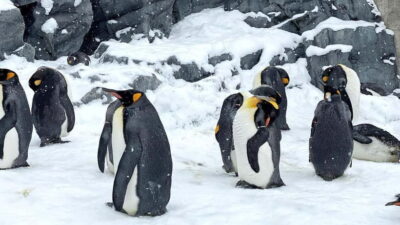 ★ 5.0Sapporo Winter : Asahiyama Zoo (Penguin Fun & Snowmobile)From $589 hours - 1 day
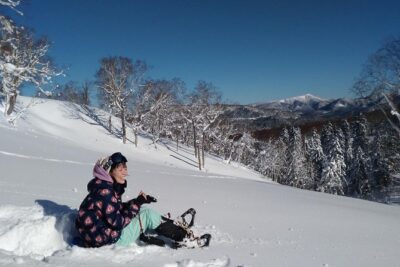 ★ 5.0Snowshoe Hike Tour from Sapporo include hotel p/up & drop offFrom $308
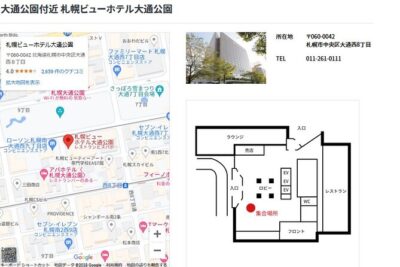 ★ 4.02026 Lake Shikotsu Ice Festival in HokkaidoFrom $58
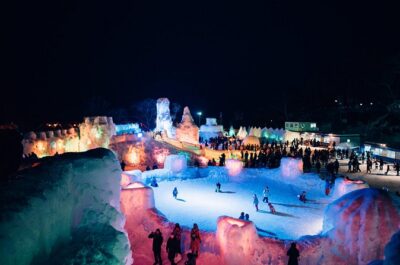 ★ 5.0Explore Lake Shikotsu Ice Festival (night tour)From $59
 ★ 5.0Explore Shikotsu Ice Festival (day tour)From $59
 ★ 5.0Bamboo Ice Cave: Snowshoe to see a natural phenomenon!From $1546 hours
 ★ 5.0Lake Tachibana: Snowshoe to a frozen lake!From $963h 30m
Browse the lists this tour appears in