
Reviewed · JOZANKEI & LAKE SHIKOTSU
Sapporo: The Indigenous Ainu People & Jozankei walking tour
Hokkaido’s Indigenous Ainu culture and Jozankei’s hot springs make an unusually well-matched day out from Sapporo. You begin with the people who shaped Hokkaido’s oldest traditions, then head into a volcanic valley for shrines, riverside walks, and a long soak at Hotel Shika no Yu.
I like the hands-on Ainu Cultural Center, where traditional objects are made to be felt and examined rather than viewed only behind glass. I also like the generous two-hour onsen visit, which gives you time to learn the rules, bathe without rushing, and use a footbath if a full hot spring is not right for you.
The main drawback is the length of the day and the reliance on public transport. Winter bus schedules can mean waiting, and Jozankei’s paths may be slippery or uneven. Still, the 4.9 rating from 25 bookings reflects a consistently strong day, especially when Scott is leading it.
Key points to know before booking
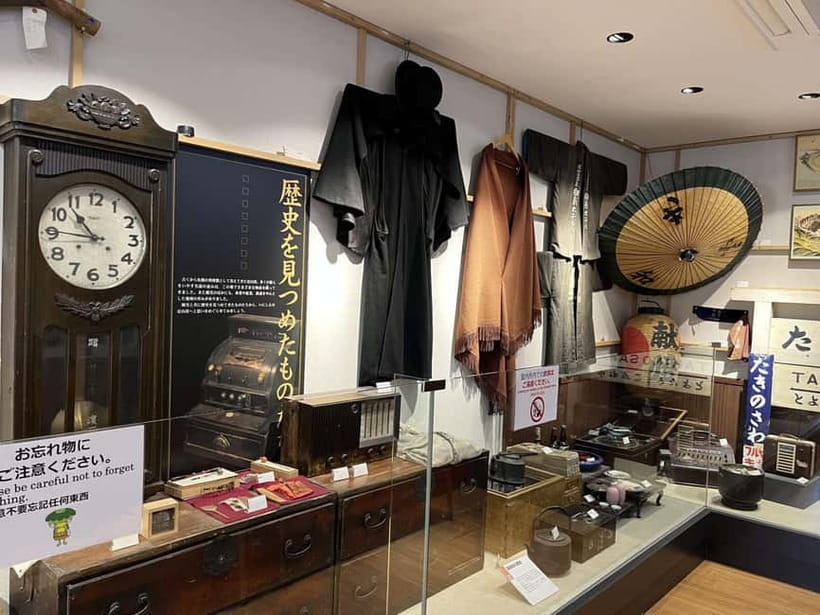
- Ainu culture comes first: Spend about 90 minutes at the Sapporo Ainu Culture Promotion Center, with traditional crafts and displays that encourage closer contact.
- Scott is the named guide: His clear explanations, easy conversation, and care with the group are repeatedly praised in the supplied feedback.
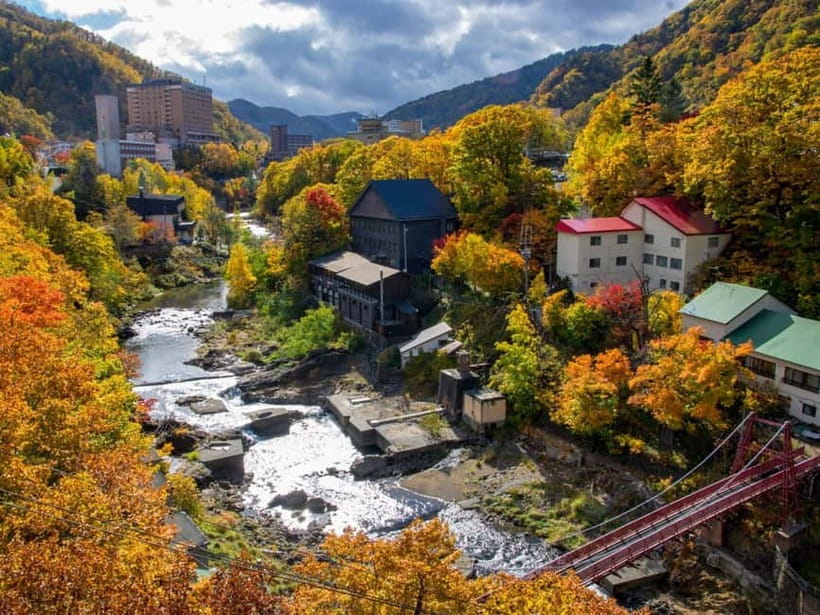
- Jozankei packs in several sights: The route includes Jozankei Shrine and Temple, Gesen Park, a footbath, Futami Park, and Futami Tsuribashi Suspension Bridge.
- The onsen is not a quick add-on: You get a two-hour day-bath visit at Hotel Shika no Yu, plus guidance on Japanese bathing customs.
- Plan for a full day: The tour lasts 570 minutes, from a 9 a.m. meeting at Sapporo Station to a return later in the day.
- Bring practical gear: Comfortable shoes, water, a towel, and a change of clothes matter more here than fancy sightseeing clothes.
Why this Sapporo day trip works
Many day trips from Sapporo chase scenery alone. This one gives you two very different ways to understand Hokkaido. At the Ainu center, you learn about the island’s original inhabitants and their art. In Jozankei, you see how volcanic activity created a hot spring town that now serves as a peaceful escape from the city.
That contrast is the tour’s best feature. The morning asks you to pay attention to objects, stories, and cultural traditions. The afternoon slows down with walking, warm water, and views of the surrounding forest and river area.
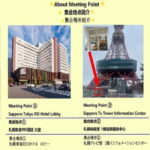
You meet at Myomu, the circular white stone structure near the south exits of Sapporo Station. After leaving the main JR gates, turn left and walk toward the south exits. You should be at the meeting place by 9 a.m., with the guide wearing a Snow Monkey Resorts tour tag.
The tour uses included public transportation rather than private transportation. That keeps the arrangement practical, but it also means that schedules and waiting times are part of the day. One person specifically wished for private transport, while another noted that winter bus waits were longer because of seasonal schedules. If you value a tightly controlled timetable, this is worth considering before you book.
A few more Sapporo tours and experiences worth a look
At the Sapporo Ainu Culture Promotion Center
The first major stop takes about 80 minutes by train from the meeting point, followed by around 90 minutes at the center. The focus is the Ainu, the Indigenous people of Hokkaido, whose culture developed separately from the traditions most visitors associate with mainland Japan.
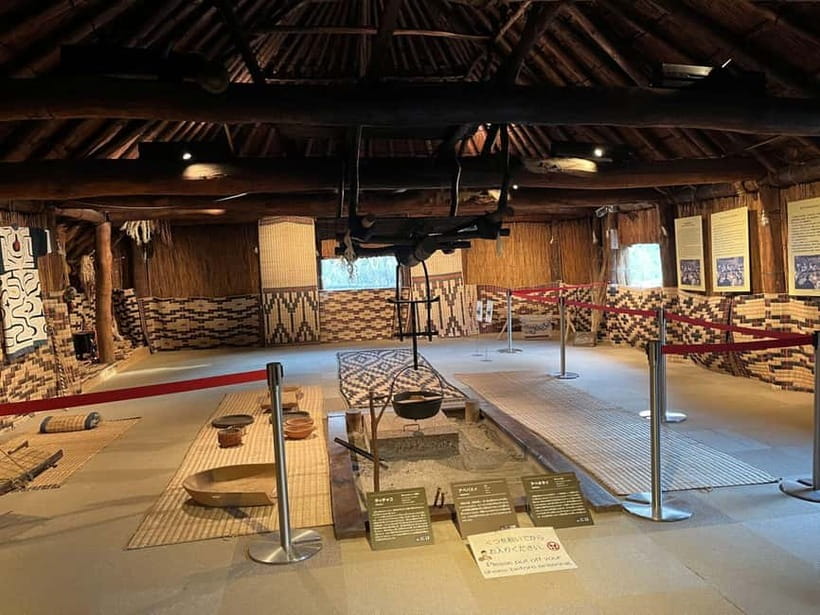
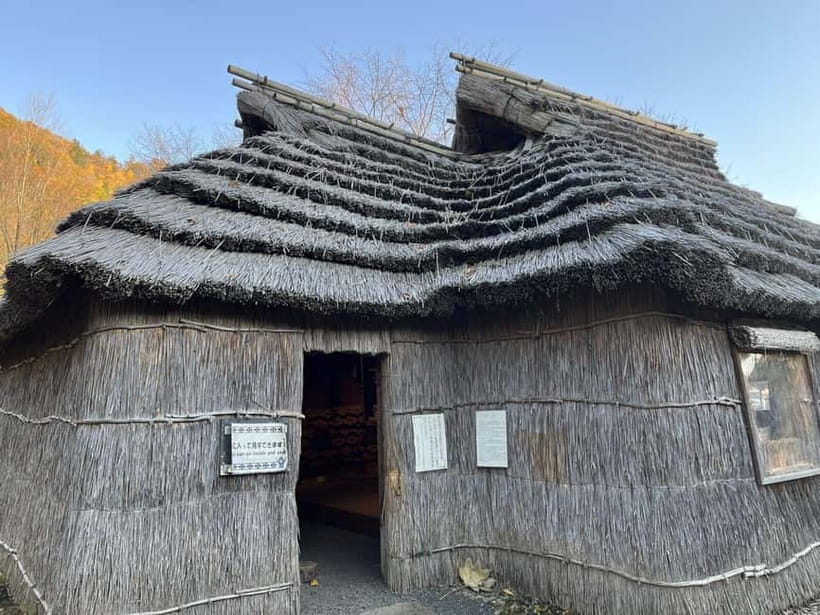
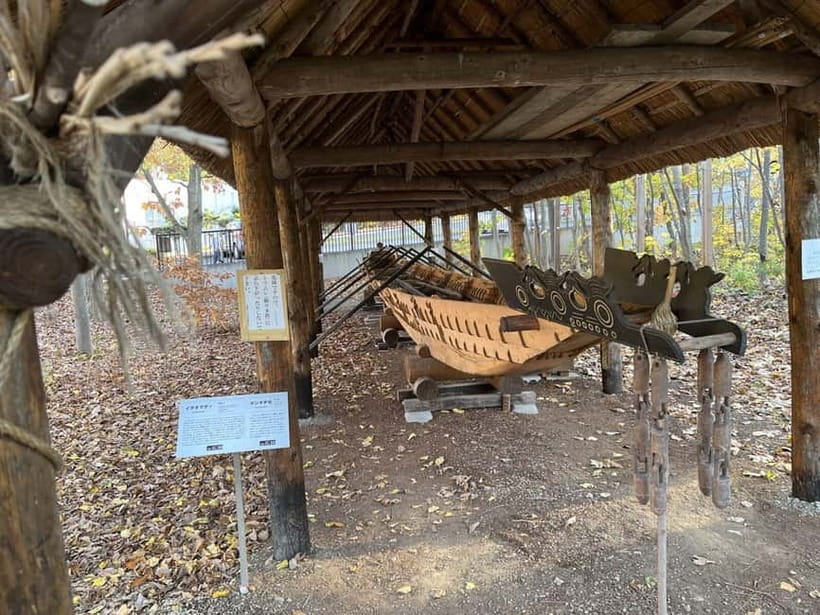
The center looks at Ainu life, history, and artistic work. Its most useful feature is the chance to feel and handle traditional craftwork made by Ainu artisans. That changes the visit from a quick museum walk into something more direct. You can pay attention to texture, construction, and the skill behind each item.
This is also where a good guide matters. Scott is praised for explaining the objects clearly and for connecting the displays to the wider story of Ainu life. His background knowledge gives the visit shape, especially if you arrive with little understanding of Hokkaido’s Indigenous culture.
You should allow yourself to look closely rather than rush from case to case. The center is not simply a place to collect photographs. It is the part of the day where you gain the context needed to understand why Ainu art and traditions matter.
The 90-minute visit is long enough to be worthwhile without taking over the entire tour. It may feel short if you want to study every item in detail, but the guide-led format helps you focus on the most important pieces.
The journey from culture to hot springs
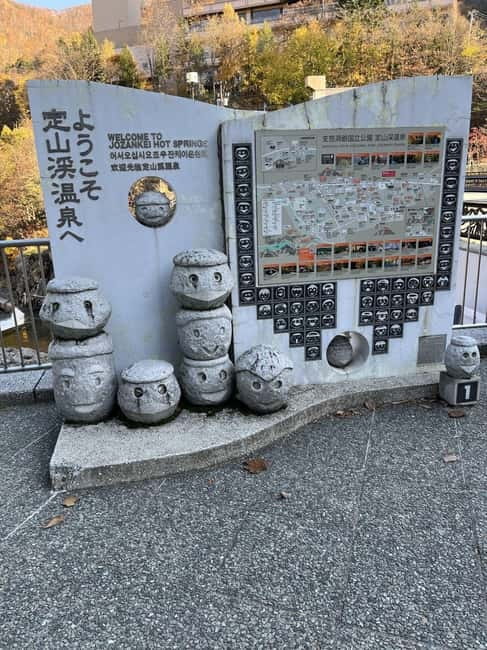
After the center, the group travels for about an hour by bus or coach toward Jozankei. This is a transition from an urban museum setting to a small hot spring village within Shikotsu-Toya National Park.
The change is part of the appeal. Jozankei was shaped by centuries of volcanic activity, and its hot spring waters are the reason the village exists as a destination. You are not visiting a modern resort district packed with major attractions. Instead, you get a compact place where the natural setting, religious sites, paths, and bathing culture fit together.
The transport section can be a quiet break after the cultural visit. It can also feel long, particularly if the weather is cold and the bus timetable leaves you waiting. In winter, build in patience. The day works best when you treat the journey as part of a regional outing rather than expecting continuous sightseeing.
Walking Jozankei’s shrines, parks, and river views
You have about four hours and 15 minutes in Jozankei, including free time, guided sightseeing, and the onsen visit. That gives the village more attention than a brief photo stop.
The route includes Jozankei Shrine and Temple. These places add a spiritual layer to the hot spring town and help show that Jozankei is more than a collection of baths and hotels. Your guide can explain what you are seeing and help you follow the route without wasting time finding each spot yourself.
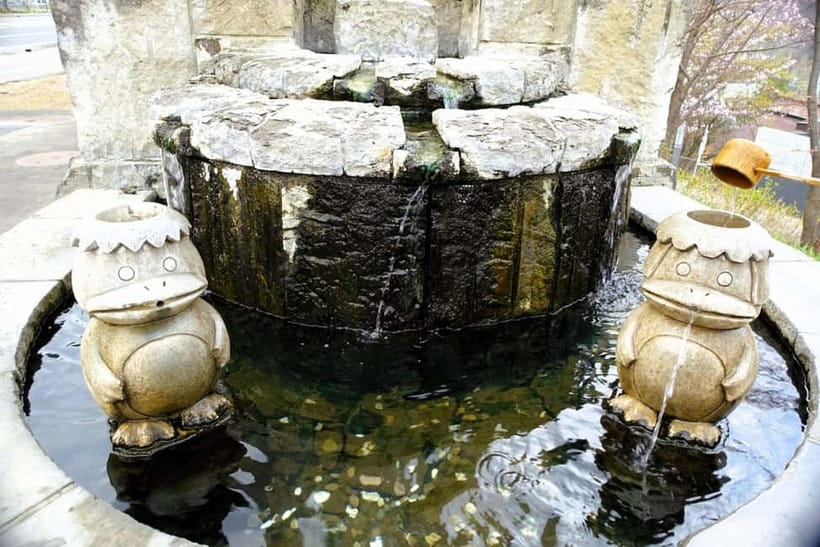
Gesen Park includes a footbath, a simple but fitting introduction to the village’s hot spring culture. You can rest your feet in warm water while remaining outdoors. This is especially pleasant after walking, though you should still bring a towel because wet feet and cold weather are an uncomfortable combination.
Futami Park provides another chance to see Jozankei at a slower pace. The route involves outdoor walking and uneven surfaces, so comfortable shoes are important. In cold months, snow and ice can make the ground harder to manage. The tour is not suitable for wheelchair users, and people with back problems should think carefully about the walking and transport involved.
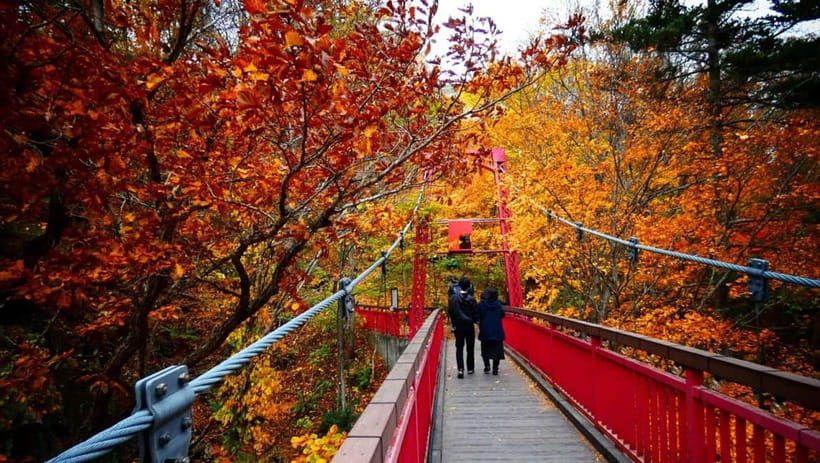
Crossing Futami Tsuribashi Suspension Bridge
Futami Tsuribashi Suspension Bridge is one of the most memorable stops because it gives the walk a small sense of adventure. You cross above the surrounding area rather than viewing it only from a path at ground level.
The bridge is also a place where conditions matter. Wind, cold, snow, or wet surfaces can make the crossing feel more demanding. Comfortable footwear and a steady pace are sensible. You do not need specialist equipment, but this is not the time for smooth-soled fashion shoes.
In winter, Jozankei can look especially striking, with snow changing the character of the village and its wooded surroundings. That season also brings the most practical challenges. One booking party enjoyed the winter views but suggested spring or autumn for people who do not handle cold well. I think that is sound advice: choose winter for atmosphere, but choose the warmer seasons for easier walking.
A few more Sapporo tours and experiences worth a look
Two hours at Hotel Shika no Yu
The final major stop is Hotel Shika no Yu, where you receive a two-hour day-bath visit. This is much better than squeezing in a hurried soak at the end of a busy sightseeing day. You have time to understand the process, bathe, rest, and enjoy the change of pace.
If you have never used a Japanese onsen, the guide’s explanation of bathing etiquette is important. You must follow the bathing rules, and you should expect to wash before entering the shared bath. The exact routine is less confusing when someone explains it before you enter.
Bring a towel and a change of clothes. The supplied instructions also recommend water, which is sensible after a hot bath and a day of walking. You should not treat the onsen as a private hotel-room bath. It is a shared Japanese bathing experience, so respect for the setting and the people around you matters.
A footbath option is also available. This gives you a gentler choice if a full soak is not suitable or if you simply want a shorter, more relaxed hot spring experience. The full bath is the better choice for anyone keen to try a central part of Japanese local life, but the footbath keeps the final stop flexible.
How much value do you get for $170?
At $170 per person, this is not a cheap local walk. The price includes an English-speaking guide, transportation from Sapporo Station through the listed stops, and admission fees for the included attractions. Lunch and accommodation are not included.
The value depends on how you would otherwise arrange the day. You could likely reach Jozankei independently, but you would need to manage transport, find the cultural center, organize the village route, understand the onsen system, and fit everything into one day. The tour removes that planning work and gives you cultural interpretation along the way.
The Ainu center is the part that makes the cost easier to justify. A hot spring visit alone would not need a full-day tour price. Pairing the center with a guided Jozankei visit creates a more distinctive Hokkaido outing than a simple bathhouse trip.
The downside is that you pay for convenience while still using public transportation. There is no private vehicle to collect you from the station, avoid bus waits, or adjust the route around your preferences. If you are comfortable planning Japanese transport and mainly want the onsen, independent travel may offer better value.
For a first visit to Hokkaido, though, the combination is useful. You get a guide, included admissions, organized connections, and a full day away from central Sapporo. The price makes the most sense if you want cultural background as well as relaxation.
What kind of day should you expect?
This is a long, guided day rather than a loose half-day outing. The schedule begins at 9 a.m. and lasts 570 minutes, with the return to Myomu later in the day. You should arrive ready to spend most of the day with the group.
The pace changes several times. The Ainu center is focused and educational. The transport sections are slower. Jozankei combines guided stops with free time, walking, and bathing. That variety keeps the day from feeling like one long lecture, but it also means you should pack for different conditions.
The tour is conducted in English. Scott is the guide named in the supplied feedback, and his ability to keep conversation going during quiet transport periods is a useful quality on a long itinerary. His personality and care are also noted as reasons the day felt especially successful.
Group size is not specified, but one person described the group as small enough to follow the guide easily and chat with other members. You should not assume a private tour, yet the format appears suited to direct questions and conversation.
Practical packing and timing advice
Wear shoes that can handle extended walking and uneven surfaces. If you visit in winter, you should take extra care with cold conditions and potentially slippery paths. The bridge and park walks are more enjoyable when your feet stay warm and dry.
Pack a towel, water, and a change of clothes for the onsen. You may also want a small bag for damp items after the bath. Lunch is not provided, so you should plan for the midday meal, although no specific lunch arrangement is included in the tour details.
Cancellation is free up to 24 hours before the start for a full refund, and you can reserve now and pay later. These terms are useful if your Sapporo plans depend on weather, though you still need to check the available starting time when booking.
People with back problems should avoid this tour, and it is not suitable for wheelchair users. The walking, public transport, bridge crossing, and uneven surfaces make this a better fit for visitors who can manage a full day on their feet.
Should you book this Hokkaido tour?
Book it if you want more than a standard Sapporo city outing. The Ainu center gives the day cultural weight, while Jozankei supplies outdoor scenery and a proper hot spring finish. I especially recommend it for first-time visitors who want an English-speaking guide to explain both Ainu traditions and onsen etiquette.
Think twice if you dislike public transport, cold weather, or long days with several changes of pace. Private transportation would make the schedule easier, and spring or autumn may suit you better if winter walking sounds uncomfortable.
For most visitors who can handle the length, $170 buys a thoughtfully connected day: Ainu craft and culture in the morning, Jozankei’s shrine and parks in the afternoon, then two hours at Hotel Shika no Yu. That is a solid way to see a different side of Hokkaido without arranging every connection yourself.
FAQ
Where does the tour meet in Sapporo?
Meet at Myomu, the circular white stone structure near the south exits of Sapporo Station. After exiting the main JR gates, turn left and walk toward the south exits. The guide will wear a Snow Monkey Resorts tour tag.
What time should I arrive?
You should be at the meeting point at 9 a.m.
How long does the tour last?
The activity lasts 570 minutes, or about nine and a half hours.
Is the tour conducted in English?
Yes. The tour includes a live English-speaking guide.
Who is the named guide?
Scott is the guide named in the supplied tour information and booking feedback.
What is included in the price?
The price includes the English-speaking guide, transportation from Sapporo Station to the listed destinations and activities, and admission tickets for the included attractions.
Is lunch included?
No. Lunch is not included.
How long do you spend at the Ainu Cultural Center?
The visit to the Sapporo Ainu Culture Promotion Center lasts about 1.5 hours.
Is the onsen visit included?
Yes. The tour includes a two-hour day-bath visit at Hotel Shika no Yu. A footbath option is also available.
What should I bring?
Bring comfortable shoes, a towel, a change of clothes, and water. You should also be ready to walk on uneven surfaces and follow Japanese bathing etiquette.
More Ainu Culture Tours in Sapporo
More Jozankei & Lake Shikotsu in Sapporo
More Sapporo City Tours in Sapporo

More tours in Sapporo we've reviewed

Jozankei & Lake Shikotsu, compared.
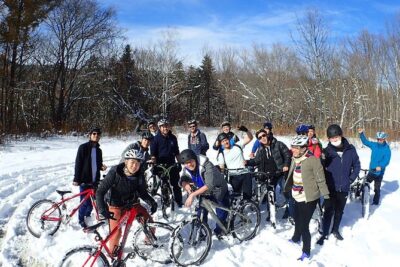 ★ 4.5Mountain Bike Tour from Sapporo Including Hoheikyo Onsen and LunchFrom $71
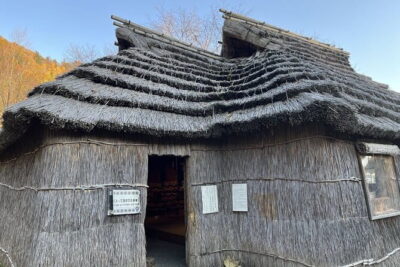 ★ 5.0Full Day Indigenous Ainu of Hokkaido and JozankeiFrom $167
 ★ 4.02026 Lake Shikotsu Ice Festival in HokkaidoFrom $58
 ★ 4.5[Sapporo] Go by private car! Takino Cemetery, Hokkaido Shrine, Shiroi Koibito ParkFrom $446
 ★ 5.0Private Day Trip of Lake Shikotsu and Moss CanyonFrom $247
 ★ 4.5Autumn Leaves in AutumnSkiing in winterLet’s go to Hoheikyo Onsen by private car (from Sapporo)From $415
 ★ 4.5Clearest Lake in Japan National Park package of Shikotsu lakeFrom $175
 ★ 5.0Explore Lake Shikotsu Ice Festival (night tour)From $59
Browse the lists this tour appears in