
Reviewed · JOZANKEI & LAKE SHIKOTSU
Full Day Indigenous Ainu of Hokkaido and Jozankei
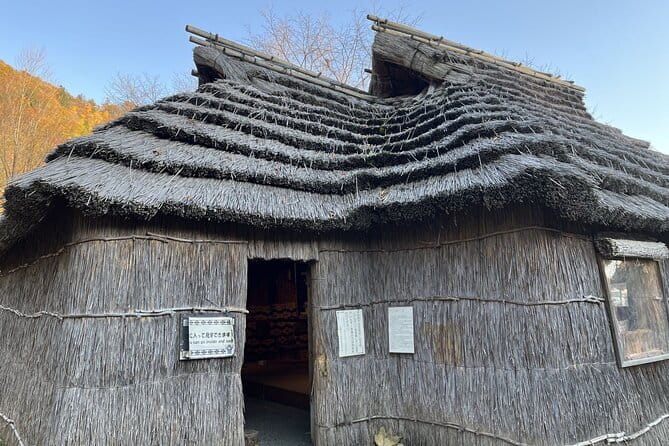
The best part of this day is the pairing: Ainu culture and Jozankei Onsen give you two very different sides of Hokkaido. You begin at Sapporo Pirka Kotan, where you can handle authentic Ainu crafts, see traditional houses and canoes, and learn about an Indigenous culture often missed on a first visit to Japan.
I like the hands-on museum displays and the small outdoor village. I also like that the English-speaking guide, including Scott when he leads the day, can explain the exhibits and help with translation. The main drawback is the price of $167.36 per person, plus the fact that lunch is not included.
Key points to know before booking
- Sapporo Pirka Kotan: Spend about three hours with Ainu artifacts, crafts, traditional houses, and canoes.
- Hands-on displays: You are encouraged to hold and touch many authentic Ainu handcrafts instead of only viewing them behind glass.
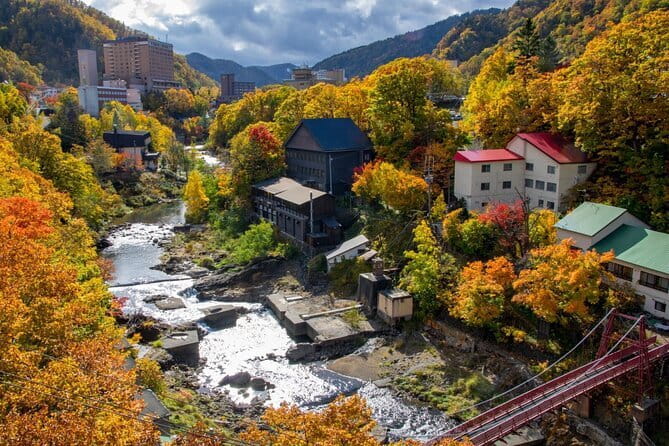
- Jozankei setting: Visit a hot spring village in Shikotsu-Toya National Park, with the Toyohira River running through it.
- Two-hour bath: Your admission includes a day bath at Hotel Shika no Yu, one of Jozankei’s well-known hot spring hotels.
- Small group: The maximum group size is 15, with transportation from Sapporo Station included.
- Simple meeting point: Meet at 9 a.m. at Myomu, the circular stone structure near the South Exit of Sapporo Station.
Why this makes a strong day trip from Sapporo
Many Sapporo day trips focus on food, shopping, or scenic viewpoints. This one gives you a more thoughtful mix. The morning is about the Ainu, the Indigenous people of northern Japan, while the afternoon slows down in a traditional onsen town.
I like the change of pace. You are not spending eight hours looking at similar sights. Instead, you move from museum exhibits and outdoor structures to a quiet riverside hot spring village, finishing with a long bath.
The schedule is also useful if you want to see beyond central Sapporo without arranging trains, buses, and admission tickets yourself. The tour handles transport from the station to each listed stop and back to the starting point.
You should still arrive ready for a full day. The tour begins at exactly 9 a.m. and lasts about eight hours. You will need to arrange your own transport to the meeting point, and you will buy your own lunch.
A few more Sapporo tours and experiences worth a look
Meeting Scott and leaving Sapporo Station
The meeting point is Myomu, the circular stone structure near the South Exit doors of Sapporo Station. The listed address places it inside the station area in Kita 6 Jo Nishi, and the start time is 9 a.m.
I recommend allowing extra time to find the South Exit and the circular stone structure. Sapporo Station is large, and a calm arrival is better than trying to locate your guide while watching the clock.
An English-speaking guide accompanies the group throughout the day. Scott is the guide most clearly associated with the experience, and his role goes beyond pointing out sights. He has helped with translation, explained Ainu culture, assisted with personal travel problems, and added small stops or details when useful.
That kind of support matters at a cultural center. Museum labels can only tell you so much, especially when the subject is unfamiliar. A guide can help connect the objects, buildings, and customs in a way that makes the visit easier to follow.
The group limit is 15 people. That is not a private tour, but it is small enough for questions and conversation. A group of eight has also been handled on the tour, giving you a sense of the usual scale when it is not full.
Three hours at Sapporo Pirka Kotan
Sapporo Pirka Kotan, also called the Ainu Cultural Center, is the main reason to book this trip. It sits outside central Sapporo in lush natural surroundings, about an hour or so from the city by the tour’s transport.
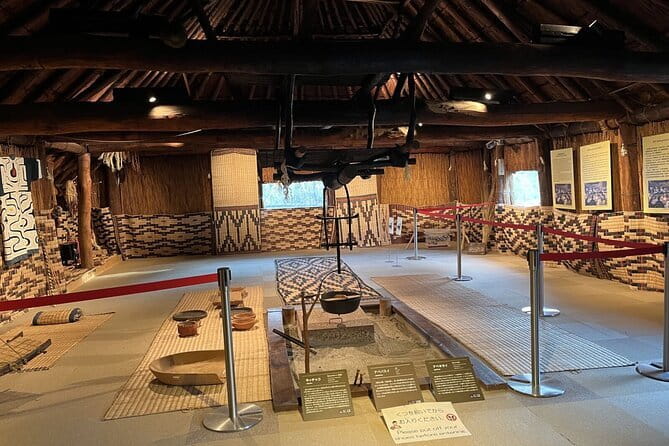
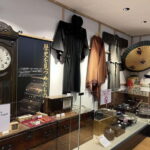
The center presents Ainu culture through objects, crafts, and outdoor structures. You can expect to see many Ainu artifacts, along with traditional handcrafted houses and canoes in the outdoor village.
The most useful feature is the chance to hold and touch many of the handcrafts. That makes the visit feel less like a standard display of objects and more like a guided introduction to how those objects were made and used.
I especially like this approach for people who have limited background knowledge of the Ainu. You do not need to arrive with a long list of names or dates. The guide and the displays give you a starting point, while the physical objects make the subject easier to remember.
The center is given about three hours. That is enough time to look carefully rather than rush from one display to the next. It also leaves room for the outdoor village, which is easy to skip if you are focused only on the museum rooms.
You should not treat this as a quick photo stop. The value is in the explanations and the chance to look closely at the crafts. If you are interested in Indigenous cultures, traditional skills, or the way museums present living cultural traditions, this is the strongest part of the day.
The setting adds to the visit without taking over. You get natural surroundings and traditional buildings, but the main focus remains the Ainu material and cultural displays.
One practical point is that the center may be more rewarding with a guide than as a rushed independent visit. The English-speaking tour leader can translate and add context, which is particularly helpful when you want to ask questions about an object or custom.
The Ainu focus is the real value
The word Ainu is familiar to many visitors to Hokkaido, but it is easy to leave Japan knowing very little about Ainu culture. This experience gives you several hours to correct that.
I appreciate that the visit does not rely only on a performance or a short presentation. You see buildings, canoes, handcrafts, and museum objects. The hands-on element makes the subject more direct and less formal.
The center is also a good choice for families and mixed-interest groups. Someone who likes museums can study the artifacts. Someone more interested in architecture can explore the houses. Another person may remember the canoes and the outdoor setting most clearly.
The drawback is that the experience is not designed as a quick overview of all Hokkaido attractions. If your priority is shopping, city views, or a large number of photo stops, three hours at the Ainu center may feel long.
For me, that time is justified. A rushed cultural visit often leaves you with a few photographs and little understanding. Here, the longer stay gives the guide room to explain and gives you time to look.
Jozankei Onsen and the Toyohira River
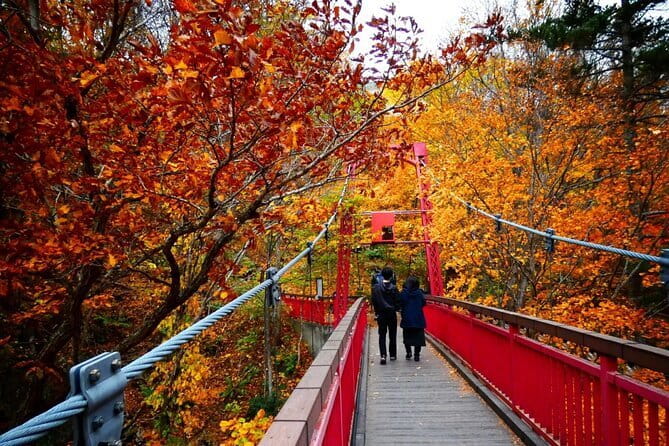
After the cultural center, the bus continues to Jozankei, a small hot spring village in Shikotsu-Toya National Park. This section changes the mood completely.
Jozankei is built around hot spring sources concentrated near the Tsukimibashi and Takayamabashi bridges and along the Toyohira River. The village has 56 hot spring sources, and most of these waters reach temperatures between 60 and 80 degrees Celsius before being prepared for bathing.
You will have time to experience the village itself before the bath. The supplied schedule gives about two hours for this part of the visit, though the exact rhythm can depend on the group and the guide.
I like the chance to see Jozankei as more than a hotel bath. The river, bridges, and wooded setting give the town a clear sense of place. You can wander, take photographs, and enjoy the quieter feel after the museum.
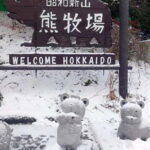
The seasonal character can be strong. One tour experience included wandering through a snowy Jozankei, while the general description emphasizes lush natural surroundings. Your views will depend on the date, but the village is designed around its river and hot springs rather than city streets.
This is also the likely point to plan food. Lunch is not included, so use the time in Jozankei to eat if your guide indicates a suitable break. The supplied details do not specify a restaurant or fixed lunch arrangement, so you should not expect a prearranged meal.
Two hours at Hotel Shika no Yu
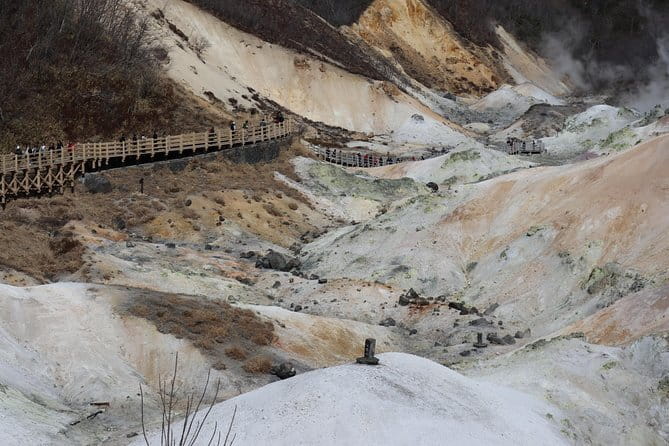
The final major stop is Hotel Shika no Yu, where you receive admission for a two-hour day bath. This is not simply free time in the town. The tour ends with a proper onsen experience at one of Jozankei’s established hot spring hotels.
A two-hour bathing period gives you time to settle in instead of treating the onsen as a hurried add-on. You can wash, bathe, rest, and enjoy the change from a busy sightseeing morning.
If you have never used a Japanese hot spring, ask your guide for help with the basic process. Onsen bathing generally requires washing before entering the communal bath, and swimwear is not normally used. The provided information does not spell out every facility rule at Hotel Shika no Yu, so follow the hotel’s instructions on the day.
The water is hot, and the stated source temperatures of 60 to 80 degrees Celsius explain why you should enter slowly and take breaks. You do not need to spend the entire two hours in the water. The point is to relax, not to prove endurance.
One past day also included enjoyment of a foot bath, which can be a pleasant option if you want a gentler soak. Do not assume every extra bathing feature is guaranteed, but the included two-hour day bath is clearly part of the planned experience.
This ending works well because it is physically calming. You have spent the morning concentrating on a cultural visit, then walking and exploring around Jozankei. The hot spring gives the day a natural finish before the return to Sapporo Station.
Is $167.36 a fair price?
At $167.36 per person, this is not a budget bus outing. The value depends on how much you would otherwise spend arranging the day yourself.
The price includes an English-speaking guide, transportation from Sapporo Station to all listed destinations, and admission tickets for the cultural center and the hot spring bath. You are paying for the combination of transport, interpretation, and two separate experiences.
That combination is more useful than it first appears. Sapporo Pirka Kotan is outside the city, and Jozankei is another destination to organize. Handling both by public transport would take planning, and you would still need to pay entry fees and manage the timing.
I would consider the price fair for someone who wants cultural explanation and a simple, organized day. It is less attractive if you already have a rental car, speak Japanese comfortably, or plan to visit only one of the two destinations.
Lunch is extra, as is any transport before 9 a.m. and after the tour returns to the meeting point. Keep that in your daily budget.
Who should book this experience?
I would recommend this tour most strongly to you if you want to learn about Hokkaido beyond its food and scenery. It suits first-time visitors who prefer a guide, couples looking for a quieter day, and families or small groups with different interests.
It is also a good fit if you have never used an onsen and want clear help getting started. The guide can make the cultural center easier to understand and the hot spring visit less confusing.
You may want a different tour if you dislike communal bathing, need a private room, or want a fast-moving day packed with many stops. The bath is a central part of the experience, not an optional extra.
You should also be comfortable with a full eight-hour schedule. Most travelers can participate, but the day includes transport, museum time, outdoor walking, and bathing. Wear practical clothing and bring whatever personal items you need for a hot spring visit.
The experience has a 96 percent recommendation rate and a 4.8 rating from 25 reviews. Those figures point to a consistently strong day, but they do not remove the personal question of whether an Ainu cultural center and communal bath match your interests.
Final decision: book for culture, scenery, and a slow finish
Book this tour if you want a well-balanced day that combines a serious look at Ainu culture with an easy visit to Jozankei Onsen. The hands-on crafts, traditional houses, and canoes make Sapporo Pirka Kotan more memorable than a standard museum stop, while the two-hour bath gives you time to unwind.
I would skip it if your main goal is a cheap transfer, a private spa, or a long list of attractions. For the right person, the price buys convenience and useful English guidance, with Scott bringing particular warmth and practical help when he leads the group.
Free cancellation is available until 24 hours before the 9 a.m. start time. Inside that window, the amount paid is not refunded and changes are not accepted.
FAQ
Where does the tour start?
The tour starts at Myomu, the circular stone structure near the South Exit doors of Sapporo Station.
What time should I meet the guide?
The meeting time is exactly 9 a.m.
Where does the tour finish?
The activity ends back at the meeting point at Sapporo Station.
How long does the experience last?
The tour lasts approximately eight hours.
Is transportation included?
Yes. Transportation from Sapporo Station to all listed destinations and activities is included. Transport before the tour and after it ends is not included.
Is lunch included?
No. Lunch is not included, so you should plan to buy your own meal during the day.
How many people can join the tour?
The maximum group size is 15 travelers.
Is the hot spring admission included?
Yes. Admission for the two-hour day bath at Hotel Shika no Yu is included.
Can I cancel for a full refund?
Yes. You can cancel at least 24 hours before the experience start time for a full refund. Cancellations or changes made less than 24 hours before the start time are not refunded or accepted.
More Full-Day in Sapporo
More Ainu Culture Tours in Sapporo
More Jozankei & Lake Shikotsu in Sapporo
More tours in Sapporo we've reviewed

Jozankei & Lake Shikotsu, compared.
 ★ 4.5Mountain Bike Tour from Sapporo Including Hoheikyo Onsen and LunchFrom $71
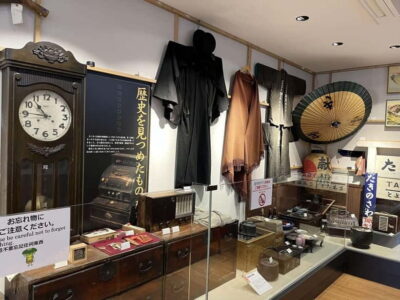 ★ 4.9Sapporo: The Indigenous Ainu People & Jozankei walking tourFrom $1709h 30m
 ★ 4.02026 Lake Shikotsu Ice Festival in HokkaidoFrom $58
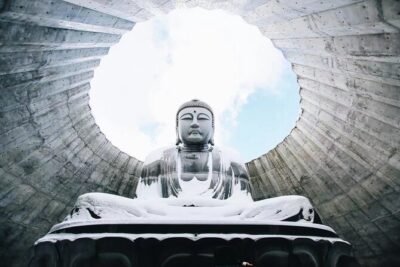 ★ 4.5[Sapporo] Go by private car! Takino Cemetery, Hokkaido Shrine, Shiroi Koibito ParkFrom $446
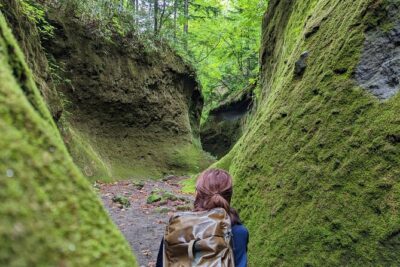 ★ 5.0Private Day Trip of Lake Shikotsu and Moss CanyonFrom $247
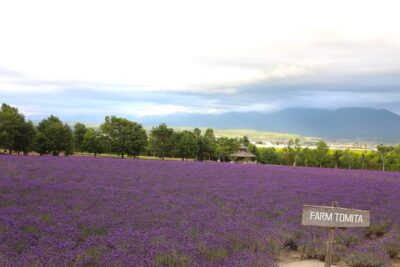 ★ 4.5Autumn Leaves in AutumnSkiing in winterLet’s go to Hoheikyo Onsen by private car (from Sapporo)From $415
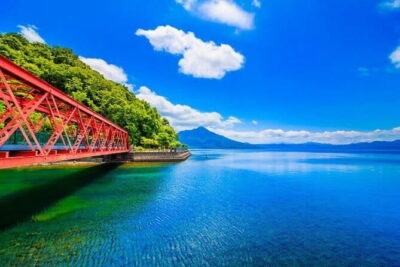 ★ 4.5Clearest Lake in Japan National Park package of Shikotsu lakeFrom $175
 ★ 5.0Explore Lake Shikotsu Ice Festival (night tour)From $59
Browse the lists this tour appears in