
Reviewed · SAPPORO FOOD TOURS
Sapporo: Historical Village of Hokkaido and Beer Museum Tour
Hokkaido’s story comes alive in three very different places on this 8.5-hour tour from Sapporo Station. You’ll walk among Meiji and Taisho period buildings, study Hokkaido’s people and wildlife, then finish with the story of Sapporo’s best-known beer.
I like the Historical Village of Hokkaido, where about 60 buildings form a large outdoor museum rather than a single indoor exhibit. I also like the useful mix of included transport, admissions, an English-speaking guide, and beer tasting.
The main drawback is that parts of the museums are self-guided, and not every sign is in English. You’ll want comfortable shoes, patience for translation apps, and enough energy for a long day on your feet.
Key points to know before booking
- About 60 historic buildings: See homes, shops, village structures, and city buildings from Hokkaido’s Meiji and Taisho periods.
- Three substantial stops: The tour combines the Historical Village, Hokkaido Museum, and Sapporo Beer Museum in one day.
- Guide Scott: Scott has led this experience and is available to explain Japanese culture and answer questions along the way.
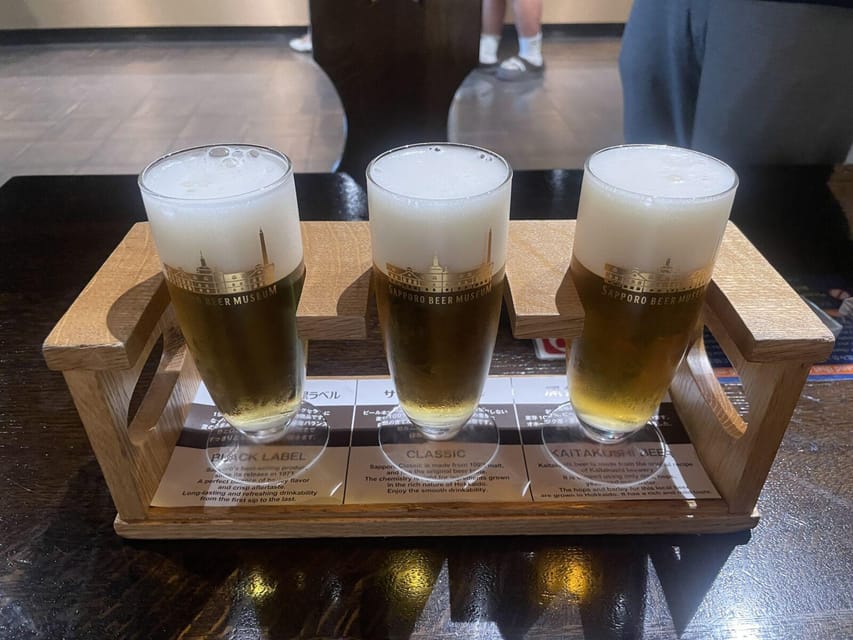
- Beer tasting at Star Hall: The tasting flight includes Sapporo Black Label, Hokkaido-only Sapporo Classic, and Sapporo Kaitakushi Pilsner.
- English help is uneven: The guide adds context, but some displays rely on Japanese text and laminated multilingual cards.
- Plan for a full day: The 510-minute schedule leaves room for a serious look at Hokkaido’s past, but lunch is not included.
Starting at Sapporo Station with a clear meeting point
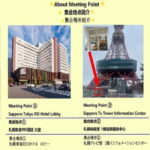
Your morning begins at 9 a.m. in front of MYOMU, the circular white stone structure near the South Exits of Sapporo Station. After leaving the main JR gates, turn left and walk toward the South Exits. Your guide wears a Snow Monkey Resorts tour tag.
This is a practical meeting spot because Sapporo Station is large, and vague directions can waste time. I would arrive a little early rather than try to locate MYOMU at the last moment. Once the group gathers, transportation to the listed attractions is included.
The 510-minute duration works out to about eight and a half hours. That makes this a major part of your Sapporo day, not a quick half-day outing. It is best suited to you if you want historical context and do not mind giving up most of the day for a structured tour.
A few more Sapporo tours and experiences worth a look
Historical Village of Hokkaido: a town-sized look at the past
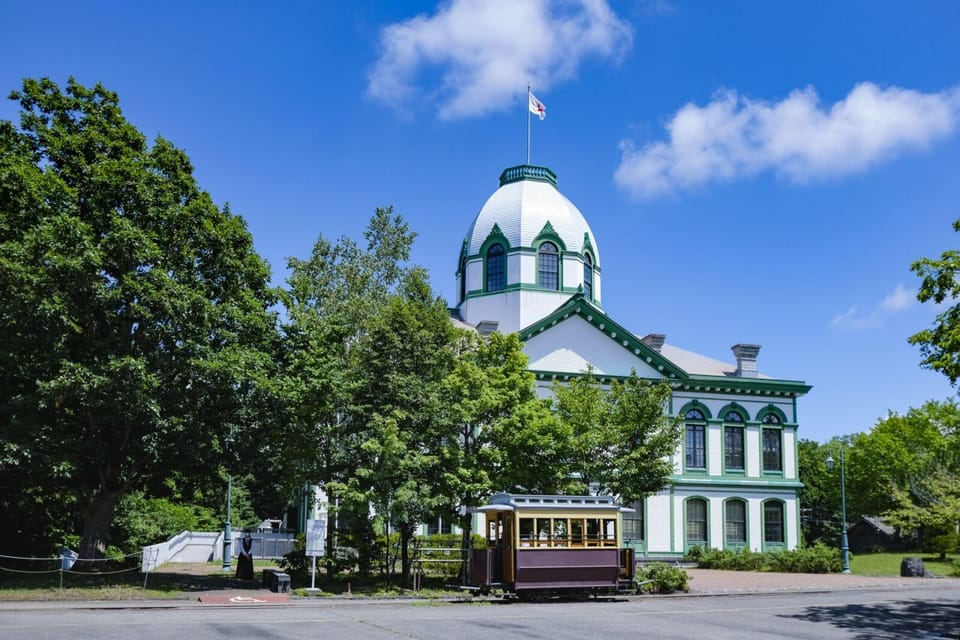
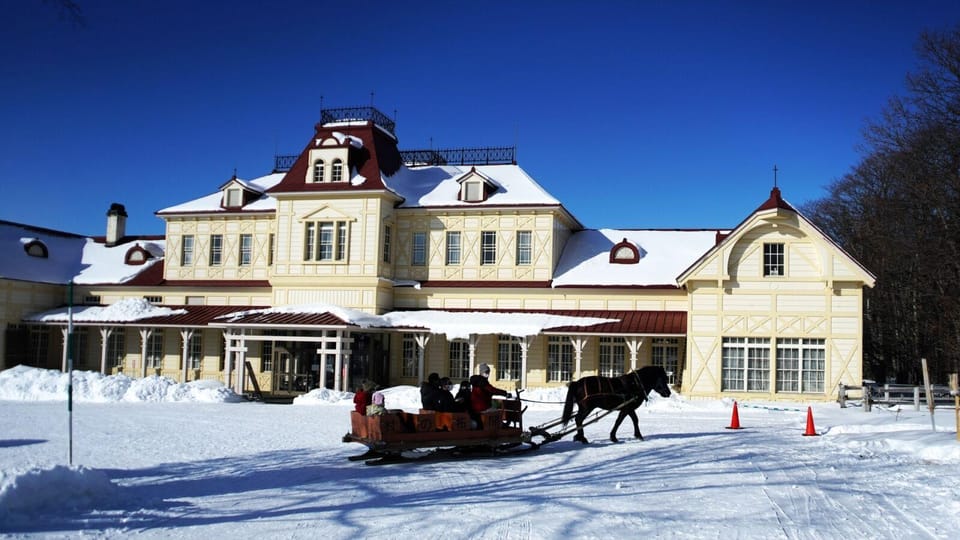
The first major stop is the Historical Village of Hokkaido, an open-air museum in Nopporo Forest Park on the outskirts of Sapporo. The site covers 54 hectares and contains about 60 structures dating from the Meiji and Taisho periods, from 1868 to 1926.
The scale is what makes this place work. Instead of seeing one preserved house behind glass, you move through different parts of Hokkaido’s older built world. Buildings represent rural and city life, with examples such as homes, a barber shop, and village facilities.
I like this stop because architecture gives you a direct sense of how people once lived. A building is not just an old shell. Its size, layout, materials, and setting help explain the work and daily routines tied to it. Your guide takes you around and explains each building’s purpose, which helps turn a walk into a readable story.
The setting also gives the visit breathing room. You are not rushing from one small display case to another. At the same time, the large grounds mean you should expect plenty of walking. Comfortable shoes are not a minor suggestion here.
The village is especially useful if you want more than modern Sapporo. The city is known for broad streets, food, winter sports, and beer, but this stop shows the older communities and working environments that shaped Hokkaido during its development.
Your guide’s role matters most here. The buildings can be appreciated on your own, but a short explanation can tell you why a barber shop, home, or village structure belongs in the collection and what kind of life it represents. Scott, the guide named for this tour, has also been praised for being easy to talk with and willing to answer questions about Japanese culture and daily life.
Hokkaido Museum: people, wildlife, and regional identity
Near the open-air village is the Hokkaido Museum. This stop shifts the focus from buildings to the wider story of Hokkaido, including early history, local culture, and wildlife.
That change of subject is valuable. The Historical Village shows you physical places. The museum helps connect those places to the people, customs, and natural environment of the region. Taken together, the two stops offer a fuller picture than either one could provide alone.
Expect the museum portion to be partly self-guided. The guide accompanies the group and can provide context, but the exhibits themselves use plaques and displays. English coverage may not be complete, so you might spend some time looking at objects, reading translated material on your phone, or asking Scott for an explanation.
This is one area where your expectations should be realistic. If you want every label explained in fluent English, the experience may feel less polished than a fully English-language museum tour. If you are happy to focus on the main displays and ask questions, the format can work well.
A guide who is open to questions adds real value here. Scott’s role is not only to move you between sites. He can help clarify details about Japanese life and culture that may not be obvious from a short English label.
Sapporo Beer Museum: advertising, bottles, and brewing history
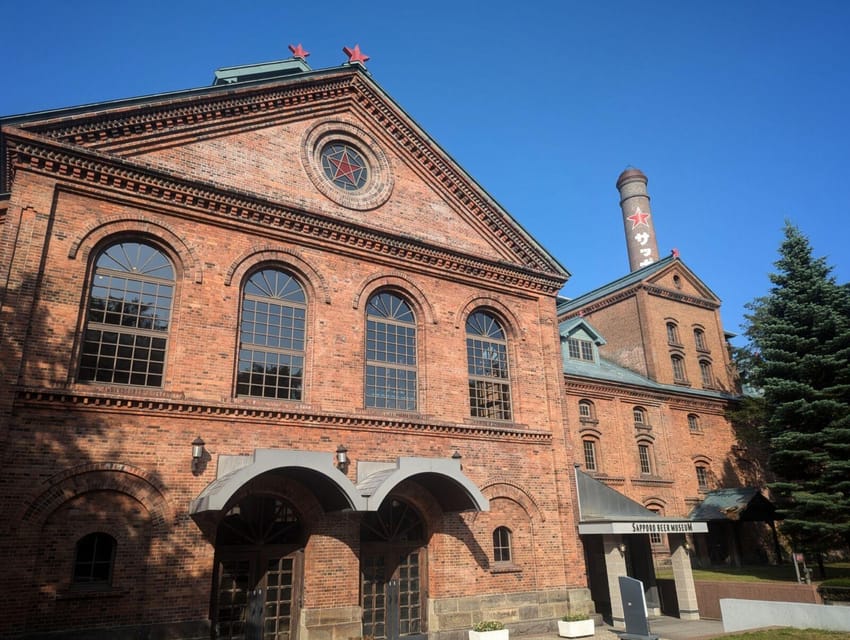
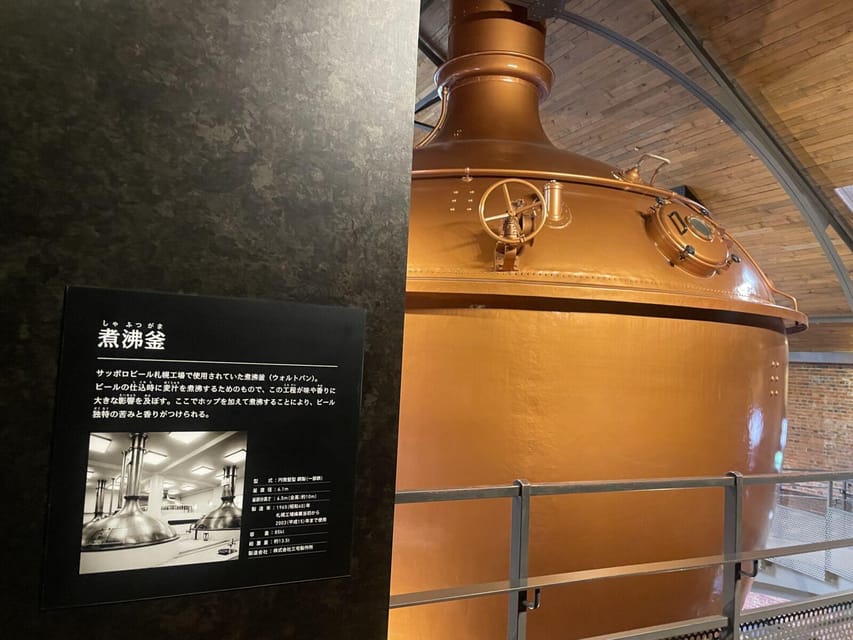
The final attraction is the Sapporo Beer Museum. Here, the subject becomes more familiar and more commercial: how the brewery began, how its products changed, and how Sapporo presented its beer over time.
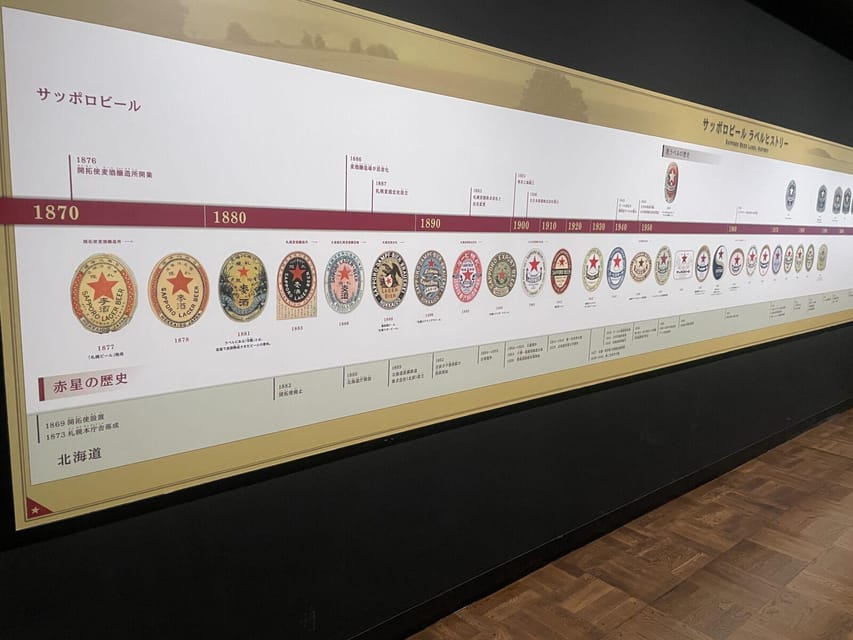
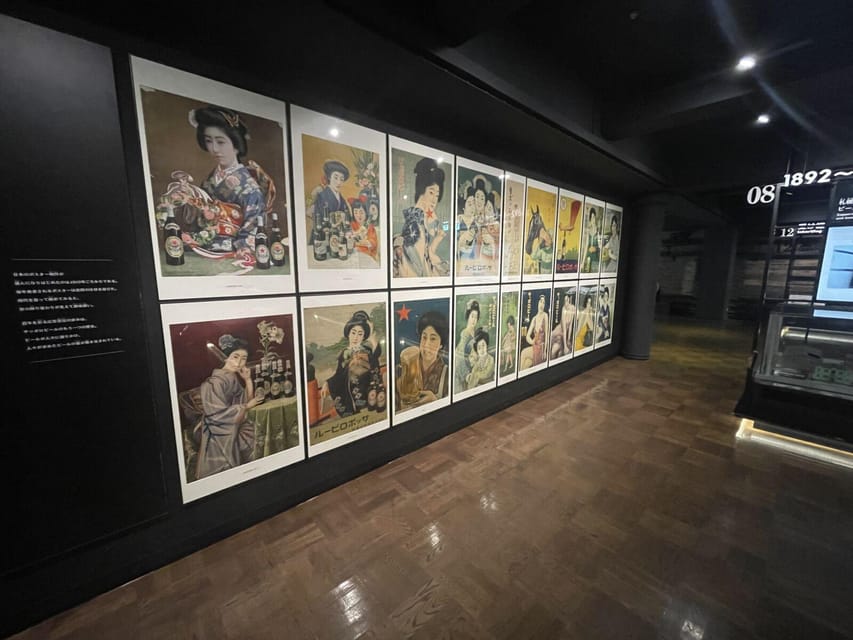
The museum follows the brewery’s story from its early days to the present. You will see different products from the company’s long history and examples of its advertising. The displays include bottle labels and print materials, so the visit is about more than beer production alone. It also shows how a major Japanese brand has marketed itself across different periods.
Most of the main signage is in Japanese. Look for small laminated cards beside the displays, which repeat the information in several languages. These cards make the museum more accessible, but you should still expect to read selectively rather than receive a fully narrated English presentation at every point.
The beer museum works well as the last stop because it is lighter in mood than the historical museums. After a long day of buildings, artifacts, culture, and wildlife, the tasting gives you a clear finish. It also ties Sapporo’s name to an actual local institution rather than treating beer as just a quick drink between sightseeing stops.
One point to watch: the supplied tour details list beer tasting as included, but also describe the three-beer flight as costing 800 yen at the Star Hall Tasting Corner. Since those details do not fully match, confirm the current tasting arrangement when you book or with your guide on the day.
The Star Hall tasting: three beers with a Hokkaido angle
The tasting flight is designed to compare three Sapporo beers:
- Sapporo Black Label
- Sapporo Classic, sold only in Hokkaido
- Sapporo Kaitakushi Pilsner
The inclusion of Sapporo Classic gives the tasting a local point of interest. You are not simply sampling three random products. One of the beers is tied specifically to Hokkaido, while the other two help show different parts of the brewery’s product range.
The tasting is held at the Star Hall Tasting Corner. It is a modest but worthwhile finish for anyone interested in Japanese beer. If you do not drink alcohol, the information supplied does not describe a nonalcoholic alternative, so ask before booking if that matters to you.
The tasting is also not a full meal. Lunch is excluded from the tour, and no accommodation is included. Plan your food needs around the day rather than assuming the beer stop will cover them.
A few more Sapporo tours and experiences worth a look

What the guide adds, and where you work independently
The strongest human element is the English-speaking guide. Scott has been described as friendly, easy to talk with, and ready to answer questions about Japanese culture and life. That kind of guide is particularly useful on a tour where some museum material is not in English.
Still, you should understand the format. At each location, much of the actual exhibit time is self-guided. The guide chaperones the group, points out useful details, and explains the broader story, but does not necessarily translate every plaque or provide a continuous talk at every display.
I see this as a fair compromise. A nonstop lecture can make a museum tiring, while a completely unguided visit leaves you guessing. Here, you get a person to ask when something catches your attention, then some freedom to look at the exhibits in your own way.
Bring your phone if you use translation tools. The tour information specifically notes that some signs are not in English, and translation may help you make more sense of smaller displays. Do not expect every building or object to have a detailed English explanation.
Is $188 a fair price?
At $188 per person, this is not a budget sightseeing outing. The price needs to be judged against what is included: an English-speaking guide, transportation from Sapporo Station to the listed attractions, admission tickets, and the beer tasting as described.
You are also paying for convenience. The Historical Village and Hokkaido Museum are outside central Sapporo, and arranging transport between the sites would take planning. This tour puts three related attractions into one day and gives you a guide who can connect them.
The value is strongest if you planned to visit all three places anyway. Buying separate admissions and organizing transportation might cost less, but it would also require more effort and would leave you without an English-speaking guide. The value is weaker if you only want a short beer visit or prefer to explore museums at your own pace.
The tasting detail deserves special attention before payment. The information says beer tasting is included, while the museum description gives an 800 yen price for the flight. Confirm whether that fee is already covered by the tour price or is paid separately.
Who will enjoy this full-day outing?
I would recommend this tour to you if you like museums, old buildings, local industry, and guided cultural context. It is a good match for first-time visitors who want a broad introduction to Hokkaido rather than another day centered only on central Sapporo.
It also suits anyone curious about how a region’s past connects to its present. The village presents older buildings, the Hokkaido Museum adds people and wildlife, and the beer museum shows how a local brand developed into a lasting part of Sapporo’s identity.
You may want a different plan if you have mobility limitations. The experience involves a large open-air site and walking between buildings, and the supplied information lists it as unsuitable for people with mobility impairments.
The tour is also not suitable for non-swimmers, according to the activity information, although no swimming activity is described in the itinerary. If that condition affects you, ask the operator to clarify it before booking.
Practical tips for making the day easier
Wear comfortable shoes. The open-air village is spread over 54 hectares, and the full schedule includes three attractions.
Arrive early at MYOMU rather than searching for the meeting point at 9 a.m. Sapporo Station has several exits, but the directions are specific: leave through the main JR gates, turn left, and head toward the South Exits.
Bring a phone with translation capability. The Hokkaido Museum and Sapporo Beer Museum may include Japanese signage, and the beer museum uses laminated multilingual cards beside some displays.
Keep some flexibility in your expectations. The guide can explain, but not every exhibit is presented as a polished English-language tour. You will get the most from the day by combining the guide’s help with your own reading and observation.
Remember that lunch is not included. The details provided do not specify a restaurant stop or meal arrangement, so do not book this tour assuming food is part of the price.
The tour allows cancellation up to 24 hours in advance for a full refund, and you can reserve now and pay later. Those terms help if your Sapporo schedule is still changing, though you should check the current conditions at booking.
Should you book the Historical Village and Beer Museum Tour?
Book it if you want a structured, full-day introduction to Hokkaido’s past, culture, architecture, and beer industry. The Historical Village is the centerpiece, while the Hokkaido Museum adds useful context and the Sapporo Beer Museum ends the day on a more relaxed note.
I especially like this tour for first-time visitors who would rather ask an English-speaking guide questions than piece together three outlying attractions alone. Scott’s friendly style and cultural explanations can make the self-guided exhibits easier to understand.
Skip it if you want a short, highly polished English-language tour, have trouble walking for long periods, or prefer to spend your day independently. At $188, the tour earns its price mainly through transport, admissions, and guidance, so make sure you value those conveniences.
FAQ
Where does the tour meet?
Meet your guide at 9 a.m. in front of MYOMU, the circular white stone structure near the South Exits of Sapporo Station. After leaving the main JR gates, turn left and walk toward the South Exits.
How long does the tour last?
The tour lasts 510 minutes, or about eight and a half hours.
What attractions are included?
The tour visits the Historical Village of Hokkaido, the Hokkaido Museum, and the Sapporo Beer Museum.
Is transportation included?
Yes. Transportation from Sapporo Station to the listed destinations is included according to the tour details.
Are admission tickets included?
Yes. Admission tickets for the attractions listed in the itinerary are included.
Is the guide English-speaking?
Yes. The tour has a live English-speaking guide. Scott is the guide named in the supplied tour information.
What beers are included in the tasting?
The listed three-beer flight includes Sapporo Black Label, Sapporo Classic, and Sapporo Kaitakushi Pilsner.
Is lunch included?
No. Lunch is not included in the tour price.
Can I cancel the tour for a refund?
You can cancel up to 24 hours in advance for a full refund, according to the stated activity terms.
More Historical Tours in Sapporo
More Sapporo Food Tours in Sapporo
More Sapporo City Tours in Sapporo

More tours in Sapporo we've reviewed


Sapporo Food Tours, compared.
 ★ 5.0Sapporo Bar Hopping Food TourFrom $108
 ★ 4.8Authentic Sapporo: Nijo Market Seafood Lunch & History TourFrom $612h 30m
 ★ 5.0Authentic Sapporo: Nijo Market Seafood Lunch & Local History TourFrom $63
 ★ 4.8Eat Like a Local in Sapporo – Private & Custom Food TourFrom $1883 hours
 ★ 4.6Hokkaido Sapporo :Hill of Buddha, Beer Museum & Fish MarketFrom $64
 ★ 5.0Sapporo: Nightlife Bar Hopping Tour with Local GuideFrom $1163 hours
 ★ 5.0Hokkaido Seafood Sushi Rolls Experience with Matcha, in SapporoFrom $97
Browse the lists this tour appears in