
Reviewed · SAPPORO FOOD TOURS
Hokkaido Seafood Sushi Rolls Experience with Matcha, in Sapporo
Fresh Hokkaido seafood, a small home kitchen, and a proper matcha session make this more than a standard cooking demonstration. You learn by doing, then sit down to eat what you made. The class runs for about two and a half hours and is limited to just two or three people.
I like the warm, personal setting and the chance to learn both sushi rolls and tempura in one morning. I also like the clear link to daily Japanese food culture, from preparing a meal to serving matcha with traditional sweets. The main consideration is the price, $97.55 per person, which is fair for a private-style class but more than a simple market meal.
Key Points at a Glance
- Small groups of two or three: You get a relaxed class rather than a crowded cooking show.
- Two practical dishes: Make seafood sushi rolls with fresh Hokkaido seafood and cook light, crispy tempura.
- A full Japanese food experience: The meal is followed by matcha and traditional Japanese sweets.
- Residential Sapporo setting: The studio is about 15 minutes by car from Sapporo Station, near Hokkaido Shrine and Maruyama Zoo.
- Friendly, social format: The class is designed for conversation, shared cooking, and making new friends.
- Simple morning schedule: The class begins at 10:00 a.m. and ends around 12:30 p.m., back at the meeting point.
A Home Kitchen Instead of a Restaurant Table
The appeal here is the setting. You are not simply handed a finished plate of sushi in a busy restaurant. You enter a quiet residential part of Sapporo and take part in a meal from start to finish.
That home-style setting matters because Japanese cooking is often about small habits: preparing ingredients carefully, arranging food neatly, and sharing dishes at the table. This class gives you a look at those everyday customs without turning the morning into a formal lecture.
The experience is run by Tomoko’s Japanese Cooking. A guide’s personal name beyond Tomoko’s name in the company title is not provided, so you should not expect a named chef profile when booking. What is clear is the tone: friendly, hands-on, and intimate.
The group size is one of the strongest features. With only two or three people, you should have room to ask questions and receive help while shaping the rolls or preparing the tempura. It also makes the meal feel more like a visit to a local kitchen than a large tourist activity.
There is a social side, too. The class is built around cooking and eating together, and the experience has been praised for its pleasant people, interesting lesson, and chance to make new friends. If you enjoy meeting others while traveling, this is a useful part of the value.
A few more Sapporo tours and experiences worth a look

10:00 a.m. Introduction to Hokkaido Food Culture
The class opens with a short introduction from 10:00 to 10:15 a.m. This is a brief start, not a long classroom talk, so you can expect to move quickly into the cooking.
The focus is Hokkaido’s food culture. That gives the seafood a sense of place. You are not just making generic sushi rolls with ingredients that could come from anywhere. The class centers on fresh seafood from Hokkaido, one of Japan’s best-known food regions.
This opening should help you understand what you are working with and why the ingredients matter. Since the introduction lasts only 15 minutes, the value is in the practical connection to the meal rather than a detailed history of Japanese cuisine.
For you, the short introduction is a good balance. It provides context without taking up most of the morning. If you want a long culinary lecture, this class may feel light. If you prefer to learn a little and then start cooking, the format fits well.
Making Seafood Sushi Rolls from Scratch
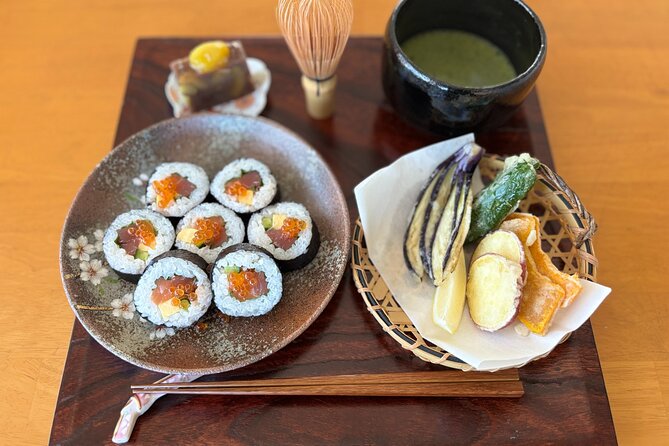
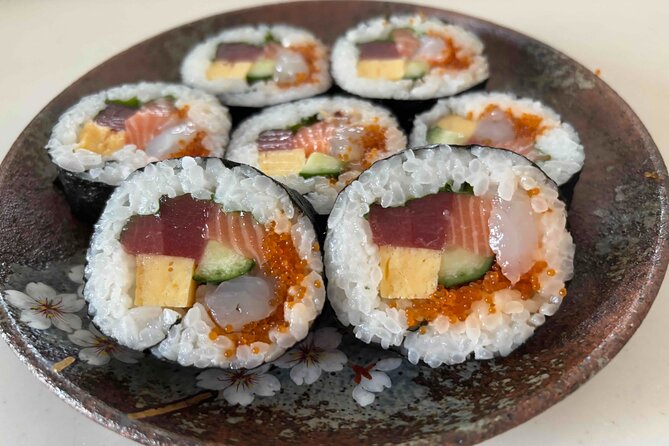
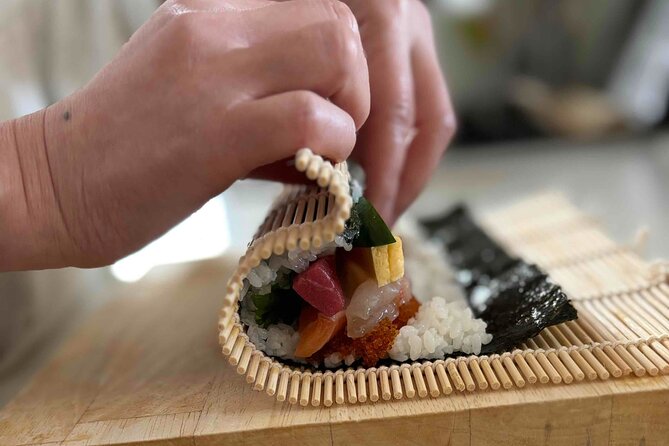
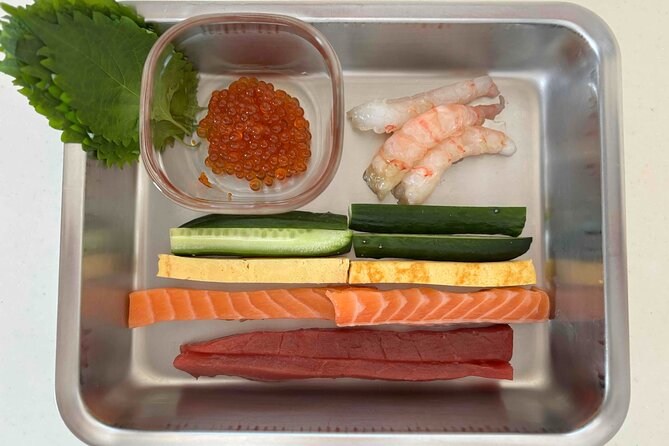
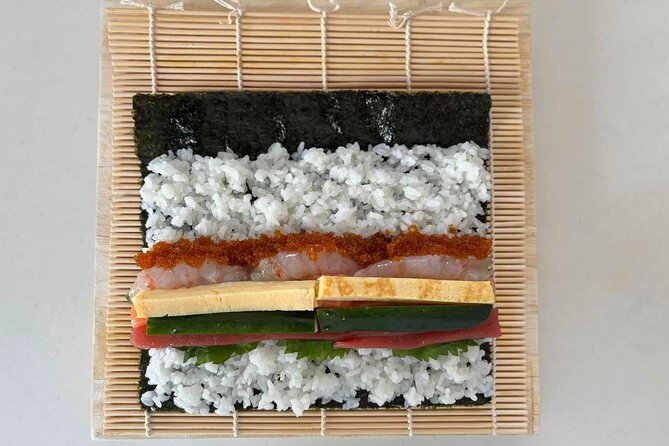
From 10:15 a.m. to noon, the main part of the experience combines cooking and tasting. You make seafood sushi rolls using fresh Hokkaido seafood, with the lesson focused on creating rolls that look attractive as well as taste good.
The word beautiful matters here. The class is not only about putting seafood and rice together. You learn how to shape and present the rolls, which adds a visual skill you can use again at home.
Sushi rolls can look easy until you try to make them neatly. The hands-on format gives you a chance to work through that process with guidance. You should expect to handle the ingredients yourself rather than watch someone else do all the work.
There is practical value in learning a dish you can repeat. A restaurant meal gives you a finished result, but a cooking class gives you a method. The details of the recipe are not specified, so you should not book this expecting a full printed cookbook or a fixed list of every seafood item in advance.
The Hokkaido seafood focus is also important for timing. Ingredients can vary, and the exact selection is not stated. That keeps the class tied to local food rather than promising a particular fish that may not be available.
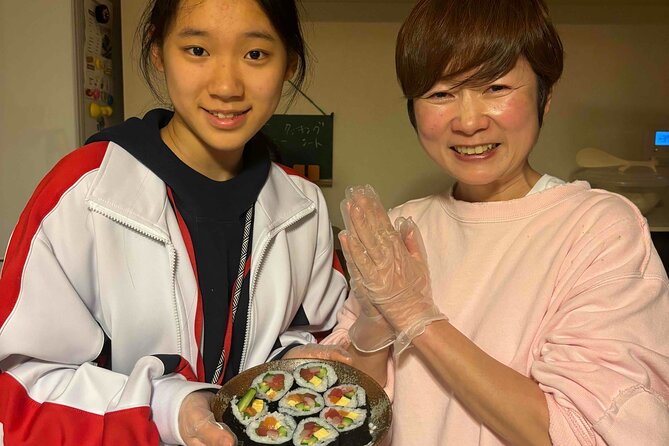
After preparing the rolls, you enjoy the meal together. This shared table time gives the class a natural finish to the savory portion. You can taste your own work, compare impressions with the small group, and enjoy the food without rushing off to the next sight.
Crispy Tempura with a Light Touch
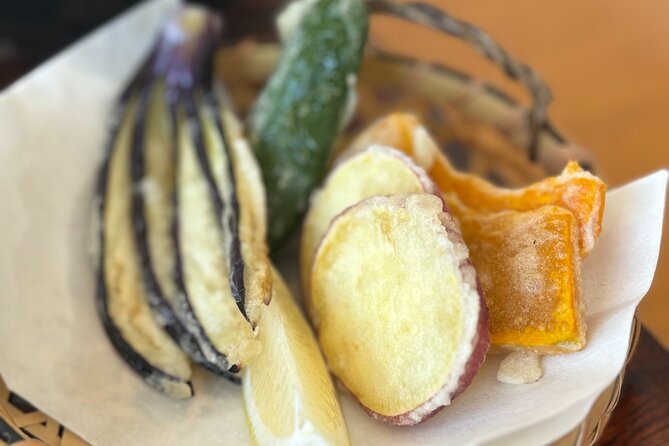
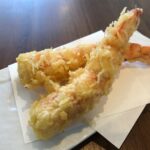
The same cooking block includes tempura. You learn how to cook it so the coating is light and crispy, a useful skill because good tempura depends on texture.
The class does not list the exact vegetables or seafood used for the tempura, so you should think of this as a technique lesson rather than a guaranteed menu. The key promise is the method and the shared meal.
I like the pairing of sushi rolls and tempura. Sushi teaches careful assembly and presentation. Tempura is about cooking technique and texture. Together, they give you two different ways to work with Japanese ingredients in a single session.
The downside is that two dishes plus tasting must fit into roughly 105 minutes. You will get an introduction to both, but this is not a professional culinary course with time for every possible variation. The pace should suit beginners and casual cooks more than people seeking advanced chef training.
The rental apron and hand towel are included, which keeps the morning simple. You do not need to pack cooking gear. The available information does not specify what clothing or footwear is best, so practical casual clothing is the sensible choice.
Noon at the Table: Eat What You Prepared
The class includes the food you make, not just the instruction. That improves the value because your meal is part of the experience rather than an extra purchase after the lesson.
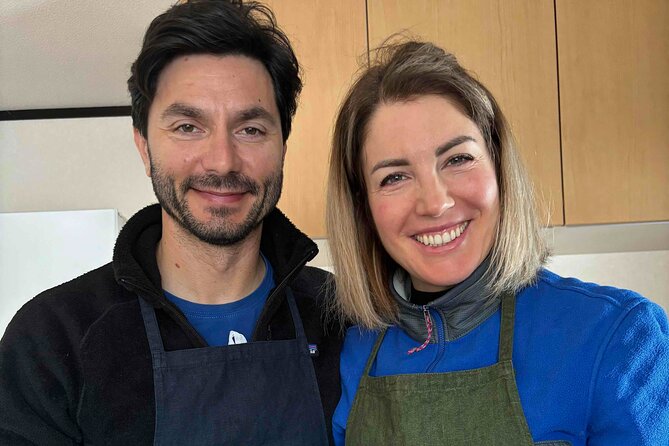
Eating together also helps the class feel personal. You are in a small group, in a residential setting, sharing food soon after preparing it. The social rhythm is one reason this suits couples, friends, and solo visitors who want a little conversation during their Sapporo stay.
There is no claim that the meal is a full multi-course lunch, so you should plan your expectations carefully. You will have seafood sushi rolls and tempura, but the included menu does not list additional dishes or drinks beyond the matcha and sweets served later.
For many people, that is enough for a morning activity. If you have a large appetite, you may want to keep a later meal in your plans. The end time is about 12:30 p.m., so it is easy to continue with sightseeing or lunch afterward.
A few more Sapporo tours and experiences worth a look

12:00 p.m. Matcha and Traditional Japanese Sweets
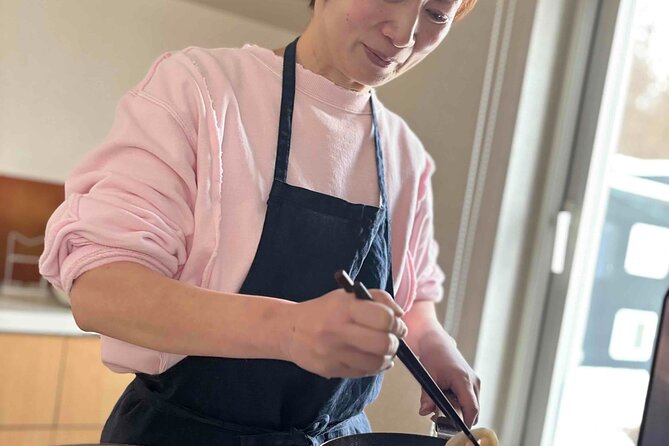
The final half hour is devoted to matcha and traditional Japanese sweets. This is not just an extra drink at the end. You learn about the spirit and basic ideas behind Japanese tea culture.
That makes the finish feel distinct from the cooking portion. After the active work of rolling sushi and frying tempura, the pace becomes quieter. Matcha gives you a chance to consider the manners, attention, and calm associated with Japanese tea traditions.
The class does not promise a full tea ceremony, and you should not assume that it includes formal ceremonial procedures. The wording points to a matcha experience and an introduction to the ideas behind tea culture.
Still, it is a worthwhile addition. Many food classes stop once the meal is served. This one connects cooking with another part of Japanese daily culture, pairing matcha with traditional sweets in a simple, approachable way.
If you are curious about Japanese customs but do not want to commit to a lengthy formal ceremony, this short session may be a good fit. If matcha is not your taste, remember that it is a central part of the scheduled experience, not an optional side stop.
A Quiet Base Near Sapporo Sights
The studio is in a quiet residential area of Sapporo, about 15 minutes by car from Sapporo Station. It is also within walking distance of Hokkaido Shrine and Maruyama Zoo, in an area described as stylish and pleasant.
That location can help you shape your day. You could take the morning class, finish around 12:30 p.m., and continue toward Hokkaido Shrine or Maruyama Zoo. The activity ends back at the meeting point, so you are not dropped at another neighborhood.
The meeting point is 26 Chome-2 Odorinishi, Chuo Ward, Sapporo, Hokkaido 064-0820. The area is near public transportation, but the supplied details do not specify the exact station, bus route, or walking time. Check the directions carefully before setting out.
Pickup requires careful attention. Pickup is shown as an available feature, but hotel pickup and drop-off are listed as not included. The safest plan is to treat the stated meeting point as your responsibility unless the provider confirms another arrangement directly.
Because the class begins at 10:00 a.m., leave enough time to find the residential studio. A cooking lesson is not the place to arrive flustered, especially when the group is very small and the opening introduction starts promptly.
Is $97.55 a Fair Price?
At $97.55 per person, this is not a budget breakfast. You are paying for instruction, ingredients, a small private-style group, the prepared meal, matcha, sweets, and use of an apron and hand towel.
The group size is the biggest factor in the price. A class limited to two or three people gives you a more personal format than a large workshop. You are also getting two cooking techniques and a cultural session rather than one recipe alone.
I consider the price reasonable if you value participation and local contact. It is less attractive if your main goal is simply to eat Hokkaido seafood as cheaply as possible. A restaurant meal will likely take less time and may cost less, but it will not teach you how to make the food or give you the same home-kitchen setting.
The current score is 5/5 from four published ratings, with especially positive attention to the friendly atmosphere, interesting lesson, and new friendships. That is encouraging, but four ratings are still a small sample. I would treat the score as a helpful sign, not a guarantee that every class will feel identical.
The activity is commonly booked about 16 days ahead. That suggests you should reserve early if your Sapporo schedule is fixed, especially because the group is limited to two or three people.
Who Will Enjoy This Most?
I would recommend this class to several kinds of visitors:
- First-time Japan visitors who want a guided introduction to sushi, tempura, and matcha in one morning.
- Food-focused visitors who want to work with Hokkaido seafood instead of only ordering it.
- Couples and friends who like shared activities and a small-group setting.
- Solo visitors who want a friendly way to meet people while learning something practical.
- Families with suitable older children, if the provider confirms the group is appropriate, since the published information does not state an age policy.
- Sightseeing planners who want to combine a morning activity with Hokkaido Shrine or Maruyama Zoo.
I would think twice if you want a large, energetic cooking school, advanced culinary training, or a formal full tea ceremony. The class is short, intimate, and introductory by design.
Booking Details Worth Knowing
Confirmation is received at booking, and mobile tickets are offered. The activity is listed as private, meaning only your group will participate, while the class format itself is described as two to three people. Together, those details point to a small booking rather than a public class with a large rotating crowd.
Free cancellation is available up to 24 hours before the 10:00 a.m. start time for a full refund. Changes or cancellations made less than 24 hours before the start are not accepted for a refund, and the cut-off uses Sapporo local time.
The activity also requires good weather. If poor weather causes cancellation, you are offered another date or a full refund. That policy is worth noting when planning around a tightly packed Sapporo itinerary.
Should You Book This Sapporo Cooking Class?
Book it if you want to do more than order sushi. The combination of Hokkaido seafood, tempura, and matcha gives you a broad taste of Japanese food culture in a compact morning, and the two-to-three-person format keeps it personal.
The best reason to choose it is the balance. You cook, eat, talk, and then slow down with tea. The main drawbacks are the price, the limited published menu details, and the need to reach the meeting point yourself unless pickup is separately confirmed.
For a relaxed, social food activity near Hokkaido Shrine and Maruyama Zoo, I think it is a strong choice. For a quick meal or a formal tea ceremony, choose something else.
FAQ
How long does the Hokkaido seafood sushi and matcha experience last?
The experience lasts approximately two hours and 30 minutes, from 10:00 a.m. until about 12:30 p.m.
Where does the class begin?
It begins at 26 Chome-2 Odorinishi, Chuo Ward, Sapporo, Hokkaido 064-0820, Japan.
What time should I arrive?
The class starts at 10:00 a.m. The introduction runs from 10:00 to 10:15 a.m., so plan to arrive at the meeting point before the start time.
What food will I prepare?
You will make seafood sushi rolls using fresh Hokkaido seafood and cook crispy tempura.
Is matcha included?
Yes. Matcha and traditional Japanese sweets are included in the experience.
How many people take part in the class?
Classes are held in small groups of two to three people. The activity is also listed as private, so only your group participates.
Is hotel pickup included?
Hotel pickup and drop-off are not included. Although pickup is shown as an available feature, you should confirm any pickup arrangement with the provider and plan around the stated meeting point.
What is included in the price?
The price includes the seafood sushi roll and tempura experience, matcha, Japanese sweets, a rental apron, and a hand towel.
Can I cancel for a full refund?
Yes, if you cancel at least 24 hours before the local start time. Cancellations or changes made less than 24 hours before the start are not eligible for a refund. If poor weather forces cancellation, you will be offered another date or a full refund.
More Sapporo Food Tours in Sapporo
More Sapporo City Tours in Sapporo

More tours in Sapporo we've reviewed






Sapporo Food Tours, compared.
 ★ 5.0Sapporo Bar Hopping Food TourFrom $108
 ★ 4.8Authentic Sapporo: Nijo Market Seafood Lunch & History TourFrom $612h 30m
 ★ 5.0Authentic Sapporo: Nijo Market Seafood Lunch & Local History TourFrom $63
 ★ 4.8Eat Like a Local in Sapporo – Private & Custom Food TourFrom $1883 hours
 ★ 4.6Hokkaido Sapporo :Hill of Buddha, Beer Museum & Fish MarketFrom $64
 ★ 5.0Sapporo: Nightlife Bar Hopping Tour with Local GuideFrom $1163 hours
 ★ 4.5Sapporo: Historical Village of Hokkaido and Beer Museum TourFrom $1888h 30m
 ★ 3.0Sapporo Beer Museum from OtaruFrom $315
Browse the lists this tour appears in