
Reviewed · SAPPORO FOOD TOURS
Authentic Sapporo: Nijo Market Seafood Lunch & Local History Tour
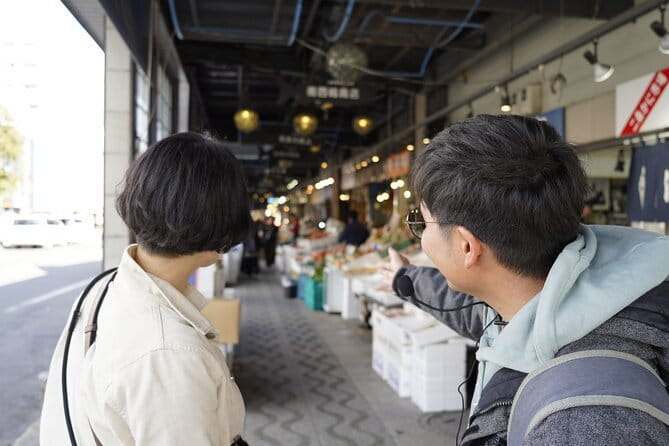
Sapporo’s best food stop comes at the end of a short history walk. You’ll trace the city’s early years from the Clock Tower through Odori Park and Sosei Bridge, then sit down for fresh sushi or donburi at Nijo Market. I like the small group size and the included TV Tower admission, though the guide may not join you for lunch.
I also like the way the route links famous sights with less obvious local places, especially Sosei Bridge and Hokkaido Shrine Tonguu. The main caution is weather: this is an outdoor walking tour, and snow or slippery streets can make sturdy shoes, warm clothing, and an umbrella essential.
Key points at a glance
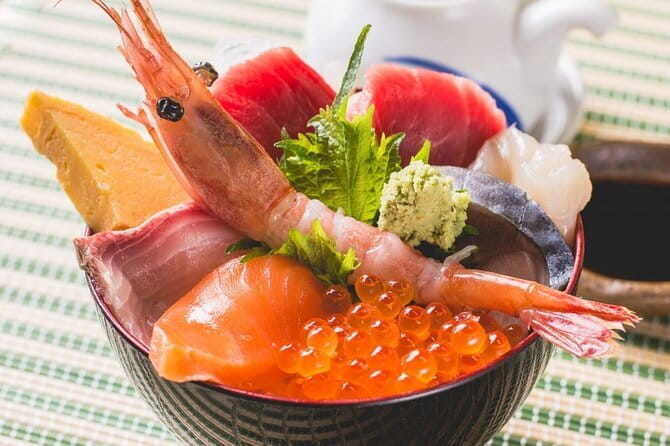
- Seafood lunch at Nijo Market: Choose sushi or donburi at a market restaurant, with the meal included in the tour price.
- A 90-meter city view: Admission to Sapporo TV Tower is included, giving you a 360-degree look across the city.
- Early Sapporo in compact form: The Clock Tower, City Hall, Odori Park, and Sosei Bridge explain how the young city took shape.
- A small maximum of eight: The group size allows for questions and a more personal walking pace.
- Local religious life: Hokkaido Shrine Tonguu offers a look at a community shrine that is not usually part of a first-time sightseeing route.
- Practical winter advice: Snowy conditions can mean slippery roads, so insulated clothing, a hat, and sturdy shoes matter.
Why this 2.5-hour route works well
This tour is built around a simple idea: understand Sapporo before you eat it. Nijo Market is more than a place to buy seafood. It has long been known as a people’s kitchen, and the walk gives you some context for the city and its eastern neighborhoods before lunch.
The route lasts about two and a half hours and begins at 10 a.m. at Sapporo Clock Tower. You move through central Sapporo mostly on foot, with the TV Tower stop adding a vertical break to the walk. The experience ends at Nijo Market, so you can continue eating, shopping, or exploring after the guide leaves.
With a maximum of eight people, this is a better fit for someone who wants conversation than for someone who prefers to slip quietly through a large sightseeing group. English and Japanese live guiding are available. Guides who have led this experience include Tom, Tomoaki, Okie, and IKU, though the guide assigned to your date can vary.
The price is $63.20 per person. That is a reasonable package if you value the guide’s historical explanation, the TV Tower ticket, and a seafood lunch. It is less attractive if you mainly want a cheap market meal, since you could visit Nijo Market on your own. The value lies in combining lunch with a guided look at Sapporo’s beginnings.
A few more Sapporo tours and experiences worth a look
Starting beneath the Clock Tower
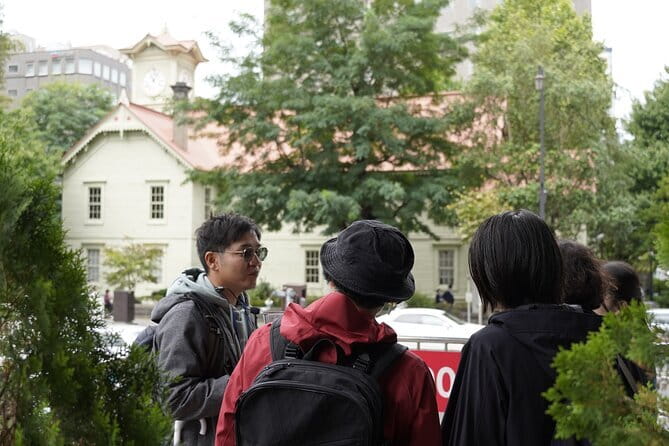
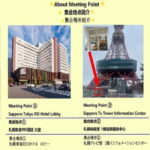
The meeting point is the Sapporo Clock Tower, at 2 Chome Kita 1 Jonishi in Chuo Ward. This familiar wooden building introduces the city’s early development, and your guide explains why it matters rather than treating it as a quick photo stop.
You’ll spend about 20 minutes here. The bell still rings, and the building helps set the time and place for the rest of the walk. The admission ticket is not included, so you should not assume you will enter the Clock Tower. The important part of this stop is the outside history and the guide’s explanation.
Starting here is practical. The Clock Tower sits near public transportation and is easy to find, which reduces the usual first-morning confusion. Arrive ready to walk rather than expecting a vehicle to carry you between sights.
City Hall and the making of Sapporo
The next stop is Sapporo City Hall, where you spend about 15 minutes learning about one of the major figures involved in developing Sapporo. This portion gives the tour a human angle. Cities can feel abstract when you only see buildings and streets, but names and decisions make the early period easier to follow.
City Hall admission is free. The stop is short, so do not expect a full civic tour or a long indoor visit. Think of it as a focused history lesson along the route.
That compact format is one of the tour’s strengths. You get useful context without spending the whole morning in a museum. If you want detailed architectural or political history, you will need more time elsewhere, but this gives you a clear starting point.
A pause in Odori Park
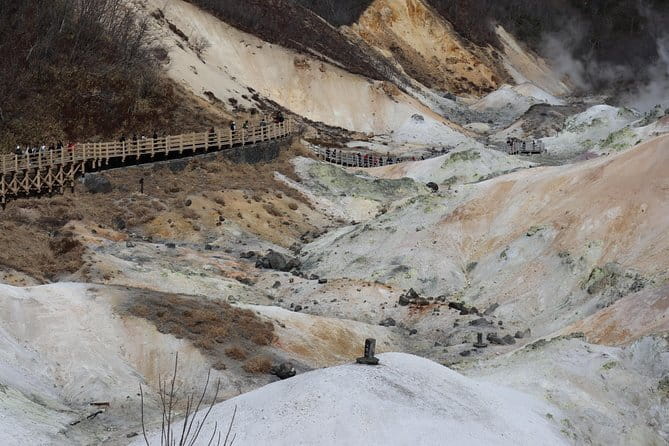
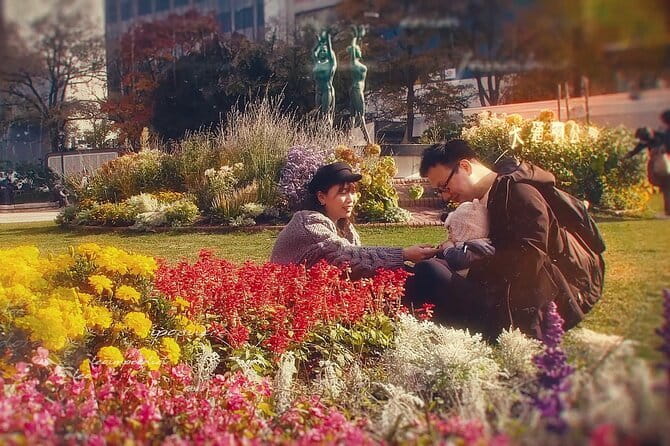
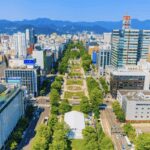
Odori Park provides a change of pace. Your guide takes you through the park so you can see how local people use this broad central space in daily life.
The stop is not given a separate duration, so the amount of time here can depend on the route and group. That flexibility is useful because Odori Park can look very different depending on the season and weather. In winter, snow and ice may slow the walk. In better conditions, it is a pleasant open stretch between the city’s major buildings.
I like this stop because it keeps the experience from becoming a checklist of monuments. You see Sapporo as a lived-in city, not only as a set of attractions. At the same time, the park itself is not the main historical lesson, so visitors seeking a long stop with many photo opportunities may find it brief.
The TV Tower’s 90-meter view
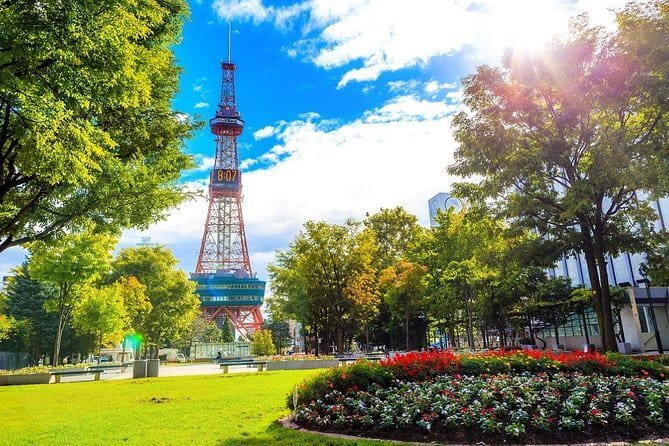
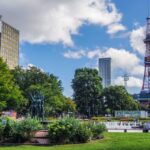
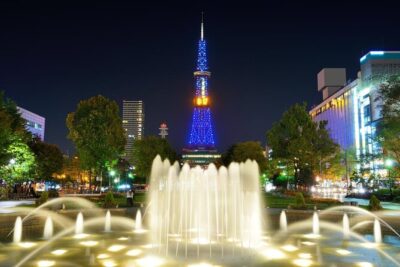
Sapporo TV Tower is the route’s clearest visual payoff. Admission is included, and the guide takes you to the observation deck, about 90 meters above the ground, for a 360-degree view of the city.
You’ll spend roughly 30 minutes here. That is enough time to orient yourself and see how Sapporo’s central plan fits together. After walking through streets and parks, the elevated view helps you understand the city’s layout in one glance.
This inclusion adds real value to the $63.20 price. Many walking tours charge separately for observation decks, while this one folds the ticket into the experience. One visitor joined expecting only a walking route and was pleasantly surprised by the tower visit, so keep that feature in mind when comparing options.
The drawback is that the tower stop may feel short if you want a slow visit. The tour has several stops to cover, and the group needs to keep moving. Still, the tower is a smart middle point: you get a break from street-level walking and a useful overview before heading toward the eastern side of central Sapporo.
A few more Sapporo tours and experiences worth a look

Sosei Bridge and the city’s eastern edge
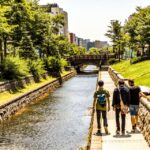
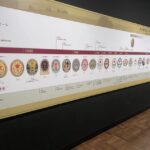
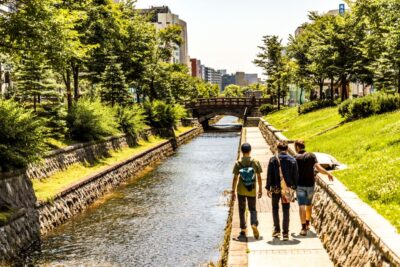
Sosei Bridge is one of the more unusual stops. It is described as Sapporo’s oldest bridge, and the guide uses it to explain the early city and the Sosei East area.
This is not the sort of place most first-time visitors seek out on their own. That makes it valuable, especially if you have already seen the Clock Tower and Odori Park and want something less familiar. The appeal is the connection between a modest piece of infrastructure and the story of how Sapporo grew.
Allow about 20 minutes here. Do not expect a grand monument. The bridge matters because of its place in the city’s beginnings, not because it is a major visual attraction. Your enjoyment will depend on how much you like small historical details and local stories.
This is also where the walking format earns its keep. A private vehicle could take you from one famous sight to another, but it would make it harder to notice how the districts connect. You see the route at street level, with the guide pointing out the links between old and newer Sapporo.
Hokkaido Shrine Tonguu and local practice
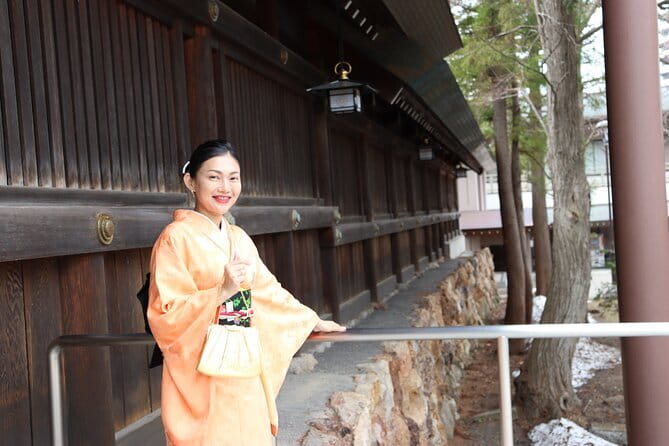
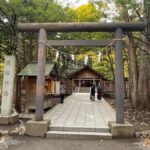
The visit to Hokkaido Shrine Tonguu lasts about 15 minutes. Here, you learn about Shinto and see a shrine used by the local community.
The stop is intentionally short, but it adds cultural range to the morning. The tour is not only about buildings, streets, and seafood. It also gives you a brief look at religious practice in Japan and the role a neighborhood shrine can play.
Because the shrine is not presented as one of Sapporo’s major tourist sights, the atmosphere may feel more ordinary and local. That can be a plus if you prefer everyday places to heavily promoted attractions. You should also keep your expectations realistic: 15 minutes is enough for an introduction, not a detailed lesson in Shinto customs.
Your guide can explain how to behave respectfully, but it is still wise to watch what people around you are doing. Keep voices low, follow posted instructions, and treat the space as a place of worship rather than just another photo stop.
Lunch at Nijo Market
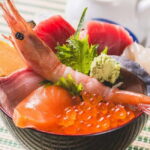
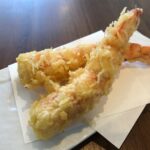
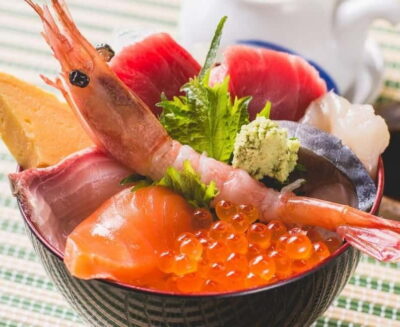
The tour finishes at Nijo Market, where you explore the seafood stalls before eating at a local restaurant. Lunch includes seafood, with sushi or donburi listed as the main choices.
This is the morning’s most direct connection to Sapporo’s food culture. Hokkaido is known for seafood, and Nijo Market gives you a setting where that food is tied to the city’s daily life. The market was once called the people’s kitchen, a fitting name for a place built around fresh ingredients and community use.
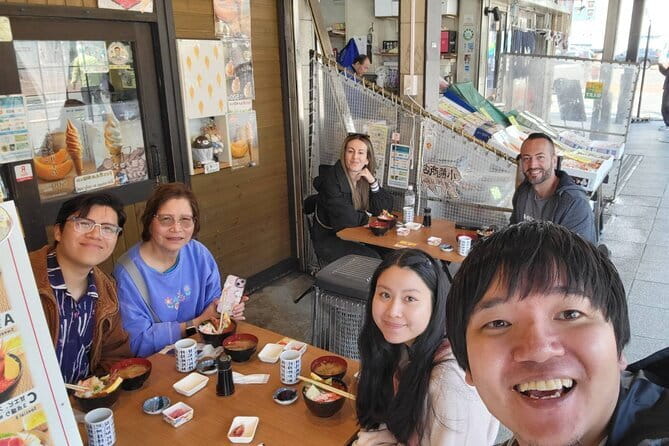
The lunch lasts about 45 minutes. The exact restaurant and dish can vary, so you should not book this expecting one fixed menu. You should expect a market-style seafood meal, rather than a long formal dining experience.
One practical point matters: the guide may not join you for lunch. That is not necessarily a problem, but you should be comfortable finishing the experience with your group or companions while the guide handles the end of the tour. The tour concludes after arriving at the restaurant, so plan any later market browsing on your own.
Seafood and shellfish allergies are a serious concern here. The experience is not recommended if you have allergies to fish, shellfish, or related ingredients. If you need a non-seafood meal, this may not be the right choice because the included lunch is specifically based around seafood.
Walking, weather, and what to wear
There is no private transportation included. That keeps the tour simple and helps you experience central Sapporo on foot, but it also means the weather can shape your morning.
A snowy day can be beautiful, yet the streets may be slippery. Dress in insulated clothing, wear a hat, and choose sturdy shoes with good grip. An umbrella is useful in wet conditions. One snowy outing required exactly this kind of preparation, with steady snow and slick roads making proper gear important.
Water, coffee, and tea are not included. You can buy drinks at a store or vending machine, and you might find a bottle refill point during summer. The tour also introduces Kotobuki Coffee, but a coffee visit is not included as part of the package.
Most people can take part, but remember that you will be walking between several stops. If you dislike cold weather, wet streets, or a steady city walk, choose your date carefully. The activity requires good weather and can be canceled if conditions are poor.
The guide makes the difference
The route itself is useful, but the guide is what turns a sequence of stops into a coherent morning. Tom has been described as patient and informative, especially in freezing conditions. Tomoaki has led the walk with a friendly approach and offered suggestions for other places to see and eat in Sapporo.
Okie has guided the route in heavy snow, including a group with a trainee. IKU has also led the experience and focused on connecting the city’s past with the market lunch. These names show the range of people who may guide the tour, but you should not assume a particular person will be assigned to your booking.
A small maximum of eight people helps. You can ask about a detail at the Clock Tower, stop briefly to clarify a shrine custom, or get food suggestions for the rest of your Hokkaido stay. A larger group would make that harder.
The tour is offered in English or Japanese. Confirm your preferred language when booking if that matters to you, since the useful part of the experience depends on being able to follow the guide’s explanations.
Who should book this Sapporo experience?
I would choose this tour if you have only a short time in Sapporo and want a first orientation that combines food, views, and local history. It is especially suitable for people who enjoy walking tours but do not want to spend half a day in museums.
It also fits food-focused visitors who want a planned seafood lunch instead of guessing which market restaurant to choose. The included meal removes one decision from your morning, while the guide adds context before you sit down to eat.
Families and older visitors should consider the weather and walking demands. The group is small, but the route still moves between outdoor stops. Anyone with seafood or shellfish allergies should skip it.
You may want a different option if you prefer a private tour, need a fully indoor activity, want extensive time at each attraction, or care mainly about eating at Nijo Market. In those cases, an independent market visit or a private customized tour may offer more control.
Is the $63.20 price fair?
For $63.20, you receive a 2.5-hour guided walk, the Sapporo TV Tower ticket, a seafood lunch, tax, and insurance. You do not pay for private transportation, drinks, or Clock Tower admission.
The strongest value comes from the combination. A market lunch alone would cost less or more depending on your dish, but it would not explain Sosei East, Sosei Bridge, or the city’s early development. The TV Tower ticket also gives the package a concrete extra benefit.
The meal is not fully specified, and the guide may not sit with you. If dining guidance or a long shared meal is central to your plans, that limitation matters. For a short introduction to Sapporo with a memorable food finish, the price is sensible.
Should you book Authentic Sapporo?
Book it if you want a compact, social morning that explains Sapporo while taking you to a seafood lunch. The TV Tower view, small group, and lesser-known eastern stops make it more useful than a simple market visit.
Skip it if seafood is unsafe for you, if you need private transport, or if cold and wet weather would spoil the morning. Also remember that the Clock Tower ticket and drinks are extra, and the guide may leave before lunch is finished.
For everyone else, this is a good first-day choice. You finish at Nijo Market with both a better sense of the city and a plate of Hokkaido seafood in front of you.
FAQ
Where does the tour start?
The tour starts at Sapporo Clock Tower, 2 Chome Kita 1 Jonishi, Chuo Ward, Sapporo, Hokkaido 060-0001, Japan.
What time does the tour begin?
The scheduled start time is 10 a.m.
Where does the tour finish?
The tour finishes at Nijo Market, after arriving at the restaurant for lunch.
How long does the experience last?
The experience lasts approximately two hours and 30 minutes.
Is lunch included?
Yes. A seafood lunch at Nijo Market is included, with sushi or donburi listed as the meal choices.
Is admission to Sapporo TV Tower included?
Yes. The tour includes admission to the Sapporo TV Tower observation deck.
Is admission to the Clock Tower included?
No. The Clock Tower stop is included, but its admission ticket is not.
How many people can join the tour?
The tour has a maximum of eight participants.
Is private transportation included?
No. Private transportation is not included. The route is explored on foot, and the tour is near public transportation.
What happens if the weather is poor?
The experience requires good weather. If it is canceled because of poor conditions, you will be offered another date or a full refund. Free cancellation is available if you cancel at least 24 hours before the start time.
More Historical Tours in Sapporo
More Sapporo Food Tours in Sapporo
More Sapporo City Tours in Sapporo

More tours in Sapporo we've reviewed


Sapporo Food Tours, compared.
 ★ 5.0Sapporo Bar Hopping Food TourFrom $108
 ★ 4.8Authentic Sapporo: Nijo Market Seafood Lunch & History TourFrom $612h 30m
 ★ 4.8Eat Like a Local in Sapporo – Private & Custom Food TourFrom $1883 hours
 ★ 4.6Hokkaido Sapporo :Hill of Buddha, Beer Museum & Fish MarketFrom $64
 ★ 5.0Sapporo: Nightlife Bar Hopping Tour with Local GuideFrom $1163 hours
 ★ 5.0Hokkaido Seafood Sushi Rolls Experience with Matcha, in SapporoFrom $97
 ★ 4.5Sapporo: Historical Village of Hokkaido and Beer Museum TourFrom $1888h 30m
 ★ 3.0Sapporo Beer Museum from OtaruFrom $315
Browse the lists this tour appears in