
Reviewed · SOBA & COOKING CLASSES
Gluten-free only.Soba making experience plan!
Making soba from 100% buckwheat flour is the unusual part here. Most soba uses wheat flour as a binder, but this Sapporo class uses only Hokkaido buckwheat and water. The result is naturally gluten-free, but also fragile, quick to dry, and demanding to cut.
I like two things right away: you work in a real soba restaurant, not a staged cultural center, and the lesson continues at the table. You learn how to use the dipping sauce and finish with sobayu, the warm cooking water traditionally enjoyed after the noodles.
The main consideration is that this is not the easiest soba class. Without wheat flour, the dough can crack, so you need to move quickly and follow instructions closely. At about $84.70 per person for 75 minutes, it is best for anyone who wants a hands-on food lesson, not simply a cheap meal.
Key points to know before booking
- 100% buckwheat dough: No wheat flour or binding flour is used, making the soba naturally gluten-free.
- Hokkaido ingredients: The buckwheat flour comes from Hokkaido, Japan’s leading soba-producing region.
- Taku’s hands-on teaching: Taku has guided participants through the process with clear explanations and patient instruction.
- Four practical stages: You mix, knead, stretch, and cut the dough before eating the noodles you made.
- Real restaurant setting: The class takes place at Mondo, a working soba restaurant supported by chefs with more than 10 years of soba-making experience.
Why 100% buckwheat soba changes the class
Many soba-making lessons use nihachi soba, a traditional blend of 80% buckwheat flour and 20% wheat flour. That wheat gives the dough strength. It helps the noodles hold together while you roll and cut them.
This class removes that safety net. The dough is made with buckwheat flour and water alone. That makes it a useful choice for people avoiding gluten, but it also turns the lesson into a more serious craft session.
Buckwheat contains no gluten naturally. Still, anyone with celiac disease or a severe allergy should discuss cross-contact concerns with the provider before booking. The equipment used for this plan is cleaned before the gluten-free session, but the restaurant normally handles wheat flour for its regular soba.
The dough can dry out quickly and crack easily. Temperature and humidity also affect the process. You will need to pay attention rather than casually chatting through every stage. That difficulty is part of the value: you see why trained soba makers spend years learning to judge dough by feel, moisture, and timing.
For a beginner, the key lesson is simple. Speed matters. Your instructor helps you keep the dough moving, and you do not need to arrive with any prior noodle-making skill. But you should expect guidance and concentration, not a relaxed craft project where mistakes do not matter.
A few more Sapporo tours and experiences worth a look
Starting with Hokkaido buckwheat flour
The class uses Hokkaido buckwheat flour. Hokkaido is known in Japan for high-quality buckwheat grown in fertile soil and supplied with clean water. The flour is not just a technical ingredient here. It gives the class a clear sense of place.
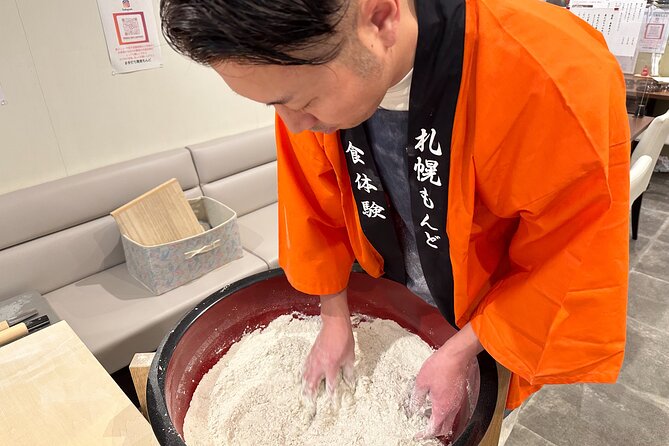
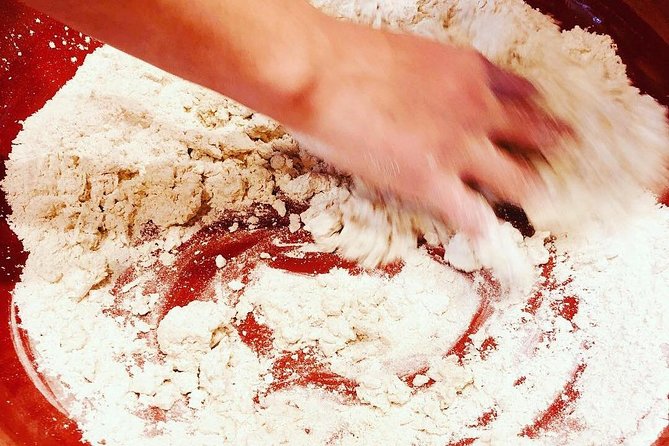
You begin by mixing the flour with water. This first stage looks simple, but the balance matters. Too much or too little water can affect how the dough behaves later. Since no wheat flour is present, there is less room for correction.
Your instructor explains the process as you work. Taku has been specifically praised for making the lesson educational and enjoyable while allowing participants to do the work by hand. That is important. A demonstration alone would show you the technique, but it would not give you a feel for how quickly the dough changes.
The restaurant’s experienced soba makers can also work with several flour ratios, including blends with 20% wheat flour, 10% wheat flour, and fully buckwheat versions. That background helps explain why the class can take on the difficult gluten-free dough rather than treating it as a novelty.
Kneading and stretching the dough
Once mixed, the dough must be kneaded. This is where you begin to understand the difference between watching soba being made and making it yourself.
The goal is to bring the dough together without overworking it or letting it dry. You will be shown how to handle it, and you should follow the instructor’s pace. The dough needs enough attention to become workable, but it remains more delicate than ordinary soba dough.
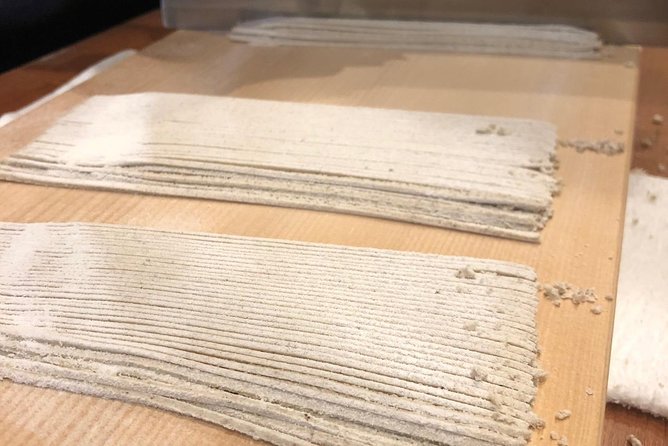
Next comes stretching. The dough is rolled and extended into a thin sheet before cutting. This stage calls for even pressure. If one area becomes thinner than another, the finished noodles may cook unevenly.
I like this part because it connects technique with the final meal. You are not just shaping food for display. You are preparing noodles that will soon be boiled and served to you. The small errors you make have a direct effect on texture and appearance.
Do not worry if your noodles are not perfectly uniform. The point is to learn the process and experience the work involved. The staff are there to guide you, and one account describes the class as manageable because the instruction is close and clear. Still, the flour-only dough means you should expect some cracking or uneven pieces.
Cutting the noodles before they dry
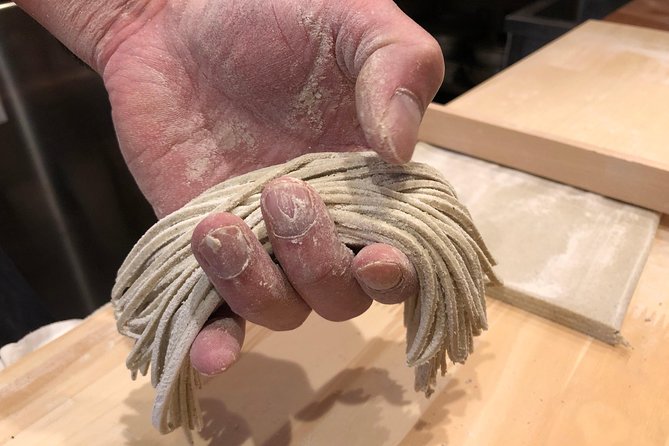
Cutting is the race against time. Gluten-free soba dries faster, and once the sheet becomes too dry, it can crack as you cut it.
You will use the traditional approach of cutting the stretched dough into noodles. The speed of your knife work matters, but accuracy matters too. Thick noodles may cook differently from thin ones, so the instructor’s help is useful here.
This is likely to be the most nerve-racking part for first-timers. It is also the stage that makes the class feel authentic. You are not pressing dough through a machine or receiving a prepared portion to decorate. You are learning why soba makers need control, timing, and years of repetition.
The class lasts about 1 hour and 15 minutes, so the schedule is compact. There is enough time for the four stages and the meal, but not much room for a long pause between them. I would avoid booking this immediately before another fixed appointment. You will get more from the lesson if you can concentrate on the work instead of watching the clock.
Eating your handmade soba at Mondo
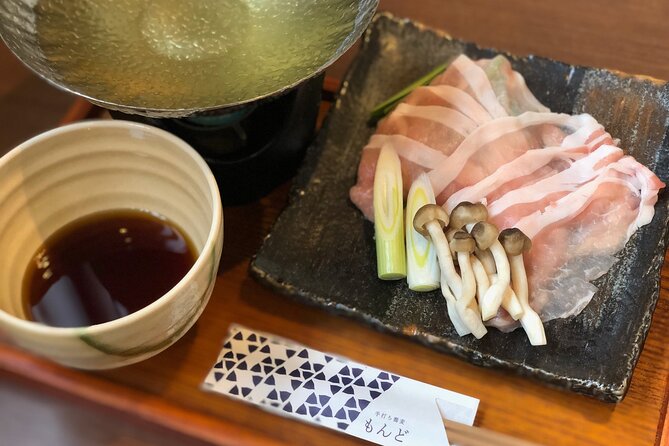
After the noodles are cut, they are boiled and served for you to eat. This is the payoff, but it is also another lesson.
Mondo teaches how to use its dipping sauce, made with soup stock. You learn how much sauce to add and how to dip the noodles rather than soaking them completely. That matters because soba is often served with a strong dipping base, and using too much can cover the flavor of the buckwheat.
The meal lets you compare the result with what you may have eaten at soba restaurants elsewhere in Japan. Even if your noodles are uneven, you will taste the effect of your work. Freshly made soba has a different meaning when you have just mixed, stretched, and cut the dough yourself.
The experience also introduces sobayu. This is the warm water left from boiling the noodles, traditionally served at the end of a soba meal. You can add it to the remaining dipping sauce and drink it as a gentle finish.
That final step gives the class a wider cultural frame. Soba is not only a noodle. It has its own table customs, eating method, and finishing ritual. The lesson covers those details in a practical way rather than presenting them as a lecture.
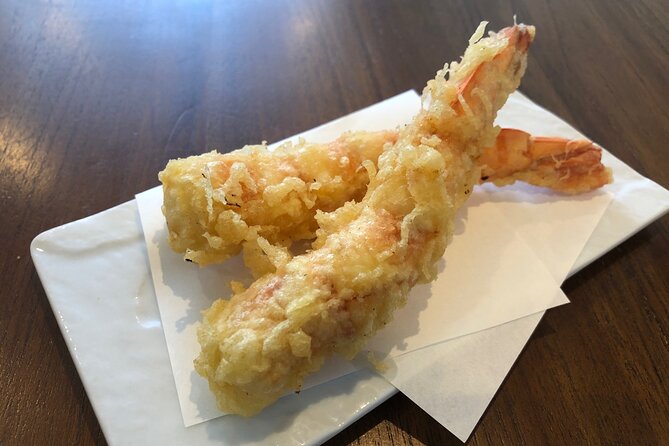
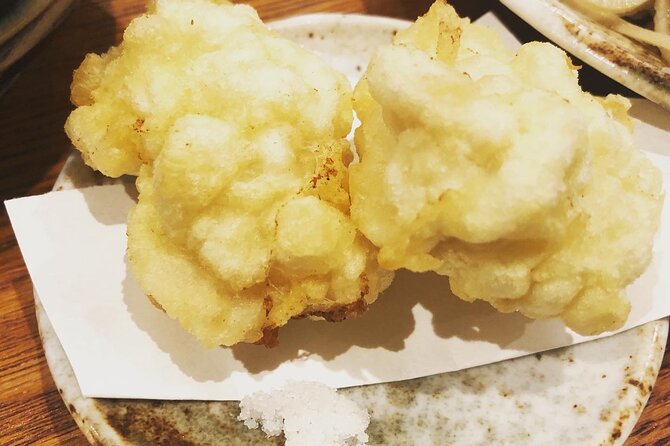
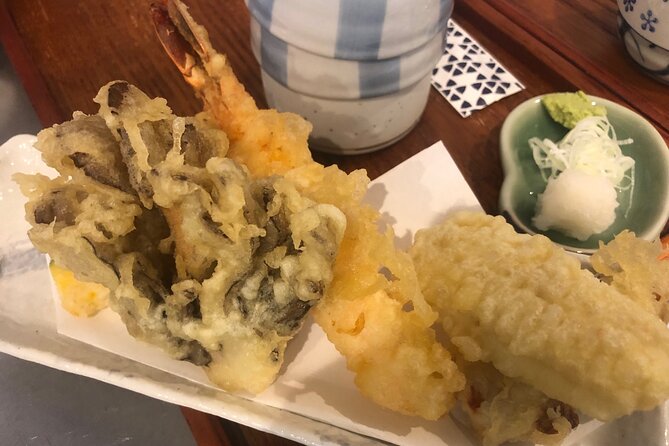
A meal may also include tempura as an option. The gluten-free arrangement uses rice flour for the tempura batter and rice oil for frying. If you want tempura, check the option and any dietary details at booking, since it is not part of the standard included fee.
A working restaurant instead of a tourist facility
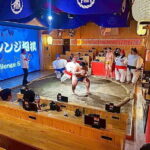
The setting shapes the experience. This is a real handmade soba restaurant, supported by artisans who have been making noodles for more than 10 years. You are learning in the same kind of place where soba is prepared and served, rather than in a separate workshop built only for short-term cultural activities.
That setting has clear advantages. You can ask about how the noodles are made, then taste them in a restaurant context. You also see that soba making is skilled kitchen work, not an easy recipe anyone can master on the first attempt.
There is a trade-off. A working restaurant may feel less polished or theatrical than a purpose-built attraction. The reward is a closer connection to the actual food culture. If you prefer authentic instruction and a meal over photo opportunities, this setting should suit you.
The activity is private, meaning only your group participates. That makes the lesson more personal than a large class. It can work well for couples, families, or a small group of friends. Group discounts are available, so larger private groups should compare the final per-person price before booking.
The price and what you receive
The listed price is $84.70 per person. All fees and taxes are included, and the activity lasts about 75 minutes.
That is not a bargain if you judge it only as a bowl of noodles. You can eat soba for less in Sapporo. The price makes more sense when you count the instruction, the use of restaurant equipment, the hands-on preparation, and the meal afterward.
You also receive access to a difficult gluten-free format that is not commonly offered. The restaurant normally makes soba with a wheat binder, while this plan removes it entirely. That specialized preparation is a major part of what you are paying for.
Non-participants who come only to watch are charged the same amount as participants, ¥15,000 per person. That policy makes sense for a private class using restaurant time and equipment, but it means everyone in your party should plan to take part. If someone does not want to handle the dough, this may not be the right booking.
The activity is booked, on average, 37 days ahead. That is useful planning information for a Sapporo itinerary. If your dates are fixed, reserve early rather than assuming you can find a last-minute place.
Getting to 9-chōme-17-28 Hassamu 6 Jō
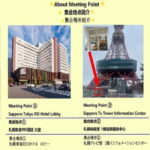
The meeting point is at 9-chōme-17-28 Hassamu 6 Jō, in Nishi Ward, Sapporo, Hokkaido 063-0826. The activity ends at the same location.
The venue is near public transportation, which helps, but the supplied details do not specify a particular train station, bus route, or walking time. Check the exact route from your hotel before setting out. A mobile ticket is available, and confirmation is provided at the time of booking.
Because this is a private activity with a short working schedule, arrive ready to begin. You should also allow enough time to find the restaurant without rushing. The first mixing stage affects everything that follows, and arriving late could make the lesson harder to manage.
Free cancellation is available if you cancel at least 24 hours before the local start time. Cancellations or changes inside that window are not accepted for a refund.
Who will enjoy this soba class most
I would recommend this experience to you if food is one of the main reasons you visit Japan. It gives you a practical skill, a meal, and a look at a traditional craft in one compact session.
It is especially suitable for:
- People who need or prefer gluten-free food, after confirming cross-contact questions with the provider
- Families looking for a shared activity rather than another sightseeing stop
- Couples who enjoy making a meal together
- Anyone curious about why soba making requires so much precision
- Repeat visitors to Japan who want something beyond standard restaurant dining
- Small groups that can benefit from the private format and possible group discount
The class may not suit you if you want a leisurely, low-effort activity. The dough dries quickly, and the instructor needs you to keep moving. It may also disappoint you if your main goal is simply to eat an inexpensive lunch.
Families should consider the age and patience of each child. The experience is hands-on and fun, but the fragile dough and quick cutting stage call for attention. The activity data does not specify a minimum age, so ask the provider before booking for young children.
What the strongest praise tells you
The most consistent praise focuses on three things: the teaching, the food, and the appreciation participants gain for soba.
Taku receives particular credit for guiding people through the work without taking over. That balance matters. You want help when the dough starts cracking, but you also want to feel that you made the noodles yourself.
The food is another strong point. The handmade soba is followed by a proper restaurant meal, with tempura available as an option and sobayu as part of the cultural lesson. The experience does not stop once the noodles leave the cutting board.
Finally, the class changes how you look at soba. A simple bowl of noodles can seem effortless until you try to make one. After this session, you will likely notice the texture, noodle thickness, dipping sauce, and preparation with more attention.
The rating is 5 out of 5 from 9 reviews, a small sample but a very positive one. I would treat that as a good sign for the teaching and meal, while remembering that the gluten-free format is technically demanding and may feel more intense than a standard cooking class.
Should you book the 100% buckwheat plan?
Book it if you want a private, hands-on Sapporo food experience with a clear local connection. The Hokkaido flour, real restaurant setting, careful instruction, and sobayu lesson make it more substantial than a simple noodle demonstration.
I especially like it for families and small groups who want to do something together. You leave with more than a full stomach. You understand why soba is difficult to make, how it is traditionally eaten, and why restaurant-quality noodles depend on timing and technique.
Think twice if you want an easy activity, if you have no interest in participating, or if your schedule cannot accommodate a focused 75-minute session. Also contact Mondo about cross-contact if your gluten-free needs are medical rather than a preference.
For the right person, $84.70 is fair value. You are paying for a rare flour-only technique, experienced instruction, a private class, and a meal that puts the lesson on your plate.
FAQ
Where does the soba-making experience take place?
It takes place at Mondo, a real handmade soba restaurant at 9-chōme-17-28 Hassamu 6 Jō, Nishi Ward, Sapporo, Hokkaido 063-0826, Japan.
How long does the activity last?
The experience lasts approximately 1 hour and 15 minutes.
Is the soba completely gluten-free?
The plan uses 100% buckwheat flour and water, with no wheat flour or binding flour. The restaurant normally handles wheat flour, so ask the provider about cross-contact if you have celiac disease or a serious allergy.
What steps will I perform?
You will mix the buckwheat dough, knead it, stretch it, and cut it into noodles. You then eat the soba and learn about sobayu.
Is the activity private?
Yes. Only your group participates in the activity.
Is the meeting point near public transportation?
Yes, the meeting point is described as being near public transportation. The activity ends back at the same location.
Is tempura included?
Tempura is available as an option rather than being part of the standard included fees. The gluten-free preparation uses rice flour and rice oil.
What is included in the price?
All fees and taxes are included for the person taking part in the experience.
Can someone come only to watch?
Non-participants who visit without taking part are charged the same amount as an experiencer, ¥15,000 per person.
What is the cancellation policy?
You can receive a full refund by canceling at least 24 hours before the local start time. Cancellations or changes made less than 24 hours ahead are not accepted for a refund.
More Soba & Cooking Classes in Sapporo
More tours in Sapporo we've reviewed


Soba & Cooking Classes, compared.
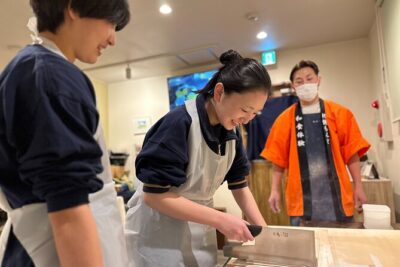 ★ 5.0Popular in SapporoExperience authentic hand-made soba at a real soba shop!From $72
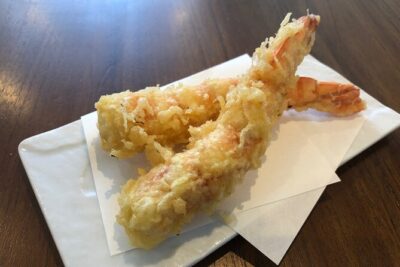 ★ 5.0Mondo’s most popular plan! Experience making soba noodles and the king of Japanese cuisine, tempura, in Sapporo!From $85
 ★ 5.0Wagashi traditional japanese sweets classFrom $59
 ★ 5.02 hours sushi classFrom $20
 ★ 5.0Private Japanese Cooking Class in Sapporo with Local Chef ShioriFrom $108
 ★ 5.0in Sapporo! Hand-made soba experience and shabu-shabu experience plan of Yezo deer meat (Gibier meat) from HokkaidoFrom $85
 ★ 5.0Private Market Tour and Cooking Class with Kanae, a Sapporo LocalFrom $82
 ★ 5.0Private Japanese Cooking Class in Sapporo with Local Host KanaeFrom $72
Browse the lists this tour appears in