
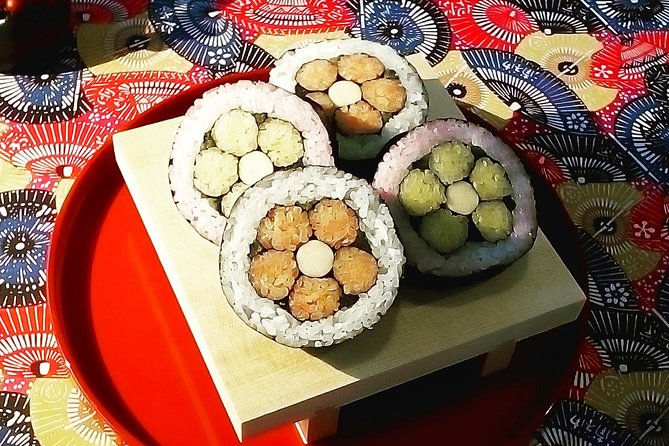
Beautiful sushi flowers are the hook here. In about two hours, Yuki teaches you how to shape decorative rolls, prepare sushi rice, and carry your finished work home. It is a small, personal look at Japanese food culture, held in her home in Sapporo’s Minami Ward.
I like the hands-on format and the useful English recipe you take away. I also like the free pickup from Makomanai subway station, plus Yuki’s patient teaching and warm conversation. The main caution is simple: confirm the meeting details carefully, since one booking went wrong after the visitor went to a different location.
Key points at a glance
- Make flower-shaped decorative sushi: You prepare attractive rolls rather than simply watching a demonstration.
- Learn with Yuki: She is an experienced decorative sushi roll instructor who has appeared on television and demonstrated her work for the mayors of Sapporo and Portland.
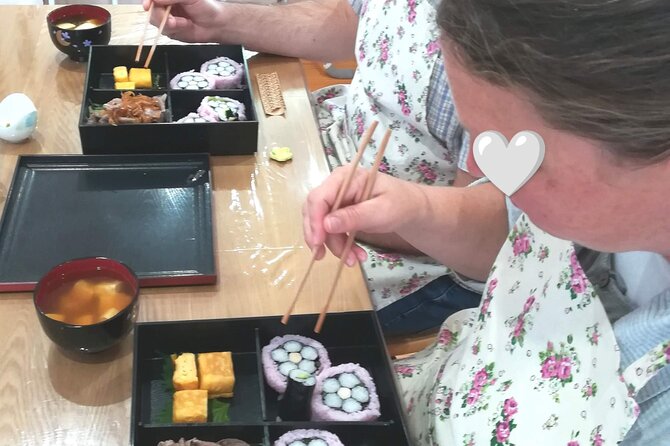
- Take your sushi home: Your finished rolls become both lunch and a useful souvenir.
- English support is included: Ingredients, apron rental, English instruction, and recipes are part of the class.
- Pickup can simplify the visit: Free pickup is offered from Makomanai subway station if arranged in advance.
- Optional Japanese cooking lessons are available: Add bento decoration, Hokkaido beef, rice balls, miso soup, or other dishes if you want a longer food lesson.
Making sushi flowers in a Sapporo home
This is not a sushi restaurant meal and not a polished stage demonstration. You sit down at Yuki’s home and make the food yourself, step by step. That difference matters. You leave with more than a full stomach. You have a recipe, new kitchen skills, and sushi you prepared with your own hands.
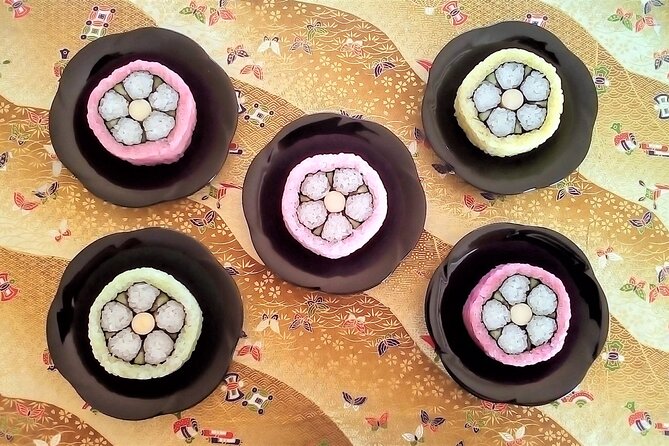
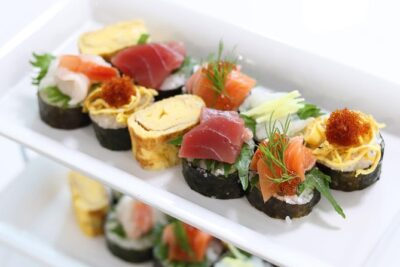
The central project is decorative sushi rolls, including flower-shaped designs. The finished pattern appears inside the roll when it is sliced. It looks clever, but the class is designed for beginners, and Yuki’s teaching style is patient rather than hurried.
The class lasts about two hours. That is enough time to learn the process without turning the morning into a full-day cooking course. You should still expect to concentrate. Decorative rolls require careful placement and firm rolling, so your first effort may not look exactly like the sample.
That is part of the charm. This is a food class where neatness helps, but perfection is not the point.
A few more Sapporo tours and experiences worth a look
Yuki’s teaching style and the welcome
Yuki is the central reason to book this class. She has experience as a decorative sushi roll instructor, has appeared on television, and demonstrated decorative sushi at a 2024 celebration marking 65 years of partnership between Sapporo and Portland, Oregon.
Those credentials are useful, but the practical benefit is her teaching manner. She explains each stage clearly, checks your progress, and gives you time to correct mistakes. This is especially helpful for families and anyone who has never made sushi before.
The visit begins with a friendly welcome. Several people have enjoyed tea and introductions before starting the cooking, which gives the class a relaxed pace. Conversation is part of the visit, too. You can ask about sushi, Japanese food, and daily life while working at the counter or table.
Yuki’s cat, TiTi, may also be part of the home atmosphere. The cat has been described as a Maine Coon, so people who enjoy animals may find the setting even more memorable. Of course, a home setting means this is not the right choice if you want a completely formal, restaurant-style lesson.
What you learn during the two-hour class
The class focuses on the preparation of decorative sushi rolls. You receive the ingredients and English instruction, then follow Yuki through the process of assembling and rolling the sushi.
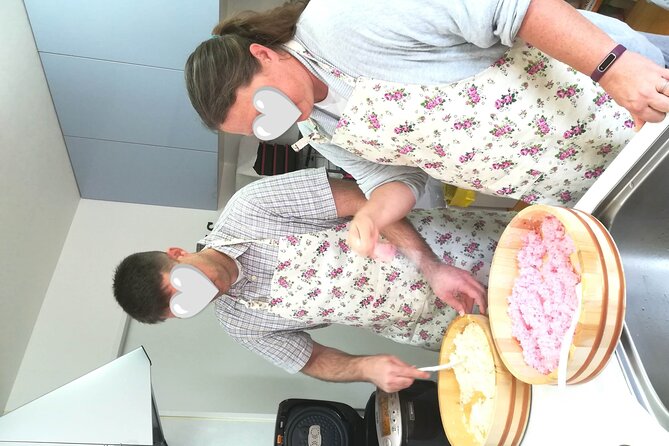
One valuable lesson is proper sushi rice preparation. The class can include standard rice and pink rice, which helps create the colored details in a flower design. Rice is not just filler here. Its texture and seasoning affect how well the roll holds together and how cleanly it slices.
The decorative work calls for patience. You need to place the rice and fillings in the correct order so the flower pattern appears in the center. Yuki watches the process closely and explains why each step is done in that way, rather than asking you to copy movements without context.
At the end, you slice the roll and see the pattern. You can take the sushi rolls with you after class. That makes the activity especially useful for people who want a practical souvenir rather than another purchased object.
You also receive recipes in English. I consider this one of the best parts of the value. The recipe gives you a chance to repeat the dish at home, though you will still need to buy the ingredients and practice the rolling technique.
Washoku beyond ordinary sushi
The class is presented in the wider context of washoku, the traditional food culture of Japan that has been added to the UNESCO Heritage list. That context gives the cooking a little more meaning. You are not only learning a pretty food design. You are also seeing how rice, soup stock, miso, presentation, and seasonal ingredients fit together in Japanese cooking.
The optional bento lesson adds another traditional element. Yuki and Yui can teach you how to decorate a lunch box in the Shokado style, then you can eat the bento you prepare.
This option may suit you if sushi alone feels too short or if you want a broader introduction to Japanese home cooking. The information provided does not give a fixed duration or price for each option, so ask for the exact details before adding one.
Available food options include:
- Hokkaido branded beef, such as Biratori Wagyu or Shiraoi Gyu
- Rice balls and steamed rice
- Three other dishes with miso soup
- Two other dishes with miso soup
- One other dish with miso soup
The miso soup lesson begins with dashi, or soup stock, and continues with homemade miso. If you choose the steamed rice option, you can learn how to prepare rice without a rice cooker.
These additions change the character of the visit. The sushi class is a focused project. The extra dishes make it more like a Japanese cooking session. For a short Sapporo stay, the basic class is likely enough. For families, food fans, or a private-group request, the added lessons may be worth asking about.
Pickup from Makomanai Station
The meeting point is at 7 Chome Ishiyamahigashi, in Sapporo’s Minami Ward. Free pickup is offered from Makomanai subway station if you require it. This is a useful detail because the home location is not presented as a central downtown meeting point.
Arrange pickup in advance. Do not simply assume that the instructor will know where you are standing or that station pickup is automatic. The experience has a maximum of 12 people, and the classes are not private by default.
One important practical lesson is to confirm the venue and pickup information before the day of the class. A booking once became unpleasant when the visitor went to another location and could not reach anyone by phone. The provider’s response says the correct venue details had already been sent, but the visitor did not confirm them properly.
You can avoid this problem easily. Check the address, station, pickup point, and start time in your messages. Save the information on your phone. If you are using the pickup service, make sure both sides agree on the exact place to meet.
The activity ends back at the meeting point. Some people have also received help getting back to the station or continuing to a later activity, but you should treat that as a kindness rather than a guaranteed part of the service.
A few more Sapporo tours and experiences worth a look

Why the $20.08 price is strong value
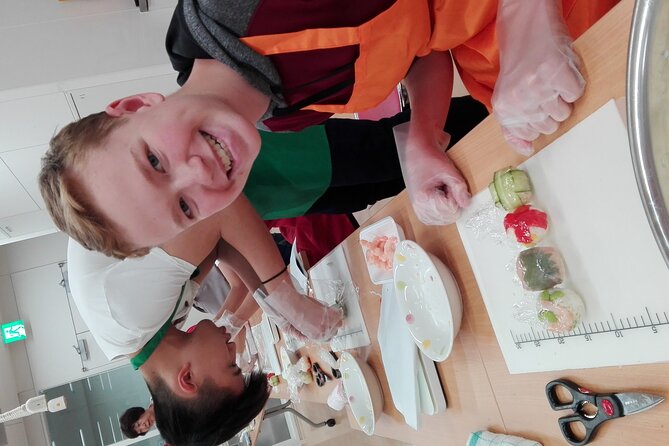
At $20.08 per person, this is an inexpensive food activity for Sapporo. The price includes the two-hour class, ingredients, English instruction, apron rental, recipes, and the sushi you make. Free pickup from Makomanai Station can add further value by reducing the trouble of reaching the home.
The key value is not the amount of food. This is not an all-you-can-eat sushi meal. You are paying for instruction, personal help, and a finished dish you can enjoy later.
The English recipe improves the deal. A meal disappears quickly. A recipe gives you a chance to repeat the experience at home, even if your first flower roll needs some work.
The class is also priced well for families. Several accounts describe children enjoying the process, and Yuki’s patient approach suits a parent and child working together. Check the final booking price for your group, since the stated amount is per person and group discounts are offered.
If you want a private class, ask first. The standard class is shared, and the provider specifically requests advance notice for large groups or private arrangements.
Who will enjoy this class most
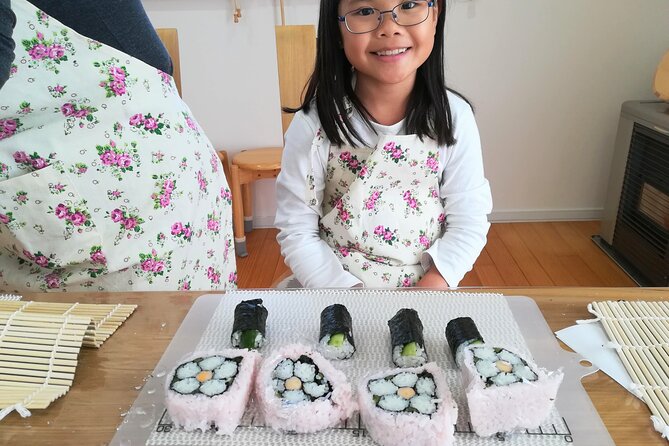
I would choose this activity for people who want a personal connection with Japanese food rather than a quick restaurant meal. It is a particularly good fit for:
- Families with children who enjoy making things
- Couples or friends looking for a quiet indoor activity
- First-time sushi makers
- Visitors interested in Japanese home cooking
- People who want a useful recipe and food souvenir
- Small groups looking for a shared activity in Sapporo
It may not suit you if you want to learn professional sushi knife work, make many different types of nigiri, or eat a large meal during the lesson. The focus is decorative sushi rolls, not the full range of sushi preparation.
It is also worth considering the home setting. You should be comfortable visiting a private residence and sharing the space with other participants. The maximum group size is 12, so the class may feel intimate with a small booking but more social when full.
Food allergies and dietary requests
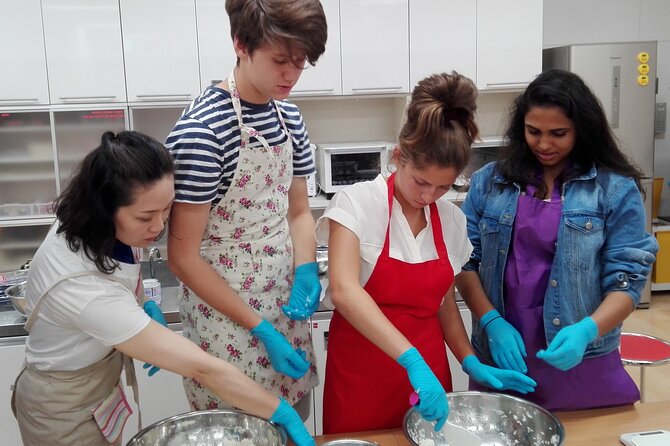
Tell the provider about food allergies, vegan needs, vegetarian requirements, or other dietary concerns in advance. This is important because ingredients are prepared for the class, and changes may not be possible at the last minute.
Do not wait until you arrive. Send the information when you book or while confirming the class. The supplied details do not promise that every dietary request can be met, so ask clearly what substitutions are available.
The optional cooking menu includes beef, miso soup, rice, and several other dishes. If you have dietary restrictions, discuss the options before paying for an add-on.
A good choice for a rainy Sapporo morning
Sapporo weather can make an indoor plan valuable, especially when rain or cold would spoil an outdoor visit. The class gives you a warm place to work, tea to begin the visit, and a clear activity for the morning.
The two-hour length also fits neatly into a larger day. You can start with the sushi class, take your food with you, and continue sightseeing afterward. The meeting point is outside the main downtown core, so allow time for the subway and pickup arrangement.
The class has also worked well as a family-bonding activity. Parent and child can share the tasks, compare their finished patterns, and eat the result later. It is low-pressure, but still gives everyone something to do.
Booking timing and cancellation
This class is booked an average of 41 days ahead, so reserve early if your Sapporo dates are fixed. Confirmation is sent within 48 hours, subject to availability.
You can cancel for a full refund up to 24 hours before the start time. Cancellations or changes made less than 24 hours before the activity are not refunded or accepted. The cut-off follows local Sapporo time.
Because pickup and dietary needs require clear communication, I would not leave confirmation until the last minute. Recheck everything after you receive the booking confirmation.
Should you book the Sapporo sushi class?
Book it if you want to make something attractive, learn from a patient local instructor, and spend time in a welcoming home rather than in a busy cooking studio. The low price, English recipes, free apron rental, possible station pickup, and take-home sushi make the basic class a strong value.
I would be most likely to recommend it to families, first-time sushi makers, and anyone who enjoys small food projects. Skip it if you want a private lesson automatically, a central Sapporo location, or a large restaurant meal.
The one avoidable weakness is meeting-point communication. Confirm the address and pickup plan carefully. Do that, and this two-hour class offers a personal, practical memory of Sapporo that costs less than many ordinary meals.
FAQ
How long does the sushi class last?
The class lasts approximately two hours.
Where does the class take place?
It takes place at 7 Chome Ishiyamahigashi, Minami Ward, Sapporo, Hokkaido 005-0850, Japan. The activity ends back at the meeting point.
Is pickup available?
Yes. Free pickup is offered from Makomanai subway station if required. Arrange and confirm the pickup details in advance.
Is the class taught in English?
Yes. English instruction is provided, and you receive recipes in English.
What is included in the class?
The class includes ingredients, free apron rental, English instruction, recipes in English, and the sushi rolls you prepare. Pickup from Makomanai Station is also available when arranged.
Can I take the sushi home?
Yes. You can take your finished sushi rolls with you after the class.
Can I request vegan, vegetarian, or allergy-friendly food?
Yes, you can notify the provider about allergies, vegan requirements, vegetarian needs, and other dietary concerns. Inform them in advance so they can discuss the available arrangements.
Is the class private?
No. The standard classes are not private. You should request a private class in advance if that is what you need. The activity has a maximum of 12 participants.
More 2-Hour Experiences in Sapporo
More Workshops & Classes in Sapporo
More Soba & Cooking Classes in Sapporo
More tours in Sapporo we've reviewed







Soba & Cooking Classes, compared.
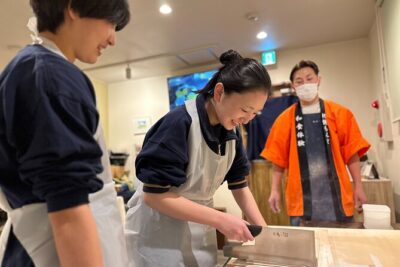 ★ 5.0Popular in SapporoExperience authentic hand-made soba at a real soba shop!From $72
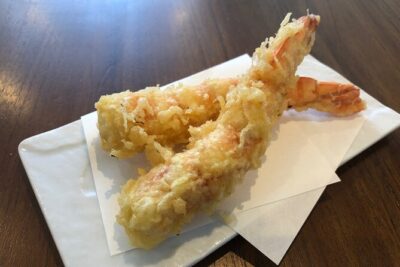 ★ 5.0Mondo’s most popular plan! Experience making soba noodles and the king of Japanese cuisine, tempura, in Sapporo!From $85
 ★ 5.0Wagashi traditional japanese sweets classFrom $59
 ★ 5.0Private Japanese Cooking Class in Sapporo with Local Chef ShioriFrom $108
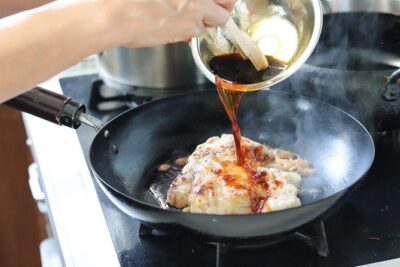 ★ 5.0Private Market Tour and Cooking Class with Kanae, a Sapporo LocalFrom $82
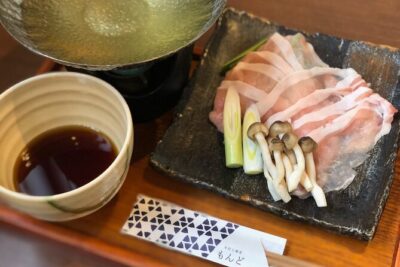 ★ 5.0in Sapporo! Hand-made soba experience and shabu-shabu experience plan of Yezo deer meat (Gibier meat) from HokkaidoFrom $85
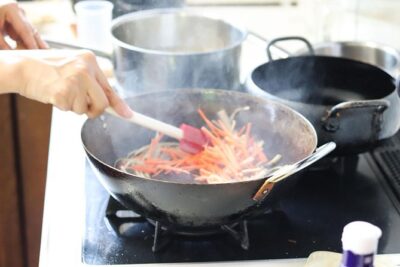 ★ 5.0Private Japanese Cooking Class in Sapporo with Local Host KanaeFrom $72
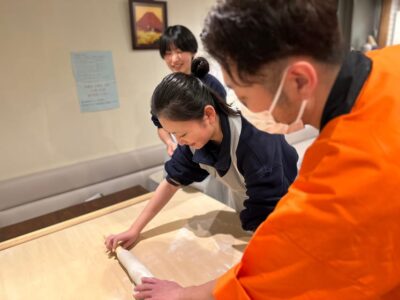 ★ 4.8Authentic Handmade Soba Experience!From $701 hour
Browse the lists this tour appears in