
Reviewed · SOBA & COOKING CLASSES
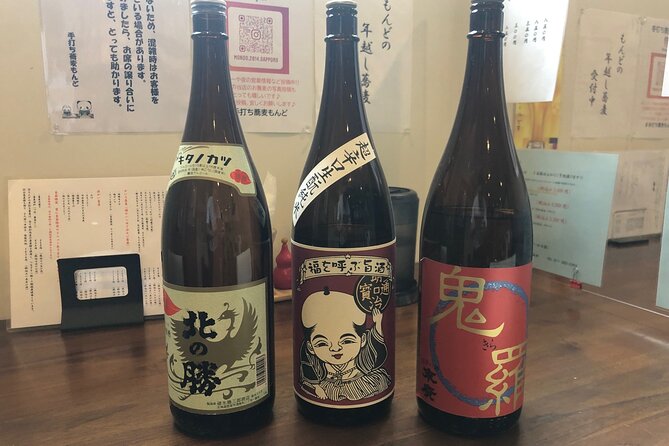
A pairing experience in Sapporo where you can enjoy tempura and 3 kinds of Hokkaido-only sake, along with a soba-noodle making experience!
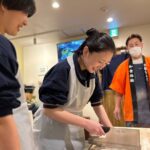
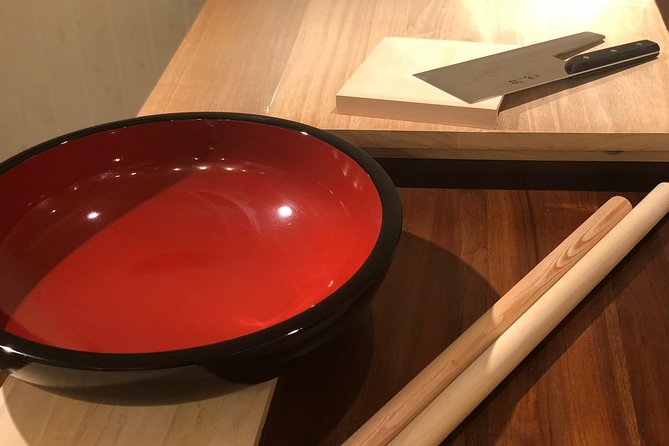
The best part of this Sapporo activity is that you make soba in a working Japanese restaurant, not in a polished tourist studio. A soba chef leads you through mixing the buckwheat flour, forming the dough, stretching it, cutting it, and boiling it before you eat it fresh.
I like two things especially: you get the full noodle-making process, and the meal includes seasonal Hokkaido tempura plus three local sakes served at different temperatures. The main caution is communication. English is limited, and the restaurant sits well outside central Sapporo, so allow roughly 40 minutes by subway.
Key points to know before booking
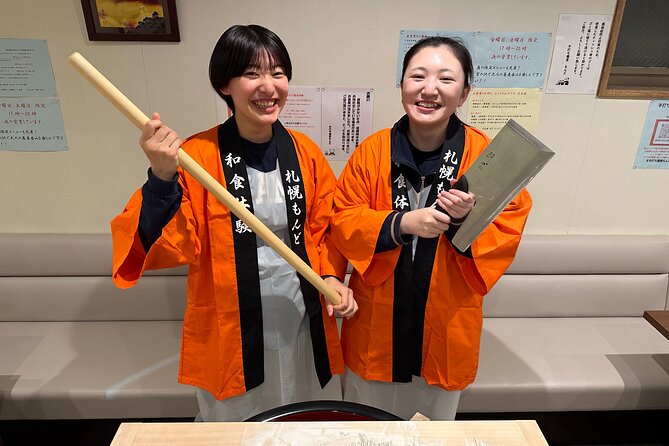
- Make soba from start to finish: Mix flour, bring the dough together, stretch it, cut it, and taste the noodles soon after they are boiled.
- Learn in a real soba restaurant: Daily soba chefs teach the craft in the same setting where ordinary customers eat.
- Taste three Hokkaido sakes: Compare two chilled pours with one warmed sake and see how temperature changes the flavor.
- Eat seasonal tempura with your noodles: A Japanese chef prepares the tempura, mainly using seasonal Hokkaido ingredients.
- Book for a small private group: Only your group participates, creating a calmer lesson with more direct help.
- Plan for the location and language: The meeting point is in Hassamu, Nishi Ward, and English support may be limited.
Making soba in a restaurant that still serves customers
Many Japanese cooking classes take place in rooms designed for lessons. This one takes place at 9-chōme-17-28 Hassamu 6 Jō in Sapporo’s Nishi Ward, inside a handmade soba restaurant that is also an operating business.
That setting matters. You are not only following a simplified recipe. You are watching the kind of work soba chefs perform every day, in a place where the finished noodles are part of a real meal. The lesson connects the flour on your hands with the bowl placed in front of you.
The tone is likely more practical than theatrical. You should expect direct instruction from the people who make and serve soba, not a staged show built around taking photographs. For me, that is a strong reason to choose this activity if you want a food lesson with some local texture.
The small-group format helps. This is a private activity, so only your party takes part. With fewer people around the work surface, you have a better chance to ask for help, watch the chef’s hand movements, and get corrections before the dough goes too far.
The class lasts about 1 hour and 15 minutes. That is short enough to fit into a busy Sapporo schedule, but long enough to cover the complete process and a proper meal.
A few more Sapporo tours and experiences worth a look
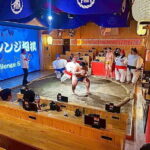
The four stages of handmade soba
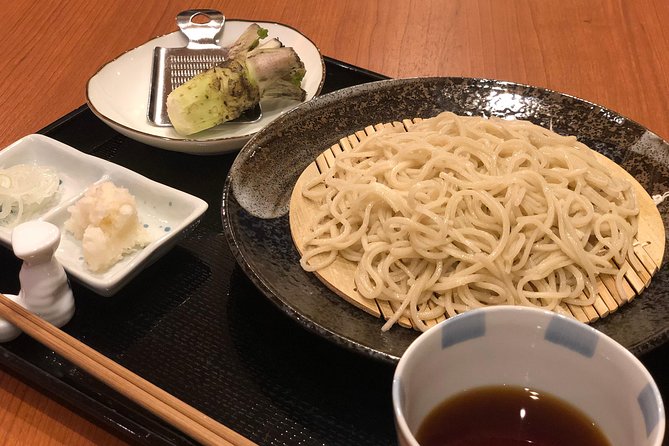
The lesson follows the basic chain of soba making rather than stopping at one easy step.
First, you mix buckwheat flour. This sounds simple, but the dough needs the right balance and handling. The class gives you a practical sense of how a dry mixture becomes something that can be stretched and cut.
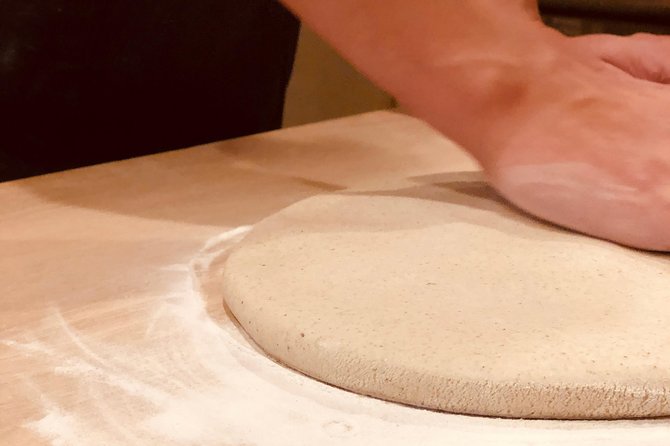
Next, you bring the dough together. This is where the work begins to feel less like a craft demonstration and more like a hands-on task. You can expect the chef to guide you through the process and show you how the dough should be handled.
The third stage is stretching. Soba dough is delicate, and this step explains why handmade noodles require care. You will see that even, controlled movement matters before the dough is ready to cut.
Finally, you cut the noodles. This is the step most people picture when they think of making soba, but it only makes sense after you have worked through the earlier stages. The class lets you understand the entire sequence, not just the most photogenic part.
The noodles are then boiled and served. You eat them at their freshest, with the aroma and texture that come from making them shortly before the meal. The result may not be as uniform as noodles cut by a professional, and that is part of the point. You learn by handling the dough yourself, then get to taste the outcome.
Why fresh soba tastes different
Freshly made and boiled soba has a different character from a bowl prepared long before you arrive. The scent of buckwheat is more immediate, and the texture can feel more distinct.
The meal includes warm soba sauce and tenkasu, the crisp bits of fried batter often served with Japanese noodles. These additions are useful for visitors who are still learning how soba is eaten. You can taste the noodles simply, then add sauce or tenkasu to change the texture and flavor.
This is also a good chance to notice that soba is not meant to be a heavy, complicated dish. Its appeal comes from the grain, the cooking, the temperature, and the small details around it. The class gives you enough context to understand why Japanese diners pay attention to the noodle itself.
The freshly boiled noodles are the core of the meal, but they are not served alone. Seasonal Hokkaido tempura and sake make the meal feel like a complete food pairing rather than a cooking lesson followed by a quick snack.
Hokkaido tempura prepared by a Japanese chef
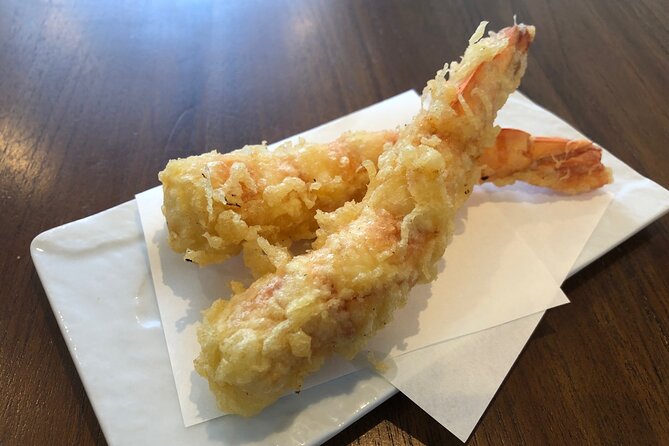
The tempura is made by a Japanese chef because hot oil work can cause serious burns. You do not prepare this part yourself, and that is the right call. It keeps the class safer and lets you focus on soba without having to manage a fryer.
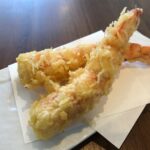
The ingredients are mainly seasonal products from Hokkaido. The cooking is described as simple, with the flavor of the ingredients left to do most of the work. That style fits soba well. Heavy seasoning could overpower the noodles, while a light piece of tempura gives you a crisp contrast.
You should also see this as a taste of Hokkaido’s food identity, not just an extra side dish. Hokkaido is known in Japan for its agricultural and seafood products, and the menu uses local seasonal ingredients when available. The exact tempura selection can change, so do not book expecting one specific vegetable or seafood item.
The portion is intended to make a filling meal when combined with your noodles and sake. One especially positive account describes the food and sake as very good and filling. If you plan to eat a large meal later, keep that in mind.
Three Hokkaido sakes, served cold and warm
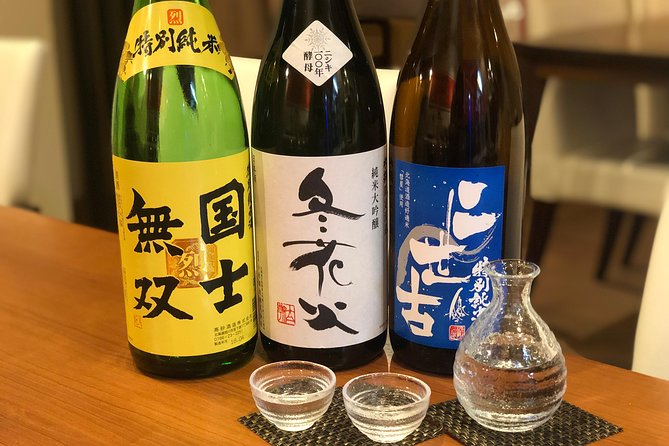
The sake tasting is one of the more unusual parts of the booking. You receive three Hokkaido selections: two served chilled and one warmed.
Temperature changes sake in noticeable ways. Chilled sake can feel lighter and more restrained, while warm sake may bring out different aromas and a softer impression. Comparing the three with soba and tempura gives you a better idea of how sake works with food.
The selections are chosen by a sake master, with attention to bottles that are approachable for people who are new to sake. You do not need to arrive with much prior knowledge. The point is not to identify technical tasting notes. It is to notice which temperature and style you prefer, and how the drink changes beside noodles or tempura.
This also makes the meal more useful than a stand-alone tasting. You learn that sake is often enjoyed as part of a meal, not only as a drink to assess on its own. Try one sip with the soba, then another after a bite of tempura. The contrast is likely to be more memorable than tasting each pour in isolation.
Participation is limited to people aged 20 and over. That rule applies to the activity as a whole, so this is not a suitable choice for families traveling with anyone younger than 20.
A few more Sapporo tours and experiences worth a look
A small group brings real advantages
Because only your group participates, you can enjoy the lesson at a calmer pace than you might find in a large class. The chef can pay attention to how your dough is coming together, and you can ask questions without speaking over a room full of other people.
The private format also suits couples, friends, or a family group made up entirely of adults. It gives the meal a more personal feel and avoids the feeling of being moved through a large sightseeing program.
There is a trade-off. A small restaurant setting may feel less polished than a purpose-built cooking school, and English instruction appears limited. One account describes a friendly young Japanese woman who spoke little English, along with an English-speaking male host who was less engaging. The practical lesson still covered what was promised, but you should be ready for demonstrations, gestures, and simple explanations rather than fluent English throughout.
That does not make the activity unsuitable for English speakers. It simply means you should bring patience and pay close attention to the chef’s hands. Soba making is visual, and the process can be followed even when every explanation is not fully understood.
Getting to Hassamu from central Sapporo
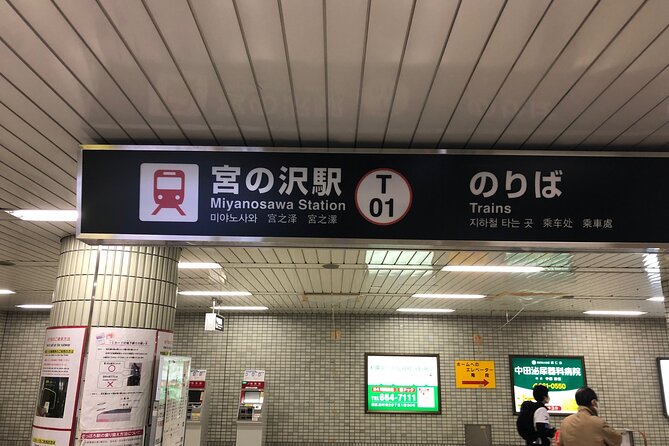
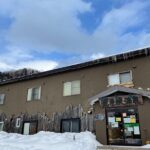
The meeting point is in Hassamu 6 Jō, Nishi Ward, at 9-chōme-17-28. It is near public transportation, but it is not a central Sapporo activity.
A practical note from the available details places it toward the end of the orange subway line and estimates about 40 minutes by subway. Treat that as planning guidance rather than a guaranteed journey time. Check the route from your hotel on the day, leave room for transfers, and avoid booking this immediately before another fixed appointment.
The extra ride can be a drawback if you have only one day in Sapporo. On the other hand, it helps explain why the restaurant feels like a real neighborhood business rather than a class built around central-city tourism. If you enjoy seeing how a city extends beyond its main shopping and sightseeing streets, the trip is part of the appeal.
The activity returns to the same meeting point. No separate transportation is included in the details provided, so plan to make your own way there and back.
Is $123.79 a fair price?
At $123.79 per person, this is not a cheap bowl of noodles. You are paying for several parts at once: a private small-group lesson, direct help from soba chefs, your own freshly made noodles, chef-prepared seasonal tempura, and three Hokkaido sakes.
The value is strongest if you would otherwise pay for both a cooking class and a separate food-and-sake tasting. Here, the lesson and meal are joined in one short booking. You also get an activity that produces a finished meal, rather than taking home ingredients or watching someone else cook.
The value is weaker if you only want to eat soba. Sapporo has many ways to enjoy noodles for far less money, and this price does not make sense as a simple lunch. Book it for the hands-on work, the local restaurant setting, and the chance to compare sake with food.
Group discounts may be available, which could improve the price for a private party. Confirmation is provided when you book, and mobile tickets are supported.
Who will enjoy this most?
I would recommend this for adults who like food, hands-on activities, and small local businesses. It suits you especially well if you want something different from the usual Sapporo sightseeing circuit and are happy to spend part of the day outside the center.
It is also a good fit for someone new to sake. The three pours are selected with beginners in mind, and the cold-versus-warm comparison gives you an easy way to understand the drink without requiring specialist vocabulary.
You may want to skip it if you have limited mobility around hot cooking areas, although the available details do not provide specific accessibility information. You should also think twice if you need fluent English instruction, dislike long public-transit rides, or are under 20.
For couples and adult friends, the private format is a real plus. For a solo participant, the price may feel harder to justify unless you particularly want a guided food lesson and are comfortable joining the private booking arrangement described.
Booking, cancellations, and useful expectations
Free cancellation is available up to 24 hours before the local start time. Cancel at least 24 hours ahead for a full refund. Changes or cancellations made inside that window are not accepted for a refund.
The activity requires a minimum number of participants. If the provider cancels because that minimum is not reached, you will be offered another date or experience, or receive a full refund.
The activity is often booked about 40 days ahead on average. That does not guarantee it will sell out, but it is a useful sign that you should reserve before your Sapporo dates are fully fixed if this is important to you.
Bring an appetite, arrive ready to work with your hands, and expect a warm, close-up restaurant lesson rather than a large production. The strongest memories here are likely to come from eating noodles you cut yourself and noticing how three sakes behave beside the meal.
Should you book this Sapporo soba experience?
Book it if you want authentic food work, not just a restaurant meal. The complete soba process, the fresh noodles, seasonal Hokkaido tempura, and three-temperature sake comparison give you plenty for the price.
The two things to weigh are clear: the Hassamu location takes planning, and English support may be basic. If those are acceptable, this is a distinctive adult activity with a practical connection to Japanese daily food culture. If you want a central, fluent, highly polished class, choose something else.
FAQ
Where does the soba-making experience take place?
It takes place at 9-chōme-17-28 Hassamu 6 Jō, Nishi Ward, Sapporo, Hokkaido 063-0826, Japan.
How long does the activity last?
The experience lasts approximately 1 hour and 15 minutes.
Is the activity private?
Yes. Only your group participates in the activity.
What parts of soba making will I do?
You will mix buckwheat flour, bring the dough together, stretch it, and cut it. The noodles are then boiled and served fresh.
Is the tempura made by participants?
No. A Japanese chef prepares the tempura because working with hot oil can cause burns.
What kind of tempura is served?
The tempura mainly uses seasonal ingredients from Hokkaido. The exact ingredients are not specified and may vary.
How many types of sake are included?
Three types of Hokkaido sake are included: two served cold and one served warm.
Can people under 20 participate?
No. Participation is limited to people aged 20 and over.
Is the experience available in English?
English support is available to some degree, but the staff may have limited English. Be prepared to follow demonstrations and simple explanations.
Can I cancel for a full refund?
Yes, if you cancel at least 24 hours before the local start time. Cancellations or changes made less than 24 hours before the start are not accepted for a refund.
More Whisky & Sake Experiences in Sapporo

More Soba & Cooking Classes in Sapporo
More Sapporo City Tours in Sapporo

More tours in Sapporo we've reviewed



Soba & Cooking Classes, compared.
 ★ 5.0Popular in SapporoExperience authentic hand-made soba at a real soba shop!From $72
 ★ 5.0Mondo’s most popular plan! Experience making soba noodles and the king of Japanese cuisine, tempura, in Sapporo!From $85
 ★ 5.0Wagashi traditional japanese sweets classFrom $59
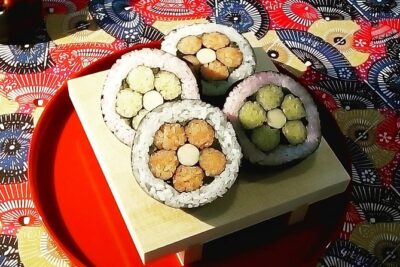 ★ 5.02 hours sushi classFrom $20
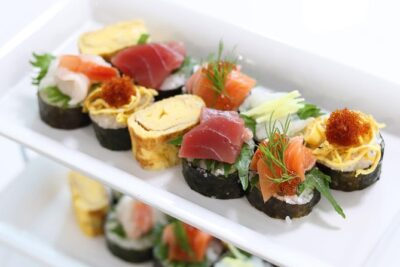 ★ 5.0Private Japanese Cooking Class in Sapporo with Local Chef ShioriFrom $108
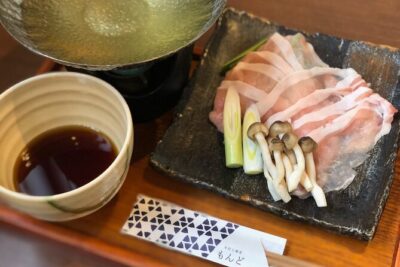 ★ 5.0in Sapporo! Hand-made soba experience and shabu-shabu experience plan of Yezo deer meat (Gibier meat) from HokkaidoFrom $85
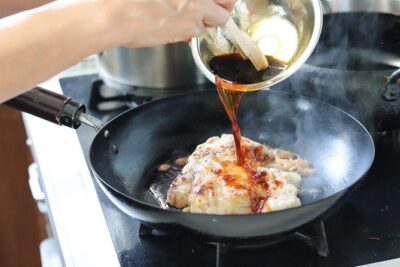 ★ 5.0Private Market Tour and Cooking Class with Kanae, a Sapporo LocalFrom $82
 ★ 5.0Private Japanese Cooking Class in Sapporo with Local Host KanaeFrom $72
Browse the lists this tour appears in