
Reviewed · SOBA & COOKING CLASSES
Mondo’s most popular plan! Experience making soba noodles and the king of Japanese cuisine, tempura, in Sapporo!
Making soba from buckwheat flour and water is the heart of this Sapporo food experience. Taku guides you through mixing, stretching, and cutting the dough, then you eat your own noodles with artisan-made tempura at this small handmade soba shop.
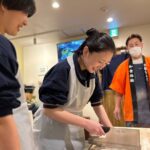
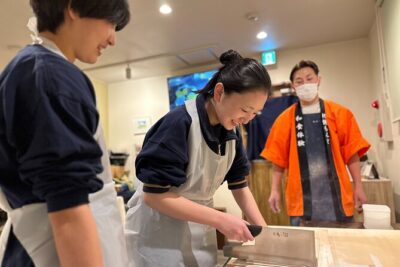
I like the practical, hands-on format, especially the traditional knife work that turns a sheet of dough into noodles. I also like the friendly, personal setting, with Taku and his partner helping each group and explaining how Japanese people eat soba.
The main consideration is that you make the soba, but not the tempura. The tempura is prepared by the restaurant, and one past participant expected to cook both dishes. The shop can also be tricky to find, so allow extra time.
Key points to know before booking
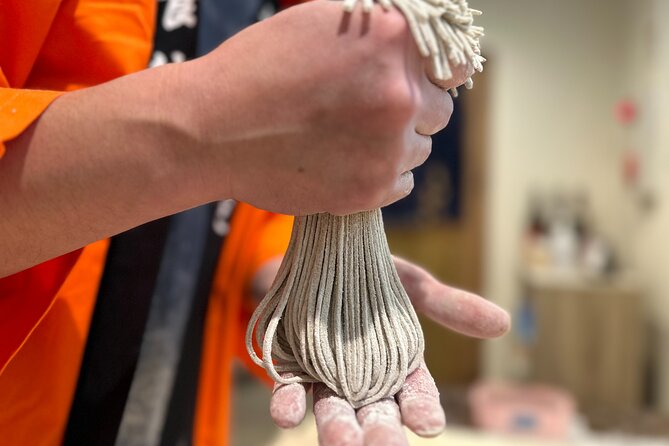
- Thirty minutes of hands-on soba making: Mix buckwheat flour, stretch the dough, and cut the noodles yourself.
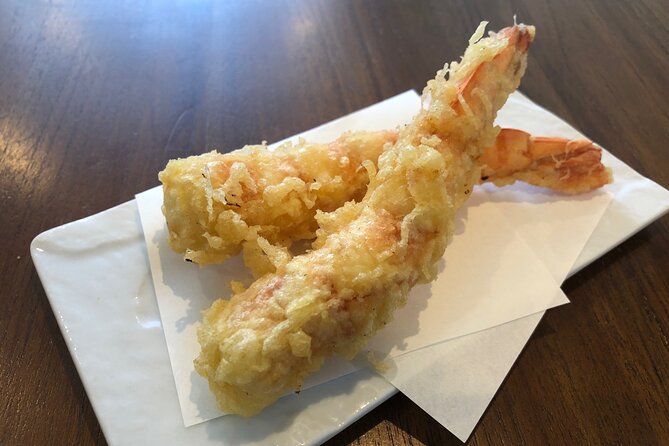
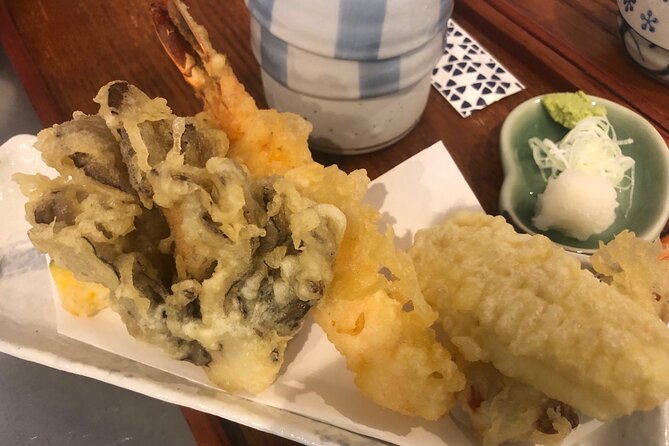
- A complete soba meal follows: Eat your noodles with shrimp, vegetables, scallops, or other available tempura ingredients.
- Taku teaches in English: Instructions cover both the technique and the proper way to eat soba.
- A small, private setting: Only your group takes part, making this a good fit for families and small parties.
- Two styles of soba sauce: You receive cold and warm sauce, followed by soba-yu, the traditional finishing broth.
- Plan for about 1 hour and 15 minutes: The listed duration is sometimes described as about an hour, but the full process and meal take longer.
Turning buckwheat flour into noodles in Sapporo
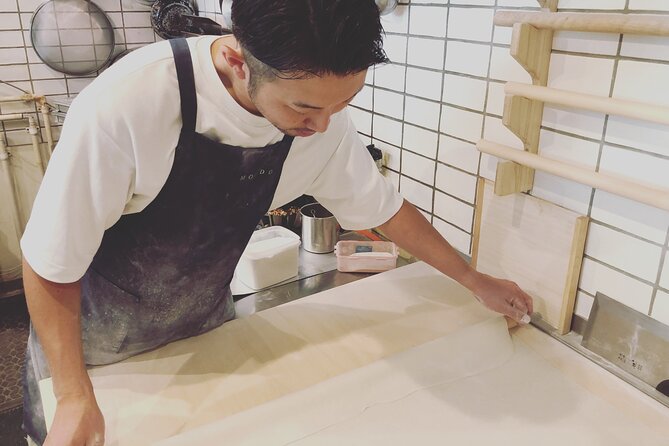
Soba can look simple in a bowl, but the preparation is exacting. At Mondo, you begin with buckwheat flour and water, then work the mixture into dough. This first stage gives you a feel for why handmade soba is valued: the dough needs attention, and small differences in handling affect the final noodles.
The activity is divided into three clear steps:
- Mix the buckwheat flour.
- Stretch the soba dough.
- Cut the noodles.
The actual making takes about 30 minutes. That is enough time to keep the process active without turning it into a long cooking class. You are not watching a chef work from across the room. You get your hands into the dough and take part in the main stages yourself.
The cutting is often the most memorable part. You use the traditional method to slice the stretched dough into noodles, and the results may not look perfectly uniform. That is part of the fun. Your noodles are made by you, not produced by a machine, and the meal has a personal stamp that a standard restaurant visit cannot provide.
The English instructions are designed to be clear and easy to follow. Taku is described as patient, lively, and good at keeping the mood relaxed, which matters when you are handling unfamiliar dough and tools. Children can take part, too, and the activity has worked especially well for families with school-age kids.
A few more Sapporo tours and experiences worth a look
Why Hokkaido is a fitting place to learn soba
Hokkaido is Japan’s leading soba-producing region. Its climate and soil support buckwheat farming, with Tokachi and Furano known for particularly good soba production.
That regional connection adds meaning to the class. You are not learning a random dish in a generic cooking studio. You are working with one of the foods closely linked to Hokkaido’s farming culture, then eating it in a handmade soba restaurant in Sapporo.
Soba has been part of Japanese food culture since the Edo period, beginning in the 1600s. It is often grouped with sushi and tempura as one of Japan’s best-known traditional foods. The appeal is not only its flavor. Soba also carries customs about preparation, serving, dipping, and finishing the meal.
Mondo explains those customs as part of the experience. You learn how to eat the noodles properly instead of simply receiving a bowl and guessing what to do with the sauce. For a first visit to a soba restaurant, that guidance is useful and removes some of the uncertainty around Japanese dining habits.
Eating the noodles you just cut
After the preparation, the restaurant cooks your noodles and serves them for the tasting portion. This is the payoff, and it gives the class a satisfying shape: work with the dough, watch it become food, then sit down and eat it.
You receive two types of soba sauce, one cold and one warm. This lets you try the noodles in more than one traditional style and compare the different ways the sauce changes the meal. The precise ingredients and serving details can vary, but the experience is built around tasting your own soba rather than taking home uncooked noodles.
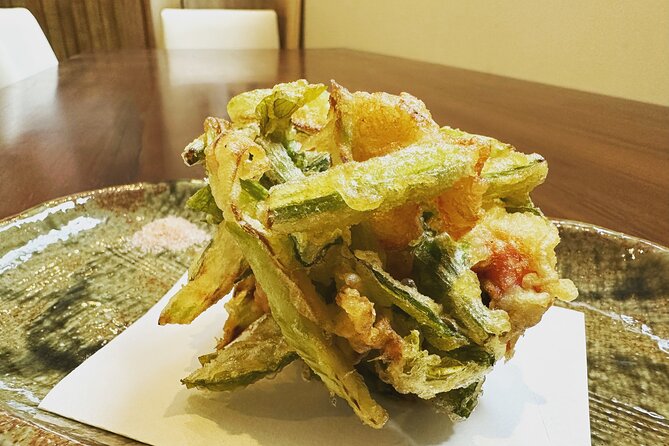
The restaurant also serves tempura made by a Japanese food craftsman. Typical tempura ingredients include shrimp, eggplant, seasonal vegetables, seafood, and local produce. The supplied details and dining experiences specifically mention combinations that can include shrimp, vegetables, and scallops.
The tempura is not a second cooking lesson. You do not mix the batter or fry the ingredients yourself. That point is worth understanding before you pay. The course is a soba-making class with a tempura meal, not a combined soba and tempura workshop.
Still, the pairing makes sense. Soba has a savory, chewy character, while tempura brings a crisp coating and the flavor of fried seafood or vegetables. Japanese diners commonly eat the two together, and Mondo uses the meal to show you how the dishes complement one another.
At the end, you drink soba-yu, the starchy water left from cooking soba. This is a traditional way to finish a soba meal, often mixed with leftover dipping sauce. It is a small detail, but it helps the activity feel like a lesson in Japanese food customs rather than only a noodle craft session.
A personal class with Taku and his partner
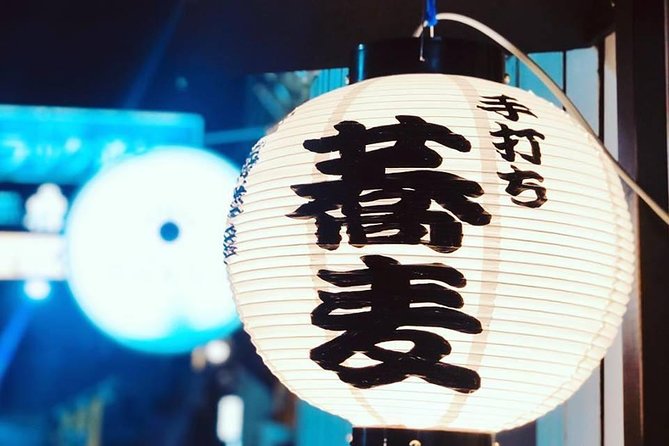
Mondo is a handmade soba restaurant, not a large attraction designed for crowds. The activity is private, so only your group participates. That makes the setting more intimate and gives Taku time to watch how each person handles the dough.
A group of three has described the class as particularly personal, and a group of five found the hosts welcoming and attentive. You should expect a friendly restaurant atmosphere rather than a formal culinary school. Taku brings humor and enthusiasm to the instructions, while his partner helps create the warm, family-like feel that many people value here.
The small scale is a real advantage if you are traveling with children. Young participants can follow the process, get involved in the cutting, and feel proud when their noodles arrive at the table. The class does not require you to bring equipment or prepare ingredients in advance.
The private format also suits couples, families, and small groups looking for something away from Sapporo’s central sightseeing circuit. It offers a look at how a small noodle shop operates, which can feel more personal than a polished demonstration aimed at a large audience.
There is a practical limit, though. Because the activity starts after the restaurant’s lunch service, the shop may not be able to answer questions by phone during lunch hours. English support is available during the experience, but phone assistance in English is not provided. Send questions by email through VIRTUOR before the day of your visit.
Finding Mondo near Miyanosawa Station
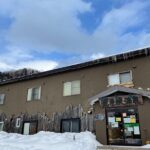
The meeting point is 9-chōme-17-28 Hassamu 6 Jō, in Sapporo’s Nishi Ward. The restaurant is about a five-minute walk from Miyanosawa Station on the Sapporo Subway Tozai Line.
That short walk is convenient, but do not assume the shop will be immediately obvious. One person found it difficult to locate, so I would arrive early and use the address carefully. A late arrival can disrupt the other start-time participants, and arriving after the start is treated as a no-show.
If you drive, the restaurant has four parking spaces in front of the shop. That is useful in Hokkaido, where a car may be part of a wider regional itinerary, but the limited number of spaces means you should not count on unlimited parking for a large group.
The activity ends back at the same location. Since the class and meal take about 1 hour and 15 minutes, it fits best as a planned stop rather than a quick one-hour filler between major attractions.
A few more Sapporo tours and experiences worth a look
Is $85.79 a fair price?
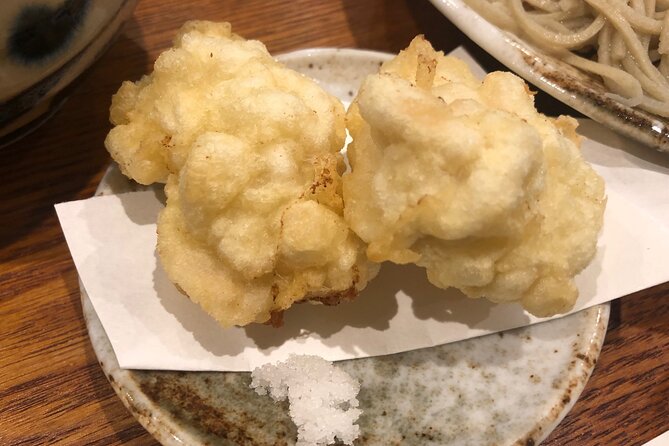
At $85.79 per person, this is not a cheap bowl of noodles. You are paying for instruction, ingredients, the use of the restaurant’s equipment, preparation by a soba craftsman, tempura, sauces, and a private group experience.
The value depends on what you want from the meal. If you only want to eat soba and tempura, you can spend less at a restaurant. If you want an activity that gives you a cultural explanation, hands-on work, and a meal based on what you made, the price is easier to justify.
The private format improves the value for a small family or group. You are not paying for a large class with limited contact with the instructor. Taku can guide your group through the tricky parts, and the finished meal gives you a direct reward for taking part.
Group discounts are available, though the exact amount is not provided. Contact the shop directly for group arrangements. Children under two are free, which can help families traveling with toddlers, although the hands-on activity will be most useful for children who can participate safely and follow instructions.
One important value check: the class does not teach tempura preparation. If your main goal is to learn two complete recipes, this experience may feel limited. If your goal is to learn traditional soba making and enjoy tempura alongside it, the package is more suitable.
Dietary needs and practical limits
Halal and vegan arrangements can be accommodated if you contact the shop in advance. Do not wait until the day of the activity, since the restaurant needs notice to plan the ingredients and meal.
The supplied information includes a past concern about vegan participation, so you should confirm exactly what your group will receive before booking. The listing says accommodations are possible, but it does not give a fixed vegan or halal menu.
Service animals are allowed, and the restaurant is near public transportation. No special equipment or ingredients are required from you. Wear ordinary comfortable clothing, and arrive ready to work with flour and dough.
The class is conducted in English. The shop cannot provide English phone support, but questions can be sent by email through VIRTUOR. Confirmation is issued when you book.
Who will enjoy this Sapporo food experience?
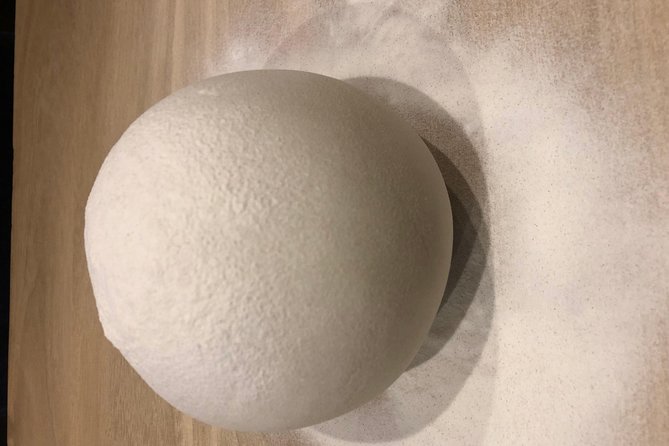
I would choose this for families, couples, and small groups who want a food activity with a clear cultural connection. Children can take part, and the class is active enough to keep a young participant interested without requiring advanced cooking skills.
It also suits anyone who has eaten soba in Japan and wants to understand the work behind the bowl. Mixing, stretching, and cutting make the process easier to appreciate, especially when your noodles arrive at the table soon afterward.
This is less suitable if you want a full professional cooking course. You do not make the tempura, and the focus is on soba rather than a broad lesson in Japanese cuisine. It may also disappoint if you expect a long talk about food history, since the experience is fairly compact.
The activity is also a good choice if you have already seen Sapporo’s main sights. Its suburban location near Miyanosawa gives you a reason to visit a part of the city outside the usual downtown route. Just build in time to find the shop and do not cut your arrival close to the starting time.
Booking and cancellation advice
This experience is often reserved about 33 days ahead, so planning early is sensible if your Sapporo dates are fixed. The activity requires at least two people, and group customers should contact the shop directly.
You can cancel for a full refund up to 24 hours before the local start time. Cancellations or changes made within 24 hours are not refunded or accepted. Because late arrival can count as a no-show, the safest plan is to reach Miyanosawa with time to spare.
Should you book Mondo’s soba and tempura plan?
Book it if you want hands-on soba making, a personal English-language lesson with Taku, and a meal that connects Hokkaido ingredients with Japanese dining customs. The strongest parts are the simple flour-to-noodle process, the traditional cutting, the warm small-shop setting, and the chance to eat what you made.
Think twice if you want to prepare tempura yourself or if $85.79 feels high for a short activity. You are buying an intimate cultural meal and a focused noodle lesson, not a complete Japanese cooking course.
For families and small groups, I think the private format and child-friendly pace make this one of the more appealing food activities in Sapporo. Confirm dietary needs in advance, allow extra time to find the address, and book it when you value participation as much as the meal.
FAQ
How long does the soba-making experience take?
The hands-on soba preparation takes about 30 minutes. The full activity, including tasting your noodles, eating tempura, and finishing with soba-yu, takes around 1 hour and 15 minutes.
What steps are included in making the soba?
You mix buckwheat flour, stretch the dough, and cut the soba noodles. The restaurant then cooks the noodles for you.
Do I make the tempura myself?
No. The tempura is prepared by a Japanese food craftsman and served with your soba. The class teaches soba making, not tempura preparation.
Is the experience conducted in English?
Yes. The activity is conducted in English. The shop cannot provide English assistance by phone, but you can send questions by email through VIRTUOR.
Where does the activity take place?
The meeting point is 9-chōme-17-28 Hassamu 6 Jō, Nishi Ward, Sapporo, Hokkaido 063-0826, Japan. It is about a five-minute walk from Miyanosawa Station on the Sapporo Subway Tozai Line.
Can children participate?
Yes. Even small children can enjoy the soba-making activity. Children under two years old are free.
Can the restaurant accommodate vegan or halal requirements?
Halal, vegan, and similar dietary arrangements can be accommodated if you contact the shop in advance. Confirm the details before your visit.
More Soba & Cooking Classes in Sapporo
More Sapporo City Tours in Sapporo

More tours in Sapporo we've reviewed




Soba & Cooking Classes, compared.
 ★ 5.0Popular in SapporoExperience authentic hand-made soba at a real soba shop!From $72
 ★ 5.0Wagashi traditional japanese sweets classFrom $59
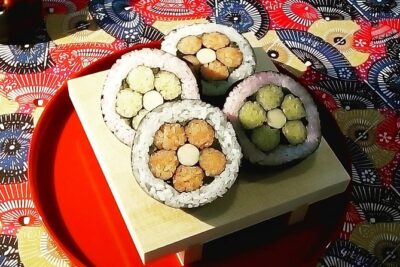 ★ 5.02 hours sushi classFrom $20
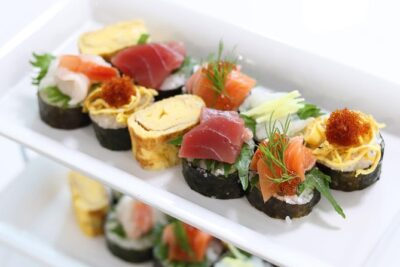 ★ 5.0Private Japanese Cooking Class in Sapporo with Local Chef ShioriFrom $108
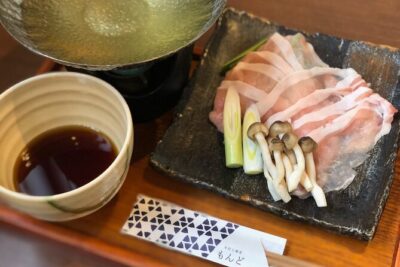 ★ 5.0in Sapporo! Hand-made soba experience and shabu-shabu experience plan of Yezo deer meat (Gibier meat) from HokkaidoFrom $85
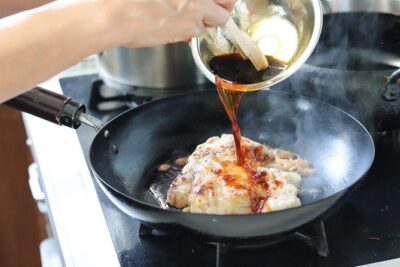 ★ 5.0Private Market Tour and Cooking Class with Kanae, a Sapporo LocalFrom $82
 ★ 5.0Private Japanese Cooking Class in Sapporo with Local Host KanaeFrom $72
 ★ 4.8Authentic Handmade Soba Experience!From $701 hour
Browse the lists this tour appears in