
Reviewed · SOBA & COOKING CLASSES
Private Japanese Cooking Class in Sapporo with Local Host Kanae
The special part of this Sapporo experience is not simply learning a recipe. Kanae invites you into her family home, where cooking becomes a relaxed way to talk about Hokkaido life, local food, and everyday Japanese customs. You will prepare several dishes in her open kitchen, then sit down to eat what you made.
I like the private format, since you can ask questions without keeping up with a large group. I also like the use of local vegetables, fish, and meat, along with the chance to make udon from scratch and crisp tempura. The main consideration is transport: Kanae’s car carries only four guests, so larger groups must take a taxi behind her car after meeting at the station.
Key points to know before booking
- A real home setting: You visit Kanae’s family home in one of Sapporo’s peaceful, upscale residential areas rather than cooking in a commercial studio.
- A hands-on menu: The class may include udon, tempura, fresh seafood, burdock, deep-fried tofu, and miso soup, with dishes changing by season.
- About three hours: Expect a welcome drink, roughly 60 to 90 minutes of cooking, and time to eat the meal together.
- Private attention: Only your own party takes part, making it easy to discuss Japanese food and request a particular Hokkaido dish.
- Drinks are included: The price covers one or two glasses of local alcohol, as well as the cooking lesson and home-cooked meal.
- Plan ahead for special diets: Vegetarian and vegan options are available, but you must mention allergies, restrictions, and preferences when booking.
Entering Kanae’s Sapporo home
Your meeting point is at 26 Chome-2 Odorinishi in Chuo Ward, Sapporo, with a 10:30 a.m. start. From there, Kanae welcomes you and brings you to her home. The experience ends back at the meeting point, so you have a clear start and finish for planning the rest of your day.
The home sits in a peaceful, luxurious residential area. That setting matters. You are not just watching a chef perform in a purpose-built classroom. You are seeing a slice of local domestic life, with Kanae sharing stories about herself, her family, and living in Hokkaido.
You begin with a welcome drink and conversation. This gives the class a gentle start rather than throwing you straight into chopping vegetables. The private setup also makes the opening chat useful. You can ask about Japanese food customs, Hokkaido ingredients, or the dishes you hope to learn.
The exact route from the meeting point to the house is not described in detail, so you should follow Kanae’s instructions on the day. Public transportation is nearby, and the activity does not include hotel pickup or drop-off. Build in enough time to reach the stated meeting point without relying on a last-minute hotel transfer.
A few more Sapporo tours and experiences worth a look

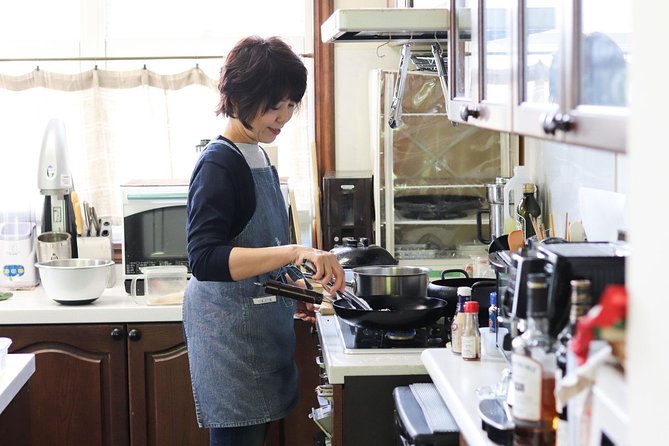
Cooking several Japanese dishes in the open kitchen
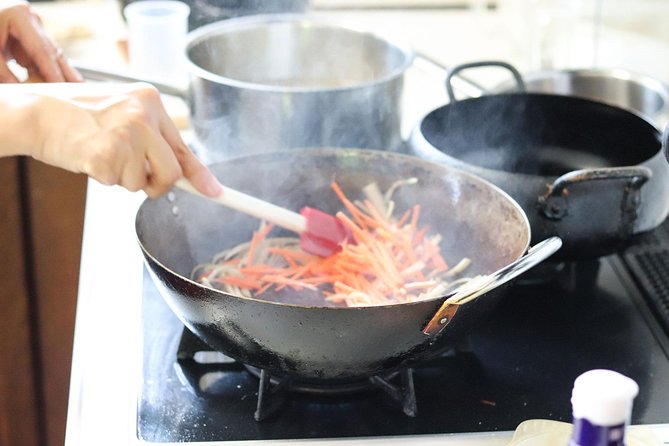
The cooking portion lasts about one to one and a half hours. That is long enough for you to take part rather than simply watch, yet short enough to leave plenty of time for eating and conversation.
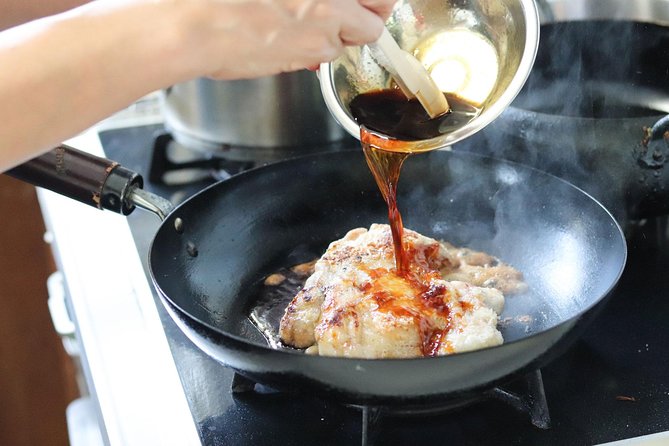
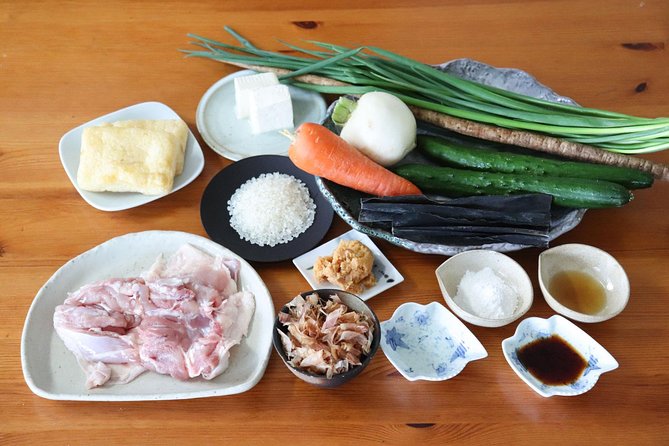
The menu changes with the season. You might prepare fresh seafood, cooked burdock, deep-fried tofu, or miso soup. Kanae is also happy to introduce Hokkaido dishes instead of sticking to a typical Japanese home menu, if you ask for that in advance.
One especially appealing possibility is making udon from scratch. A lesson like this gives you a better sense of the work behind a familiar Japanese dish. You are not just tasting noodles in a restaurant. You are learning how one part of the meal comes together, then eating it while the process is still fresh in your mind.
Tempura is another example of the class’s practical appeal. The cooking method may look simple, but crisp results depend on preparation and timing. One class included udon and crunchy tempura, followed by eating the whole meal together. If those dishes interest you, mention them when arranging the experience, though the seasonal menu is not fixed.
You may also work with vegetables, fish, and meat sourced locally. That gives the class a clear Hokkaido connection. Sapporo is a good place to learn about Japanese food beyond sushi, and this menu can show how seafood, vegetables, soup, and fried dishes fit into a home meal.
The menu remains flexible, so do not book expecting one guaranteed list of dishes. That flexibility is useful for repeat visitors and for anyone hoping to learn a Hokkaido specialty. It also means you should treat the listed foods as examples rather than promises.
Eating the meal you prepared
After the kitchen work, you sit down to eat the dishes together. This is more than a convenient way to avoid leaving hungry. Eating the finished food lets you understand how the separate preparations work as a meal.
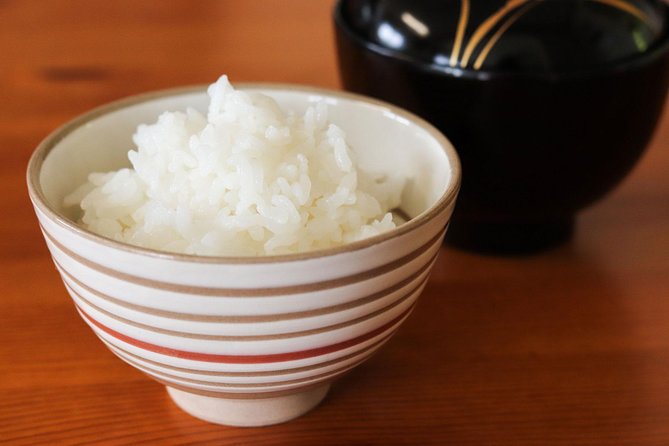
The class includes a home-cooked meal, and the price also covers one or two glasses of local alcohol. That may be beer, sake, or another local drink, though a specific beverage is not promised. If you do not drink alcohol, ask about the arrangement before booking, since alcoholic beverages are part of the stated inclusion.
The shared meal is also where the private format pays off. You can continue asking Kanae about ingredients, family cooking, and life in Hokkaido instead of being rushed through a formal tasting. The atmosphere seems designed for conversation, and the strongest feedback centers on Kanae’s warmth as much as her cooking.
One especially useful detail is that the meal can feel social rather than instructional. The class has been described as feeling like meeting an old friend, with Kanae offering friendly conversation and cooking advice. That is a good match for you if you want personal contact and a slower meal, not just a quick recipe demonstration.
What makes the private format worth $72
At $72 per person, this is not the cheapest way to eat Japanese food in Sapporo. You can find a meal for less. The value comes from combining food, instruction, drinks, and time with a local host in a private home.
You are paying for about three hours, including the welcome drink, the cooking session, and the meal. You also receive individual attention, which can matter more than the number of dishes if you want to ask questions or work at your own pace.
The price makes the most sense for:
- Couples or small groups who value privacy
- People who want to learn rather than simply order food
- Visitors curious about ordinary Japanese home cooking
- Anyone interested in Hokkaido ingredients and regional dishes
- Families or friends who enjoy preparing and eating a meal together
Group discounts are available, which may improve the value for a larger party. Still, the car restriction becomes important for groups of five or more. Kanae’s car holds up to five people total, including the driver, so no more than four guests can ride with her. A larger group must use a taxi and follow her car to the house after meeting at the station.
The 4.9 rating from 20 reviews, with 100 percent recommending the activity, supports the idea that the personal hosting is a major part of the value. I would still judge the price by your interests. If you only want a quick meal, it is expensive. If you want a private cultural activity with food you help make, it is easier to justify.
A friendly host who shapes the experience
Kanae is the center of the class. Her role is not limited to giving instructions. She welcomes you, talks about her family and Hokkaido life, teaches the recipes, shares the meal, and can offer local food advice.
The personal connection receives repeated praise. She is described as a sweet host, a great cook, and easy to talk with. One person valued the session as a warm way to finish a trip, while another appreciated her help with a culinary purchase after the class.
That last detail is useful. If you want suggestions about Japanese food to buy, you can ask Kanae. The information provided does not promise a shopping stop for every booking, but it shows that the experience can extend into practical food advice when the conversation leads there.
You should book this class if you enjoy asking questions and sharing a table. A private home class works best when you take part in the conversation. If you prefer a silent demonstration or a tightly fixed professional kitchen format, the informal setting may feel less structured than you expect.
A few more Sapporo tours and experiences worth a look
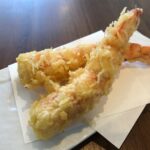

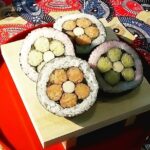
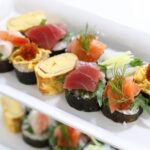
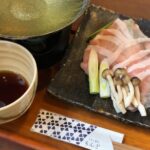
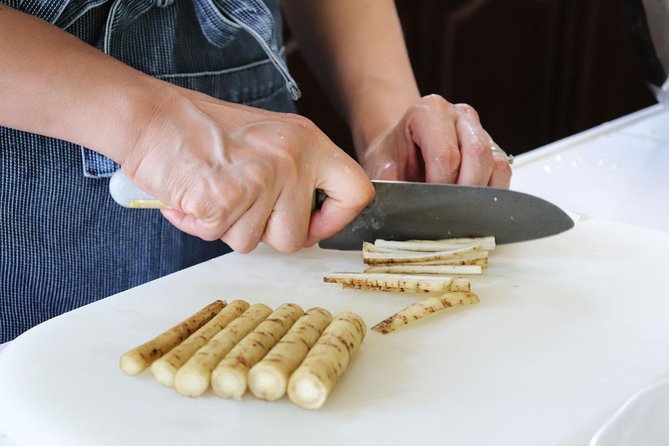
Because the menu depends on the season, your meal may look different from another booking. Local vegetables, fish, and meat are used, and Kanae can focus on Hokkaido dishes rather than a standard homestyle selection if that is your preference.
You need to communicate food needs at booking. Vegetarian and vegan options are available, and allergies, dietary restrictions, and cooking preferences should be provided in advance. Do not wait until you arrive, since the ingredients and menu planning depend on that information.
The flexible menu is a plus for many people. It keeps the activity connected to what is available in Hokkaido and avoids turning the class into a rigid display. The trade-off is simple: you cannot count on one exact recipe unless Kanae confirms it.
For a food-focused visit, I would send a clear request. You might say that you hope to make udon, learn tempura, or focus on regional Hokkaido food. Kanae may be able to shape the lesson around your interests, but the final selection can still change with the season.
Timing, transport, and group size
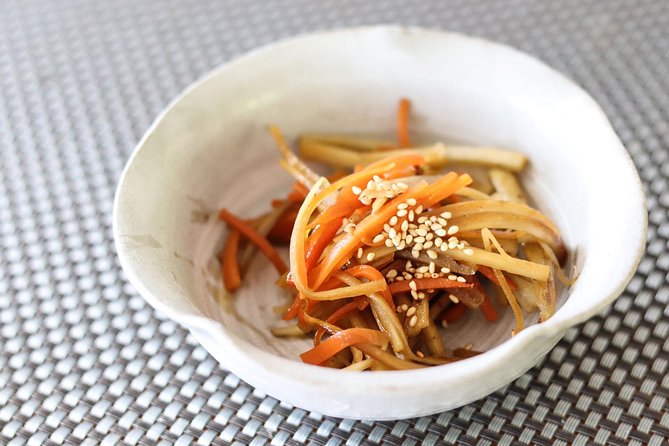
The activity starts at 10:30 a.m. and lasts approximately three hours. Cooking takes about 60 to 90 minutes, leaving time for the welcome drink, conversation, and meal. Since the class ends back at the meeting point, you can schedule an afternoon activity afterward, but allow some breathing room rather than booking something immediately.
There is no hotel pickup or drop-off. You meet at the stated Sapporo address, and the activity is near public transportation. The exact home address is not provided in advance in the supplied details, so the meeting point is the important location for your planning.
Small private groups have the easiest arrangement. If you have up to four guests, Kanae’s car can take your party to the house. For five or more guests, you need a taxi to follow her car after meeting at the station. That is not a major problem, but it adds a cost and one more step to the outing.
The private format means only your group participates. That is useful if you have children, older family members, or friends with different levels of cooking experience, since the pace and conversation can stay within your party. The experience data does not specify an age policy, so ask before booking if that matters for your group.
How this compares with a standard food tour
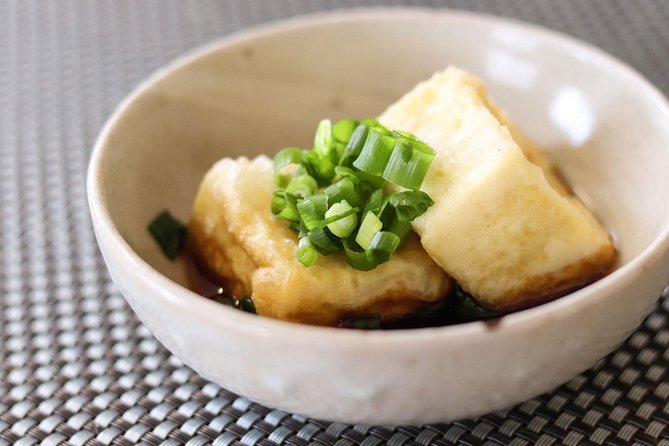
A regular food tour usually takes you through restaurants or markets. This class gives you a different view of Japanese food. You see how several dishes are prepared, handle the ingredients yourself, and eat in a family home.
That makes it especially useful early in a Sapporo visit. You can learn names, flavors, and cooking ideas that help you understand later meals. It also gives you a personal connection to Hokkaido rather than only a list of restaurant stops.
The trade-off is variety in location. You are not visiting several neighborhoods or sampling many restaurants. Most of the experience takes place in Kanae’s home, so the appeal depends on your interest in cooking and conversation.
I would choose this over a standard food outing if you want a slower, more personal morning. I would choose a market or restaurant tour if your main goal is to taste as many different foods as possible in a short time.
Booking advice and cancellation terms
This experience is often reserved about 46 days ahead, so it is wise to arrange it early, especially if you have fixed dates in Sapporo. Confirmation is provided at booking, and the activity is available as a private booking.
You can cancel for a full refund up to 24 hours before the local start time. Cancellations or changes made less than 24 hours ahead are not accepted for a refund. That policy is fairly flexible for normal itinerary planning, but you should settle dietary requests and group size before the final day.
Send all allergies, vegetarian or vegan needs, and cooking preferences when you book. Also confirm your transport plan if your party has five or more people. These two steps prevent the most likely practical problems.
Should you book Kanae’s cooking class?
Book it if you want a private home visit, hands-on cooking, and a shared meal rather than a quick restaurant experience. The combination of local ingredients, seasonal recipes, one or two included drinks, and personal conversation gives you a strong taste of everyday Hokkaido culture.
I would especially recommend it to couples, small groups, and food-minded visitors who enjoy learning by doing. The class also suits anyone looking for a relaxed way to finish a Japan trip, as the meal and conversation create a natural closing activity.
Think twice if you need a guaranteed menu, hotel transportation, or a large-group vehicle. The dishes can change, and groups of five or more must arrange a taxi. For most small groups who value personal attention, the $72 price is reasonable for three hours of instruction, food, drinks, and time with Kanae in her home.
FAQ
Where does the cooking class begin?
It begins at 26 Chome-2 Odorinishi, Chuo Ward, Sapporo, Hokkaido 064-0820, Japan.
What time does the experience start?
The start time is 10:30 a.m.
How long does the class last?
The experience lasts approximately three hours. The cooking portion takes about one to one and a half hours.
Where does the activity end?
The activity ends back at the meeting point.
Is hotel pickup included?
No. Hotel pickup and drop-off are not included.
What food will I prepare?
The menu changes by season and may include fresh seafood, cooked burdock, deep-fried tofu, miso soup, udon, tempura, vegetables, fish, or meat.
Are vegetarian and vegan options available?
Yes. Vegetarian and vegan options are available if you request them when booking.
Are drinks included?
Yes. The inclusions cover one to two glasses of local alcoholic beverages.
What happens if my group has more than four guests?
Kanae’s car can carry up to five people total, including the driver, so it can take a maximum of four guests. Groups of five or more guests must use a taxi and follow Kanae’s car to her home after meeting her at the station.
More Private Tours in Sapporo



More Soba & Cooking Classes in Sapporo
More Sapporo City Tours in Sapporo
More tours in Sapporo we've reviewed


Soba & Cooking Classes, compared.
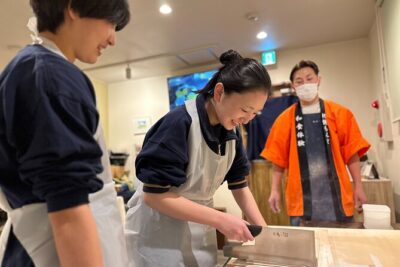 ★ 5.0Popular in SapporoExperience authentic hand-made soba at a real soba shop!From $72
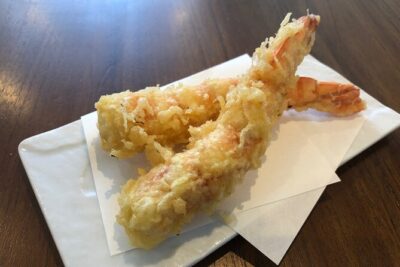 ★ 5.0Mondo’s most popular plan! Experience making soba noodles and the king of Japanese cuisine, tempura, in Sapporo!From $85
 ★ 5.0Wagashi traditional japanese sweets classFrom $59
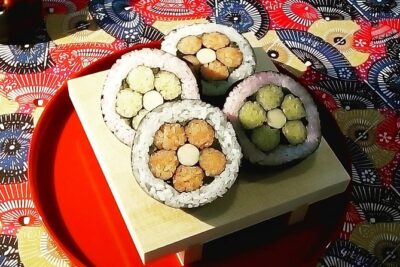 ★ 5.02 hours sushi classFrom $20
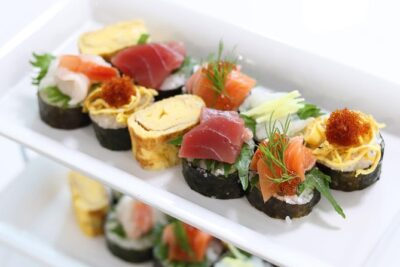 ★ 5.0Private Japanese Cooking Class in Sapporo with Local Chef ShioriFrom $108
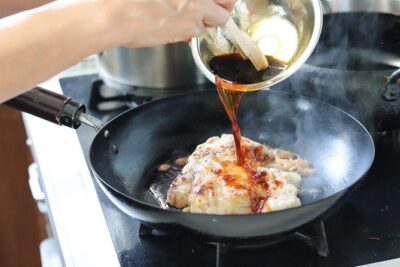 ★ 5.0Private Market Tour and Cooking Class with Kanae, a Sapporo LocalFrom $82
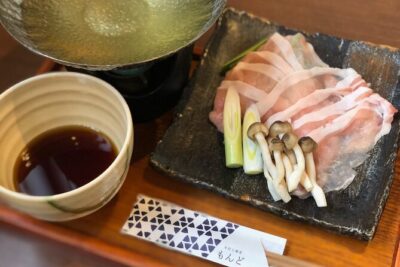 ★ 5.0in Sapporo! Hand-made soba experience and shabu-shabu experience plan of Yezo deer meat (Gibier meat) from HokkaidoFrom $85
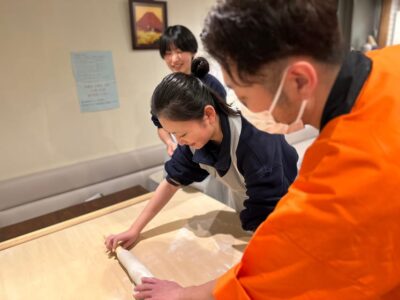 ★ 4.8Authentic Handmade Soba Experience!From $701 hour
Browse the lists this tour appears in