
Reviewed · SOBA & COOKING CLASSES
Popular in SapporoExperience authentic hand-made soba at a real soba shop!
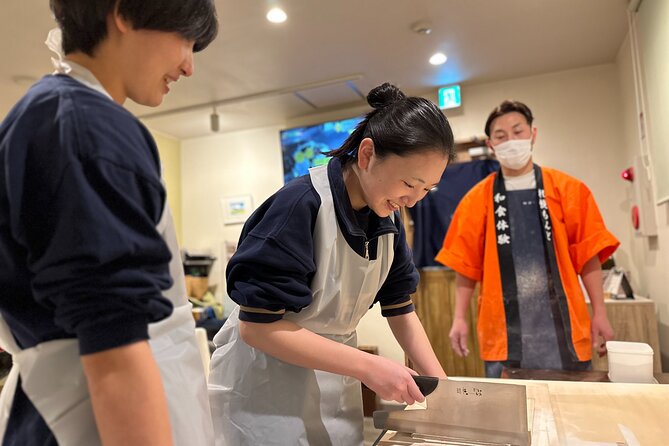
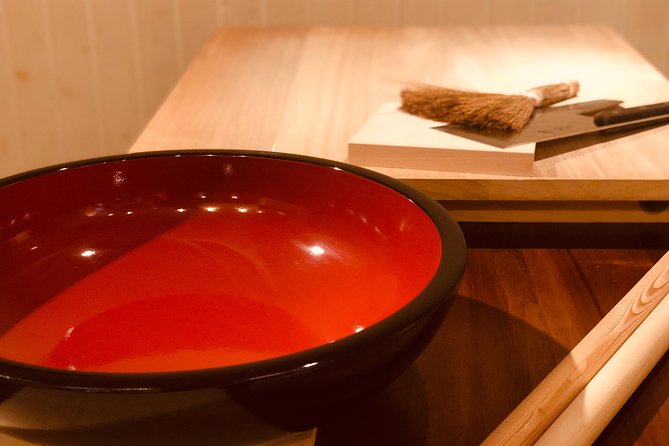
Soba making here is not a staged restaurant show. You work with buckwheat flour, water, traditional tools, and a kitchen knife inside a working shop that has served Sapporo for more than 10 years. Then you eat the noodles you made.
I like the hands-on format, which teaches more in 30 minutes than a long lecture. I also like the direct help from Taku and the other soba artisans, especially for children and first-timers. You may want to add tempura or duck soup, though those cost extra, and the address and timing deserve careful attention.
At a Glance
- Make soba from scratch: Mix the buckwheat flour, knead the dough, stretch it, and cut the noodles yourself.
- Learn inside a real shop: This is a working handmade soba restaurant, not a tourist kitchen built only for classes.
- Eat what you make: Your finished noodles are cooked for you and served as the tasting portion.
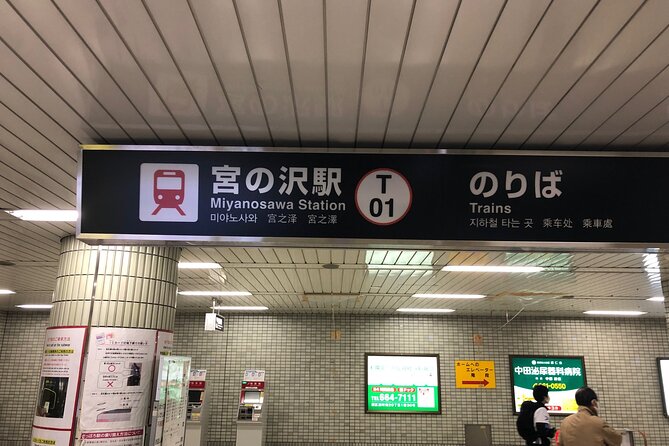
- Reach it by subway: The shop is about a three to five minute walk from Miyazawa Station on Sapporo’s Tozai Line.
- Add tempura if hungry: Vegetable and shrimp tempura, kakiage, and duck soup are available at extra cost according to the experience details and firsthand feedback.
- Plan for 75 minutes: The active noodle work lasts about 30 minutes, but the full visit, including tasting, can take about one hour and 15 minutes.
Making Soba in a Working Sapporo Shop
I like food activities that explain a place through ordinary local skills. Soba is a good choice because it is both familiar and easy to underestimate. You may have eaten buckwheat noodles many times, but handling the dough shows why handmade soba takes practice.
This experience takes place at a soba restaurant with more than a decade of history in Sapporo. The shop uses the same kind of utensils used in its daily work, along with selected buckwheat flour. That matters. You are not simply assembling a pre-prepared dish. You are taking part in the basic work that gives soba its texture.
The class was first designed with Japanese customers in mind, including people who enjoy soba but have never made it. The format is therefore practical rather than theatrical. English explanations are concise and supported by visual demonstrations, so you can watch the movement, copy it, and receive corrections as you go.
Taku is the instructor named in the firsthand feedback, and his teaching style comes through clearly in the experience. He is described as patient, encouraging, funny, and good with children. That combination is useful because soba dough can be sensitive, and beginners need room to make small mistakes without feeling rushed.
The setting also gives the activity a more grounded feel than a standard cooking school. You step into a place where soba is made for customers every day. It is still a short class, not a full apprenticeship, but you get a direct look at a craft that is usually kept behind the scenes.
A few more Sapporo tours and experiences worth a look
What You Actually Do During the 30-Minute Class
The working portion follows four clear stages. The order is simple, but each step affects the finished noodles.
1. Mixing the Buckwheat Flour
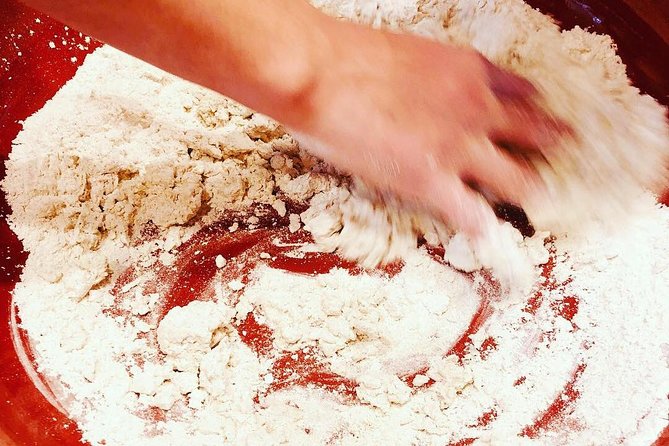
You begin by mixing buckwheat flour and water. This is the point where the dough starts to take shape, and it gives you a feel for how much care is required before the noodles ever reach the pot.
The instructions are designed to be easy to follow in English. You do not need to arrive with cooking experience or technical knowledge. The instructor demonstrates the movement, then lets you try it yourself.
This first stage may look basic, but it sets the tone for the whole activity. You are not watching a chef perform while you stand back. You are handling the ingredients from the start.
2. Kneading and Stretching the Dough
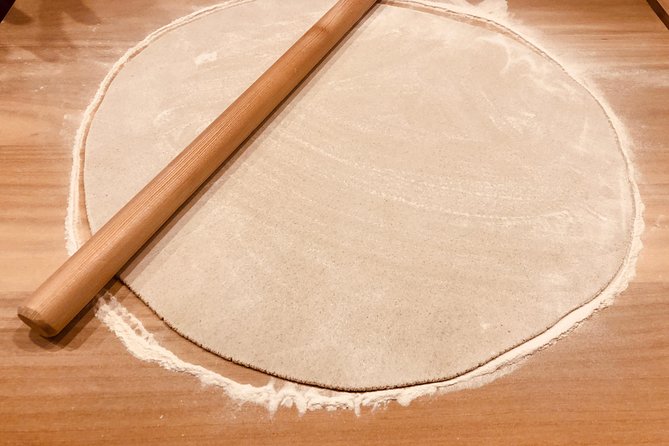
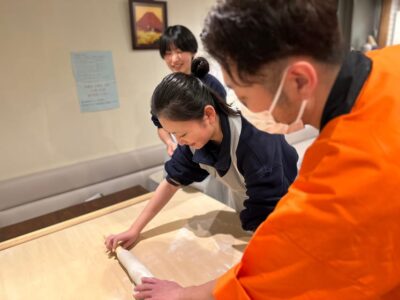
After mixing, you knead and stretch the dough. This is where the lesson becomes more physical. The dough must be worked and flattened carefully before it can be cut into noodles.
The artisan guides you through the process and offers direct advice. I would expect this to be one of the most useful stages for beginners because a small change in pressure or motion can affect the shape of the dough.
The instructor also allows you to learn by doing. One useful detail from the feedback is that Taku gives people space to make minor mistakes while still explaining the technique carefully. That makes the class feel like instruction rather than a quick photo opportunity.
3. Cutting the Noodles
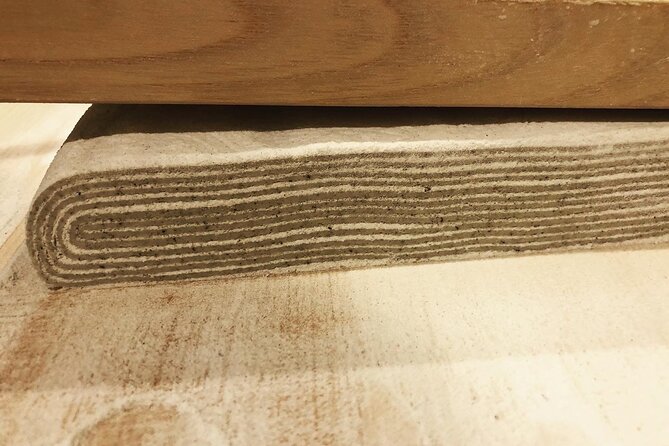
You then cut the stretched dough into small noodle pieces with a kitchen knife. This is the moment when your flat sheet becomes recognizable as soba.
The cutting stage calls for care and focus. Homemade noodles may not all look perfectly uniform, and that is part of the point. The activity gives you a better sense of the handwork behind the noodles served in a restaurant.
Families should find this stage especially engaging, though children need to follow the instructor’s directions closely because a kitchen knife is involved. The provided information confirms that children can participate with careful guidance, while children under two may visit but cannot take part.


4. Eating Your Own Soba
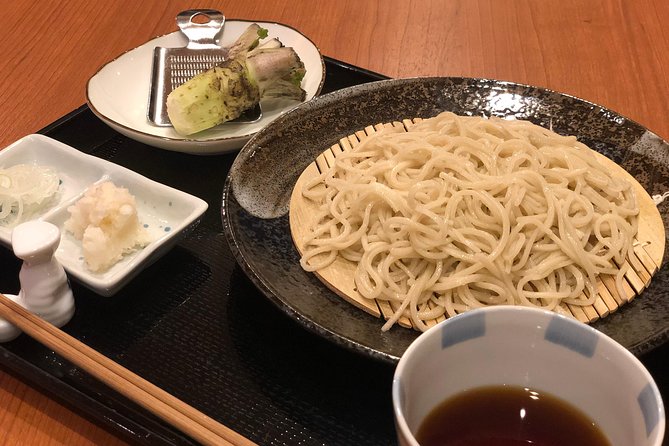
The class ends with a tasting of the noodles you made. The shop prepares your soba so you can eat it soon after the hands-on work.
This is the best payoff. Freshly made soba has a personal connection that a normal restaurant meal does not. You remember the flour, the dough, the stretching, and the cutting because you handled each part yourself.
You can also add tempura at extra cost. Several specific suggestions come up in the experience feedback: vegetable and shrimp tempura, kakiage, and duck soup. The base price covers the soba experience and tasting, so ask about any additional dishes before ordering.
Why Hokkaido Soba Fits This Experience
Hokkaido is Japan’s leading soba-producing region. Its cold climate, clean water, and mineral-rich soil suit buckwheat cultivation, and the local noodles are valued for their flavor and firm texture.
That regional context gives the activity more meaning. You are not learning an unrelated recipe in Sapporo. You are working with a food strongly linked to Hokkaido’s farming conditions and Japanese dining culture.
Soba also reaches back to the food traditions of the Edo period. It remains an everyday food rather than a museum piece. You can find it in quick meals, neighborhood restaurants, and carefully run handmade shops.
The activity helps explain why soba is treated as a craft. The ingredients are spare, so the quality of the flour, water, dough handling, and cutting matters. With few distractions on the plate, texture becomes especially important.
A Small Private Setting, Not a Large Group Class
This is a private activity for your own group. That is a real advantage if you want the instructor’s attention or are arranging a family outing. You can ask questions as they arise, and the pace can feel more personal than a large class.
The private format may also suit couples, friends, and small groups looking for a food activity that does not require a full day. The experience information notes group discounts and invites larger parties or travel agencies to contact the shop directly.
The tradeoff is that this is a small operation inside a working restaurant. The shop is open for lunch service, so inquiries on the day may not be answered quickly. The activity also runs on a set start time, and arriving late can inconvenience people booked for later sessions.
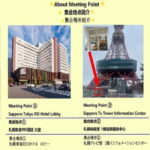
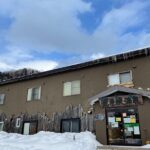
I would build in extra travel time. One firsthand account describes transportation as something to plan carefully, and another reports a serious address problem that led to the activity being missed. The stated meeting point is 9-chōme-17-28 Hassamu 6 Jō, Nishi Ward, Sapporo, with the shop roughly three to five minutes on foot from Miyazawa Station. Check the address in your confirmation before setting out.
Getting There from Miyazawa Station
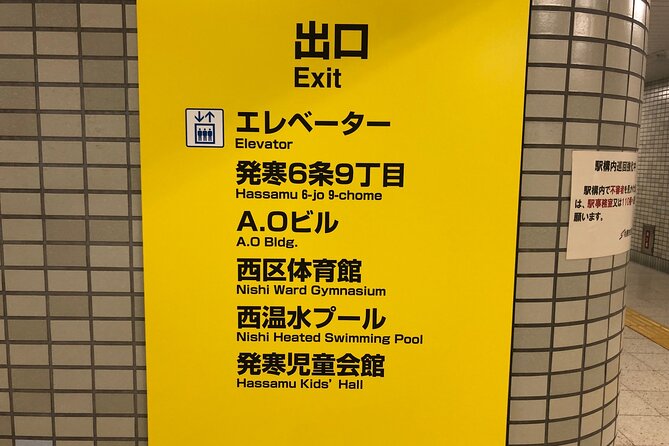
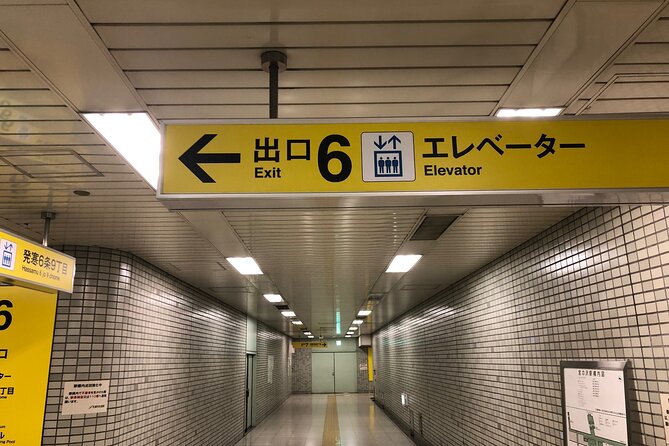
Miyazawa Station is on Sapporo’s Tozai subway line. From the station, the shop is described as a short walk, with estimates ranging from three to five minutes.
The location is also within walking distance of Sapporo Shiroi Koibito Park. That makes it possible to pair the soba class with another Nishi Ward stop, though you should allow enough time between activities rather than trying to make a tight connection.
There are four parking spaces in front of the shop. That is useful if you have a car, but the limited number means parking cannot be treated as guaranteed for a large party.
The activity returns to the meeting point after the tasting. You do not need to bring special equipment or prepare ingredients. Come ready to work with your hands and follow the demonstrations.
Is the $72.67 Price Good Value?
At $72.67 per person, this is not a cheap lunch. You are paying for instruction, ingredients, use of professional tools, a private session, and the meal at the end.
The value depends on what you want from your Sapporo schedule. If you only want a bowl of soba, a neighborhood restaurant will cost much less. If you want to understand how handmade soba is produced and enjoy a short cultural activity with your own group, the price is easier to justify.
I see the strongest value for families and small groups. Everyone takes part, and the meal becomes the result of a shared activity rather than another restaurant stop. Children can join with guidance, while the private format avoids the awkwardness of putting a young family into a large class.
It is also a good rainy-day option. One family used the experience as an afternoon activity and combined the noodles with vegetable and shrimp tempura. The class lasts only about 30 minutes, but the full visit takes around 75 minutes, giving you enough time to settle in, work, eat, and talk with the host.
Tempura and other additions are extra, so keep that in mind when comparing the total cost. The base package is best understood as a craft lesson plus your own soba tasting, not an all-inclusive restaurant feast.
What Could Be Better
Most of the available feedback is strongly positive, with a 4.8 rating and 95 percent recommendation figure. The praise centers on the friendly instruction, clear demonstrations, family appeal, and tasty noodles.
Still, the experience has limits. The English guidance is concise and visual, which works well for hands-on learners but may not satisfy you if you want a long lecture on soba history, farming, or the chef’s personal career.
One piece of feedback specifically wished for more information about the soba master’s background and a sample of the shop’s regular soba. That is a fair point. The activity teaches you to make noodles, but it may not offer an extended chef presentation or a broad tasting menu.
The address issue is another practical concern. Since one person missed the activity after receiving incorrect location information, confirm the meeting point directly through your booking details. Do not rely on an old map pin or a copied address.
Finally, punctuality matters. If you arrive after the start time, the shop may treat the booking as a no-show. The lunch service also means same-day communication may be difficult. I would arrive early and have the exact location ready on your phone.
Who Should Book This Soba Experience?
I would choose this for:
- Families with children: The clear demonstrations and patient instruction make it approachable, and the private format keeps the activity relaxed.
- Food-focused visitors: You learn why soba texture depends on technique, not just ingredients.
- Small groups of friends: Everyone works together, then shares a meal with optional tempura.
- Repeat visitors to Japan: This offers a look at a daily food tradition rather than another sightseeing performance.
- Rainy-day planners: The indoor activity fills roughly 75 minutes and can pair with nearby Shiroi Koibito Park.
I would think twice if you want a long culinary lecture, a broad meal included in the price, or a flexible drop-in activity. This is a short, structured class in a real restaurant, and its strength is practical work.
Booking, Timing, and Cancellation Details
The activity is usually booked about 29 days ahead, so reserve early if your Sapporo dates are fixed. Mobile tickets are supported, and confirmation is provided when you book.
Free cancellation is available up to 24 hours before the local start time for a full refund. Cancellations or changes made within 24 hours are not refunded or accepted. If the minimum number of participants is not met and the activity is canceled, you are offered another date or experience, or a full refund.
Children under two are free, but they may only visit and cannot participate in the noodle making. For group bookings, contact the provider directly.
Should You Book It?
Book this experience if you want to make a real Japanese food by hand, work directly with a soba chef, and eat the result soon afterward. The strongest parts are the private setting, patient instruction from Taku, clear visual teaching, and the simple four-step process.
I would confirm the address, arrive early, and budget extra for tempura if that appeals to you. For a quick bowl of noodles, choose a restaurant. For a memorable Sapporo activity that gives you a new respect for handmade soba, this is a sound choice.
FAQ
How long does the soba-making experience take?
The hands-on noodle work takes about 30 minutes. The full visit, including the tasting, takes around one hour and 15 minutes.
Where does the experience start and end?
It starts at 9-chōme-17-28 Hassamu 6 Jō, Nishi Ward, Sapporo, Hokkaido 063-0826, Japan. The activity ends back at the meeting point.
How far is the shop from Miyazawa Station?
The shop is described as a three to five minute walk from Miyazawa Station on Sapporo’s Tozai subway line.
Is this a private activity?
Yes. Only your own group participates in the activity.
What steps are included in making the soba?
You mix buckwheat flour, knead and stretch the dough, cut the noodles with a kitchen knife, and taste the soba you made.
Is the activity taught in English?
English explanations are concise and supported by visual demonstrations.
Can children participate?
Yes. Beginners and children can participate with guidance from the artisans. Children under two are free but may only visit.
Is food included after the class?
You can taste the soba you made. Tempura and other additions, such as duck soup, may cost extra.
Is parking available?
There are four parking spaces in front of the shop.
What happens if I need to cancel?
You can cancel up to 24 hours before the local start time for a full refund. Cancellations or changes made less than 24 hours before the start are not refunded or accepted.
More Soba & Cooking Classes in Sapporo
More tours in Sapporo we've reviewed




Soba & Cooking Classes, compared.
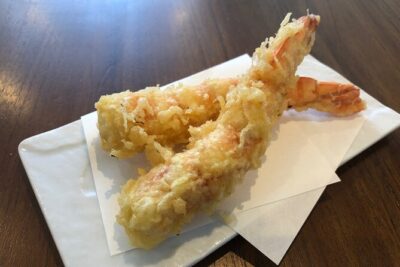 ★ 5.0Mondo’s most popular plan! Experience making soba noodles and the king of Japanese cuisine, tempura, in Sapporo!From $85
 ★ 5.0Wagashi traditional japanese sweets classFrom $59
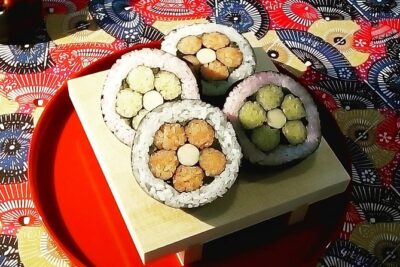 ★ 5.02 hours sushi classFrom $20
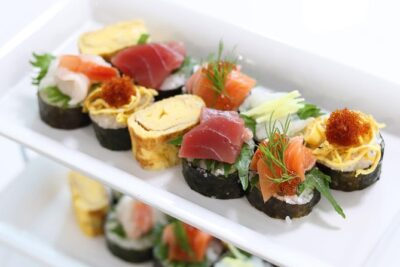 ★ 5.0Private Japanese Cooking Class in Sapporo with Local Chef ShioriFrom $108
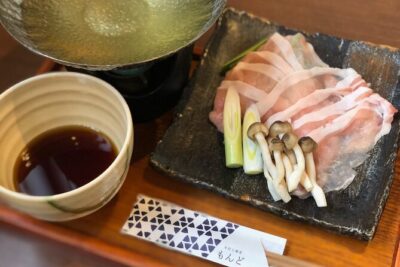 ★ 5.0in Sapporo! Hand-made soba experience and shabu-shabu experience plan of Yezo deer meat (Gibier meat) from HokkaidoFrom $85
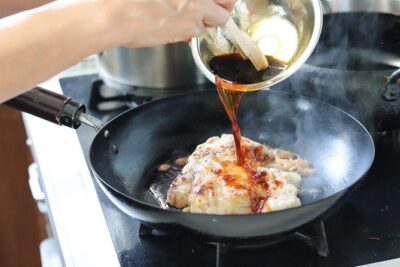 ★ 5.0Private Market Tour and Cooking Class with Kanae, a Sapporo LocalFrom $82
 ★ 5.0Private Japanese Cooking Class in Sapporo with Local Host KanaeFrom $72
 ★ 4.8Authentic Handmade Soba Experience!From $701 hour
Browse the lists this tour appears in