
Reviewed · SOBA & COOKING CLASSES
Soba noodle making experience and tempura, Hokkaido sakeplan
Making soba by hand is the heart of this Sapporo experience. You knead buckwheat dough, roll it with a wooden pin, cut it into noodles, and then eat the result with fresh tempura and two Hokkaido sakes. It is a short, hands-on way to understand a dish that can otherwise arrive at your table with little explanation.
I like the private format and the mix of food skills with local drink. I also like that the lesson is built for first-timers, with careful help from the soba makers. The main consideration is ventilation: one participant found the tempura fumes irritating when the range hood started late, so anyone sensitive to cooking smoke should keep that in mind.
Key points to know before booking
- You make the soba yourself: Knead the buckwheat, roll the dough, cut the noodles, and taste what you prepared.
- Chef-made tempura completes the meal: A Japanese food chef cooks the tempura while you take part in the soba lesson.
- Two Hokkaido sake selections are included: A licensed sake taster recommends and serves the pair.
- The setting is private: You take part as a private group rather than joining a large shared class.
- Mondo is easy to reach: The restaurant is a three-minute walk from Exit 6 of Miyanosawa Station on Sapporo’s Tozai Subway Line.
- The experience is for adults: Participants must be at least 20 years old.
What this Sapporo food experience is really about
This is less a formal cooking school and more a guided Japanese meal with a useful lesson at its center. In 90 minutes, you get to handle the main ingredient, watch tempura being prepared, and sit down to a meal that reflects a familiar Japanese combination: soba, tempura, and sake.
The experience takes place at 手打ち蕎麦もんど, usually referred to as Mondo, a restaurant specializing in handmade soba. It is close to Shiroi Koibito Park, so you can pair the two stops if your schedule allows. The location makes this a practical choice for a west Sapporo sightseeing day rather than a remote food excursion.
The class is designed to be casual and approachable. You do not need previous noodle-making experience. A soba maker guides you through each stage, which matters because buckwheat dough can be less forgiving than ordinary wheat dough. You will have support as you work instead of being left to guess whether the dough is ready.
The private-group setup is another plus. Food classes can lose some of their charm when everyone is crowded around one table, waiting for a turn. Here, your group has a more direct connection with the instructor and the meal. The exact feel depends on the size of your booking, but the activity is sold as a private experience.
A few more Sapporo tours and experiences worth a look
Kneading, rolling, and cutting the buckwheat dough
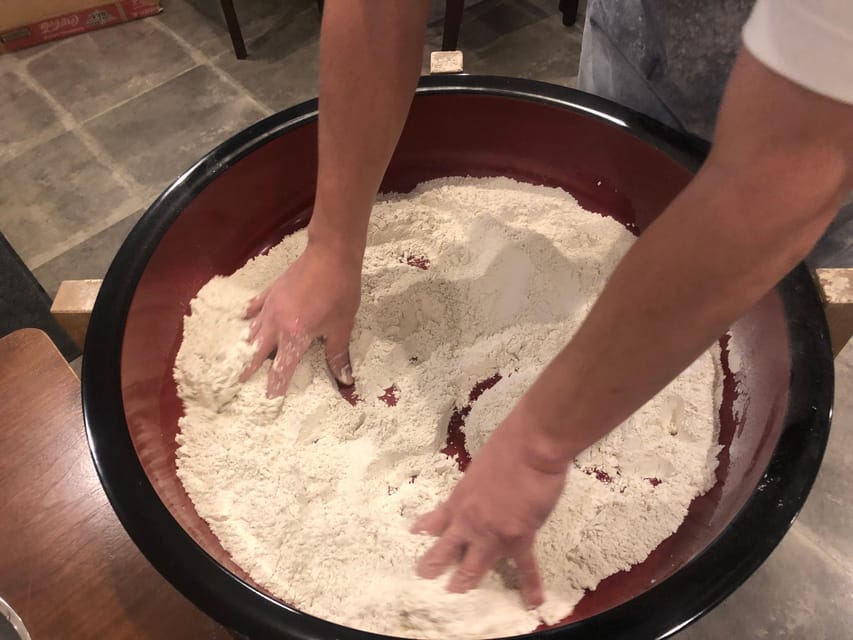
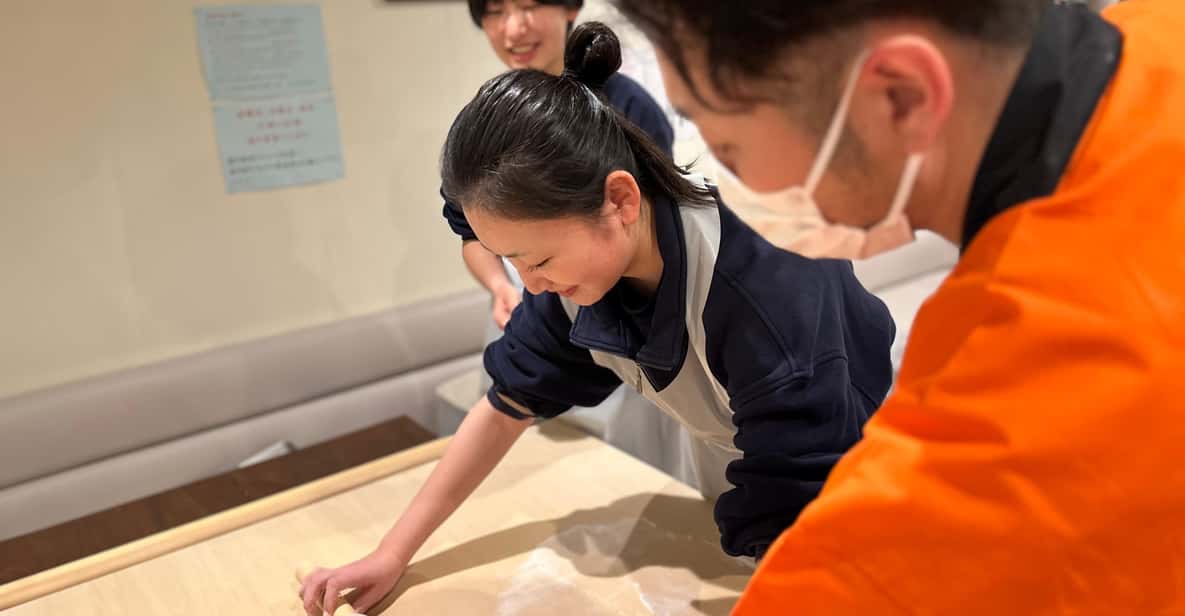
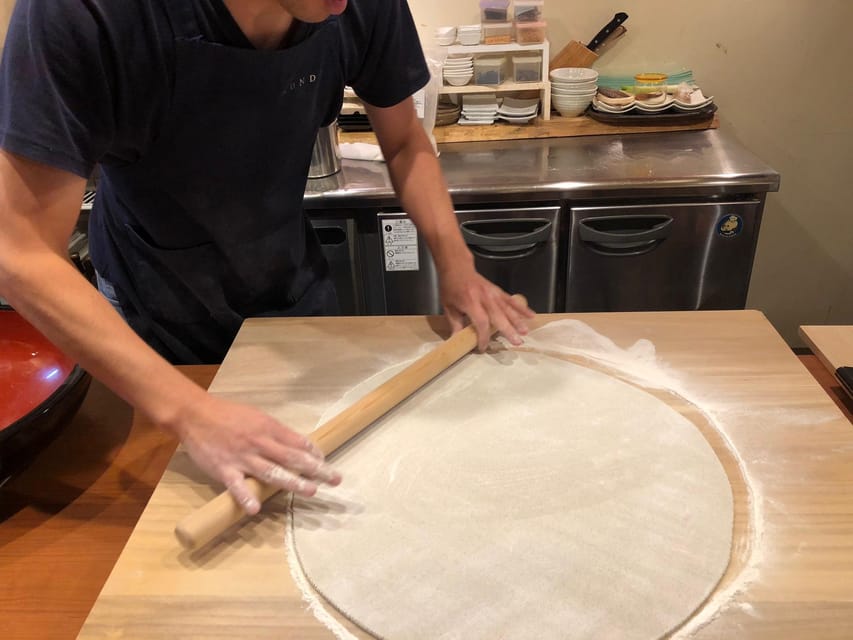
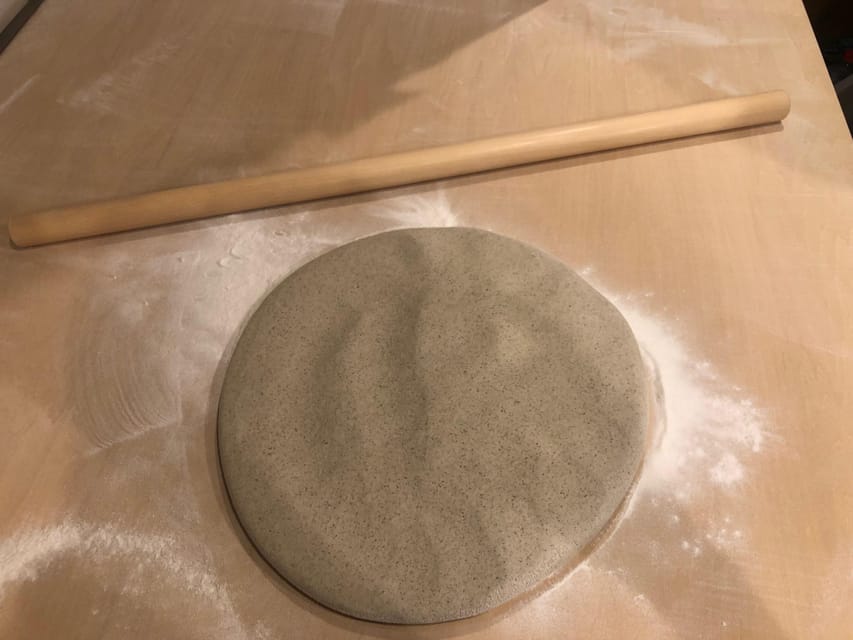
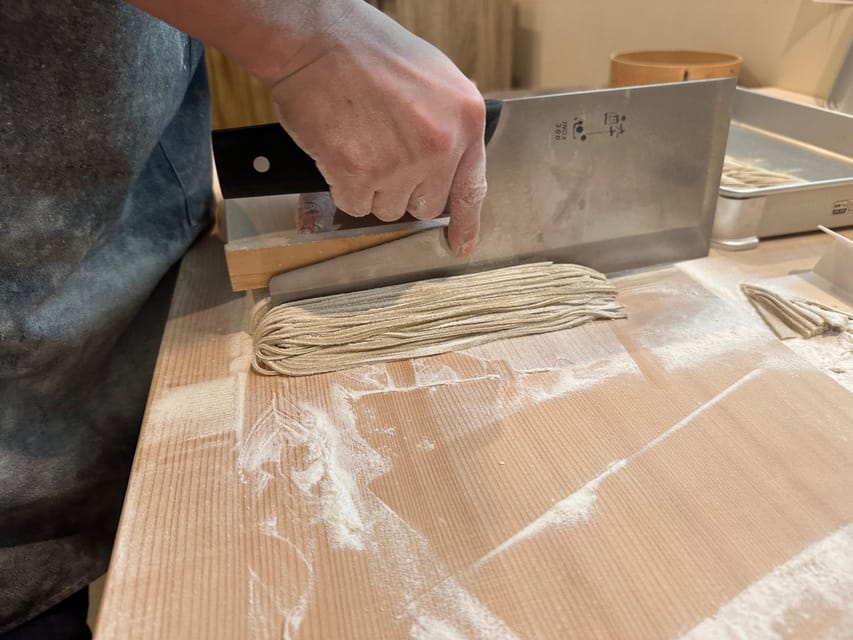
The first practical part is making the soba dough. You work with buckwheat, kneading it by hand before rolling it out with a wooden roller. This gives you a clear sense of how much effort goes into a bowl of noodles that most diners simply order and receive.
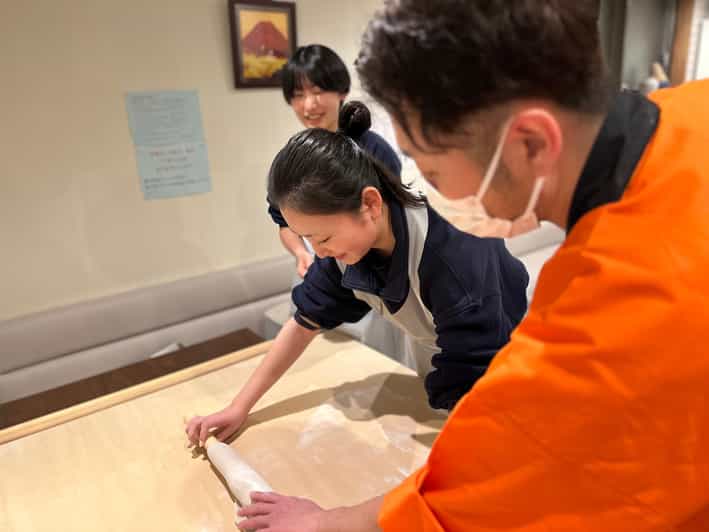
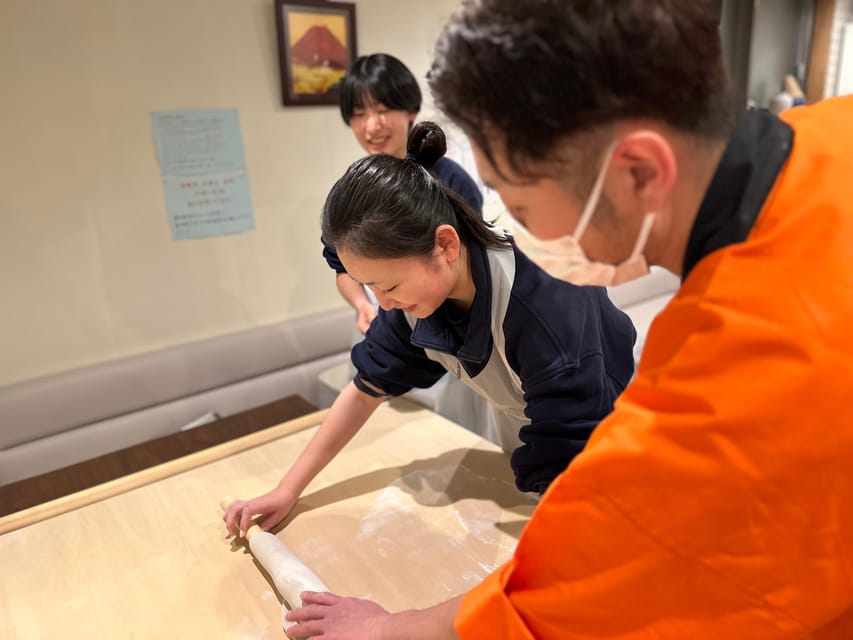
The rolling stage is likely to be the most interesting for first-timers. You are trying to spread the dough evenly before cutting it. The wooden roller makes the process feel traditional and physical, and it is the sort of task where the instructor’s guidance helps prevent frustration.
Cutting the noodles brings a different challenge. The goal is to produce pieces with a reasonably even width, using a knife to turn the sheet of dough into noodles. Your noodles may not look machine-perfect, and that is part of the appeal. You can see the handwork in the finished meal.
One participant specifically enjoyed the full process of kneading the buckwheat by hand, flattening it with the wooden roller, and cutting it into equal strips. That sequence is worth noting if you are comparing this with a demonstration-only food activity. You are not just watching a soba maker work. You take part in the central steps.
The class is described as suitable for beginners, with careful support from the soba maker. I would still arrive ready to use your hands and follow instructions closely. The experience is short, so it is not meant to turn you into a professional noodle maker. It gives you enough practical contact with the craft to make the final bowl more meaningful.
The soba and tempura meal at Mondo
After the preparation, you taste the soba you made. This is the payoff, but it is also the moment when the lesson makes sense. You have handled the dough, seen it cut, and now get to judge the texture and taste as part of a complete meal.
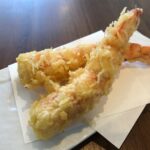
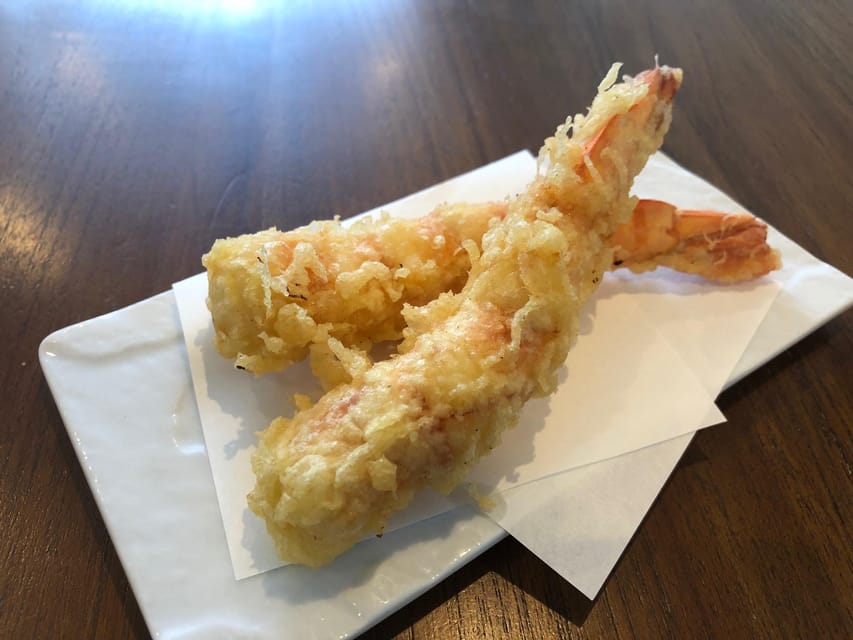
The tempura is prepared by a Japanese food chef rather than left for you to cook. That division works well. You get the fun of making the noodles without adding another demanding cooking task to a 90-minute activity.
Tempura and soba are a familiar pairing in Japan. The crisp fried coating gives contrast to the smooth noodles, while the soba provides a lighter base for the meal. The combination is filling without feeling like a heavy restaurant set, although the exact tempura items are not specified.
The food receives strong praise from the available ratings. Doreen from the United States gave the experience five stars and singled out the food and the work of Chef Taku and the staff. Javier, also from the United States, described an evening guided by husband-and-wife soba masters, with good conversation, food, and sake. Those details suggest that the human side of the meal matters as much as the recipe.
I would not book this expecting a long tasting menu or a broad survey of Hokkaido cuisine. The focus is narrow and clear: handmade soba, tempura, and two sakes. That focus is a strength if you want one Japanese food tradition explained through action rather than a parade of unrelated dishes.
Understanding sobamae, the sake before soba
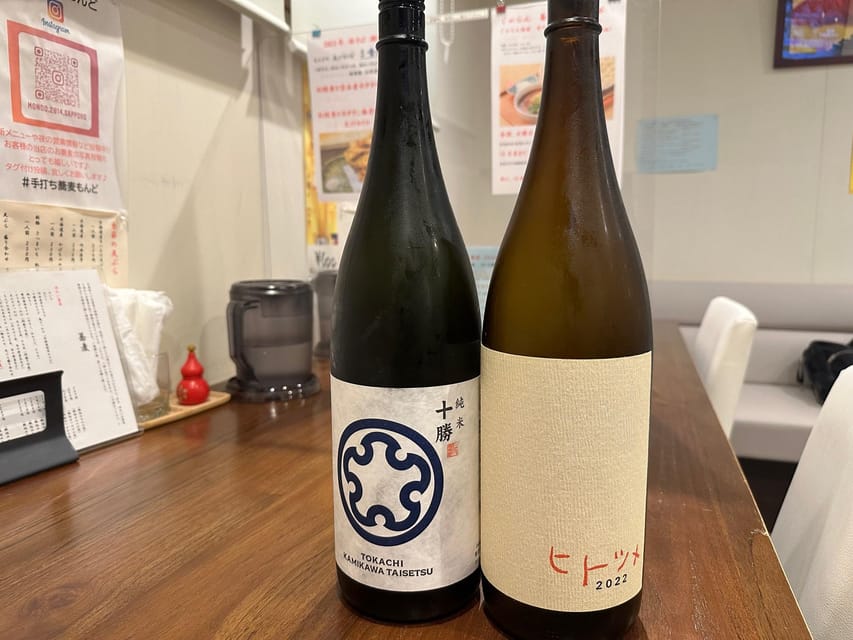
The sake is not an extra drink added at random. The experience introduces the Japanese custom of drinking sake before eating soba, known as sobamae. You taste two Hokkaido sake selections recommended by a licensed sake taster, then finish with the soba.
This order gives the meal a little rhythm. First comes the sake and conversation, followed by tempura and the handmade noodles. You are not simply pairing alcohol with food because the package includes it. You are learning about a way people have traditionally approached a soba meal.
Two limited-edition Hokkaido sake selections are included. The specific labels are not provided, so you should not book this expecting particular brands or styles. The value comes from having a sake specialist choose two examples and explain or serve them in connection with the food.
The age rule matters here. The activity is not suitable for anyone under 20 years old. If your group includes younger family members, this is not a flexible choice because the sake tasting is part of the set experience.
The sake tasting also makes the price easier to judge. At $116 per person, this is not a budget bowl of noodles. You are paying for instruction, private-group hosting, handmade soba, chef-prepared tempura, and two Hokkaido sake tastings. For someone who only wants lunch, it is expensive. For someone who wants a compact food lesson and a meal in one booking, the package has a clearer case.
Chef Taku, the soba team, and the pace of the class
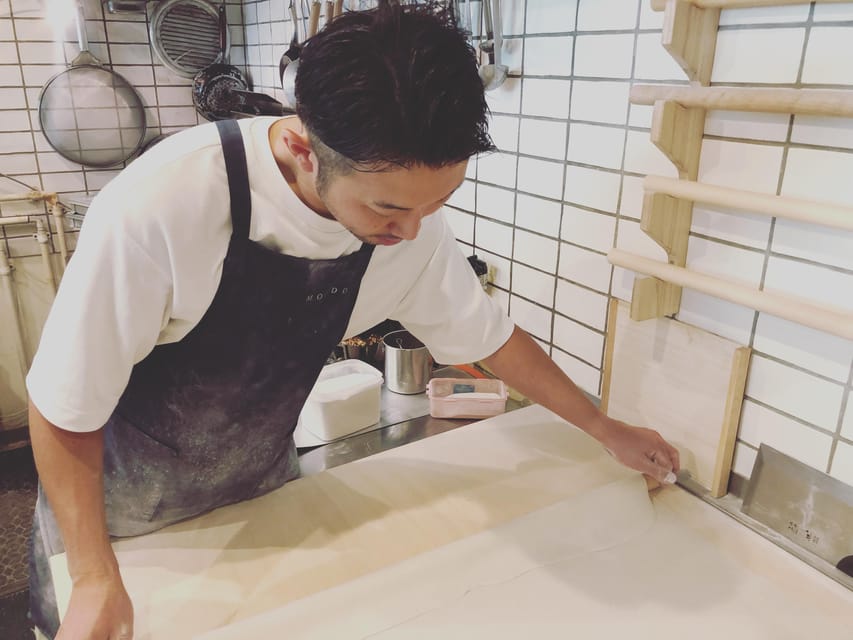
Chef Taku is named as part of the staff who lead the experience. The class also involves soba masters, including a husband-and-wife team. You should expect direct instruction rather than a recorded presentation or a self-guided station.
The 90-minute duration keeps the activity manageable. You can fit it into a half-day around Miyanosawa, and the three-minute walk from the subway reduces the need for a complicated transfer or taxi. The cooking class itself is listed as about 75 minutes in the schedule details, within a total activity time of 90 minutes, so the practical lesson and meal should fit into a compact block.
A short class has trade-offs. You will get an introduction, not a long technical course on buckwheat varieties, noodle drying, broth preparation, and regional soba styles. The supplied information does identify Hokkaido soba as a tradition produced since the Edo period, which gives the activity useful regional and historical context, but the hands-on time remains the priority.
The English and Japanese language option is helpful for international visitors. Still, food instruction depends on timing and demonstration as much as words, and the soba maker’s hands-on support should help first-timers follow along.
Arrive on time. Mondo also operates as a handmade soba restaurant during lunch, and staff may not be able to answer same-day questions while serving regular diners. Late arrival can disrupt the set start time for other customers, and missing the start is treated as an unapproved cancellation. This is one activity where an early arrival is a smart habit.

Getting there from Miyanosawa and Shiroi Koibito Park
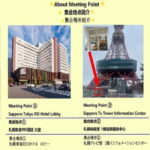
The meeting point is Mondo, the handmade soba restaurant. From Miyanosawa Station on the Sapporo Tozai Line, use Exit 6 and allow about three minutes on foot.
The nearby Shiroi Koibito Park makes the location useful for itinerary planning. You can visit the park and then walk to Mondo, or make the soba activity part of your west Sapporo route. The information does not give a precise walking time from the park, so check your map before setting a tight schedule.
Because the activity begins at a fixed time, do not treat the short station walk as permission to arrive at the last minute. Sapporo subway travel is simple, but platform changes, finding the correct exit, and locating a restaurant in an unfamiliar area can take longer than expected.
The setting is a working soba restaurant, not an isolated tourist attraction. That is a good fit if you want to see how the meal connects with everyday Japanese dining. It may feel less polished than a large purpose-built cooking studio, but the restaurant setting gives the food a more natural context.
The ventilation concern and other practical drawbacks
The clearest negative point is the cooking ventilation. One participant reported strong eye irritation from tempura fumes because the range hood was turned on late. That does not mean every session will have the same problem, but it is a real comfort issue worth noting.
If you are sensitive to smoke or frying fumes, mention it to the staff at the start if possible. The experience includes tempura, so some cooking odor is a normal part of the setting. Better ventilation would improve the meal, especially in a compact restaurant kitchen.
The fixed start time is another consideration. The activity is private, but the start still needs to work with the restaurant’s schedule and other booked customers. You should not assume that arriving late means you can simply join the class midway.
The price may also feel high if your main goal is to eat soba. At $116 per person, the value depends on how much you want the making process, the private setting, and the sake component. I see it as a food experience with a meal included, not as an economical restaurant visit.
The rating is 4.6 out of 5 from five ratings, which points to a generally strong experience but is still a small sample. The positive themes are consistent: enjoyable noodle making, good food, sake, and warm guidance from the staff. The ventilation issue is the one specific weakness to keep in mind.
Who should book the Mondo soba experience
I would recommend this to adults who want a hands-on introduction to Japanese food without committing to a full-day cooking course. It suits couples, friends, and private groups who enjoy learning by doing and want a meal afterward.
It is especially useful if you are already planning to visit Shiroi Koibito Park or explore west Sapporo. The subway access and 90-minute format make it easier to add than a long countryside food excursion.
You should also book it if you enjoy trying regional drinks. The two Hokkaido sake selections add a local touch, and the sobamae custom gives you a simple cultural idea to carry into other soba meals in Japan.
I would choose something else if you only want a quick, inexpensive lunch, dislike cooking fumes, or need an informal arrival time. Families with anyone under 20 will also need another option.
Cancellation is free up to 24 hours before the activity for a full refund, and you can reserve now and pay later. Those terms help if your Sapporo plans are still changing, but they do not remove the need to arrive on time.
Should you book this private soba and sake experience?
Book it if you want to make your own noodles, eat tempura prepared by a Japanese food chef, and taste two Hokkaido sakes in a private setting. The strongest part is the complete sequence from buckwheat dough to finished meal, guided by soba makers and staff including Chef Taku.
At $116, I would call it a special-interest experience rather than a bargain. It earns its price through the lesson, private format, meal, and sake tasting. Just plan carefully around the fixed start time and keep the ventilation concern in mind. For an adult food lover near Miyanosawa, this is a focused and memorable way to spend 90 minutes.
FAQ
Where does the soba-making experience take place?
It takes place at 手打ち蕎麦もんど, also called Mondo, a restaurant specializing in handmade soba noodles in Sapporo, Hokkaido.
How long does the activity last?
The experience lasts 90 minutes. The schedule describes the cooking class and regional food portion as about 75 minutes within that total.
How much does the experience cost?
The listed price is $116 per person.
How do I reach Mondo by public transportation?
Mondo is about a three-minute walk from Exit 6 of Miyanosawa Station on Sapporo’s Tozai Subway Line.
Is Mondo near Shiroi Koibito Park?
Yes. The restaurant is within walking distance of Shiroi Koibito Park.
What will I do during the soba lesson?
You will make buckwheat noodles by kneading the dough, rolling it with a wooden roller, cutting it into noodles, and tasting the soba you made.
Is tempura included?
Yes. Tempura prepared by a Japanese food chef is included in the experience.
How much sake is included?
Two types of limited-edition Hokkaido sake are included. A licensed sake taster selects and recommends them.
Is the activity available in English?
Yes. The listed languages are English and Japanese.
Can people under 20 join?
No. The activity is not suitable for people under 20 years old.
Is the booking private?
Yes. The experience is offered for a private group.
Can I cancel for a full refund?
You can cancel up to 24 hours in advance for a full refund. You can also reserve now and pay later.
More Soba & Cooking Classes in Sapporo
More tours in Sapporo we've reviewed

Soba & Cooking Classes, compared.
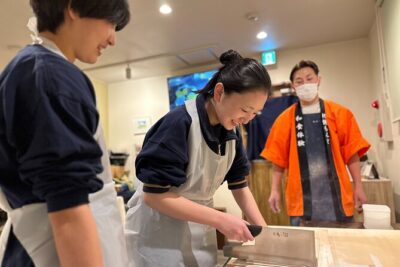 ★ 5.0Popular in SapporoExperience authentic hand-made soba at a real soba shop!From $72
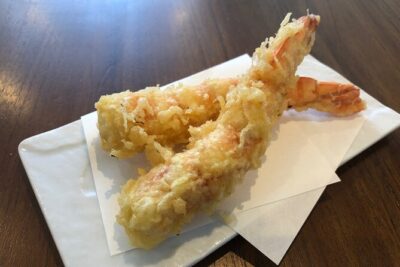 ★ 5.0Mondo’s most popular plan! Experience making soba noodles and the king of Japanese cuisine, tempura, in Sapporo!From $85
 ★ 5.0Wagashi traditional japanese sweets classFrom $59
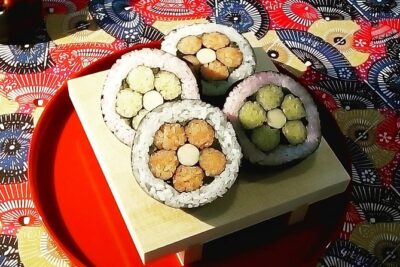 ★ 5.02 hours sushi classFrom $20
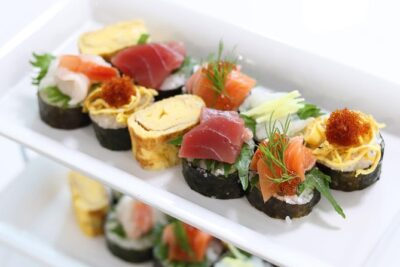 ★ 5.0Private Japanese Cooking Class in Sapporo with Local Chef ShioriFrom $108
 ★ 5.0Private Market Tour and Cooking Class with Kanae, a Sapporo LocalFrom $82
 ★ 5.0in Sapporo! Hand-made soba experience and shabu-shabu experience plan of Yezo deer meat (Gibier meat) from HokkaidoFrom $85
 ★ 5.0Private Japanese Cooking Class in Sapporo with Local Host KanaeFrom $72
Browse the lists this tour appears in