
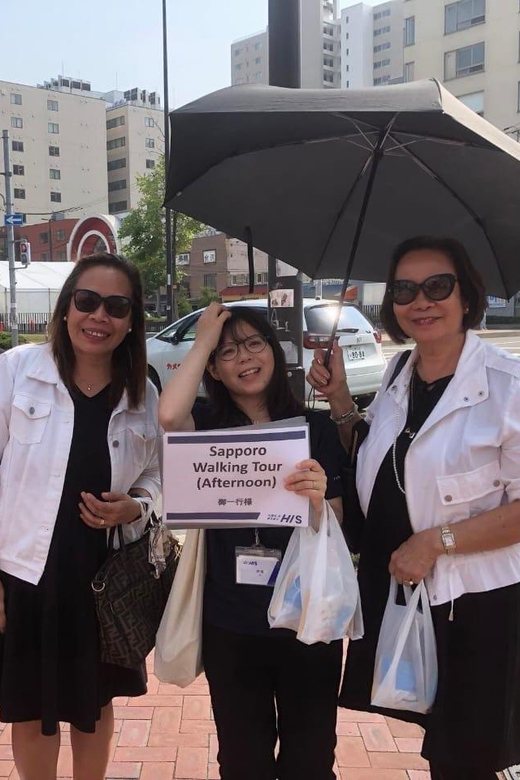
Sapporo is easy to like, but its broad streets and scattered sights make a local guide useful. This small-group walk links the city’s best-known landmarks with local stories, practical orientation, and a useful view from the Sapporo TV Tower.
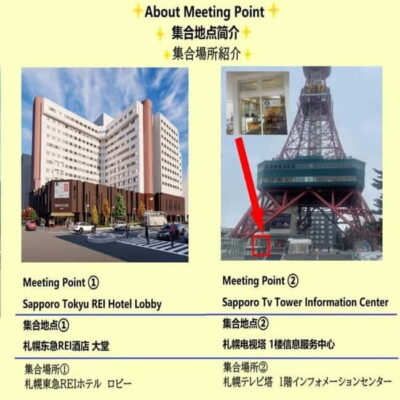
I like two things here: the chance to ask Jessica or Hiro about restaurants and daily life, and the winter-minded routing through underground walkways when snow squeezes the sidewalks. The main consideration is meeting-point clarity, since one visitor found the instructions unclear and expected to meet outside rather than inside the building.
Key points at a glance
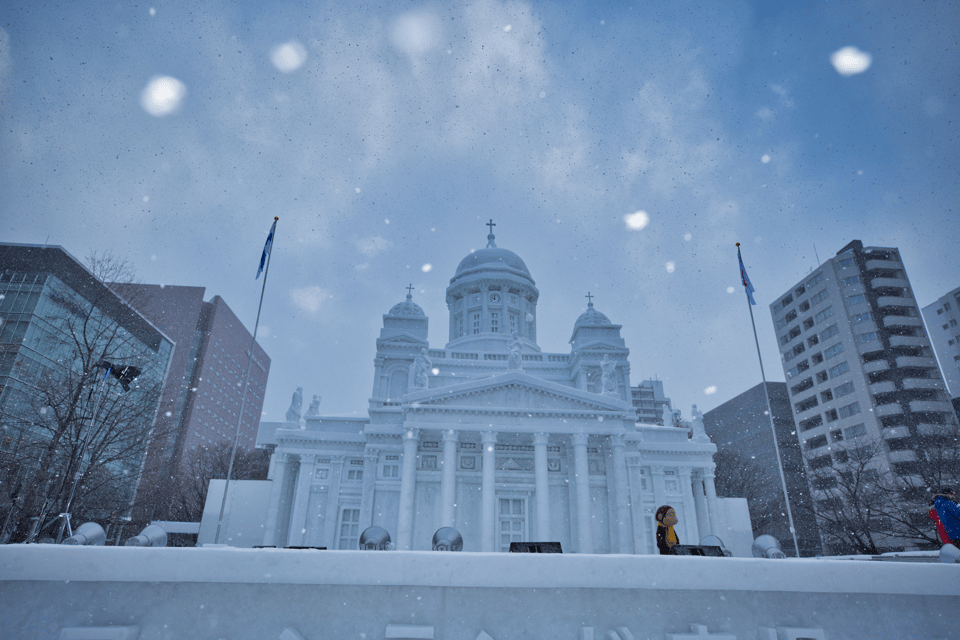
- Local English-speaking guides: Jessica and Hiro have led this walk, with friendly conversation and clear explanations.
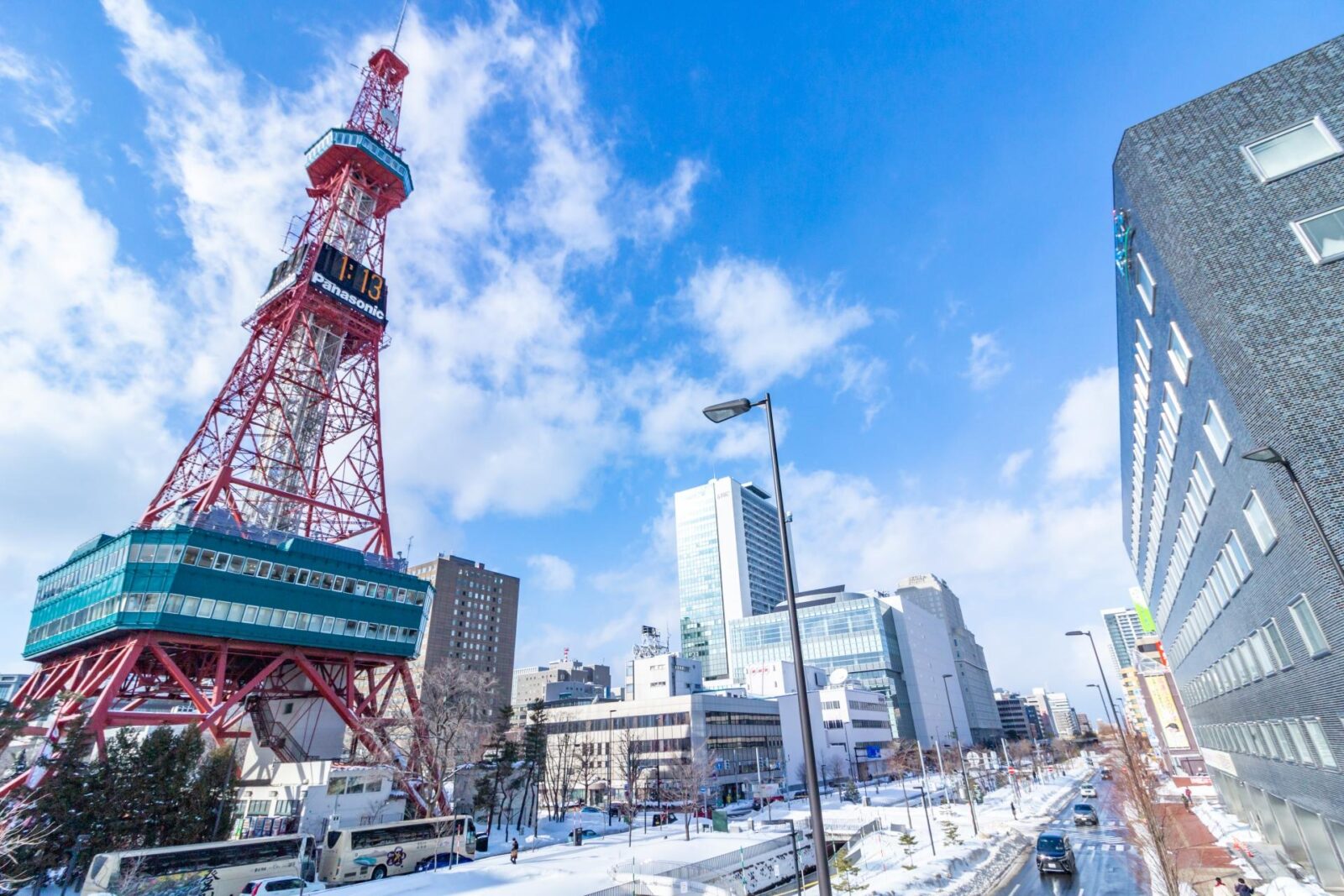
- A useful first look at Sapporo: The route connects Sapporo Station, the Red Brick Office, Clock Tower, Odori Park, and the TV Tower.
- A city view included: Your Sapporo TV Tower observatory ticket is part of the price.
- Winter conditions shape the walk: Snow and narrow pavements can send the group underground for safety.
- Afternoon extras: Tanuki Koji Shopping Street and Nijo Fish Market are included on the afternoon option.
- Small group, even for one: The group is limited to eight, and the tour runs on scheduled dates even if only one person books.
Why this three-hour Sapporo walk works well
At $58 per person, this is not the cheapest way to wander downtown Sapporo. It is a fair price if you value a small group, an English-speaking local, and the included TV Tower admission rather than simply checking off sights on your own.
The best use of the tour is early in your stay. You get a basic map in your head, learn how the central sights relate to one another, and can ask about places to eat later. That practical guidance may be more useful than a long lecture about dates and buildings.
The group limit of eight is important. You are not being herded behind a large flag, and you should have a reasonable chance to ask questions. If nobody else books, the tour still operates, which can turn a scheduled group walk into a private-style outing.
That possibility is reflected in the experience of Alexander, who had Jessica to himself. He found the conversation relaxed and appreciated her clear English, friendly manner, and mix of local history, culture, and small facts. A solo booking is not guaranteed to be private, but the one-person policy makes this option less dependent on filling a group.
The advertised duration needs a little attention. The activity information gives a range of three hours to one day, while the tour itself is presented as a walking experience of about three hours. Check the exact option and starting time before paying, especially if your schedule is tight.
A few more Sapporo tours and experiences worth a look
Starting at Sapporo Station
Sapporo Station is a sensible place to begin because it gives you immediate orientation. The station is a major reference point in the city, and starting here helps you understand where the central shopping, business, historic, and park areas fit together.
Your guide can also help you get your bearings before the route moves into the older civic center. That matters in winter, when snow, covered passages, and underground routes can make a simple street crossing feel less simple.
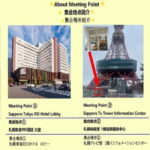
The meeting point may change with the option you book. Read the instructions closely. One specific caution comes from a gathering problem: the instructions were not clear about meeting inside the building rather than outside. Arrive early, check the exact location, and keep your phone available in case the operator calls when you do not appear at the appointed time.
This is a walking tour, not a bus tour. You need comfortable shoes, and you should expect to walk in places and on surfaces that may feel unfamiliar. In winter, warm clothing and proper boots are not optional extras. They are part of making the outing enjoyable.
The Red Brick Office and Sapporo’s early civic center
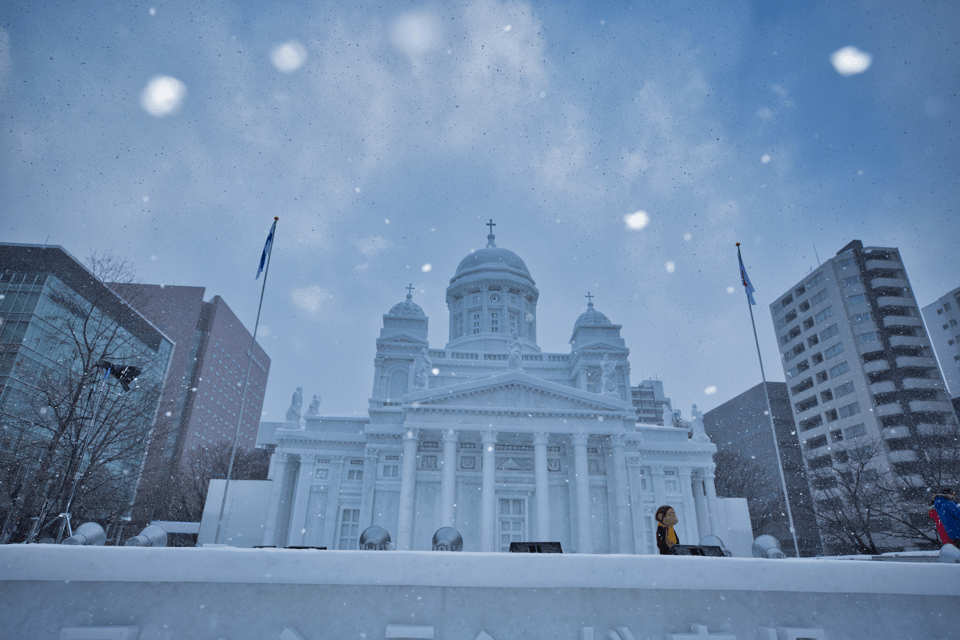
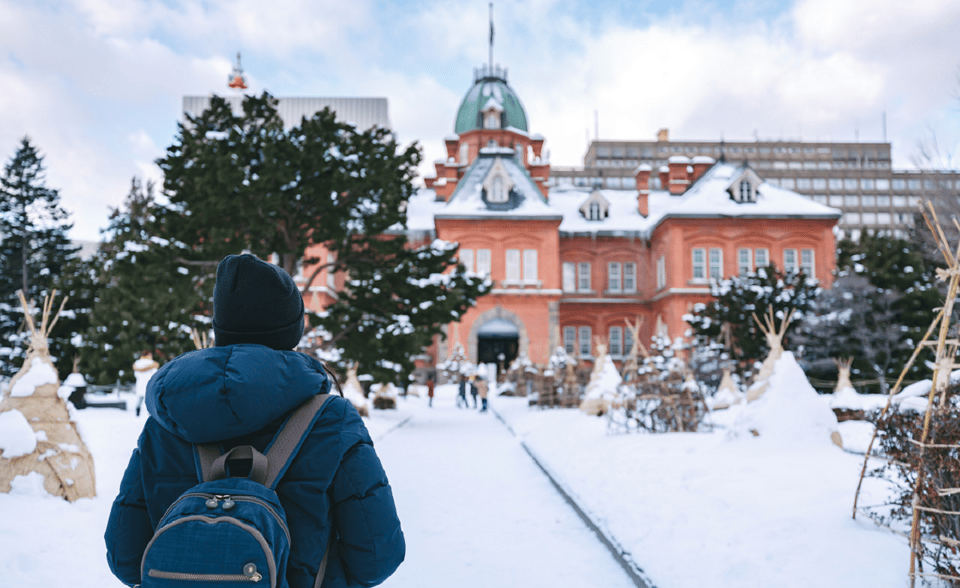
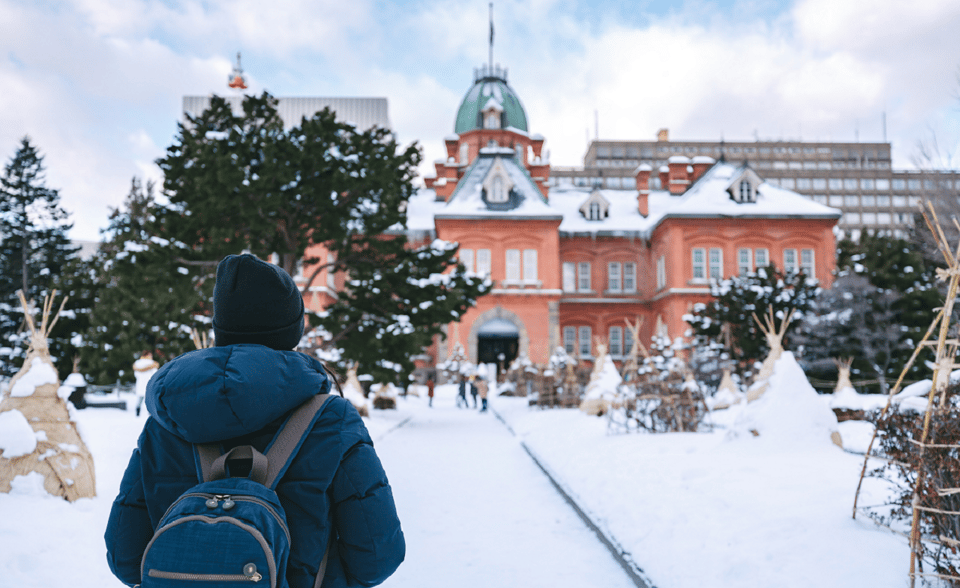
The Former Hokkaido Government Office Building, commonly called the Red Brick Office, gives the walk a strong historical stop. Its red-brick exterior is one of the classic images of Sapporo, and it helps explain the city’s role as Hokkaido developed under Japan’s modern government.
The value here is not just taking a photograph. With a guide, you can connect the building to the wider story of Sapporo and Hokkaido, then compare this older civic architecture with the more modern city around it.
The stop may be affected by weather and access conditions, so do not think of the outdoor portion as fixed in every season. The tour continues in rain or snow when conditions permit, but the route can change for safety.
This is one reason the local guide matters. A self-guided walk can show you the building, but it may not tell you why it belongs on a short list of Sapporo sights or how it fits into the city’s growth.
Sweets at Kitakaro, Snow Brand Parlor, or a local choice
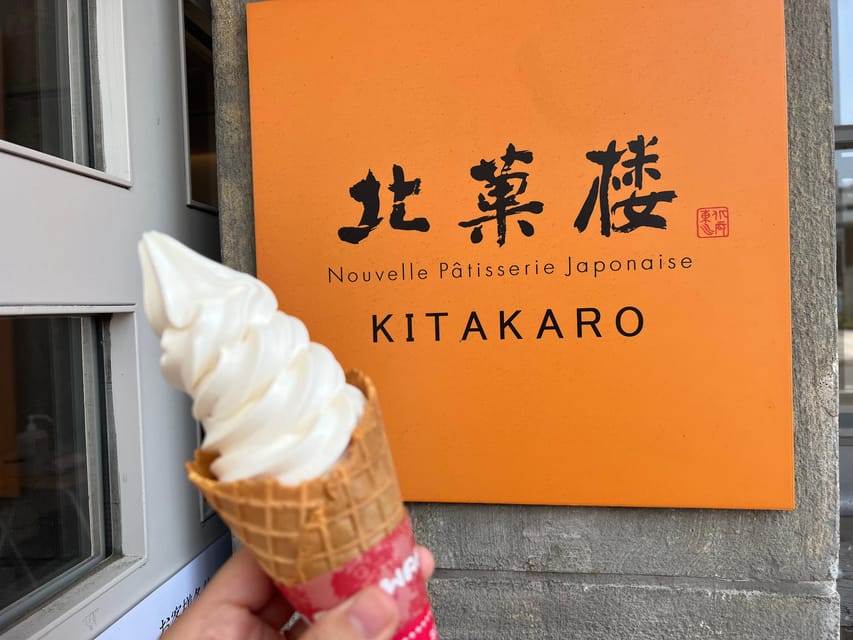
The sweets stop adds a lighter note to the historic route. Depending on the day and the guide’s recommendation, you may visit Kitakaro, Snow Brand Parlor, or another suggested sweets shop.
Food is not included, so plan to pay for anything you want to eat or drink. That may feel like a small drawback, but it also leaves you free to choose instead of paying for a fixed tasting.
This stop is useful for travelers who want more than monuments. Sapporo is strongly associated with food, dairy products, sweets, and regional specialties, and a local recommendation can point you toward something you might not notice while walking alone.
Do not expect a full food tour. The activity includes a sweets-shop visit, but personal food and drink costs are separate. Think of this as a chance to sample or browse, then ask your guide where to return later for a fuller meal.
Jessica’s strength, based on the way the experience is described, is conversation. She is especially suited to the kind of visitor who wants to ask what to eat, what to see next, or how locals use the city rather than simply listen to a prepared speech.
Sapporo Clock Tower and the city’s familiar symbol
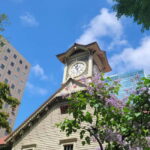
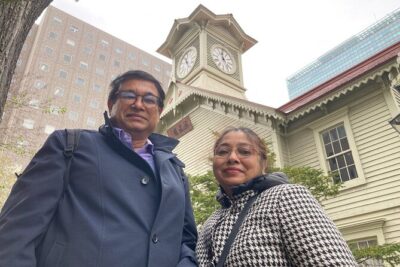
The Sapporo Clock Tower is another classic stop. It is compact, recognizable, and easy to photograph, but its importance becomes clearer when you see it as part of Sapporo’s early civic story rather than an isolated photo opportunity.
A guide can explain the background of the building and place it among the other central landmarks. Mary specifically valued learning about the history of Sapporo’s buildings, and this is the sort of stop where that approach pays off.
The Clock Tower is also a good reminder to keep expectations sensible. This is a city orientation walk, not an extended museum visit. The time spent at each landmark may vary, and the strength of the experience comes from the connections between stops.
If you are already an expert on Sapporo architecture, you may find the level fairly introductory. For a first visit, though, the mix of context and movement is likely to be more useful than spending the same three hours indoors with a detailed specialist lecture.
Other walking tours we've reviewed in Sapporo
Odori Park and the Sapporo TV Tower view
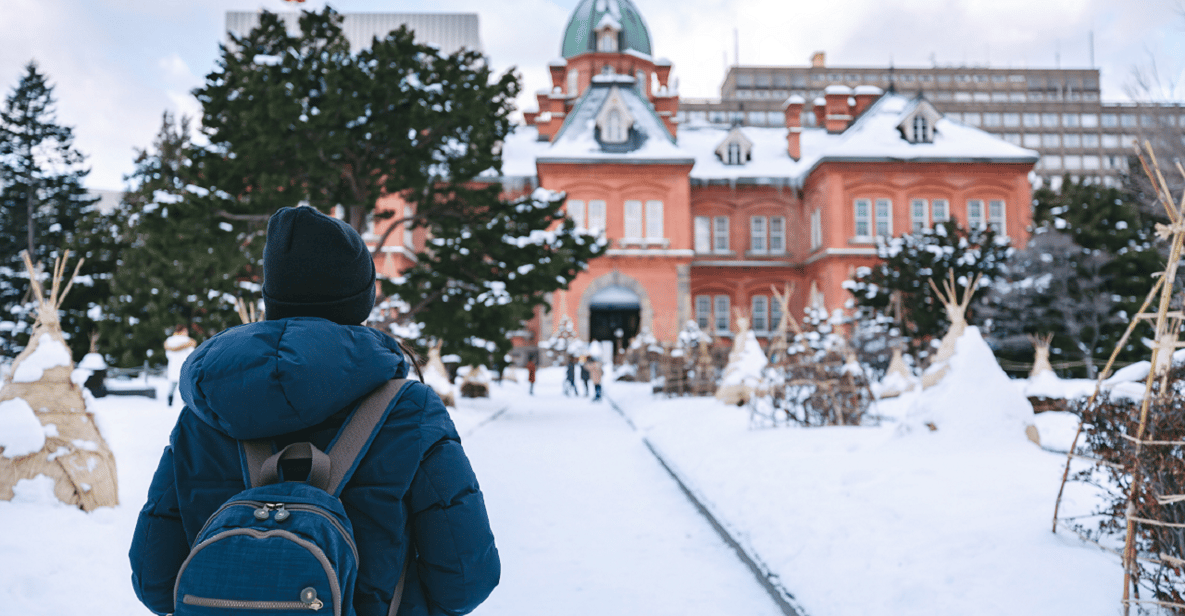
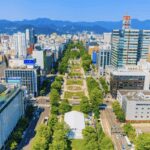
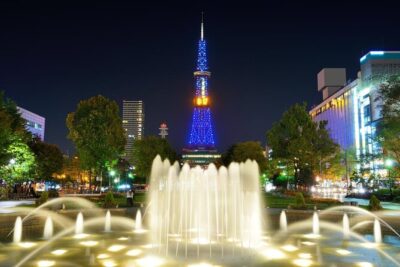
Odori Park is the central open space that helps make Sapporo feel planned and spacious. It cuts across the downtown area and gives you a break from the surrounding streets, shops, and office buildings.
The park looks and feels different with the seasons. In snowy weather, the open space can be especially striking, but cold, wind, and slippery surfaces may slow the group. In warmer months, it provides a calmer stretch between the historic buildings and the tower.
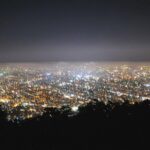
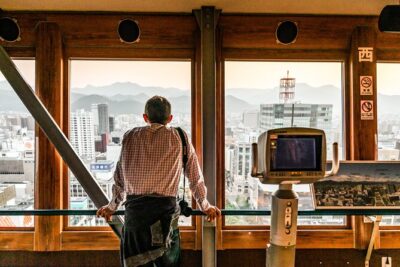
The included Sapporo TV Tower observatory ticket is one of the clearest reasons the $58 price can make sense. You do not only walk past the tower. You go up for a broad view over central Sapporo, which helps you understand the layout you have just been walking through.
The view also gives the tour a satisfying change of pace. Street-level details can blur together during a first visit. From above, Odori Park, the surrounding blocks, and the city’s orderly design become easier to read.
Mary singled out the TV Tower view as a highlight, while Alexander valued seeing the main sights in one coherent morning. I can see why. The tower turns the tour from a list of downtown stops into a basic introduction to how Sapporo is arranged.
Afternoon food and shopping at Tanuki Koji and Nijo Fish Market
The afternoon option adds Tanuki Koji Shopping Street and Nijo Fish Market. These stops are not part of the morning route, so choose your time of day based on what you want from Sapporo.
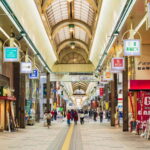
Tanuki Koji is the better fit if you want shops, snacks, and a covered downtown street. It offers a practical look at the commercial side of the city and gives you a place to ask your guide about products, restaurants, or things worth returning to on your own.
Nijo Fish Market brings in a food-focused side of Sapporo. The market stop is especially useful if you want to ask about seafood, local eating habits, or where to spend your own money after the tour. Again, food and drinks are not included.
The afternoon option may suit repeat visitors or anyone who has already seen the Red Brick Office and Clock Tower independently. The morning route is probably better for a first-time orientation, while the afternoon adds more shopping and market time.
Because weather and snow conditions can affect walking routes, do not assume every outdoor stretch will look the same year-round. The guide may use underground walkways instead, which is a safety choice rather than a failure to provide the advertised experience.
Snow, rain, and underground Sapporo

Winter is the season that requires the most preparation. When snow piles up, sidewalks can become narrow, and the tour may move through underground walkways instead of staying outdoors.
That change has both a benefit and a cost. You stay safer and warmer, but you may miss some street-level views and the open feel of Odori Park. If seeing every landmark from the outside is your top priority, ask about likely conditions before booking or be ready for a flexible route.
Bring comfortable shoes in every season. For winter, use warm boots with good traction and dress for extended time outside. For rain, bring your own umbrella and rain shoes if needed. The activity continues in rain or snow when weather permits, so do not book this expecting perfect skies.
The guide’s role becomes more valuable in difficult weather. A local can keep the group moving, explain why the route changed, and help you avoid wasting time on unsafe pavements. Still, the experience is physically active, and you should not treat it as a fully sheltered sightseeing plan.
How the guides shape the experience
The strongest praise centers on the guides’ manner and local perspective. Jessica is described as friendly, clear in English, cheerful, and easy to talk with. Ethan also found her well informed about Sapporo’s past, while Lorraine appreciated that she made the outing enjoyable and handled questions without fuss.
Hiro led Mary’s tour and made a strong impression through explanations of the city’s buildings and the TV Tower view. The available information does not promise a particular guide, so you should not book on the assumption that Jessica or Hiro will definitely lead your date.
What you can reasonably expect is an English-speaking host or greeter from H.I.S. Co Ltd, with a small group capped at eight people. The format favors conversation. Prepare a few questions about restaurants, neighborhoods, local customs, or what to do after the walk.
I would not choose this tour if you want a silent photo walk or a highly specialized architectural study. I would choose it if you want a friendly local contact who can give Sapporo context without making the city feel like a classroom.
Who gets the best value from $58?
The price makes the most sense for a first-time visitor who wants several central sights, an English guide, and the TV Tower admission in one booking. It also works well for solo visitors because the tour runs even with one participant and the group size remains small.
Families and older visitors should think about the walking conditions. The group is small, but the tour still involves outdoor movement, possible snow, and unfamiliar pavement. Anyone with mobility concerns should confirm suitability before booking because the route and meeting point can vary.
Food-focused visitors may prefer the afternoon option, since it includes Tanuki Koji Shopping Street and Nijo Fish Market. History-minded visitors may prefer the morning route, with the Red Brick Office, Clock Tower, Odori Park, and the tower view.
The tour is also a good opening move before exploring alone. You can use the guide’s suggestions to plan later meals and visits, while the first walk gives you a workable mental map of the center.
Free cancellation up to 24 hours before the start and the reserve-now, pay-later option make planning less risky. Those policies do not improve the sightseeing itself, but they help if your Hokkaido schedule is still shifting.
Should you book the Sapporo Walking Tour?
Book it if you want a friendly, compact introduction to central Sapporo, especially on your first day. The strongest reasons are the small group, English conversation, useful local advice, and the included TV Tower observatory visit.
Choose the morning option for the core sights and city history. Choose the afternoon option if shopping and the fish market matter more. Prepare for cold weather, bring proper shoes, and double-check the exact meeting point inside or outside the building.
Skip it if you prefer to explore entirely alone, dislike walking in poor weather, or want food and drinks included. For most first-time visitors who want context without a full-day commitment, $58 is a sensible buy, provided you accept that snow may send part of the route underground.
FAQ
How long does the Sapporo Walking Tour last?
The activity information gives a duration range of three hours to one day, while the walking tour is presented as a three-hour experience. Check the exact option and availability for your chosen date to confirm the start time and duration.
What sights are included?
The route includes Sapporo Station, the Former Hokkaido Government Office Building, a sweets shop such as Kitakaro or Snow Brand Parlor, Sapporo Clock Tower, Odori Park, and Sapporo TV Tower. The afternoon option also includes Tanuki Koji Shopping Street and Nijo Fish Market.
Is the Sapporo TV Tower ticket included?
Yes. Admission to the Sapporo TV Tower observatory is included in the tour price.
Is food included?
No. Food and drinks are not included, and personal expenses not listed in the activity details are also separate.
What happens if it snows or rains?
The tour continues in rain or snow when weather permits. If snow makes sidewalks too narrow or unsafe, the group may use underground walkways instead of walking outdoors. Bring suitable clothing, shoes, and your own umbrella if needed.
How large is the group?
The tour is limited to eight participants. It is also confirmed to operate on scheduled dates even if only one person books.
More Walking Tours in Sapporo
More Sapporo City Tours in Sapporo


More tours in Sapporo we've reviewed



Sapporo City Tours, compared.
 ★ 5.0Sapporo Bar Hopping Food TourFrom $108
 ★ 5.0Sapporo Private Tour with a Local – Highlights & Hidden GemsFrom $109
 ★ 4.9Sapporo: Sumo Show Experience with Japanese food & PhotoFrom $772 hours
 ★ 5.0Mondo’s most popular plan! Experience making soba noodles and the king of Japanese cuisine, tempura, in Sapporo!From $85
 ★ 5.0【Private Car】Asahiyama Zoo, Blue Pond, Shirahige Falls, Ningle Terrace (from Sapporo)From $465
 ★ 4.0Hokkaido Noboribetsu Lake Toya Tour from SapporoFrom $66
 ★ 5.0Sapporo 6hr Private Tour with Government Licensed GuideFrom $155
 ★ 4.6From Sapporo: Hokkaido Highlights Day TripFrom $64
Browse the lists this tour appears in