
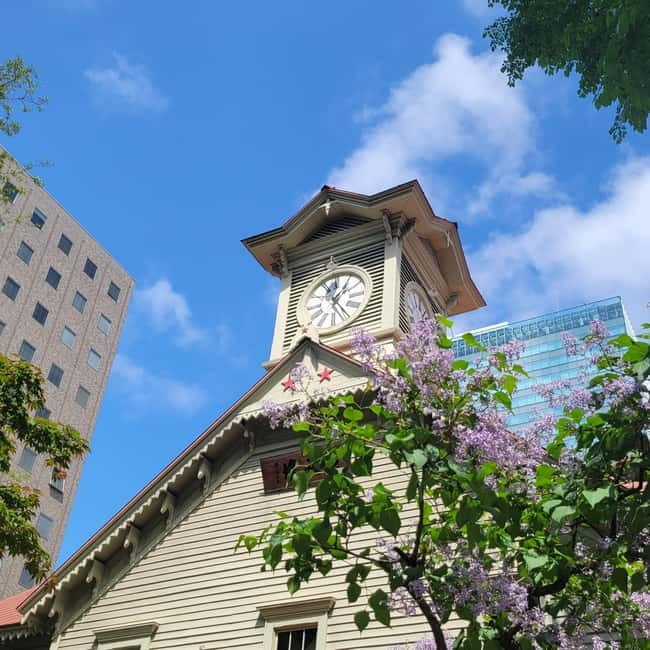
Reviewed · SAPPORO CITY TOURS
Sapporo Highlights: Golden Route Morning Guided Walking Tour
Sapporo’s best introduction may be a short walk that connects its famous sights with the city’s unusual origin story. This 2-hour route moves from the TV Tower to the Clock Tower and the Red Brick Government Building, while your guide explains how Sapporo was planned and built.
I like the small groups of up to eight, which make it easier to ask questions and keep the pace comfortable. I also like that entry to the TV Tower is included, giving you a proper city view rather than just a photo stop from street level.
The main drawback is the weather. You’ll walk about 3.2 kilometers, and Sapporo’s rain, snow, or cold can make the route less pleasant. Comfortable shoes and good rain gear matter here, especially because there is no vehicle transfer between stops.
Key details before you book
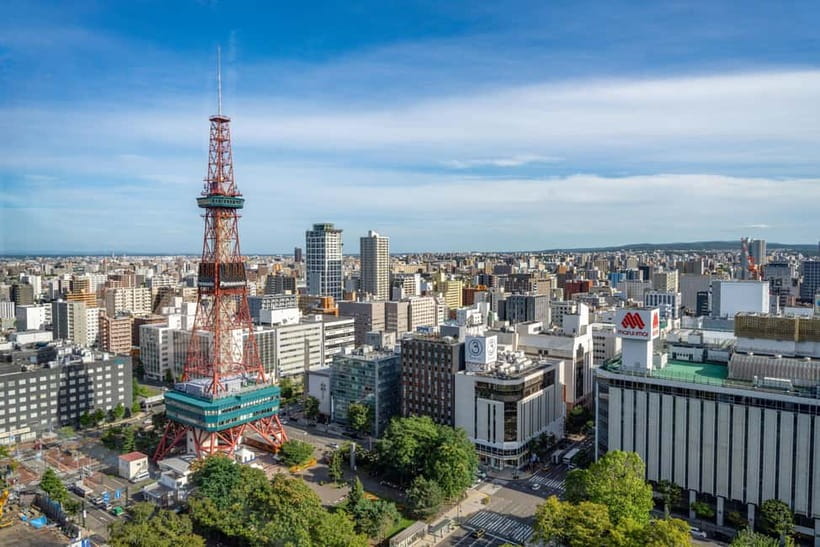
- The route links Sapporo’s essential sights: TV Tower, City Hall, Clock Tower, Kita-1-Jou Dori, Aka-Renga Plaza, and the Red Brick Government Building.
- The TV Tower visit includes entry: You get more than an outside photograph and can take in broad views of central Sapporo.
- Tom and Iku are the named guides: Both are praised for clear English, friendly conversation, local tips, and helpful explanations.
- The group stays intimate: With no more than eight participants, the walk can feel personal, particularly when fewer people book.
- You cover 3.2 kilometers in two hours: This is a city walk, not a slow café stroll. Wear shoes that can handle pavement and changing weather.
- The tour ends near useful downtown sights: The Red Brick Government Building is a practical place to continue sightseeing after noon.
Why this is a smart first morning in Sapporo
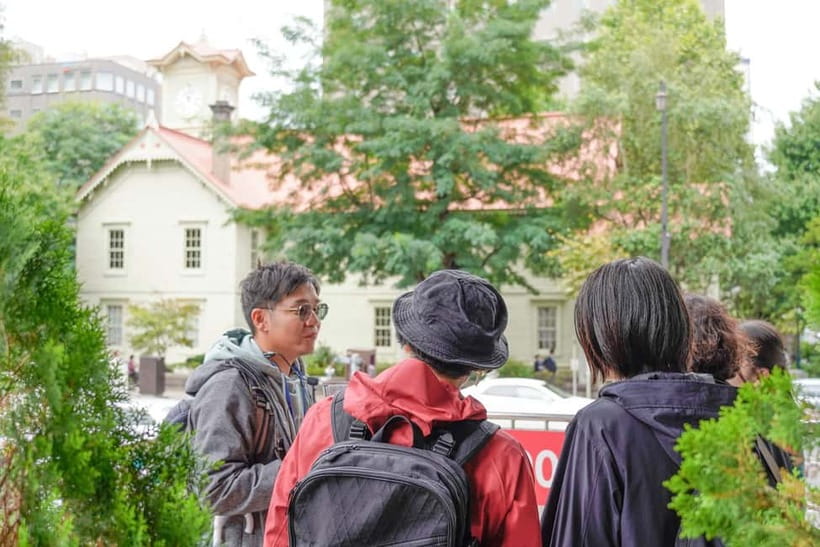
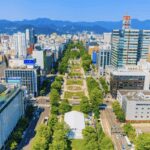
Sapporo can feel spread out when you first arrive. Its broad streets, open blocks, and orderly layout do not immediately tell you where the old city begins or how its major buildings relate to one another.
This walk gives you that basic map. You start at the TV Tower, move through central civic areas, and finish at one of Sapporo’s most recognizable historic buildings. By lunchtime, you should have a clear sense of the city center and a better idea of where to spend the rest of your visit.
The guide adds the part a map cannot. The tour asks how Sapporo became the city its founders imagined around two centuries ago. That question gives the buildings and streets a useful connection instead of treating them as isolated photo stops.
I would book this for your first morning, especially if you want context before visiting museums, shopping streets, or restaurants. It also suits solo visitors and couples who prefer conversation and local explanation over a large group with a flag at the front.
A few more Sapporo tours and experiences worth a look
Meeting beneath the Sapporo TV Tower
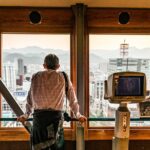
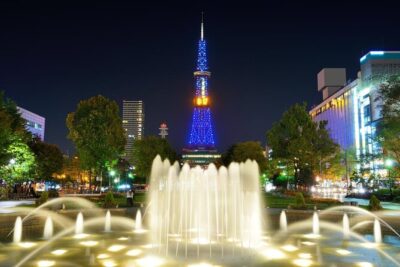
Your meeting point is at ground level beneath the Sapporo TV Tower. Look for the guide holding a board marked KAPPO SAPPORO. The activity starts at 10:00, which leaves you time to reach central Sapporo without beginning at an unpleasantly early hour.
The tower is an easy place to identify, but the meeting instructions are worth following closely. You are not meeting at an unrelated street corner or at the final government building. Go under the tower and find the guide there.
The tour includes TV Tower admission. That is important because the tower visit is not merely an outside introduction. You get a chance to look over Sapporo from above before walking through the streets below.
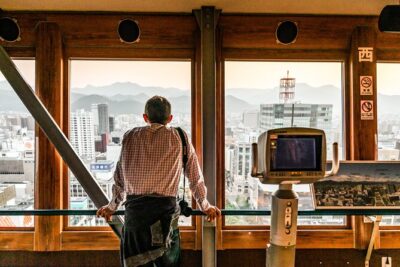
The TV Tower view puts the city in order
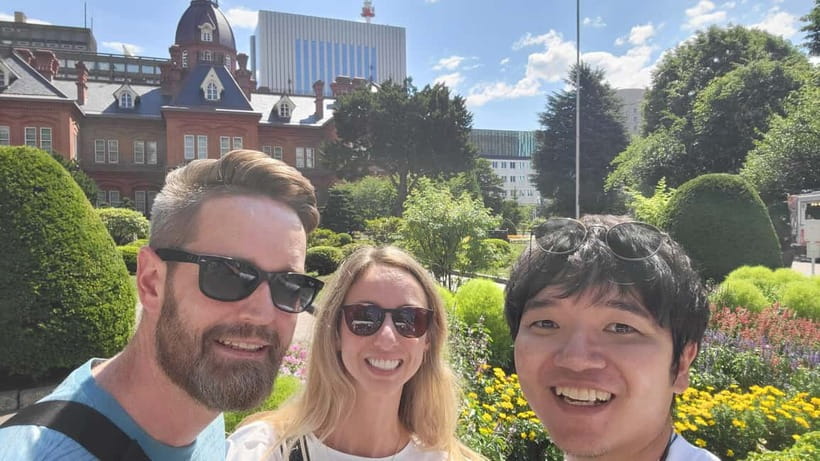
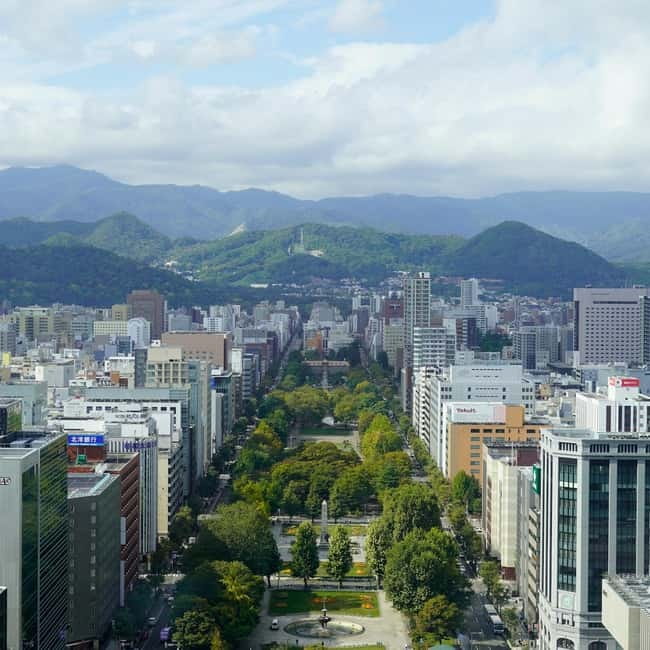
The first stop lasts about 35 minutes, including the guided visit, sightseeing, and time for photographs. From the tower, your guide can help you understand Sapporo’s broad avenues and central blocks in one glance.
This is useful early in a trip. At street level, you see buildings and roads one at a time. From above, the city’s layout becomes easier to grasp, and the later walk has more meaning because you can place the civic center in relation to the surrounding streets.
The tower stop also sets a relaxed tone. You are not rushing straight into a list of monuments. You begin with a view, some orientation, and the chance to ask what you are looking at.
One practical note: the tower entry is included in the $36 price, but the Clock Tower charges about 200 Japanese yen separately. That small extra cost is easy to overlook when comparing tours, though it is not a major addition.
City Hall and the question behind Sapporo’s design
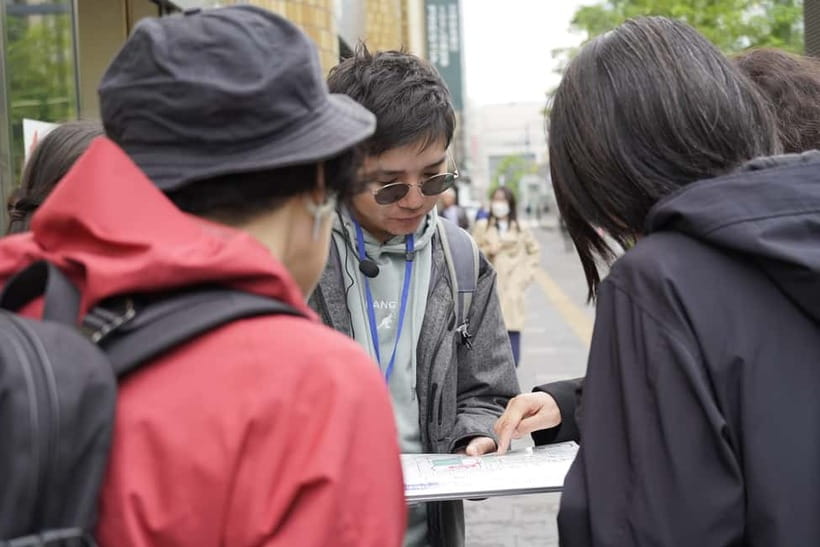
After the tower, you walk for roughly 10 minutes to Sapporo City Hall. The visit lasts about 20 minutes and shifts the focus from views to planning, government, and the city’s intended shape.
The guide uses City Hall to raise a thoughtful question: has Sapporo become what its founders expected two hundred years ago? You are not simply told dates and names. The point is to consider how a planned city grows into a modern capital while keeping traces of its early purpose.
This stop may appeal most if you like places that explain how a city works. Sapporo’s story is not limited to old buildings. Roads, street trees, and the spacing of central blocks also carry clues about its development.
That is one of the stronger features of the walk. You learn to look beyond façades. A street can reveal as much about a city’s past as a landmark, provided someone points out what you are seeing.
The Clock Tower and its quirky past
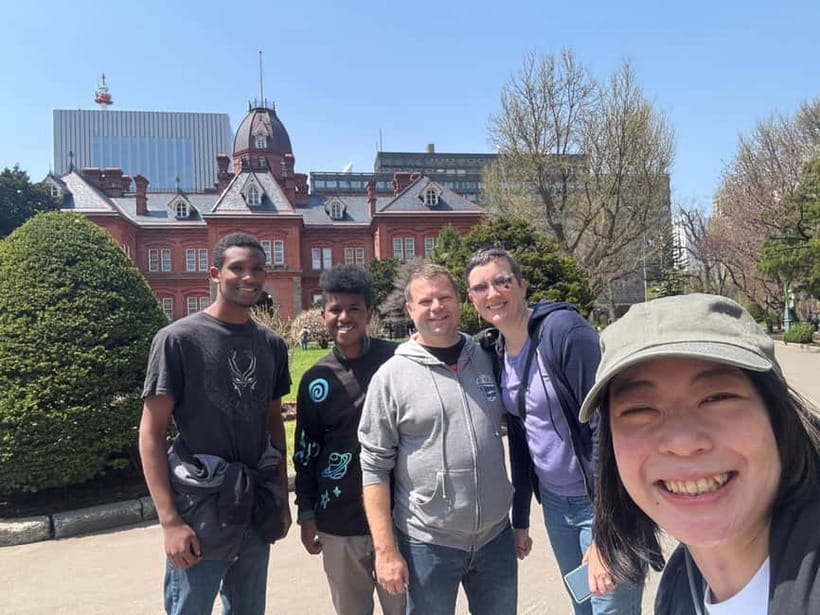
The Sapporo Clock Tower follows after a short walk of about five minutes. You spend around 15 minutes here, with time for a photo stop, a guided visit, and a look at the building from outside.
The Clock Tower is one of Sapporo’s best-known symbols, but the tour presents it as more than a standard postcard stop. Its history has a quirky side, and your guide can explain why this modest wooden building became such an important local icon.
The interior admission is not included, so allow about 200 yen per person if you want to enter. If you are keeping the morning strictly to the included activities, you can still appreciate the exterior and hear the explanation without paying extra.
I would not expect a long museum visit here. Fifteen minutes is enough for a focused introduction, photographs, and a quick look inside if you choose to pay. That short timing keeps the tour moving, but it also means visitors who want detailed exhibits may want to return later on their own.
Other walking tours we've reviewed in Sapporo

Kita-1-Jou Dori shows the city between the monuments
From the Clock Tower, the group walks for about 10 minutes toward Kita-1-Jou Dori. This section lasts roughly 10 minutes and is an important part of the tour because it gives you ordinary city space between the headline sights.
Here, the guide draws attention to roads and street trees as clues to Sapporo’s past. You begin to see that the route is not only a chain of famous buildings. The street itself helps explain the city’s plan and the way its early design still affects daily movement.
This is also where the value of a small group becomes clear. If you have a question about the street layout, a building, or something you noticed from the tower, you can ask without interrupting a crowded procession.
The walk remains moderate rather than strenuous, but you should not treat it like a fully indoor activity. In winter, snow and cold can make 3.2 kilometers feel longer. In rainy weather, the guides still keep the tour engaging, but you will want waterproof footwear and a jacket that covers more than a small umbrella can manage.
Aka-Renga Plaza and the red-brick story
The next section includes a visit and photo stop at Aka-Renga Plaza, with about 15 minutes allocated for the area. The name refers to the red-brick setting, and the plaza helps connect Sapporo’s civic history with its present-day public spaces.
The route then finishes at the Red Brick Government Building, also called the Former Hokkaido Government Office. It is scheduled for around 12:00, after the group has walked from one central district to another.
The building was Hokkaido’s political heart, and the tour uses its bricks to tell stories about the pioneer spirit that shaped the region. That framing makes the final stop feel like a proper finish rather than just another building on a checklist.
You should expect time for photographs and guided sightseeing, but not an extended visit to every room or exhibit. If the building interests you, the end of the tour gives you a convenient opportunity to continue exploring independently.
Ending here is practical. You are no longer at the starting point, so plan your next move before setting out. The route does not return you to the TV Tower, and the tour does not include transportation back.
What Tom and Iku add to the walk
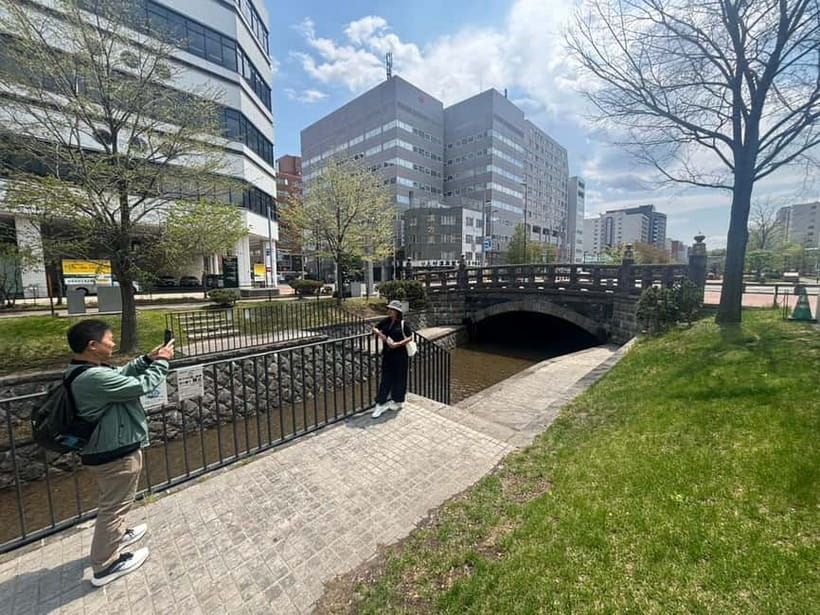
The guides named for this experience are Tom and Iku. Tom is repeatedly praised for his friendly manner, clear English, easy pace, and useful help with directions after the tour. Iku is noted for making rainy days enjoyable, explaining the city clearly, and offering suggestions for restaurants and a sento.
That last detail matters. A good city guide does not just recite information during the official two hours. You can ask for ideas about what to do next, and the guide may help you shape the rest of your day.
Tom has also led very small departures, including one with only a single participant and another with just two people. At that size, the walk can feel almost like exploring with a local friend rather than joining a formal group.
The advertised languages are English and Japanese. If you need English, Tom’s strong English skills are a particular reason to feel comfortable booking, while both guides are described as friendly and easy to approach.
The tour also includes personalized photographs at local spots. Do not expect a professional photography session with a long shoot. Think of it as helpful guidance from someone who knows where to pause and a chance to leave with better memories than hurried phone snapshots.
Price, pace, and the real value of $36
At $36 per person, this is not the cheapest way to see Sapporo’s center. You could walk past several of these places on your own for nothing, and the Clock Tower admission still costs about 200 yen extra.
The value comes from the explanation, the TV Tower entry, and the efficient route. You are paying to understand what you are seeing and to cover several essential sights in one organized morning. For a first visit, that can save time and prevent the city center from becoming a series of disconnected photographs.
The small group also makes the price more reasonable. A group capped at eight gives the guide room to answer questions, adjust the pace, and share local suggestions. When only two or four people book, the experience can feel much more personal without the cost of a private tour.
I would be less enthusiastic about the price if you already know central Sapporo well or prefer to explore entirely alone. For a first morning, though, the combination of a tower view and a local guide gives the tour a fair value.
Who should book this morning walk
This route suits first-time visitors who want a clear introduction to Sapporo without spending half a day on a bus. It also works well for solo visitors, couples, and families who like history explained in plain language.
It is a good match for people who want practical suggestions along with sightseeing. Iku’s restaurant and sento recommendations, and Tom’s willingness to help with directions after the walk, show the sort of useful local contact you can gain from a small-group experience.
The tour can also work for senior family members who walk comfortably. One small group included senior citizens and still found the pace manageable, but the route remains 3.2 kilometers on foot. You should judge your own mobility rather than assume the short duration makes it effortless.
This is not suitable for wheelchair users, people with a cold, or people over 95 years old. Large bags, luggage, bikes, drones, pets, smoking, alcohol, and party groups are not allowed. Assistance dogs are allowed, but ordinary pets are not.
Bring comfortable clothes, sturdy shoes, drinks, and rain gear. A change of clothes is also listed, which makes sense in wet or snowy conditions. Leave heavy luggage at your accommodation because carrying it for two hours will make the walk less enjoyable.
Weather and seasonal planning
Rain does not automatically ruin the experience. Iku kept the route engaging on wet days, and the walking format still lets you see how the streets and buildings fit together.
Still, you should plan honestly. A two-hour outdoor route is more exposed than a museum visit. Sapporo can be cold, and winter clothing, waterproof shoes, and gloves may matter more than the usual sightseeing checklist.
The tour requires a moderate level of fitness. You do not need to be an athlete, but you should be ready to walk between stops, stand for explanations, and manage the full route without a long indoor break.
Free cancellation is available up to 24 hours before the start, and you can reserve now while paying later. Those terms help if your Sapporo plans depend on weather or changing arrival times, but they do not remove the need to check the starting time when you book.
Should you book Sapporo’s Golden Route walk?
Book it if you want a friendly, compact introduction to central Sapporo, especially on your first morning. The TV Tower view, Clock Tower story, red-brick finale, and explanations of the city’s streets give you a useful base for exploring on your own.
Choose it with confidence if you value small groups and conversation. Tom and Iku bring different strengths, but both have been praised for warmth, clear explanations, and helpful local advice.
Skip it if you already know these sights, dislike walking in poor weather, or need a fully accessible route. For most first-time visitors who can manage 3.2 kilometers, $36 is a sensible price for two hours of orientation, history, photographs, and a much clearer sense of Sapporo.
FAQ
How long does the Sapporo Highlights walking tour last?
The tour lasts two hours, beginning at 10:00 and ending at the Red Brick Government Building around 12:00.
How far do you walk?
The route covers about 3.2 kilometers on foot. You should have a moderate level of fitness.
Where does the tour start?
Meet your guide at ground level beneath the Sapporo TV Tower. The guide will hold a board marked KAPPO SAPPORO.
Where does the tour finish?
The tour finishes at the Red Brick Government Building, also known as the Former Hokkaido Government Office.
Is TV Tower admission included?
Yes. Entry to Sapporo TV Tower is included in the tour price.
Is Sapporo Clock Tower admission included?
No. Entry to the Clock Tower costs approximately 200 Japanese yen per person.
What languages are available?
The tour is offered in English and Japanese.
How large is the group?
The tour is limited to eight participants, making it a small-group experience.
Can you cancel for a refund?
You can cancel up to 24 hours in advance for a full refund. You can also reserve now and pay later.
More Guided Tours in Sapporo



More Walking Tours in Sapporo
More Sapporo City Tours in Sapporo


More tours in Sapporo we've reviewed



Sapporo City Tours, compared.
 ★ 5.0Sapporo Bar Hopping Food TourFrom $108
 ★ 5.0Sapporo Private Tour with a Local – Highlights & Hidden GemsFrom $109
 ★ 4.9Sapporo: Sumo Show Experience with Japanese food & PhotoFrom $772 hours
 ★ 5.0Mondo’s most popular plan! Experience making soba noodles and the king of Japanese cuisine, tempura, in Sapporo!From $85
 ★ 5.0【Private Car】Asahiyama Zoo, Blue Pond, Shirahige Falls, Ningle Terrace (from Sapporo)From $465
 ★ 4.0Hokkaido Noboribetsu Lake Toya Tour from SapporoFrom $66
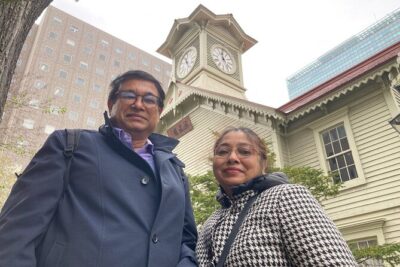 ★ 5.0Sapporo 6hr Private Tour with Government Licensed GuideFrom $155
 ★ 4.6From Sapporo: Hokkaido Highlights Day TripFrom $64
Browse the lists this tour appears in