
Reviewed · SOBA & COOKING CLASSES
Sapporo: All You Can Eat Sukiyaki & Shabu-Shabu Reservation
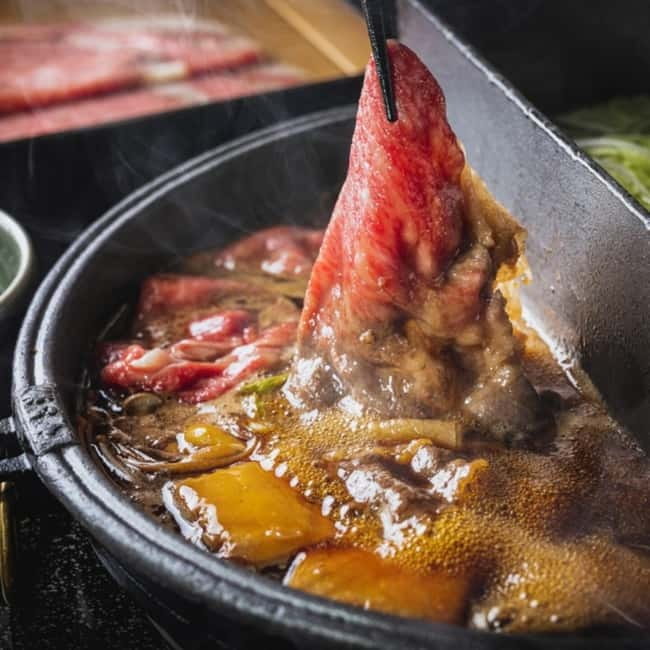
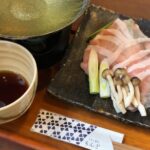
The main event here is the sukishabu, a hot-pot style that combines shabu-shabu and sukiyaki in one meal. You cook thin slices of meat at your table, moving between a light dipping style and a sweeter, richer sauce.
I like the use of Hokkaido beef and Shiretoko pork, which gives the meal a strong local feel, and I like the easy location three minutes from Susukino Station. The spacious dining room also makes this a good pick for families and groups. The drawback is simple: this is a restaurant reservation, not a guided food tour, and drinks cost extra.
Key points
- Sukishabu combines two Japanese hot-pot styles: Use the lighter shabu-shabu approach or the sweeter sukiyaki preparation during the same meal.
- Hokkaido ingredients lead the menu: Courses include Hokkaido beef, Shiretoko pork, vegetables, noodles, rice, and dessert.
- Kuroge Wagyu is available: The Gyūzen and Susukino courses include Japanese Black beef.
- Snow crab and sushi are optional upgrades: The Susukino course includes snow crab, while add-ons can make the meal more lavish.
- The setting is practical: Beef Zen is on the sixth level in Susukino, about a three-minute walk from the subway station.
- The reservation covers a two-hour meal: You enter the restaurant directly, with no guide or escorted meeting.
Beef Zen in Susukino: a hot-pot meal with a local accent
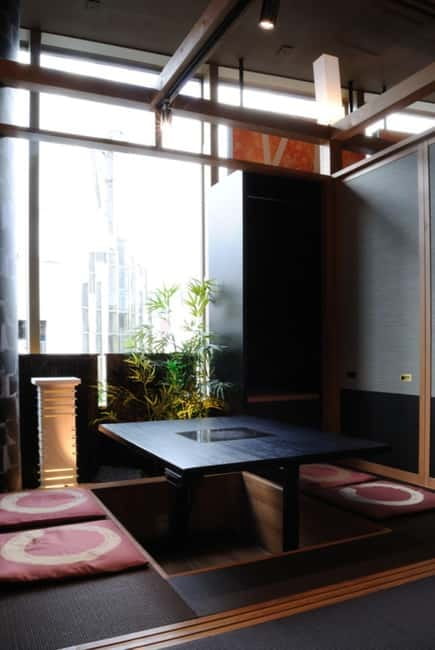
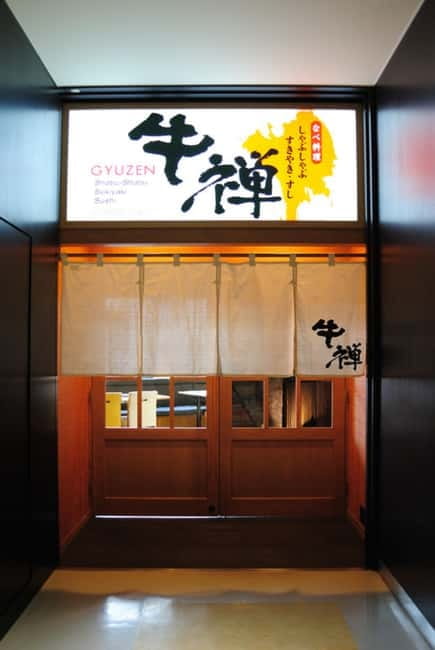
Beef Zen gives you a warm, hands-on Japanese meal rather than a formal restaurant performance. The cooking happens at your table, and the all-you-can-eat format lets you set the pace.
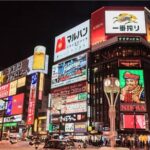
The restaurant sits in Susukino, Sapporo’s main entertainment district, on the sixth level of the building. That matters after a day of sightseeing. You do not need to arrange a long transfer or make your way to an outlying neighborhood. From Susukino Station, the walk is about three minutes.
A recent meal report described the staff as friendly and praised both the meat and seafood. That fits the appeal of this place: the service is meant to help you settle in and eat well, not put on a staged cultural show.
You should enter the restaurant directly at your reservation time. There is no guide, walking tour, or cooking lesson included. Think of this as a booked dining experience with a clear time slot.
A few more Sapporo tours and experiences worth a look
What sukishabu adds to the usual shabu-shabu meal
Shabu-shabu is built around thin slices of meat cooked briefly in hot broth. You pick up a slice, swish it in the pot, and eat it with a dipping sauce. At Beef Zen, the sauces include an original ponzu and a house-made sesame sauce.
Ponzu gives the meat a bright, citrusy edge. The sesame sauce is thicker and more rounded. Moving between them keeps the meal from tasting the same from the first plate to the last.
Sukiyaki takes a different route. The meat simmers in a special in-house sauce, creating a fuller and sweeter taste. If you prefer a strong sauce over a clean broth, this is likely to be your favorite part of the meal.
The unusual option is sukishabu, which brings both styles together. It is useful for a mixed group. One person can favor the light shabu-shabu side, while another can go for the deeper sukiyaki flavor. You are not locked into one way of eating for the whole two hours.
The menu also includes assorted vegetables, udon, ramen, and rice. These are not just filler. They help turn the meal from a meat tasting into a complete dinner, and they give you a way to slow down between servings of beef and pork.
Comparing the three courses at the table
The three named courses offer different levels of luxury. The best choice depends less on how hungry you are and more on what you want to taste.
Sapporo Course
The Sapporo Course is the most straightforward choice. It includes a daily appetizer, all-you-can-eat sukishabu with Hokkaido beef and Shiretoko pork, assorted vegetables, udon, ramen, and rice. You also receive one piece of Wagyu sushi and dessert.
This is the course I would choose if you want local ingredients without making the meal mainly about premium beef. Hokkaido beef gives you a regional taste, while Shiretoko pork adds a different texture and flavor.
The appetizer and dessert add a little structure to the meal. You are not simply ordering meat until you stop. There is a beginning and an ending, with the hot pot as the center.
Gyūzen Course
The Gyūzen Course moves up to Kuroge Wagyu, also called Japanese Black beef. It keeps the Shiretoko pork, vegetables, noodles, rice, appetizer, Wagyu sushi, and dessert.
This is the strongest match for someone who sees the beef as the reason to book. Kuroge Wagyu is known for its high quality, but an all-you-can-eat format can change how you enjoy it. Rather than treating each slice as a tiny, carefully measured serving, you can compare portions and return for more.
At the same time, you should not assume that a premium course automatically suits every appetite. If you are more interested in the hot-pot ritual, sauces, and local pork than in maximizing Wagyu, the Sapporo Course may offer better value.
A few more Sapporo tours and experiences worth a look
Susukino Course
The Susukino Course includes all-you-can-eat shabu-shabu with Kuroge Wagyu, Shiretoko pork, snow crab, vegetables, udon, ramen, and rice. It also includes one piece of Wagyu sushi, a daily appetizer, and dessert.
This is the seafood choice. Snow crab gives the meal a distinctly Hokkaido feel and changes the rhythm of the hot pot. You can move between meat and seafood rather than eating a single type of protein for the entire sitting.
One detail matters here: the Susukino Course is described as shabu-shabu rather than the combined sukishabu style. If you specifically want both shabu-shabu and sukiyaki, check the course details before booking. If crab is the priority, the trade-off may be worthwhile.
Hokkaido beef, Shiretoko pork, and Kuroge Wagyu
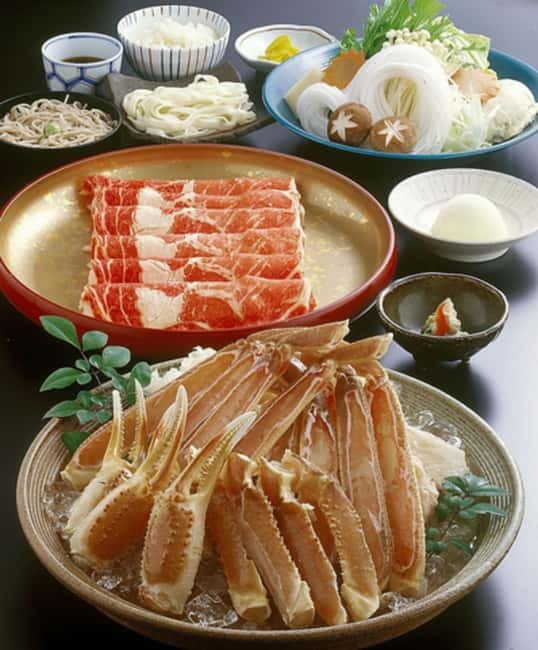
The menu’s strongest feature is its mix of regional and premium ingredients. Hokkaido beef connects the meal to northern Japan, while Shiretoko pork brings in a product from eastern Hokkaido.
Kuroge Wagyu is the premium step up. It appears in the Gyūzen and Susukino courses, so you have two ways to include it. The Gyūzen Course pairs it with sukishabu, while the Susukino Course adds snow crab within a shabu-shabu format.
The Wagyu sushi is a nice small touch. You receive one piece rather than an unlimited sushi selection as part of the standard course. It gives you a taste of beef prepared in a different way, but you should not book this meal expecting a full sushi dinner unless you add the all-you-can-eat sushi option.
The seafood also deserves attention. Snow crab is available through the Susukino Course and as an optional all-you-can-eat add-on. The meal report specifically praised both the meat and seafood, so the Susukino option makes sense if your table has people who want different things.
Optional sushi and snow crab: when the extras make sense
The add-ons turn a substantial hot-pot dinner into a much larger feast. All-you-can-eat sushi suits a group that wants more than cooked meat and noodles. Snow crab is the more regionally focused addition.
I would think carefully before adding both. The standard meal already includes unlimited meat, vegetables, noodles, and rice, along with Wagyu sushi and dessert. Add-ons are most useful when your group has a clear interest in sushi or crab, not simply because more food is available.
The Susukino Course already includes snow crab, so compare that option with the cost of adding crab to another course. The supplied details do not state the exact surcharge for each add-on, so check the current booking screen before deciding.
Drinks are not included except for water. That is easy to overlook when comparing the headline price. A meal built around premium meat and seafood can become more expensive once beverages and extras are added.
Is $49 a fair price for two hours?
At $49 per person, the value depends on how much you plan to eat and which course you select. Two hours is enough time for a relaxed hot-pot meal rather than a rushed sitting.
The all-you-can-eat structure favors people with a good appetite. You can try Hokkaido beef, pork, vegetables, noodles, and rice without ordering each item separately. For a group, this can also make the bill easier to understand than a long menu of individual plates.
The value is less obvious if you eat lightly or mainly want a single Wagyu tasting. In that case, an unlimited format may offer more food than you need. The meal is designed for a full dinner, not a quick snack.
The $49 figure should also be treated as a starting point for comparison. The supplied information identifies that price per person but does not connect it to one specific named course. Check which course is covered, then factor in drinks and any sushi or crab upgrades.
Sales tax and the reservation are included. Personal expenses and beverages are not. The ability to reserve now and pay later may help if your Sapporo schedule is still changing, and cancellation is free up to 24 hours before the reservation time.
The two-hour flow at your table
Your meal begins when you enter Beef Zen directly at the reserved time. There is no guide waiting outside, so keep the restaurant name and location details handy.
The daily appetizer provides a first taste before the hot pot becomes the focus. The exact appetizer is not specified, so you should expect a changing starter rather than one fixed dish.
Next comes the all-you-can-eat portion. You can work through beef, pork, and vegetables, then add udon, ramen, or rice as the meal develops. Because the dining room is described as spacious and relaxed, the setting should suit conversation as well as eating.
The cooking itself gives you control. You can cook meat briefly for a tender bite, let ingredients spend longer in the broth, or shift to the stronger sukiyaki sauce. The sauces help you adjust each bite without changing the main order.
Wagyu sushi is served as one piece. It is a small but memorable contrast to the hot-pot preparation. Dessert closes the meal.
Two hours should be comfortable for this sequence, but the experience is still a timed reservation. If you want an especially long evening, confirm the available starting time and dining conditions before booking.
Who will enjoy this restaurant most?
I would recommend Beef Zen to several kinds of diners:
- Families: The broad menu gives different eaters several options, and the spacious setting is more forgiving than a small counter restaurant.
- Friends: Sukishabu works well when people want to share food and compare sauces.
- First-time Japanese food visitors: The format is easy to understand, and you can try shabu-shabu and sukiyaki without booking separate meals.
- Meat lovers: The Gyūzen Course provides Kuroge Wagyu in an all-you-can-eat setting.
- Seafood fans: The Susukino Course brings in snow crab, with further seafood options available as add-ons.
- Visitors staying around Susukino: The short walk from the subway makes this a practical evening meal.
I would be more cautious if you want a quiet, highly formal dinner or a guided explanation of Japanese food traditions. You will get a restaurant meal, not a lesson in culinary history. The relaxed, modern concept is part of the appeal, but it may not satisfy someone seeking a small, chef-led tasting menu.
Location, access, and practical details
Beef Zen is about three minutes from Susukino Station on the Sapporo Metro. It is on the sixth level of the building, a detail worth remembering because street-level signs may not tell the whole story.
The central location makes it easy to pair with time in Susukino. You can reach the restaurant without a separate excursion, then continue your evening nearby after the two-hour meal.
The dining area is wheelchair accessible. No guide service is provided, and no language support is specified in the available information, so you should not count on a tour-style host or interpreter.
The reservation is for the restaurant only. At the appointed time, go inside rather than waiting at the station or looking for a meeting flag.
My call: book it for a generous Sapporo dinner
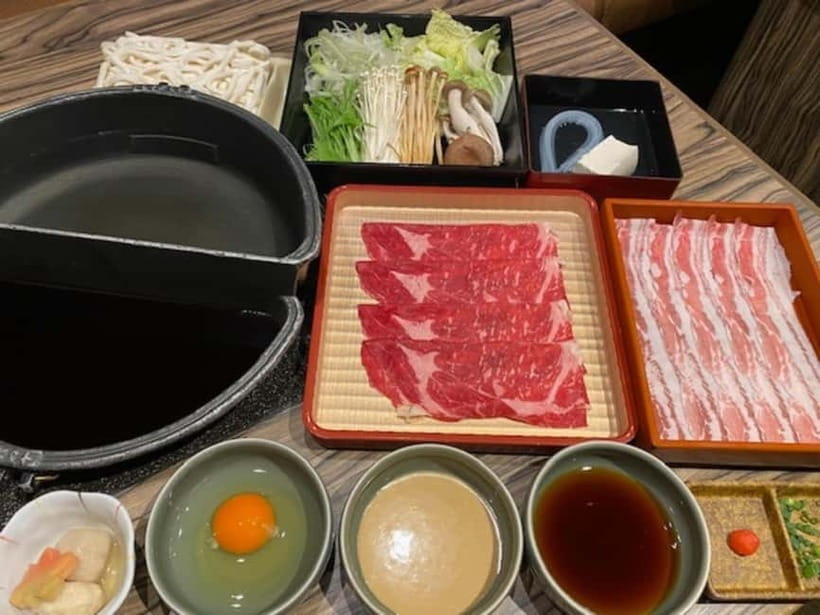
Book Beef Zen if you want a filling Japanese meal with local Hokkaido beef and pork, table-side cooking, and the chance to add Kuroge Wagyu, sushi, or snow crab. The location is convenient, the two-hour format is clear, and the menu gives a group enough choice to keep everyone happy.
Choose the Sapporo Course for local flavor and a sensible balance. Pick Gyūzen when premium beef matters most. Choose Susukino when snow crab is central to your plan and you prefer shabu-shabu.
I would skip the extras unless you know your table wants them. The standard all-you-can-eat meal is already substantial, and drinks are separate. For a relaxed dinner in the middle of Sapporo, though, this reservation offers a practical way to enjoy Japanese hot pot without guessing where to go.
FAQ
Where is Beef Zen located?
Beef Zen is in the Susukino district of Sapporo, about a three-minute walk from Susukino Station on the Sapporo Metro.
How long does the dining experience last?
The reservation provides a two-hour dining experience.
Is this a guided food tour?
No. This is a restaurant reservation only. You enter the restaurant directly at your reservation time, and no guide is provided.
What meat is included?
Depending on the selected course, the meal includes Hokkaido beef, Shiretoko pork, or Kuroge Wagyu, which is Japanese Black beef.
Does the meal include snow crab and sushi?
One piece of Wagyu sushi is included with the listed courses. Snow crab is included in the Susukino Course, and all-you-can-eat sushi and snow crab are also available as optional add-ons.
Are drinks included?
Drinks are not included. Water is the exception.
Is the restaurant wheelchair accessible?
Yes. The activity information states that the restaurant is wheelchair accessible.
More Food Experiences in Sapporo
More Soba & Cooking Classes in Sapporo
More Sapporo City Tours in Sapporo
More tours in Sapporo we've reviewed


Soba & Cooking Classes, compared.
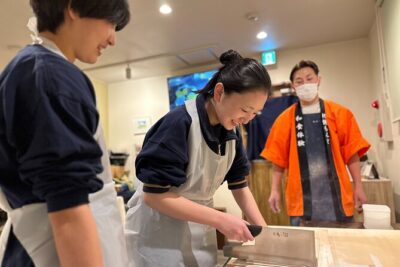 ★ 5.0Popular in SapporoExperience authentic hand-made soba at a real soba shop!From $72
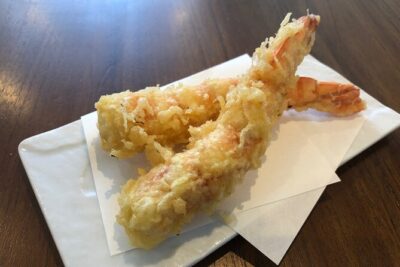 ★ 5.0Mondo’s most popular plan! Experience making soba noodles and the king of Japanese cuisine, tempura, in Sapporo!From $85
 ★ 5.0Wagashi traditional japanese sweets classFrom $59
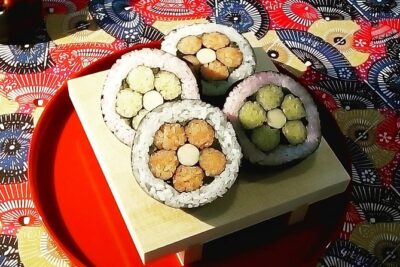 ★ 5.02 hours sushi classFrom $20
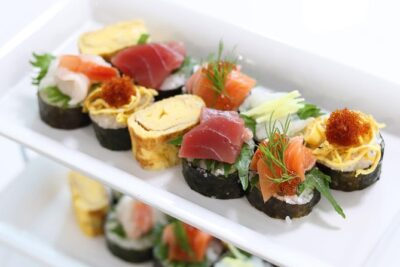 ★ 5.0Private Japanese Cooking Class in Sapporo with Local Chef ShioriFrom $108
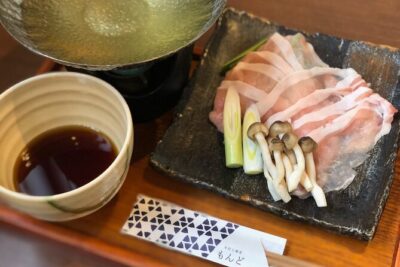 ★ 5.0in Sapporo! Hand-made soba experience and shabu-shabu experience plan of Yezo deer meat (Gibier meat) from HokkaidoFrom $85
 ★ 5.0Private Market Tour and Cooking Class with Kanae, a Sapporo LocalFrom $82
 ★ 5.0Private Japanese Cooking Class in Sapporo with Local Host KanaeFrom $72
Browse the lists this tour appears in