
Reviewed · SOBA & COOKING CLASSES
Top-rated experience Includes soba noodle making and tempura
Hokkaido supplies much of Japan’s buckwheat, and this 90-minute class lets you work with it in a real Sapporo soba shop. You mix the flour, roll the dough, cut each noodle, then eat what you made with tempura prepared by a Japanese cuisine chef.
I like the hands-on work and the chance to learn soba customs, including soba-yu. I also like that the class suits families, with a 10-year-old taking part successfully. The main consideration is timing: this is a focused 90-minute meal and lesson, not a long cooking school.
Key points
- Make every noodle by hand: Mix buckwheat flour, roll the dough, and cut it carefully with guidance.
- Eat your own work: Your freshly made soba is cooked for you, with hot and cold choices available.
- Add proper tempura: A chef with more than 10 years of Japanese cuisine experience prepares the tempura.
- Learn soba customs: The session covers the Edo-period roots of soba, how to eat it, and the custom of soba-yu.
- Easy subway access: Handmade Soba Mondo is a five-minute walk from Miyanosawa Station.
- Private format: The experience is offered for a private group, with at least two adults required.
Turning Hokkaido Buckwheat Into Soba
Soba can look simple when it arrives in a bowl: thin brown noodles, a dipping sauce or broth, perhaps some green onion. Making those noodles by hand shows you how much skill sits behind that simplicity.
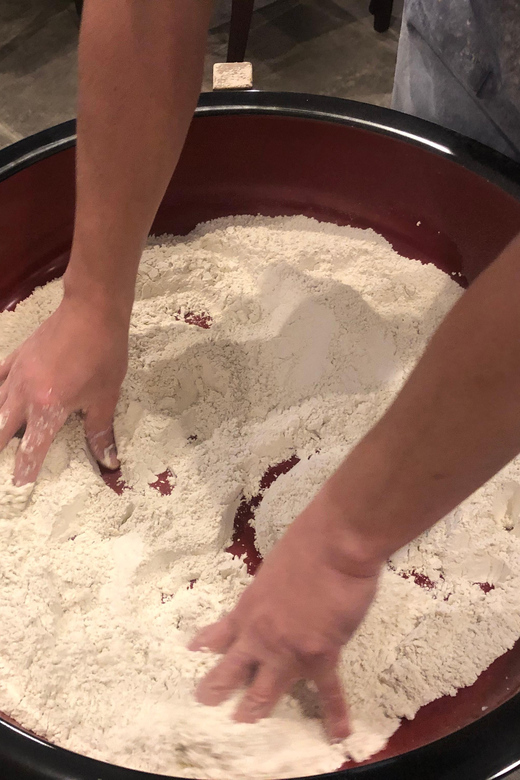
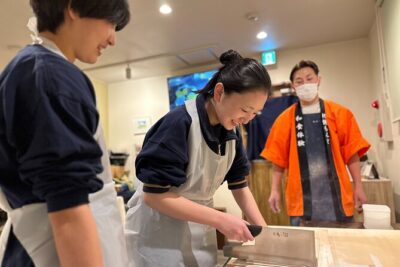
At Handmade Soba Mondo, you begin with buckwheat flour. You mix the dough, roll it out, and cut it into individual noodles. The work sounds easy until you try to keep the dough even and the cuts consistent. That is part of the appeal. You are not just watching an artisan move quickly. You are dealing with the same basic steps yourself.
Hokkaido is Japan’s largest buckwheat-producing region, so this class fits its setting well. The ingredient has a direct local connection, and you get a useful look at one of Japan’s major food traditions. Soba is often grouped with sushi and tempura as one of the country’s best-known traditional foods.
The shop presents its style as a genuine handmade soba experience rather than a tourist performance. That matters because the class is built around the actual process and the meal that follows. You leave with a better sense of why fresh soba has a place in everyday Japanese food culture.
A few more Sapporo tours and experiences worth a look
What Your 90 Minutes Look Like
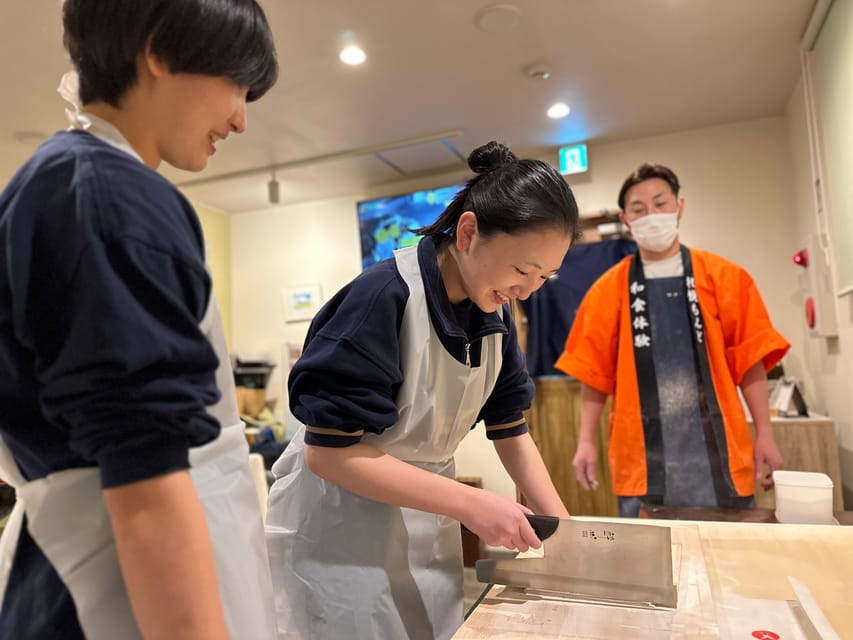
The experience begins and ends at Handmade Soba Mondo, at 9-chōme-17-28 Hassamu 6 Jō in Sapporo’s Nishi-ku. The cooking and meal portion lasts about 75 minutes within the 90-minute booking window, leaving some time for arrival, instruction, and finishing the meal.
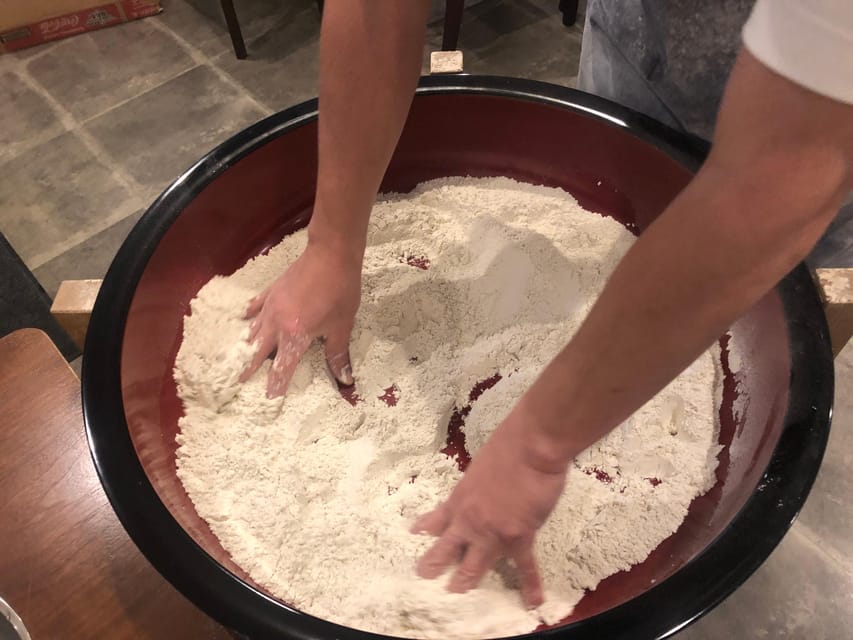
First comes the explanation and preparation. You work with buckwheat flour and learn how to bring it together into dough. The instructor then shows you how to roll the dough into a thin sheet. This is the stage where patience helps. A rushed roll can leave thick spots, and thick spots affect the final texture.
Next comes cutting. You carefully slice the dough into noodles by hand. A Japanese soba artisan can make this look almost effortless, but your first batch may not be perfectly uniform. That is fine. The point is to understand the craft, not to pass a professional kitchen test.
The noodles are then cooked for you. One especially useful part of the class is that you can enjoy them in both hot and cold styles. That gives you more than a single taste. You can compare the feel of freshly made soba in warm broth with the cleaner, firmer character of cold noodles served for dipping.
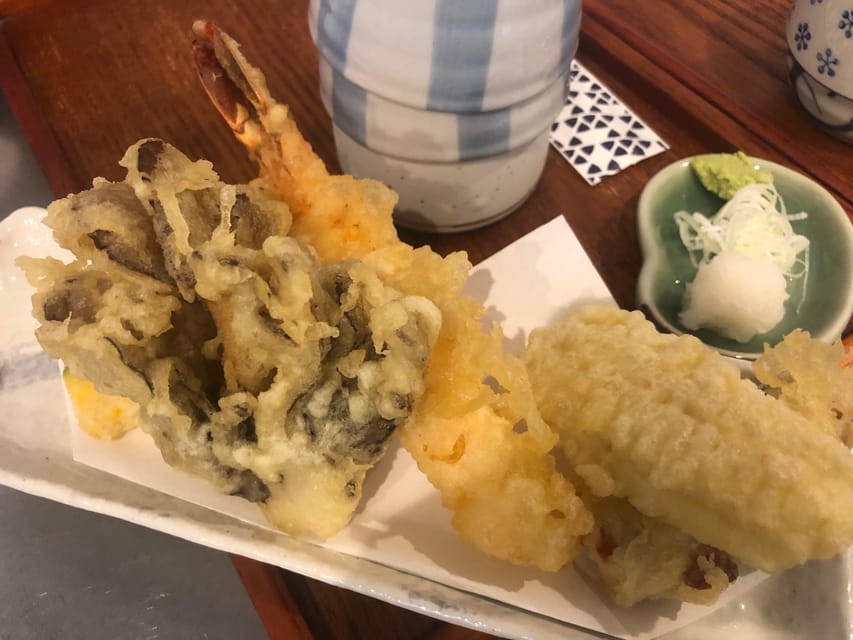
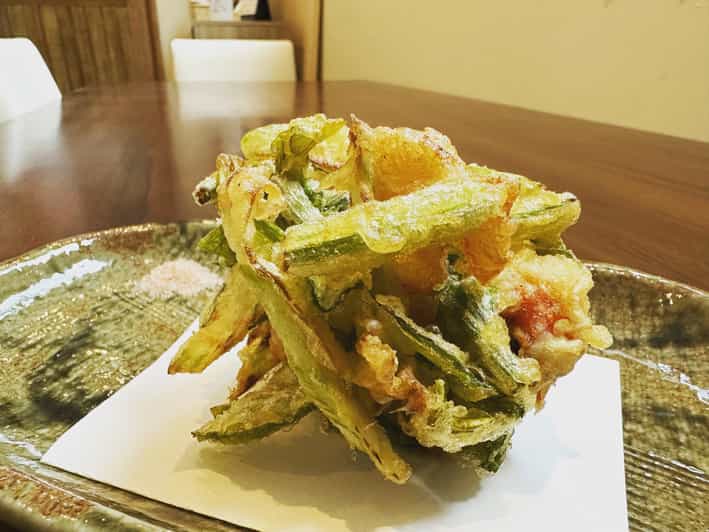
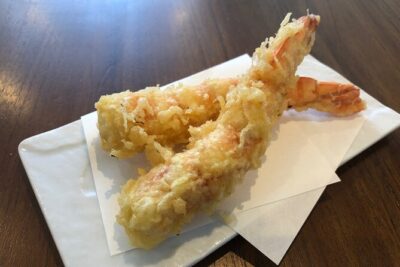
The meal includes tempura prepared by a Japanese cuisine chef with more than 10 years of experience. Tempura and soba are a classic match in Japan, so this is not an extra dish added at random. The crisp coating and savory vegetables or other ingredients, depending on the preparation, work naturally with the noodles and dipping sauce. The supplied details do not specify the exact tempura ingredients, so do not book expecting a particular item.
The final lesson is soba-yu, the hot cooking water left after boiling soba. It is commonly added to the remaining dipping sauce and drunk after the noodles are finished. This small custom is easy to miss in a restaurant, but here it becomes part of the lesson. You finish not only with a full meal, but with a better understanding of how the meal is normally enjoyed.
Why Making the Noodles Matters
A restaurant bowl gives you the result. This class gives you the chain of steps behind it.
When you mix the buckwheat and roll the dough, you see that handmade soba is sensitive to touch and timing. Cutting the noodles yourself also makes you notice thickness and shape in a way you probably would not at a normal meal. Even if your noodles look a little uneven, they become more meaningful once they are cooked and placed in front of you.
That personal connection is the strongest reason to book. You eat the soba you prepared, which gives the session a clear payoff. The class does not leave you standing around after a demonstration, wondering what happened to the food.
The experience also explains soba as part of Japanese culture dating back to the Edo period, beginning in the 1600s. The lesson is not only about ingredients and technique. It links the food to a long-running dining tradition and shows how customs such as eating tempura with soba and drinking soba-yu fit together.
You should still keep your expectations sensible. The available information does not promise a detailed lecture, a market visit, or a tour of the kitchen. This is a practical food class with cultural context, not an all-day culinary program.
Tempura Gives the Meal Its Second Half
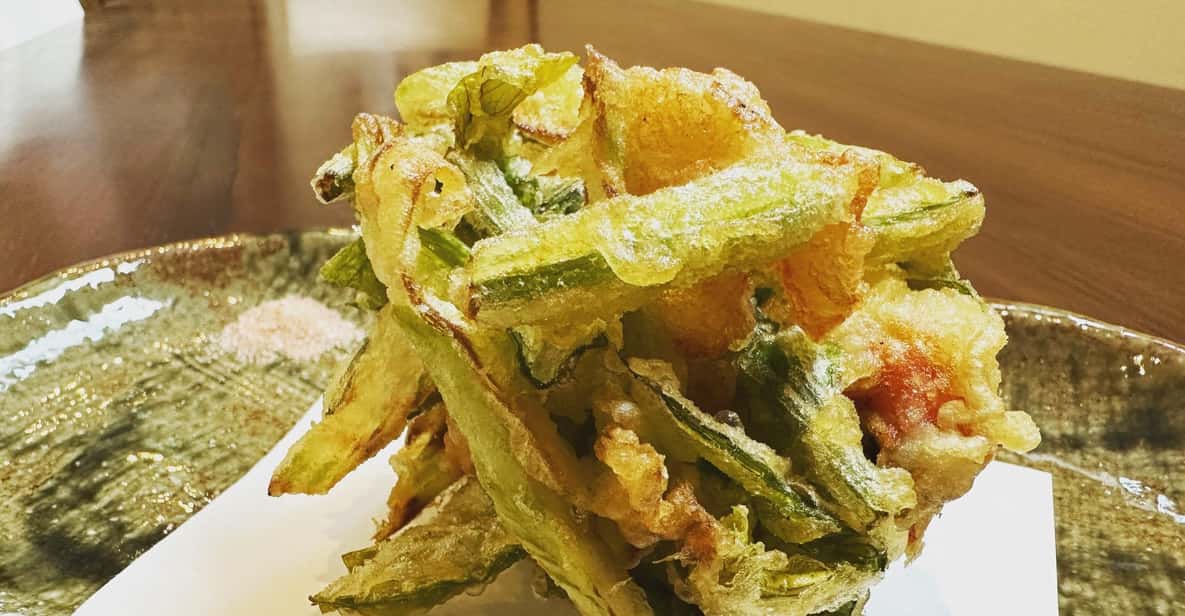
Soba can be a light meal on its own. Tempura makes it more filling and gives you a useful comparison of textures.
The noodles are soft but springy when properly cooked. Tempura brings crunch and richness. Eating the two together helps explain why the pairing is so common in Japan. You get the clean taste of buckwheat, the salty dipping sauce or broth, and the crisp fried coating in the same meal.
The chef preparing the tempura has more than 10 years of Japanese cuisine experience. That is a meaningful detail because tempura depends on timing and temperature. Still, the experience centers on soba making, so you should not treat it as a dedicated tempura workshop. You watch and eat the tempura, but your own hands-on work is with the noodles.
The portion is intended to be a normal lunch or dinner. Arrive ready to eat. The class is not simply a small tasting, and the combination of handmade noodles and tempura should count as a proper meal for most people.
A Good Choice for Families and First-Time Food Classes
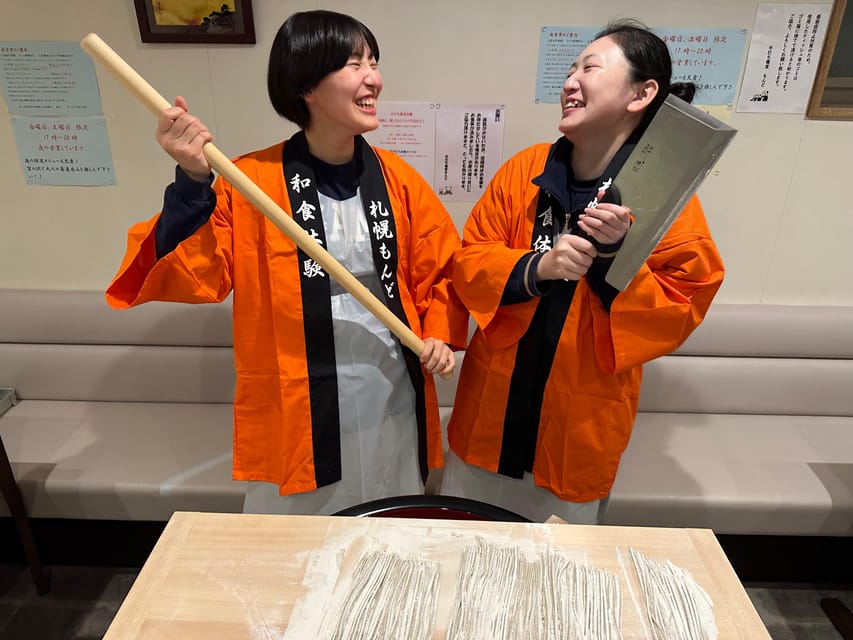
This class has a friendly learning curve. One 10-year-old participant was able to take part fully and follow the instructions, which makes the activity a reasonable option for families with older children. The review of that visit also points to careful explanations and hot and cold noodle options, useful details when different people have different tastes.
Taku Sensee is named as a patient instructor who explains the soba process step by step. That is important here. Rolling and cutting noodles can seem intimidating if the teacher simply works at professional speed. A patient demonstration makes the difference between an enjoyable task and a frustrating one.
The private-group format should also appeal to families, couples, or friends who prefer not to work alongside a large class. The minimum is two adults. The provided details do not state a maximum group size, so ask before booking if your party is large.
English and Japanese instruction are available. The experience is not advertised as English-only, so you should expect some language flexibility rather than a long formal lecture in English. The practical nature of the class helps: watching the movements and copying them is part of the lesson.

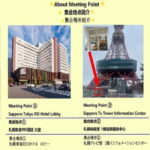
Sapporo Location and Getting There
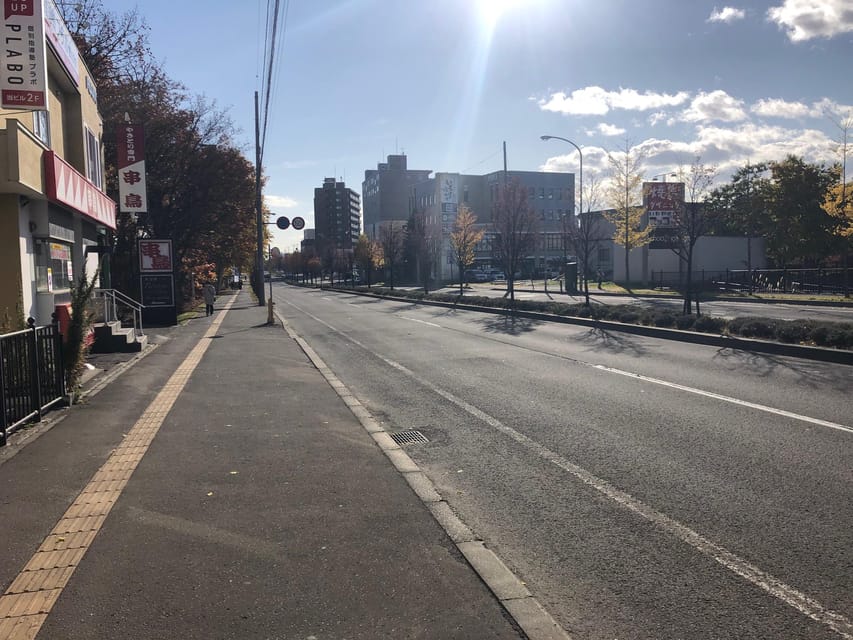
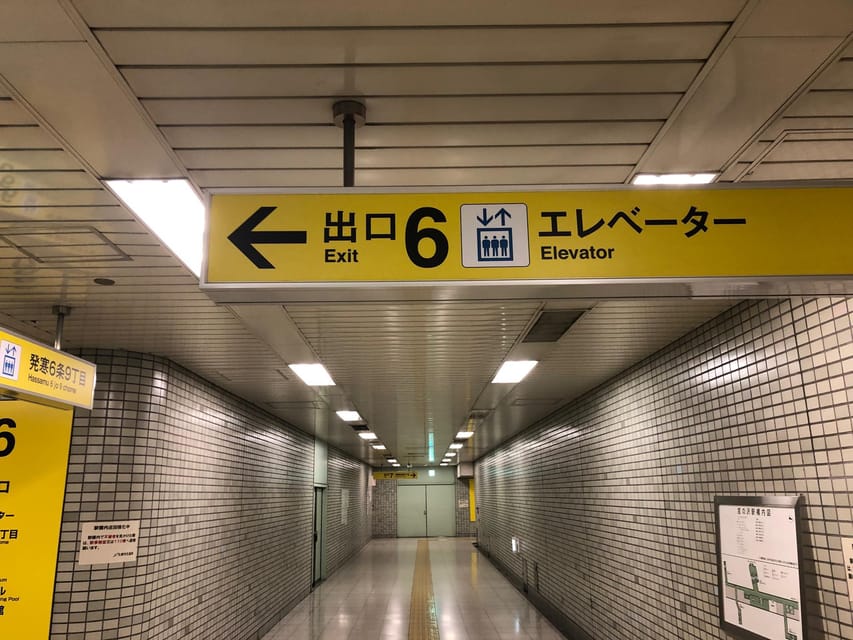
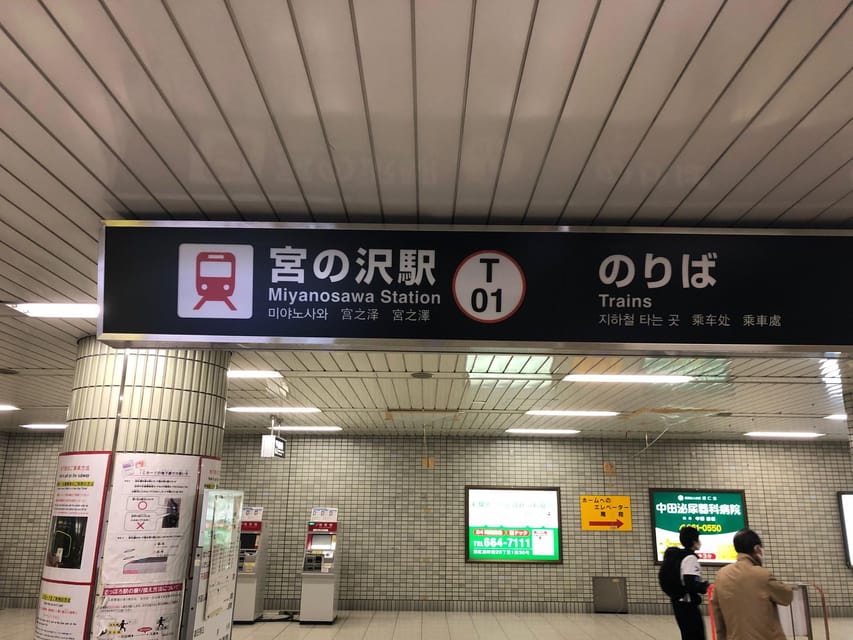
Handmade Soba Mondo is in Hassamu 6 Jō, in western Sapporo. The easiest stated access is the Sapporo Subway Tozai Line to Miyanosawa Station, followed by a five-minute walk from Exit 6.
That makes the class fairly easy to fit into a Sapporo day, especially if you are already using the subway. Check your route and allow enough time to find the shop. The meeting point is the restaurant itself, identified as 手打ち蕎麦もんど.
Four parking spaces are available in front of the shop. That is useful if you have a rental car, though the number is limited. If you are driving, do not assume a space will be free. Subway access is the safer plan when your schedule allows it.
The venue is a working soba shop, not a purpose-built visitor center. That is part of the charm, but it also means you should come ready for a practical restaurant setting. Bring no equipment. Everything needed for the class is provided.
Is $83 a Fair Price?
At $83 per person, this costs more than ordering a bowl of soba. The value comes from combining a private food lesson, the meal, tempura, cultural explanation, and the chance to eat noodles you made yourself.
I would consider the price reasonable if you want an activity rather than another restaurant stop. You get a clear sequence: learn, make, cook, eat, and understand the customs around the food. The 90-minute length also keeps the commitment manageable in a busy Sapporo schedule.
The value is weaker if your main goal is simply to eat excellent soba at the lowest possible price. A standard restaurant meal will cost less and take less time. You are paying for access to the process and for instruction, not only for the ingredients.
The private-group setting may also justify the cost for people who want a more personal experience. The provided information does not state how many people can join one booking, so check the final group arrangements before comparing the price with a large shared cooking class.
Cancellation is flexible enough for most itineraries: you can cancel up to 24 hours in advance for a full refund, and you can reserve while paying later. Starting times depend on availability.
Small Details That Improve the Visit
Come hungry, but not so hungry that you rush through the instructions. The meal is meant to be a normal lunch or dinner, and the cooking work is part of the fun.
Wear something comfortable for handling flour and dough. The shop provides all required materials, so you do not need to carry special tools or ingredients. The available information does not specify an apron or clothing policy, so avoid your most delicate outfit.
Listen closely during the cutting stage. That is where small differences in pressure and spacing affect the noodles. If Taku Sensee is leading your class, use the step-by-step guidance rather than trying to copy the speed of a professional soba maker.
Try both hot and cold preparations if they are offered during your session. The comparison helps you understand the food better than sticking to the style you already know. Save room for soba-yu at the end, since it is one of the customs that makes this more than a basic cooking lesson.
The overall rating is 4.3 from eight reviews, with several five-star ratings praising the hands-on format, friendly teaching, family suitability, and tempura. That is a small sample, so I would treat it as encouraging rather than decisive. The consistent strengths are clear: patient instruction, active participation, and a meal that rewards your effort.
Who Should Book This Soba Class?
I would point this experience toward several kinds of visitors:
- Food-focused visitors who want to understand a Japanese dish rather than only photograph it.
- Families with older children who can follow step-by-step instructions and enjoy hands-on work.
- Couples and small private groups looking for a shared activity with a meal at the end.
- First-time visitors to Japan who want a practical introduction to soba customs.
- Repeat Japan visitors who have eaten soba many times but have never made it.
It is less suited to someone looking for a long professional cooking course, a broad tour of Hokkaido cuisine, or a large menu of dishes to prepare. The focus is narrow and clear: handmade soba, tempura, and the customs around eating them.
Should You Book Handmade Soba Mondo?
Book it if you want to spend part of your Sapporo visit doing something with your hands. The strongest feature is the full connection between effort and reward: you mix the buckwheat, roll and cut the dough, then eat the finished noodles with tempura.
The class also works well for families, thanks to its patient instruction and private format. The five-minute walk from Miyanosawa Station keeps the logistics simple, and 90 minutes is short enough to fit around other plans.
Skip it if you only want a cheap bowl of noodles or if you expect a long, advanced culinary course. At $83, the price makes sense for the teaching and personal setting, not for the meal alone.
For a food-minded day in Sapporo, this is a practical, good-value way to meet one of Japan’s oldest everyday foods at the source, with a warm meal waiting at the end.
FAQ
How long does the soba-making experience last?
The full experience lasts 90 minutes. The cooking class and meal portion is listed as about 75 minutes.
Where does the experience take place?
It takes place at Handmade Soba Mondo, also written as 手打ち蕎麦もんど, at 9-chōme-17-28 Hassamu 6 Jō, Nishi-ku, Sapporo.
How do I reach Handmade Soba Mondo?
The shop is a five-minute walk from Exit 6 of Miyanosawa Station on the Sapporo Subway Tozai Line.
What will I make during the class?
You will mix buckwheat flour, roll out the dough, and cut the soba noodles by hand.
Is tempura included?
Yes. Tempura prepared by a Japanese cuisine chef is included with the buckwheat noodle-making and tasting experience.
Can I eat the soba hot or cold?
The experience includes freshly cooked soba, with hot and cold choices available according to the supplied details.
What languages are available?
Instruction is available in English and Japanese.
Is this a private experience?
Yes. The activity is offered as a private group experience, and it requires at least two adults.
More Soba & Cooking Classes in Sapporo
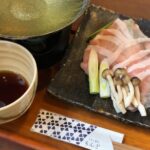
More tours in Sapporo we've reviewed



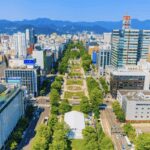

Soba & Cooking Classes, compared.
 ★ 5.0Popular in SapporoExperience authentic hand-made soba at a real soba shop!From $72
 ★ 5.0Mondo’s most popular plan! Experience making soba noodles and the king of Japanese cuisine, tempura, in Sapporo!From $85
 ★ 5.0Wagashi traditional japanese sweets classFrom $59
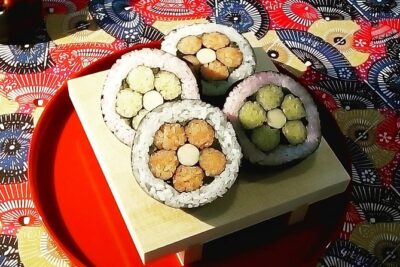 ★ 5.02 hours sushi classFrom $20
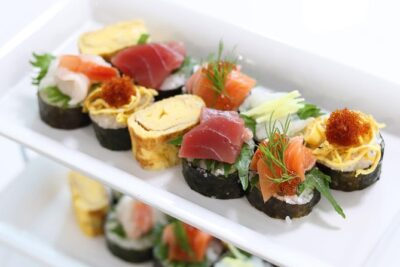 ★ 5.0Private Japanese Cooking Class in Sapporo with Local Chef ShioriFrom $108
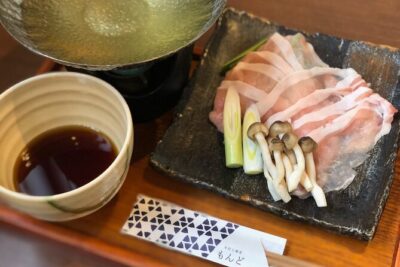 ★ 5.0in Sapporo! Hand-made soba experience and shabu-shabu experience plan of Yezo deer meat (Gibier meat) from HokkaidoFrom $85
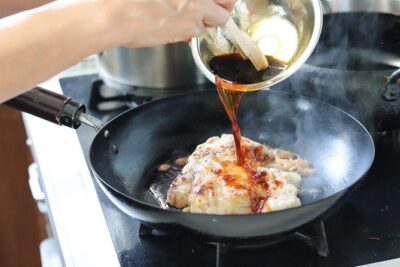 ★ 5.0Private Market Tour and Cooking Class with Kanae, a Sapporo LocalFrom $82
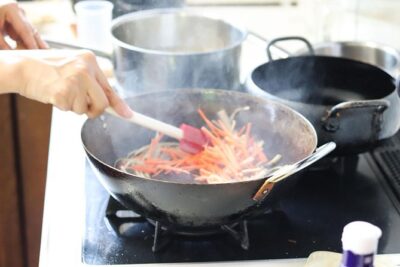 ★ 5.0Private Japanese Cooking Class in Sapporo with Local Host KanaeFrom $72
Browse the lists this tour appears in