
Reviewed · SAPPORO
Calligraph Name in Japanese and Dress in Kimono
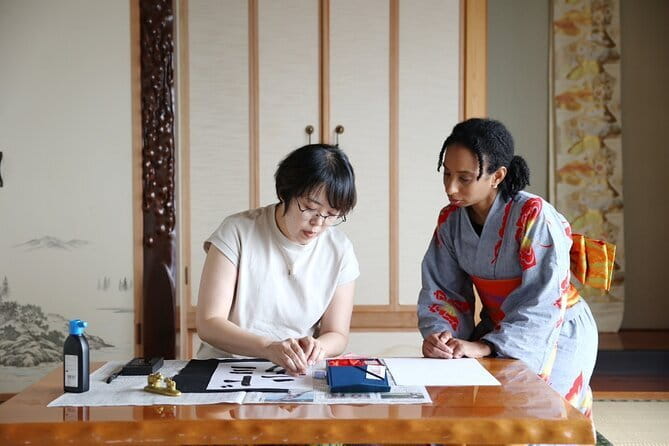
The most memorable part of this Sapporo activity is the pairing of kimono dressing and Japanese calligraphy. You do not simply watch a demonstration. You sit in a traditional tatami room, learn how to hold the brush, practice basic strokes, and write Japanese characters prepared in advance for your name.
I like the calm, hands-on teaching and the fact that you take your finished calligraphy home. I also like the family-friendly setup, including children’s kimonos for ages 0 to 7 and optional photographs taken by Erika. The main thing to consider is the location: you meet in Higashi Ward rather than at a central Sapporo sightseeing site, and private transportation is not included.
Key points at a glance
- Your name is prepared in Japanese: The organizers confirm names in advance and prepare the corresponding Japanese writing for the lesson.
- A private tatami-room setting: Only your group participates, which allows the instruction to stay personal and unhurried.
- Kimono is part of the activity: You can dress in traditional clothing before practicing calligraphy.
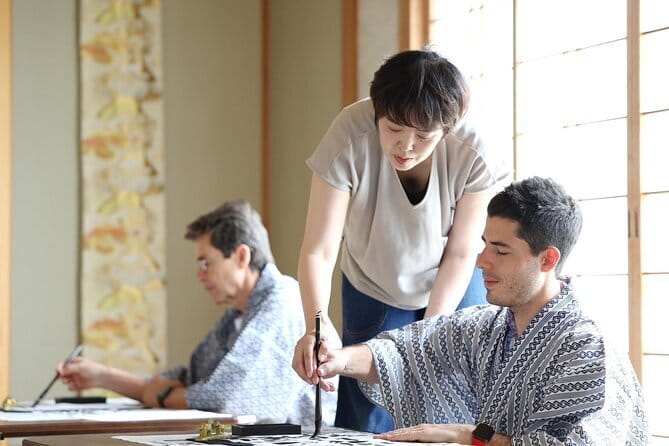
- Erika guides your brush by hand: This practical help makes the first strokes easier for beginners.
- Children can take part: Kimonos are available for children ages 0 to 7, even if they do not do the calligraphy lesson.
- You leave with a keepsake: Your calligraphy work is yours to take home, along with optional photos of the session.
A quiet cultural activity in Sapporo
This is a small-scale activity built around two Japanese traditions. First comes the visual change of putting on a kimono. Then the pace slows as you sit on tatami and work with brush, ink, and paper.
That contrast is part of the appeal. Sapporo has plenty of food, shopping, and outdoor activities, but this gives you a quieter hour or two. You are not rushing between sights or trying to photograph a landmark from a crowded sidewalk. You are learning a simple skill with direct guidance.
The activity lasts about two hours. That is enough time for dressing, instruction, practice, and photographs without turning the session into a full-day commitment. It also fits neatly into a Sapporo itinerary, especially if you want a cultural activity that does not require a long trip outside the city.
The meeting point is at 16 Chome-1 Kita 34 Johigashi in Higashi Ward, Sapporo, postal code 007-0834. The activity ends at the same place. Pickup is offered, but private transportation is not included, so confirm the exact pickup arrangements before you go rather than assuming a door-to-door ride.
A few more Sapporo tours and experiences worth a look
What happens before the brush touches paper
The session begins with kimono dressing. The clothing gives the activity a ceremonial feel, but it is also useful for photographs and helps separate this lesson from an ordinary craft class.
The available information does not specify how many kimono styles, colors, or accessories you can choose from. Do not expect a fashion consultation or a museum-quality costume presentation based on the description alone. Instead, think of the kimono as an important part of the cultural setting and the photos you may take home.
Children ages 0 to 7 can wear a kimono. This is particularly useful for families with very young children, since a child can participate in the dressing and photo side even if sitting through a calligraphy lesson is too much. If a child cannot take the calligraphy trial lesson, the kimono option remains available.
You should provide each participant’s age and gender when asking about the children’s clothing. That allows the provider to check what is suitable before the visit. Since the organizers confirm names in advance, send names carefully and check how you want them represented in Japanese.
Learning the first calligraphy strokes
The calligraphy lesson starts with posture. Erika guides you into a calm, correct sitting position, then explains how to hold the brush and how to draw a basic line.
That may sound simple, but it is the right place to begin. Japanese calligraphy depends on pressure, movement, and control. A brush does not behave like a ballpoint pen, so the first lesson is less about producing a perfect character and more about learning how the tool responds.
You practice from a prepared model. This gives you something concrete to follow instead of asking you to invent a character from memory. Erika can also move your hand and brush together, helping you feel the direction and pressure of a stroke. For a first-time student, that physical guidance can make the lesson far less frustrating.
The teaching includes the form of the character, not just the order of the brush movements. That matters because calligraphy is visual as well as mechanical. You are learning to create a recognizable shape while keeping the brushwork controlled.
The pace should suit beginners, since the description focuses on basic technique and guided practice. Still, calligraphy takes patience. Your first attempt may be uneven, and that is normal. The value here is the chance to try an unfamiliar art with someone correcting your posture and movement in real time.
Writing your name in Japanese
A special detail of this activity is the advance preparation of names in Japanese. The organizers confirm everyone’s names and prepare the Japanese writing before the session.
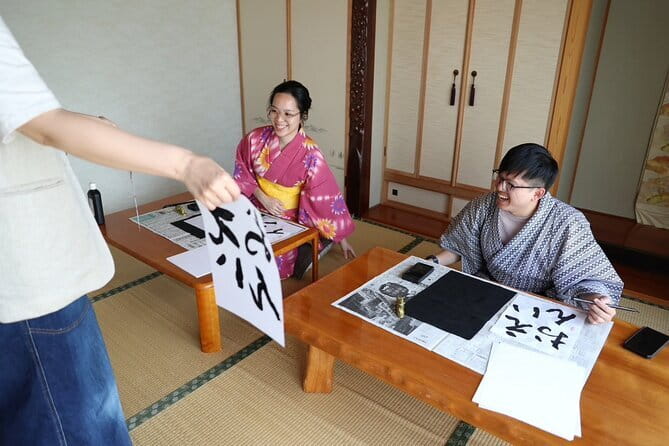
For you, this means the lesson has a personal result. You are not copying a random decorative symbol selected from a standard menu. You work toward writing your own name in Japanese, with the teacher explaining the character form.
The information does not specify whether every name is rendered in kanji, hiragana, katakana, or another form. Ask ahead if that choice matters to you. It is also sensible to check the spelling of each name during the advance confirmation process.
This part suits families and couples particularly well. Each person can create an individual piece, and the finished sheets make more meaningful souvenirs than a generic souvenir-shop purchase. You may also find that the name preparation gives you a useful first look at how Japanese writing represents foreign names.
Photos, snacks, and the finished keepsake
Erika takes photos if you want them. The best opportunity is likely while you are wearing the kimono and working with the brush, though the exact photo arrangements are not specified. If you want pictures of the full group, children, or the finished calligraphy, say so during the session.
This is a practical benefit for families. Handling a brush and posing in traditional clothing is not always easy at the same time, so having the instructor take photos can save you from trying to set up a phone or camera during the activity.
Snacks are included. The details of the snacks are not provided, so do not book this as a meal or expect a formal tea ceremony. Treat them as a small extra during a relaxed cultural lesson.
The most important included item is the use of calligraphy tools. You do not need to bring your own brush or ink. Your finished work can be taken home as a souvenir, giving the activity a clear ending and a physical reminder of the time spent learning.




Why the private format matters
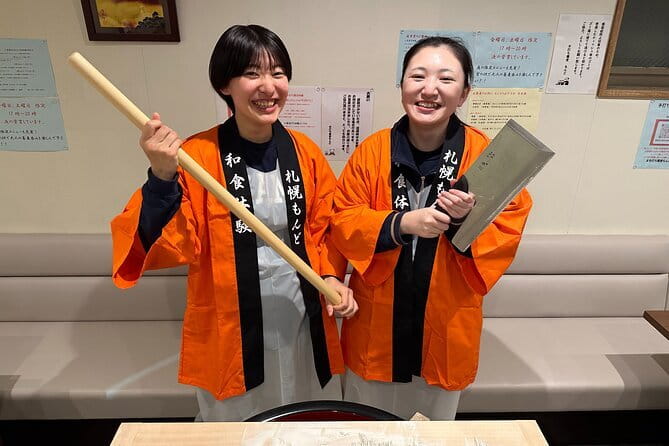
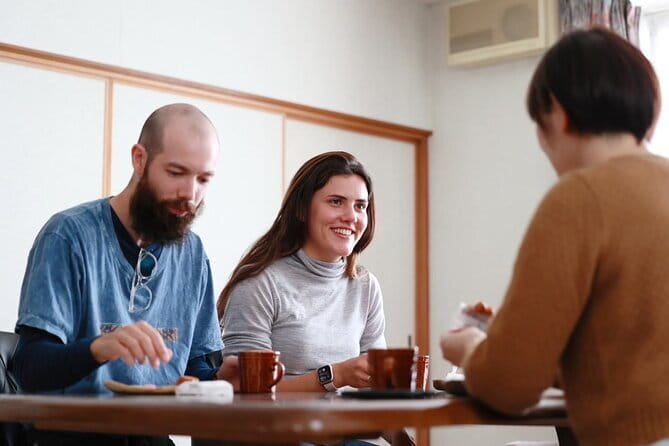
This is a private activity, so only your group participates. That changes the feel considerably. You do not need to compare your work with a room full of strangers, and the instructor can focus on your posture, brush grip, and character form.
A private format is especially helpful when the group includes children or people with different confidence levels. One person may want several attempts, while another may mainly want the kimono and photos. The provider says the schedule is flexible, so you can contact them about a time that works for you.
The tradeoff is that a private session depends on advance coordination. Confirmation is sent within 48 hours of booking, subject to availability. Since this is not a large scheduled class with many daily departures listed here, contact the provider if your preferred time is important.
The private setting also makes this less suitable if you want a lively group lesson or a broad lecture on Japanese culture. The focus is direct practice, personal instruction, and a souvenir you make yourself.
Is $42.82 a fair price?
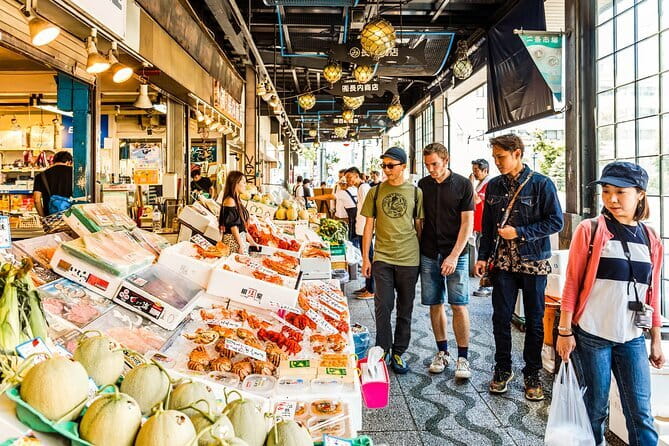
At $42.82 per person, the price is reasonable if you value personal attention and a tangible keepsake. You are paying for about two hours, kimono dressing, instruction, use of the calligraphy tools, snacks, the prepared Japanese name, and the option of photographs.
The value is strongest for a small private group. A family can share the setting while each person has an individual result. Children can join the kimono portion even if they are too young for the writing lesson, which helps the price feel more flexible.
The price is less compelling if you only want to wear a kimono for a quick photo. In that case, the calligraphy lesson may be more time and structure than you need. It also does not include private transportation, so add the cost and time of reaching Higashi Ward if you are staying elsewhere in Sapporo.
This activity is booked about 35 days in advance on average. That suggests you should not leave it until the last minute, especially if you need a specific date or have children who require suitable kimono sizes. Early booking also gives you time to confirm the Japanese spelling of everyone’s names.
Who will enjoy this most
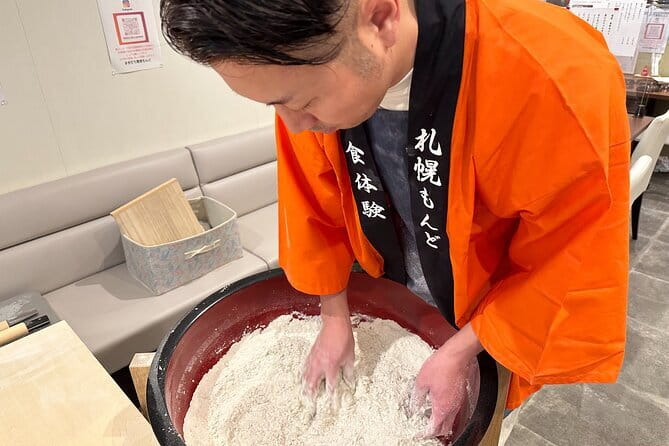
I would recommend this for families, couples, first-time visitors who want a cultural activity, and anyone who prefers making something over simply viewing a display. The combination of clothing, guided practice, and a take-home piece gives the session several layers without requiring previous artistic skill.
Families receive extra value from the children’s kimono option. A young child can be included in the photos and dressing even without completing the calligraphy. The positive family experience depends on the children’s patience, of course, but the format allows them to participate in more than one way.
It also suits people who want a quieter break in Sapporo. The tatami room and careful brushwork create a slower activity than shopping or sightseeing. You should be comfortable following instruction, sitting for practice, and accepting that handmade work will not look perfect on the first try.
I would think twice if you need a fully central meeting point, require included transportation, or want a longer historical talk about kimono and calligraphy. Those elements are not described as part of the session.
Practical planning for the Sapporo visit
The activity is near public transportation, which is useful because the meeting point is in Higashi Ward. The listing also says pickup is offered, but it separately notes that private transportation is not included. Confirm what pickup means for your booking, including the location, timing, and any extra cost if applicable.
The start and end point are the same. Plan to leave enough time to reach 16 Chome-1 Kita 34 Johigashi before the appointment, since dressing and name preparation work best when the session is not rushed.
The activity is described as suitable for most people. No special skill level is required, and the teacher covers posture, brush holding, basic lines, and character form from the beginning. If someone in your group has a specific mobility concern, ask the provider in advance, since the activity takes place in a tatami room and the provided information does not describe accessibility arrangements.
You can cancel for a full refund if you do so at least 24 hours before the local start time. Changes or cancellations made less than 24 hours ahead are not accepted for a refund. Keep that deadline in mind when planning around Sapporo weather or a changing family schedule.
Should you book this kimono and calligraphy session?
Book it if you want a personal, hands-on cultural activity with a finished souvenir. The strongest reasons are the private format, Erika’s direct brush guidance, the prepared Japanese version of your name, and the chance for families to include very young children in kimono dressing.
It is a good choice for a two-hour gap in your Sapporo schedule, but check the transport details and the children’s clothing arrangements before paying. If you want a central city attraction, a full meal, or a formal cultural lecture, this is not that kind of outing.
For families, couples, and curious beginners, the $42.82 price buys more than a costume photo. You learn a basic skill, create something personal, and leave with a small piece of your Sapporo visit in your own handwriting.
FAQ
Where does the activity take place?
The meeting point is 16 Chome-1 Kita 34 Johigashi, Higashi Ward, Sapporo, Hokkaido 007-0834, Japan.
Where does the activity end?
The activity ends back at the meeting point.
How long does the experience last?
The experience lasts approximately two hours.
Is transportation included?
Private transportation is not included. Pickup is offered, so contact the provider to confirm the arrangements for your booking.
Is this a private activity?
Yes. Only your group participates.
Are calligraphy supplies provided?
Yes. The tools used for Japanese calligraphy are loaned for the activity.
Can children wear a kimono?
Yes. Kimonos are available for children ages 0 to 7. A child can wear a kimono even if they do not take the calligraphy trial lesson.
Can I cancel for a full refund?
Yes. You can receive a full refund if you cancel at least 24 hours before the experience start time. Cancellations or changes made less than 24 hours before the start time are not accepted for a refund.
More Sumo & Culture Shows in Sapporo
More tours in Sapporo we've reviewed







Sapporo, compared.
 ★ 5.0Sapporo Bar Hopping Food TourFrom $108
 ★ 4.7Hokkaido Seasonal: Lake Toya & Noboribetsu Jigokudani ValleyFrom $551 day
 ★ 5.0Sapporo Private Tour with a Local – Highlights & Hidden GemsFrom $109
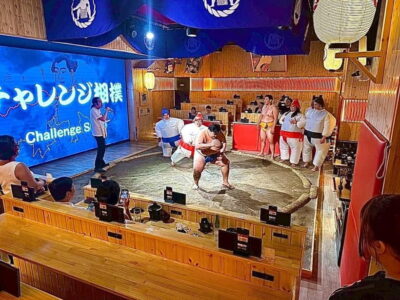 ★ 4.9Sapporo: Sumo Show Experience with Japanese food & PhotoFrom $772 hours
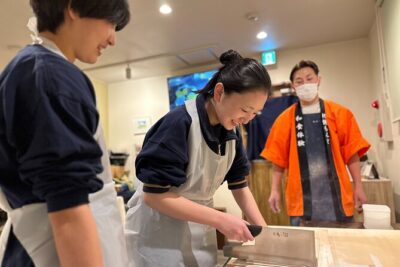 ★ 5.0Popular in SapporoExperience authentic hand-made soba at a real soba shop!From $72
 ★ 5.0Mondo’s most popular plan! Experience making soba noodles and the king of Japanese cuisine, tempura, in Sapporo!From $85
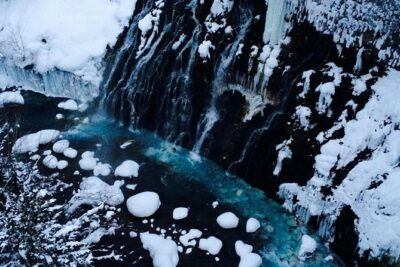 ★ 5.0【Private Car】Asahiyama Zoo, Blue Pond, Shirahige Falls, Ningle Terrace (from Sapporo)From $465
 ★ 4.0Hokkaido Noboribetsu Lake Toya Tour from SapporoFrom $66