
Reviewed · SOBA & COOKING CLASSES
Wagashi traditional japanese sweets class
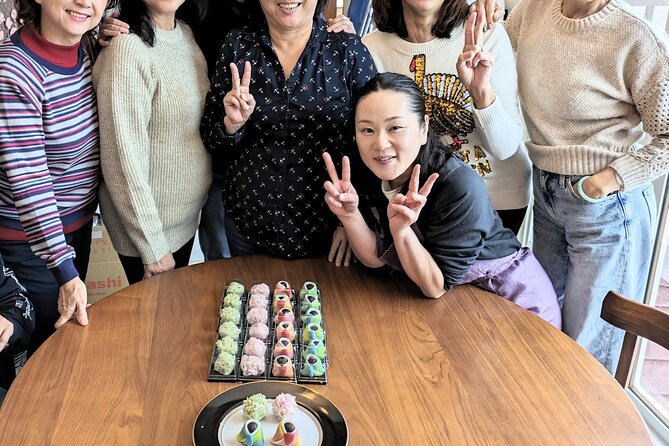
The most appealing part of this Sapporo class is the setting: you leave the city center and learn to make nerikiri wagashi in Yuki’s own home. This is not a quick demonstration followed by a rushed tasting. You shape the sweets yourself, hear about their place in Japanese life, and enjoy tea and conversation along the way.
I like two things here. First, the class gives you a real cultural activity rather than another sightseeing stop. Second, Yuki handles the small details well, from station pickup to written English instructions and local restaurant suggestions. The main consideration is the location. Makomanai is outside central Sapporo, so you need to allow time to reach the meeting point and return afterward.
Key points to know before booking
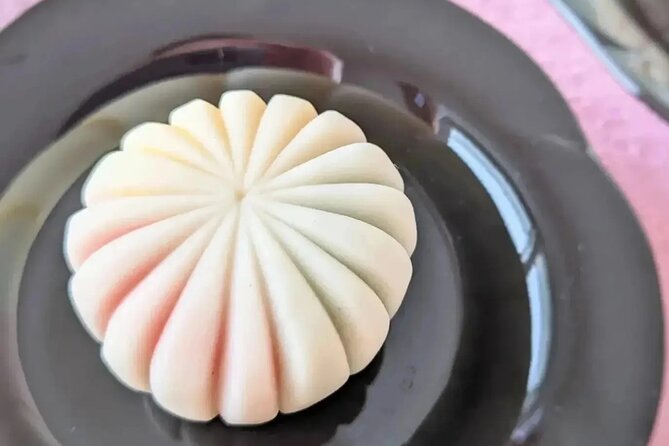
- Make delicate nerikiri sweets: Learn the careful shaping techniques used for one of Japan’s prettiest traditional confections.
- Meet Yuki in her home: The class offers a personal look at Japanese daily life, with tea, conversation, and a warm home setting.
- Start at Makomanai Station: Pickup is offered from the meeting point, and the activity finishes back there.
- Enjoy a quiet side of Sapporo: The home is away from the busy center, with mountain and riverside scenery in the surrounding area.
- Small-group format: The class accepts a maximum of 12 people, though the hands-on nature works especially well for smaller groups.
- Plan for about two hours: You have enough time to learn, make, taste, and pack your sweets without turning the class into a full-day commitment.
Why wagashi is worth your time in Sapporo
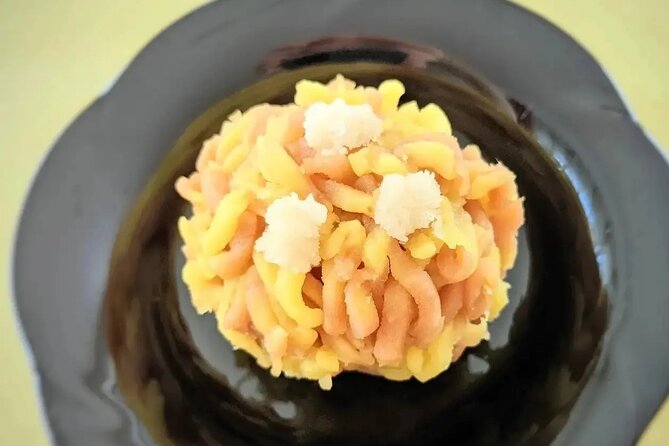
Wagashi means traditional Japanese sweets, but that simple translation misses much of the point. These confections are designed to reflect the seasons through color, shape, and presentation. Their sweetness is generally restrained, and the appearance matters almost as much as the taste.
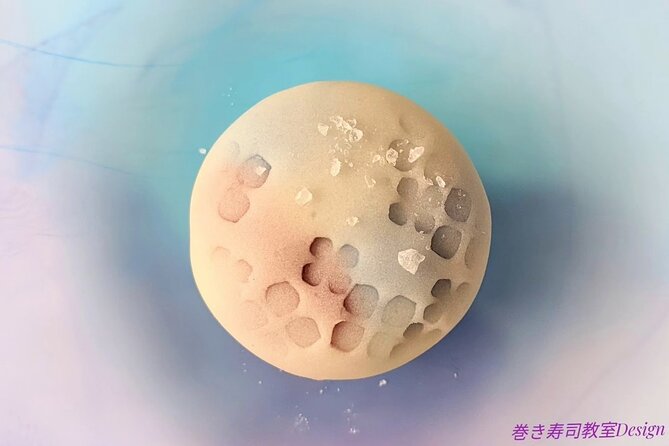
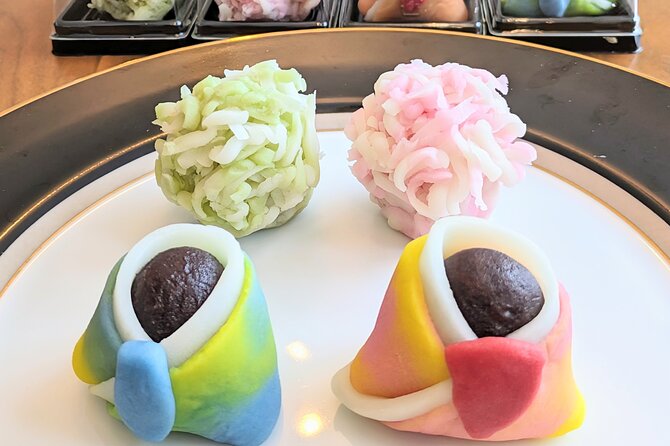
The class focuses on nerikiri, a soft confection made from sweet bean paste and other prepared ingredients. It is shaped by hand into flowers and other seasonal forms. The work looks easy when an experienced maker does it. Once you try it, you quickly see why patience and a light touch matter.
I like this activity because it gives you a better sense of how Japanese food can carry meaning beyond flavor. You are not simply preparing dessert. You are learning why a sweet might be shaped like a flower, why certain colors suit a season, and why careful presentation is part of the pleasure.
This also makes the class a good choice if you have already visited Sapporo’s main sights. After the clock tower, markets, shopping streets, and food stops, two quiet hours with a piece of bean paste in your hands can feel like a useful change of pace.
A few more Sapporo tours and experiences worth a look

Meeting Yuki near Makomanai Station
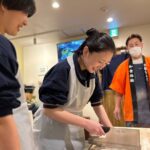
The meeting point is Makomanai Station in Sapporo’s Minami Ward. Pickup is offered, and Yuki has collected participants at the station before driving them to her home. You should still follow the exact meeting instructions supplied after booking, since the activity begins at the station rather than at a central hotel.
Makomanai is a practical starting point for an experience based in the southern part of Sapporo. It also helps explain the character of the class. You are moving away from the city center into a quieter area, not simply walking into a shop near the usual tourist routes.
The ride to the home can be part of the appeal. The surrounding area includes mountain scenery, and the house has been described as being close to a beautiful river. Treat this as a pleasant feature of the setting rather than a separate sightseeing tour. The focus remains the wagashi class.
The distance is the one logistical drawback. If your Sapporo plans are tightly packed, the trip to Makomanai and back will take more effort than a class near Odori or Susukino. I would schedule this on a morning or afternoon when you can leave room around it.
A home visit with tea and local conversation
Yuki welcomes you into her home, where the atmosphere is more personal than you would get in a commercial cooking studio. Several participants have enjoyed being able to see how a local Japanese person lives, and that is an important part of the experience.
The class begins with hospitality and conversation. Hot matcha has been served in Japanese teacups, giving you a calm introduction before the hands-on work starts. A cat may also be part of the household welcome, although you should not book this as a guaranteed animal encounter.
Yuki also shares suggestions for Sapporo. These have included cafes and restaurants away from the main tourist areas. That kind of advice can be useful because it turns the class into more than a fixed activity. You leave with ideas for the rest of your day, not just a box of sweets.
English communication is a strong practical point. Yuki provides clear spoken instruction, and written English instructions have also been available to take home. Her patient teaching style is particularly useful because wagashi shaping involves small movements that are easier to understand when someone demonstrates them slowly.
What you actually do during the two-hour class
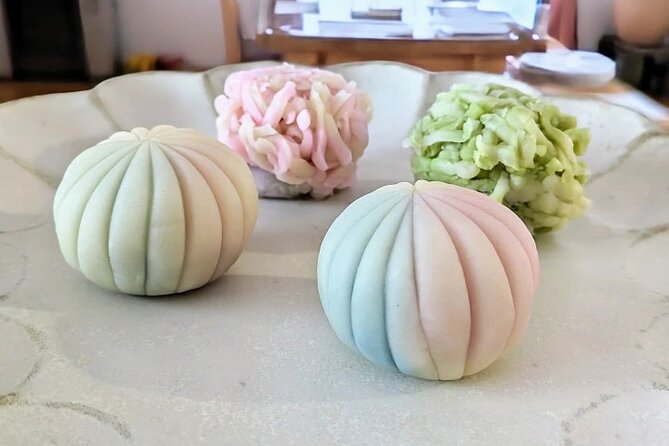
The precise designs can vary, but the central task is learning to make nerikiri. Yuki prepares the necessary materials in advance, then guides you through the techniques used to shape the sweets.
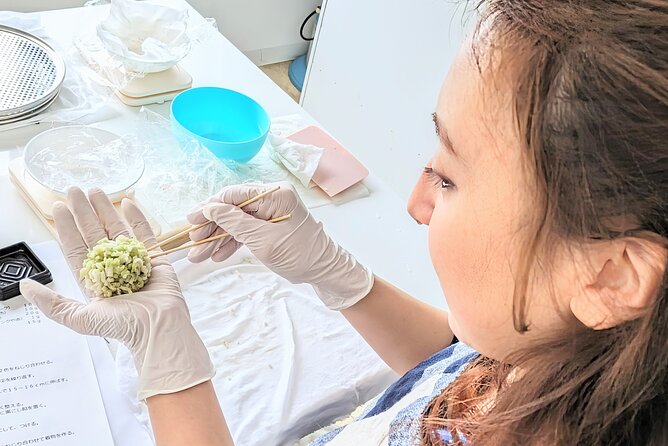
Expect to work with soft bean paste and colored portions that must be formed with care. You may flatten, wrap, pinch, press, and shape the paste to create a flower or another decorative design. The aim is not speed. It is control.
This is a hands-on class, but it is not necessarily effortless. The sweets are delicate, and making them look balanced takes concentration. That challenge is part of the fun. You can follow Yuki’s example, ask for help, and adjust your work as you go.
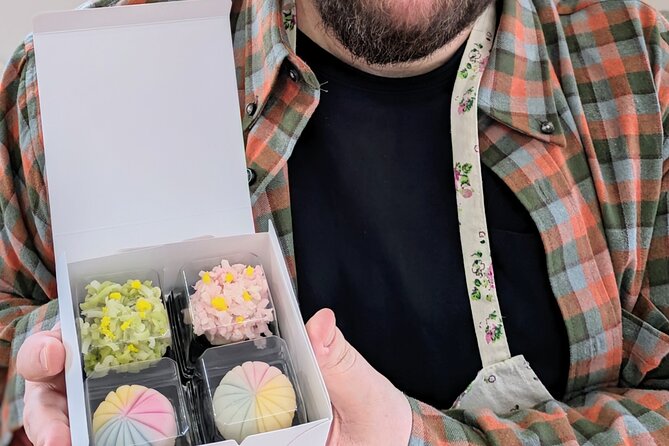
The class has included two kinds of sweets, with two of each made by each participant. That gives you enough practice to try the technique again after your first attempt. It also leaves you with several finished pieces to taste and carry onward in suitable containers.
I especially like the contrast between the visual side and the edible side. At first, you may hesitate to eat something that looks so carefully made. Once you do, the gentle sweetness and soft texture make sense as a companion to tea.
The value of the quiet suburban setting
Sapporo is easy to enjoy from its central grid, but the city is much larger than its main shopping and dining districts. This class gives you a reason to see a quieter part of town.
The home’s setting near a river and the surrounding mountain area can make the journey feel like a small outing. It is a better fit for you if you enjoy local neighborhoods, conversation, and slower activities. It is less suitable if you want a fast, central attraction that begins and ends within a few blocks of your hotel.
I would also consider the season. The class has been enjoyed in February and on cold days, and the warm home, tea, and indoor activity suit winter well. You do not need good weather for the class itself, though the scenery on the drive will be more enjoyable when conditions are clear.
The suburban setting also limits the sense of anonymity. You are entering a private home, meeting your host directly, and spending time in a small group. That is exactly what makes the experience feel personal, but it may not suit someone who prefers a polished, formal cooking school.
A few more Sapporo tours and experiences worth a look
Is the $59.31 price fair?
At about $59.31 per person, this is not the cheapest food activity in Sapporo. It is also not just a tasting session. The price covers roughly two hours of instruction, the ingredients and preparation, the handmade sweets, tea, and a home-based cultural exchange.
You should judge the value by the kind of memory you want. If you only want to sample Japanese sweets, buying wagashi from a confectionery shop will cost less and take less time. If you want to understand how the sweets are formed and make your own, the class offers much more.
The station pickup adds convenience, especially in an unfamiliar part of the city. It also reduces the worry of finding a private home on your own. Group discounts are available, which may improve the price for families or larger parties.
The maximum group size is 12. That is still small enough for a structured class, but the experience will feel more intimate with two or a few participants than with a full group. If you are booking for a large party, contact the provider in advance, since larger groups can be discussed separately.
Who will enjoy this class most
This is a strong choice for you if you enjoy food, crafts, and cultural activities that require participation. It works well for couples, families, solo visitors, and small groups looking for something different from standard Sapporo sightseeing.
Children can enjoy the class, especially with an adult nearby to help with the more delicate shaping. The activity has worked well as a birthday experience, including for a child interested in Japanese culture. Keep in mind that the class involves careful handwork, so very young children may need extra support.
It also suits repeat visitors who have already seen central Sapporo. The setting gives you a local connection and a reason to explore the southern side of the city.
You may want to skip it if you dislike sweet bean paste, have little patience for detailed handwork, or need an activity directly beside major Sapporo attractions. The class is gentle and focused, not an action-packed event.
Useful planning advice for your Sapporo itinerary
The experience lasts about two hours, but you should allow extra time for reaching Makomanai Station, pickup, and the return to the station. Do not place a timed museum entry or long-distance train immediately afterward.
Since the class is held in a home, book only after checking the meeting instructions carefully. Confirmation is sent within 48 hours, subject to availability. The experience is often booked well ahead, with an average lead time of about 46 days, so this is not the activity I would leave until the last morning of your trip.
The class ends at the original meeting point. That makes it easier to continue your Sapporo plans, but it does mean you should plan your next stop from Makomanai rather than assuming you will finish downtown.
Free cancellation is available when you cancel at least 24 hours before the start time. Cancellations or changes made later are not accepted for a refund, so check your schedule before the deadline.
Wagashi, flower sushi, and other options
Sushi Roll DESIGN Workshop also offers flower sushi roll classes. The sushi class is described as easier than the wagashi class, so it may be the better choice if you want a more relaxed introduction to Japanese food design.
You can choose the wagashi class for delicate sweets and seasonal forms, or consider flower sushi if you prefer savory food and a simpler technique. There are also other sushi roll instructors connected with the experience, which may help when arranging a group.
The provider offers additional activities, including a snack experience in Susukino. That is a separate option, not part of the wagashi class. For this particular booking, keep your attention on the home visit, tea, nerikiri instruction, and the quiet southern Sapporo setting.
Should you book the Wagashi class?
I would book this class if you want a personal, hands-on activity and are willing to travel beyond central Sapporo. Yuki’s patient instruction, English support, station pickup, tea service, and local suggestions add real value to the fee.
I would not book it simply because you need a quick dessert stop. The location takes planning, and the shaping work requires focus. But if you want to make something beautiful, learn about a Japanese tradition that has continued for more than 1,000 years, and spend time in a local home, this is one of the more distinctive ways to use two hours in Sapporo.
FAQ
Where does the Wagashi class meet?
The meeting point is Makomanai Station in Sapporo’s Minami Ward, Hokkaido. The activity ends back at the same meeting point.
How long does the class last?
The class lasts approximately two hours.
What will I learn to make?
You will learn to make nerikiri, one of the most delicate and decorative types of traditional Japanese sweets.
Is pickup available?
Yes. Pickup is offered from the meeting point at Makomanai Station. Follow the confirmed meeting instructions provided after booking.
How many people can join?
The maximum group size is 12 participants.
Is the class available in English?
English instruction is available. Written English instructions have also been provided for participants to keep.
Can I cancel for a full refund?
Yes, if you cancel at least 24 hours before the experience start time. Cancellations or changes made less than 24 hours before the start time are not refunded or accepted.
More Workshops & Classes in Sapporo




More Dessert Tours in Sapporo
More Soba & Cooking Classes in Sapporo
More tours in Sapporo we've reviewed







Soba & Cooking Classes, compared.
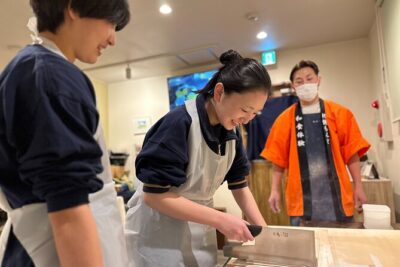 ★ 5.0Popular in SapporoExperience authentic hand-made soba at a real soba shop!From $72
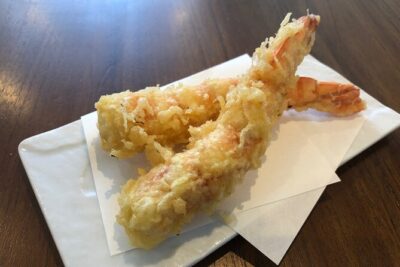 ★ 5.0Mondo’s most popular plan! Experience making soba noodles and the king of Japanese cuisine, tempura, in Sapporo!From $85
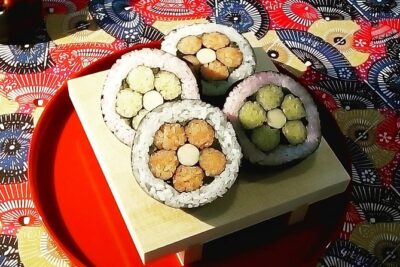 ★ 5.02 hours sushi classFrom $20
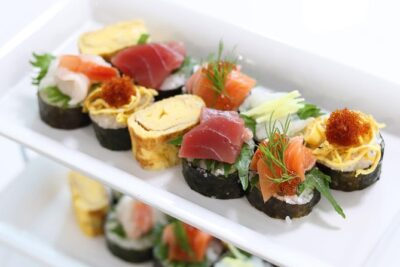 ★ 5.0Private Japanese Cooking Class in Sapporo with Local Chef ShioriFrom $108
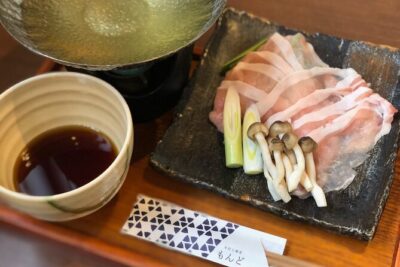 ★ 5.0in Sapporo! Hand-made soba experience and shabu-shabu experience plan of Yezo deer meat (Gibier meat) from HokkaidoFrom $85
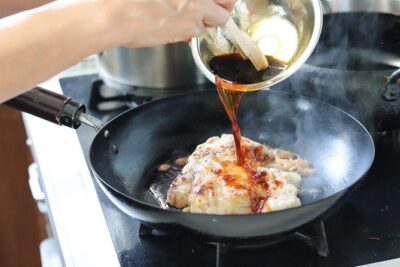 ★ 5.0Private Market Tour and Cooking Class with Kanae, a Sapporo LocalFrom $82
 ★ 5.0Private Japanese Cooking Class in Sapporo with Local Host KanaeFrom $72
 ★ 4.8Authentic Handmade Soba Experience!From $701 hour
Browse the lists this tour appears in