
Reviewed · SOBA & COOKING CLASSES
A plan to try soba-noodle making and eat with 4 kinds of Japanese favorite condiments!
Sapporo’s soba culture gets a hands-on introduction here: you make the noodles yourself, then eat them with four distinctly Japanese toppings. The session takes place after a popular soba restaurant closes, giving your group a private look at a food that is especially important in Hokkaido, Japan’s leading buckwheat-producing region.
I like the private format and the chance to try toppings you might not order on your own, especially yam wasabi, duck seiro, natto, and grated plum with radish. The main drawback is the price: $120.04 per person for about one hour is a serious spend, particularly since no guide name or detailed lesson outline is provided.
Key points
- Private restaurant setting: Only your group participates, after the Sapporo soba restaurant closes.
- Four toppings in one meal: Try Hokkaido yam wasabi, duck seiro, natto, and grated plum with radish.
- Hands-on Japanese cooking: You make soba noodles rather than simply ordering a bowl.
- Strong Hokkaido connection: The region is Japan’s leading buckwheat-producing area and has a long soba tradition.
- One-hour schedule: The compact format works well for a food-focused stop, but leaves little room for a long class.
- $120.04 per person: The cost makes the private setting and unusual tasting menu central to the value.
Making Soba After the Restaurant Closes
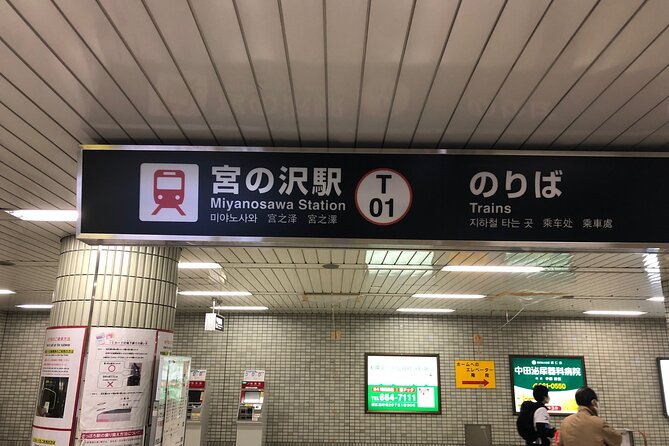
The experience begins at 9-chōme-17-29 Hassamu 6 Jō in Sapporo’s Nishi Ward. You return to this same meeting point at the end, and the location is near public transportation.
The unusual part is the timing. This is not a standard daytime restaurant meal with a quick cooking demonstration squeezed between lunch orders. The session takes place after the restaurant closes, so your group gets a private setting for the activity. That matters if you prefer a quieter food experience and want the attention focused on soba rather than on a busy dining room.
The available information does not provide a detailed minute-by-minute schedule, so you should expect the one-hour session to move at a brisk pace. The basic shape is clear: make soba, learn about the selected toppings through the meal, and eat what you have prepared.
You should arrive ready to work with buckwheat dough and noodles. The listing does not specify the exact tools used, the amount of instruction, or how much time you spend at each stage. If your main goal is a long cooking lesson, ask for those details before booking. If you want a compact, private introduction to a Japanese staple, the format makes sense.
A few more Sapporo tours and experiences worth a look
Why Hokkaido Is the Right Place for Soba
Soba is made from buckwheat, and Hokkaido is Japan’s biggest buckwheat-producing region. That gives the dish a direct connection to the place you are visiting, rather than making it just another Japanese food prepared for tourists.
Hokkaido has a strong soba tradition, with many restaurants built around the noodle. The experience uses that local setting well. You are not only eating soba in Sapporo. You are learning the basic process behind it, then tasting it with several toppings that show how Japanese diners vary the dish.
The activity also makes room for a useful food lesson: soba does not have one fixed flavor profile. The noodle can be paired with sharp wasabi, savory duck, fermented natto, or the bright sourness of pickled plum. These combinations may feel unfamiliar at first, but that is part of the point. You get to sample them side by side instead of guessing from a menu.
The description first refers to five toppings, then identifies four. The four named options are the ones you can plan around: yam wasabi, duck seiro, natto, and grated plum. If the number matters to you, confirm the final selection before you go.
The Soba-Making Portion
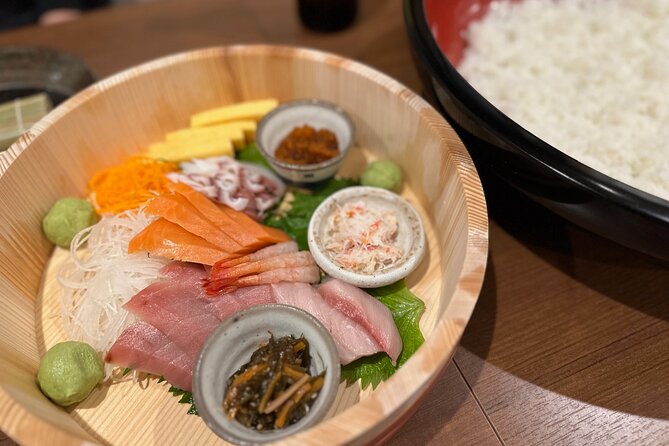
The core activity is making soba noodles, described as a classic Japanese food experience. The available details do not say exactly how much of the process you complete yourself, so do not assume you will handle every step from measuring flour to cutting noodles. Still, the practical value is clear: you take part in the preparation before sitting down to eat.
That hands-on element makes the meal more memorable than a normal bowl of noodles. You can pay attention to the texture, shape, and thickness of the soba in a way you would not when a finished dish simply arrives at the table.
The one-hour duration is both a strength and a limit. It fits neatly into a Sapporo day and will not consume a large block of sightseeing time. Families, couples, and small groups can add it to a wider city plan without giving up half a day.
At the same time, one hour is short for a detailed cooking class and a full meal. You should think of this as a focused introduction, not an all-day culinary workshop. The price makes that distinction important. You are paying for the private setting, the food, the activity, and the unusual topping selection, not for a lengthy technical course.
Four Toppings That Change the Meal
Hokkaido yam wasabi
The first topping is yam wasabi, described as wasabi limited to Hokkaido. This is one of the most place-specific parts of the meal and gives the experience a local marker beyond the noodle itself.
Wasabi adds heat and a clean, sharp edge to soba. Because it is served with a simple noodle, you can pay attention to how the flavor changes each bite. The description does not provide tasting notes or explain how the yam wasabi is served, so expect the staff to guide you through the pairing during the meal.
For a first visit, this is likely the easiest topping to understand. It keeps the dish close to the familiar image of cold soba with a strong condiment, while giving you a Hokkaido-specific ingredient to try.
A few more Sapporo tours and experiences worth a look
Duck seiro
Duck seiro pairs duck meat with warm soup. This is a more filling option and offers a contrast to the lighter, sharper toppings.
The warm broth matters. Soba can be served in several forms, and duck seiro gives you a version where the soup and meat add weight to the noodles. If you are arriving hungry, this may be the topping you appreciate most.
The phrase duck seiro describes a style of serving rather than a separate noodle-making step. You should expect the warm soup and duck to accompany the soba as part of the tasting meal. The exact portion is not given, but the plan says you will eat enough to feel full, so do not treat this as a small sample menu.
Natto
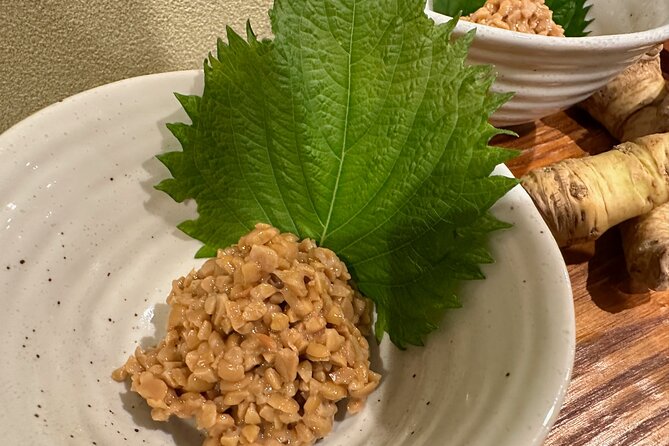
Natto is fermented soybeans with a strong smell and sticky texture. It is a familiar favorite in Japan, but it can be a surprise if you have not tried it before.
The plan specifically highlights the good match between natto and soba. That makes this a valuable part of the session even if you are unsure about fermented foods. You can try the pairing in a setting where it is presented as a normal Japanese combination, rather than ordering it blindly and wondering what to do with it.
Natto is also the topping most likely to divide your group. Some people enjoy its savory flavor and texture right away. Others need time to adjust. Since the session is private, your group can approach it at its own pace without feeling self-conscious. The description does not say that substitutions are available, so do not count on replacing it.
Grated plum with radish
The fourth named option combines pickled plum and grated radish. It is served with a fresh dipping sauce and brings a sour, crisp quality to the meal.
This topping offers the greatest contrast to duck seiro. Instead of meat and warm soup, you get the bright taste of plum, the freshness of grated radish, and a dipping sauce that keeps the dish light.
The pairing also shows why the activity is more than a basic noodle lesson. The toppings introduce different ways to eat soba, from rich and warm to sharp and refreshing. You can compare them directly and decide which combinations suit your taste.
How Much Value Do You Get for $120.04?
At $120.04 per person, this is not a bargain meal. A one-hour food activity needs to offer more than a normal restaurant visit to justify the cost.
The strongest value comes from the private format. Only your group participates, and the session happens after the restaurant closes. That can be worthwhile if you want a personal food activity rather than a public class with strangers.
The four topping styles also help. You are not paying only for a bowl of soba and a short demonstration. You get to taste a series of Japanese favorites that may be hard to compare in one ordinary meal.
Still, the cost will not suit every budget. The available information does not name the instructor, promise language support, list the exact equipment, or explain how much hands-on time each person receives. Those missing details make it harder to judge the price as a cooking class.
I would see the fee as reasonable mainly for a small group that values privacy and wants a food memory tied to Hokkaido. Group discounts are available, which may improve the value for families or friends booking together. Check the final discount before assuming it applies to your party.
Who Will Enjoy This Sapporo Food Experience?
You should consider booking this if you enjoy trying local foods in their cultural setting. Soba is central to the activity, and the four toppings give you a broad taste of how Japanese diners build flavor around a simple noodle.
It also suits people who prefer private activities. You will not share the session with another booking, which gives your group more control over the mood and pace, within the limits of the one-hour schedule.
Food-curious visitors may get the most from it. Yam wasabi and duck seiro are approachable starting points, while natto and grated plum let you try combinations you might otherwise skip.
The session may be less suitable if you want a long cooking course, a detailed history lesson, or a low-cost meal. The supplied information does not promise an extended explanation, and the short duration suggests a compact experience.
You should also be comfortable with the listed toppings. Natto is included as one of the Japanese favorites, and no substitutions are mentioned. Ask about dietary needs before booking rather than expecting the menu to change.
Practical Details Before You Book
The meeting point is 9-chōme-17-29 Hassamu 6 Jō, Nishi Ward, Sapporo, Hokkaido 063-0826, Japan. The activity ends back there, so plan your onward transport from the same area.
It is near public transportation, but no specific station, route, or travel time is provided. Check the address on your map before the day of the activity and allow enough time to find the restaurant. A private booking is only useful if you arrive at the correct place on time.
Confirmation is provided when you book. Service animals are allowed, and the activity is private for your group.
The cancellation rule is simple but strict close to the start time. You receive a full refund if you cancel at least 24 hours in advance. Cancellations or changes made within 24 hours are not accepted and are not refunded. The deadline follows local Sapporo time.
There are only two supplied ratings, so I would not treat the rating alone as a strong measure of the class. No soba instructor is named in the available information, and no soba-specific comments give extra detail about teaching style. Contact the provider, もんど, if the instructor’s name, language options, topping portions, or the precise cooking steps matter to you.
Should You Book It?
Book this soba experience if you want a private, food-centered activity with a clear Hokkaido connection. The best reasons are the after-hours restaurant setting, the chance to make your own noodles, and the four toppings, especially the regional yam wasabi and the less familiar natto pairing.
Skip it if you are mainly looking for a cheap lunch or a full cooking course. One hour is brief, the price is high, and the lesson details are limited.
For a small group that values privacy and wants to eat its way through several Japanese soba traditions, this can be a memorable Sapporo stop. Go hungry, confirm the topping count and class details in advance, and book only when you are sure of your schedule because the 24-hour cancellation cutoff is firm.
FAQ
Where does the soba-making experience begin?
It begins at 9-chōme-17-29 Hassamu 6 Jō, Nishi Ward, Sapporo, Hokkaido 063-0826, Japan.
Where does the activity end?
The activity ends back at the meeting point.
How long does the experience last?
The experience lasts approximately one hour.
How much does the activity cost?
The listed price is $120.04 per person.
Is the activity private?
Yes. Only your group participates in this private activity.
Which toppings are included?
The four named toppings are Hokkaido yam wasabi, duck seiro, natto, and grated plum with grated radish.
Is the meeting point near public transportation?
Yes. The meeting point is described as being near public transportation.
Can I cancel for a full refund?
Yes, if you cancel at least 24 hours before the experience starts. Cancellations or changes made within 24 hours are not accepted and are not refunded.
More Food Experiences in Sapporo
More Soba & Cooking Classes in Sapporo
More tours in Sapporo we've reviewed


Soba & Cooking Classes, compared.
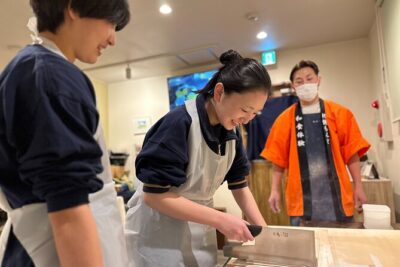 ★ 5.0Popular in SapporoExperience authentic hand-made soba at a real soba shop!From $72
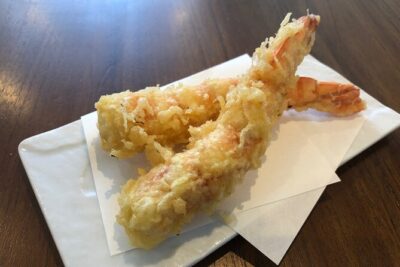 ★ 5.0Mondo’s most popular plan! Experience making soba noodles and the king of Japanese cuisine, tempura, in Sapporo!From $85
 ★ 5.0Wagashi traditional japanese sweets classFrom $59
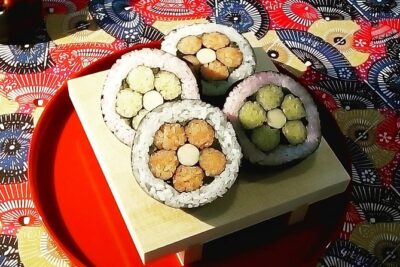 ★ 5.02 hours sushi classFrom $20
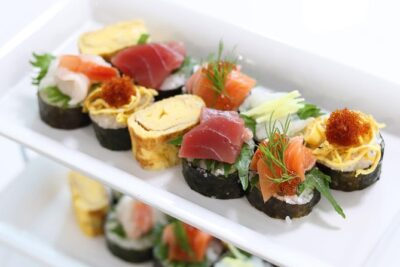 ★ 5.0Private Japanese Cooking Class in Sapporo with Local Chef ShioriFrom $108
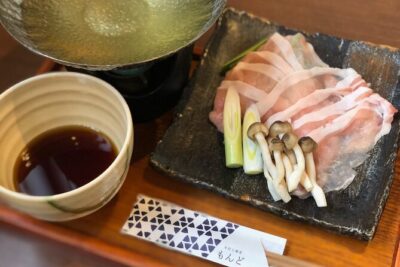 ★ 5.0in Sapporo! Hand-made soba experience and shabu-shabu experience plan of Yezo deer meat (Gibier meat) from HokkaidoFrom $85
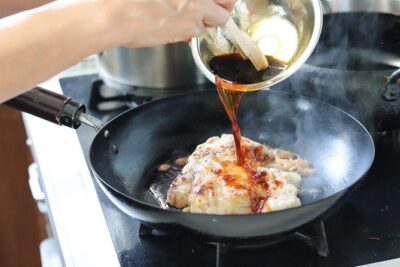 ★ 5.0Private Market Tour and Cooking Class with Kanae, a Sapporo LocalFrom $82
 ★ 5.0Private Japanese Cooking Class in Sapporo with Local Host KanaeFrom $72
Browse the lists this tour appears in