
Reviewed · SAPPORO CITY TOURS
Sapporo: Private Customized Guided Tour
Sapporo is easier to understand when someone helps you connect its ski-jump views, frontier-era buildings, seafood stalls, and beer-making past. This private custom tour gives you a licensed local guide and the freedom to choose the pace, route, and lunch stop.
I like the personal planning, especially if you have already seen the city or want to focus on one interest. I also like the guide’s flexibility: Tom arranged two taxis for a group of four, while guides such as Nozomi and Tracy adjusted plans with care. The main drawback is that the $119 price does not include transport, food, or entrance fees, so your final cost will be higher.
Key points to know before booking
- Your route is genuinely flexible: Request particular sights, adjust the pace, or let your guide plan the day.
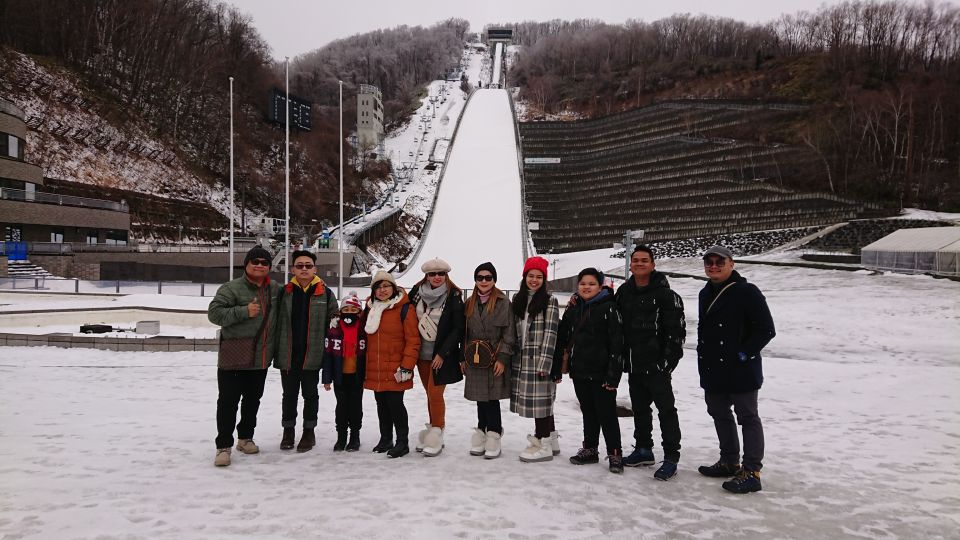
- Okurayama gives you a dramatic Sapporo view: You can look down the steep ski-jump slope from 307 meters above sea level.
- Hokkaido Village adds historical context: About 60 buildings show how the island developed during the Meiji and Taisho periods.
- Nijo Ichiba makes lunch part of the experience: Order a seafood kaisen-don bowl, with food paid separately.
- The guide can save time: Tom found two taxis for four people, allowing the group to travel together without waiting for one car.
- You pay extra for the moving parts: Public transport, taxis, entry fees, and meals are not included.
This is not a fixed sightseeing march. You meet your licensed guide at your hotel or a requested train station, then set off on foot toward the day’s first stop or transportation connection. You can name the places you want to see, ask for a particular lunch, or hand over the planning to someone who knows Sapporo.
That choice matters. A first-time visitor may want the classic combination of Okurayama Viewing Point, Hokkaido Village, Nijo Ichiba Market, and the Sapporo Beer Museum. Someone returning to Sapporo may prefer a shorter list, more time at one site, or a route built around food and local history.
The guides hold Japan’s nationally licensed Tour Guide-Interpreter certification. That certification requires a strong grasp of Japanese culture and history, which is useful here because Sapporo is not an old Japanese capital in the usual sense. Much of the city’s growth took place during the Meiji and Taisho periods, when Hokkaido was being developed quickly.
You get four or six hours. Four hours can work well for a focused route. The six-hour option gives you room for several major stops, lunch, and the time lost to public transport or taxis.
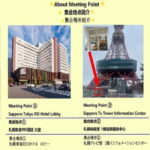
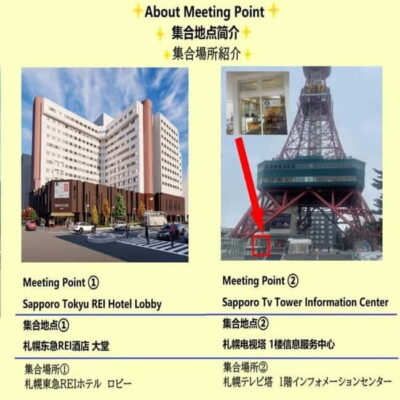
Your guide waits in the hotel lobby or at the train station you request, arriving 10 minutes before the scheduled pickup. Pickup is on foot if your accommodation is within a reasonable distance, so do not expect a private vehicle to appear outside your hotel.
That arrangement keeps the tour flexible, but it also means you should be ready to walk from the meeting point to buses, trains, taxis, or nearby sights. Transport during the tour is separate from the tour price. You pay for public transportation or private taxis as you go.
This setup works especially well for a private group because you do not need to match the speed or interests of strangers. It also lets the guide adjust the plan when the weather, your energy, or your lunch wishes change.
The practical catch is guide confirmation. Your booking is not final until a guide contacts you. Most guides make contact within seven days, but a guide may not accept the tour immediately. The local team continues looking until 24 hours before the start, so I would not choose this option for a trip where every hour depends on a locked-in plan.
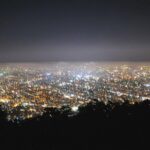
Okurayama Viewing Point is a strong opening stop because it shows Sapporo from above and gives you an immediate sense of the city’s connection with winter sport. From 307 meters above sea level, you can look across the city and inspect the steep slope used for ski jumping.
The unusual part is the angle. A ski jump looks impressive from the ground, but standing at the top and looking down the run makes the sport feel far more serious. You are not simply taking a city photograph. You are seeing the physical setting that helped give Sapporo its winter identity.
Your guide can add context about the site and explain what you are looking at, which is useful if you are not familiar with ski-jump design or Sapporo’s role as a winter destination. The panoramic view also gives you a helpful orientation before spending the rest of the day at street level.
There are two points to keep in mind. Okurayama is not just a quick central-city stroll, so reaching it uses part of your tour time and may require transport. Also, the view depends on conditions. The tour operates rain or shine, and poor weather can reduce the payoff of an otherwise excellent viewpoint.
Hokkaido Village offers a different kind of Sapporo experience. Instead of viewing the modern city, you walk among about 60 typical buildings brought together from around Hokkaido. They date from the Meiji and Taisho periods, from 1868 to 1926, when the island was developing at a fast pace.
This stop helps explain why Sapporo feels different from many other Japanese cities. Hokkaido’s built environment and settlement story reflect a comparatively recent period of organized development. The buildings give that story a physical shape, rather than leaving you with only dates and general statements.
I would especially value this stop with a guide because the buildings can mean more when you know what to look for. An English-speaking guide can explain the historical setting and connect the village to the wider story of Hokkaido. The national guide certification is relevant here, since the site calls for more than a quick photo stop.
Allow enough time to walk. Hokkaido Village is made up of many buildings, so you will get more from it if you are willing to move at an easy pace and pause along the way. If you have only four hours and want both the viewpoint and the market, ask your guide how much of the village you can reasonably cover.
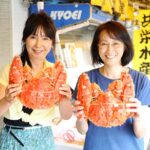
Nijo Ichiba Market is the natural food stop in the suggested route. Its specialty is seafood, and the classic order is kaisen-don, a bowl of rice topped with freshly caught seafood.
Lunch is not included, but that is not necessarily a weakness. You choose what you want to eat, and your guide can help shape the stop around your preferences. Tom specifically asked his group what they wanted for lunch and considered malls as alternate places to eat. That is a useful example of the tour’s practical flexibility. You do not have to force yourself into a seafood lunch simply because the original plan includes a market.
Nijo Ichiba also gives you a taste of Sapporo’s food culture without requiring a formal restaurant booking. You can make the meal quick if your schedule is tight, or spend more time choosing a bowl and looking around the market.
The market can be a poor fit if one person in your group dislikes seafood or if you want a long, relaxed meal. Tell your guide before the day begins. The operator can communicate with you beforehand, and lunch preferences are exactly the sort of request that can change the route for the better.
Bring a separate food budget. The tour price covers the guide, not the kaisen-don, drinks, or any other meal.
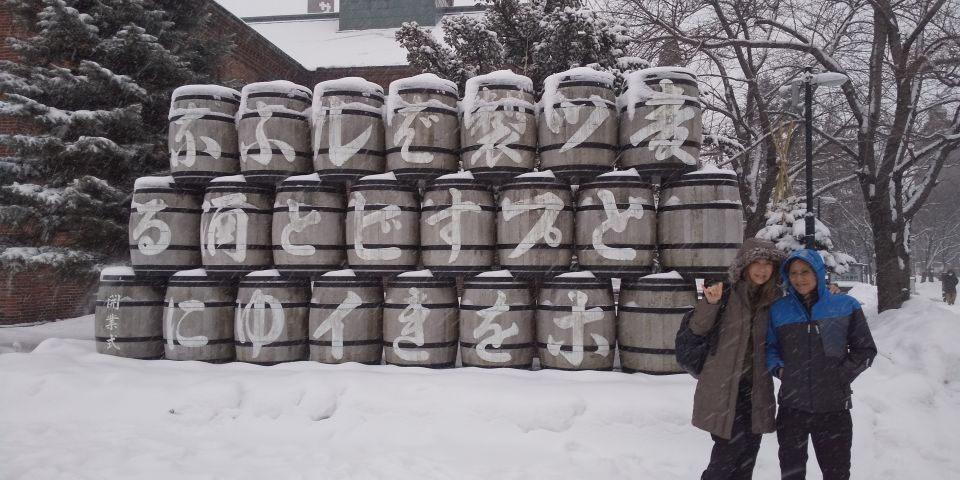
The Sapporo Beer Museum adds an industrial and culinary layer to the day. Sapporo Beer is one of Japan’s best-known premium beers, and the museum explains its place in the city’s story.
The memorable detail here is the chance to taste a reissued version of the beer produced about 130 years ago. That makes the stop more than a standard museum visit. You can connect the historical display with an actual flavor from the company’s earlier period.
Entrance fees and drinks are separate, so check the cost before you commit to the museum. If you do not drink beer, you can ask your guide to replace this stop with another interest. The tour is built for that kind of adjustment, though the supplied details do not specify the full list of alternative attractions.
The museum also works well after the market because it keeps the afternoon focused on local food and drink. On a four-hour tour, though, combining all four suggested stops may feel rushed once transport and lunch are counted. The six-hour choice is the safer pick for the complete route.
The customization is the central reason to book this experience. Before the tour, you can share special requests and discuss the places you want to visit. You can also ask the guide to plan the itinerary instead.
That flexibility is useful in several situations:
- You have already visited the main Sapporo sights and want something different.
- You are traveling with children or older relatives and need a slower pace.
- You want a seafood lunch, a museum-focused day, or a short list of major views.
- You need to balance sightseeing with a train departure.
- You want explanations in English rather than trying to make sense of every site alone.
The guide may also suggest alternatives once they know what you have seen. Tom did this for a group that had visited Sapporo before, offering different options instead of repeating the same basic route.
A private tour cannot remove every practical limit. Sapporo is spread out, and each taxi ride or train connection uses time. You also pay those fares separately. Tell the guide your priorities in order, not just a long wish list. For example: Okurayama first, seafood lunch second, and the beer museum only if time allows.
At $119 per person, this tour is not the cheapest way to sightsee in Sapporo. You still pay for transport, food, and entrance fees. For a solo visitor, the total may feel high compared with using the subway and visiting a few sites independently.
The price becomes easier to justify for a private group that wants help with planning and communication. You are paying for four or six hours of a licensed guide’s time, not simply for admission to an attraction. The guide can explain historical details, organize the route around your wishes, and help you choose lunch.
The transport help may also save time. In one case, a guide arranged two taxis for a group of four so everyone could leave together. That is a small detail, but it shows where private guiding can have real value. A missed connection or long wait for a second taxi can eat into a half-day visit.
To judge the price fairly, estimate the alternatives. If you are comfortable navigating Sapporo, speak enough Japanese to handle transport and meals, and want only one or two sights, independent touring will cost less. If you want a full explanation of Hokkaido Village, a flexible route, and help fitting several far-apart stops into one day, the guide fee may be worthwhile.
Choose four hours when you want a compact, focused outing. You might pair Okurayama with one other major stop, or build a route around a specific request and lunch. Ask the guide to be realistic about travel time.
Choose six hours for the full suggested combination of Okurayama, Hokkaido Village, Nijo Ichiba Market, and the Sapporo Beer Museum. Even then, you should expect a full schedule rather than a slow, lingering visit at every site.
The longer option is also better if you want the guide to explain each stop rather than rush from one photo point to the next. Sapporo rewards context, especially at Hokkaido Village and the beer museum.
Starting times depend on availability. The activity is described as a morning pickup, but you should check the available start times when booking and confirm the details with the local team.
I would recommend this experience to first-time visitors who want a clear introduction to Sapporo without managing every train, taxi, and meal decision themselves. It is also a smart fit for private groups with mixed interests.
The tour suits you particularly well if:
- You want an English-speaking guide, or prefer Japanese guiding.
- You care about the story behind the sights, not only photographs.
- You have a short stay and want to connect several parts of the city.
- You need a route adjusted for your group’s pace.
- You have already seen the standard sights and want fresh suggestions.
- You are comfortable paying transport and admission costs separately.
It may not suit you if you want a fixed, all-inclusive price or prefer to sightsee alone. It is also less attractive if you plan to spend the day in one central neighborhood. In that case, a private guide may provide more help than you need.
The experience is wheelchair accessible, but the details do not specify how every suggested site handles access or how much walking each route requires. If accessibility is important for your group, discuss the exact itinerary and transportation plan before the tour.
Book this tour if you want personal route planning, historical explanation, and help making a half-day in Sapporo work around your own interests. The strongest parts are the guide’s flexibility and the chance to link very different places: a ski jump, historic Hokkaido buildings, a seafood market, and a beer museum.
Choose the six-hour option for the suggested route, and the four-hour option for a tighter plan. Budget separately for taxis or public transport, admission fees, and lunch. Also wait for guide confirmation before treating the booking as final.
If you value independence and already know Sapporo’s transport system, you can see many sights for less money. If you want a local professional to explain the city, adapt the day, and prevent small logistical problems from taking over your schedule, $119 per person can be fair value.
FAQ
A few more Sapporo tours and experiences worth a look
How long does the private Sapporo tour last?
You can choose either a four-hour or six-hour private tour. Starting times depend on availability.
What places can I visit?
The suggested route includes Okurayama Viewing Point, Hokkaido Village, Nijo Ichiba Market, and the Sapporo Beer Museum. You can request a different itinerary or ask your guide to plan the route.
Is the tour private?
Yes. The experience is for a private group and includes your own licensed local guide.
Which languages are available?
Guiding is available in English and Japanese.
Other guided tours in Sapporo

Where does pickup take place?
Your guide meets you in your hotel lobby or at a train station you request. Pickup from your accommodation is on foot if it is within a reasonable distance.
Are transportation costs included?
No. You pay separately for public transportation or private taxis used during the tour.
Are meals and entrance fees included?
No. Food, drinks, and entrance fees are not included in the tour price.
Is the tour wheelchair accessible?
Yes, the experience is described as wheelchair accessible. Confirm the specific route and access needs with the local team before the tour.
Can I cancel for a full refund?
Yes. You can cancel up to 24 hours before the start time for a full refund.
More Private Tours in Sapporo

More Guided Tours in Sapporo
More Sapporo City Tours in Sapporo

More tours in Sapporo we've reviewed


Sapporo City Tours, compared.
 ★ 5.0Sapporo Bar Hopping Food TourFrom $108
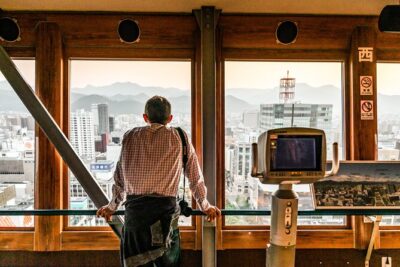 ★ 5.0Sapporo Private Tour with a Local – Highlights & Hidden GemsFrom $109
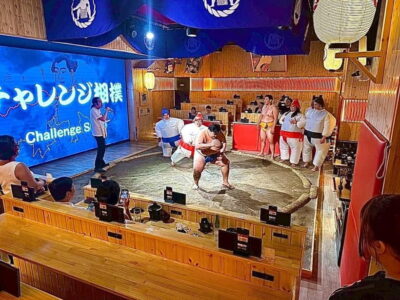 ★ 4.9Sapporo: Sumo Show Experience with Japanese food & PhotoFrom $772 hours
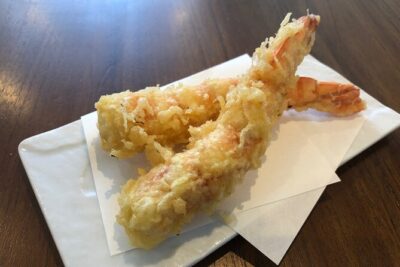 ★ 5.0Mondo’s most popular plan! Experience making soba noodles and the king of Japanese cuisine, tempura, in Sapporo!From $85
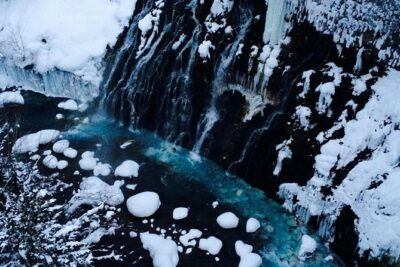 ★ 5.0【Private Car】Asahiyama Zoo, Blue Pond, Shirahige Falls, Ningle Terrace (from Sapporo)From $465
 ★ 4.0Hokkaido Noboribetsu Lake Toya Tour from SapporoFrom $66
 ★ 5.0Sapporo 6hr Private Tour with Government Licensed GuideFrom $155
 ★ 4.6From Sapporo: Hokkaido Highlights Day TripFrom $64
Browse the lists this tour appears in