
Sapporo’s best food discoveries often begin before lunch, and this private tour puts you in the middle of the city’s seafood scene. You’ll visit Jogai Market near the Central Wholesale Market and Nijo Market, with time to look at local specialties and choose what you want to eat.
I like the flexible, private format, especially for families or small groups. I also like that Emilio can add cultural stops such as Hokkaido Shrine and the forested grounds around it, rather than treating the markets as a stand-alone food stop.
The main catch is that the $163 price covers up to three people, but not food, drinks, or public transportation. You’ll need to budget for your own seafood and fares, and the half-day schedule may not allow every listed stop in equal depth.
Key points at a glance
- Jogai Market near the wholesale market: A less tourist-oriented food stop where you can see a more working side of Sapporo’s seafood trade.
- Two different market settings: Jogai and Nijo give you a useful comparison between a market beside the wholesale district and a central city market.
- Hokkaido Shrine and a forest walk: The route adds quiet cultural time after the food-focused opening.
- Tanukikoji Shopping Street: A practical stop for browsing Sapporo’s covered shopping center.
- JR Tower Observation Deck T38: The tour ends or includes a high city view from above Sapporo Station.
- A private route in three languages: Emilio offers the tour in English, Spanish, or Italian and can adjust the pace and interests for your group.
Why this half-day route works in Sapporo
Sapporo is easy to enjoy as a collection of separate stops, but the city makes more sense when food, faith, shopping, and views are tied together. This tour does that in a compact block of time.
You begin with seafood markets, move to a shrine and possible park or garden stop, then finish among shops or above the city. The route gives you several ways to understand Sapporo without asking you to spend a full day on a single theme.
I especially like the mix of public sights and local guidance. Markets can be confusing when you do not know which foods are local, what is worth buying, or how to approach a stall. A private guide can help you make choices without forcing the entire group to follow a fixed menu.
The route is not a formal cooking class or a food tasting with meals included. Think of Emilio as your interpreter and local companion. You pay for what you choose to eat, which gives you control over both the menu and the bill.
A few more Sapporo tours and experiences worth a look
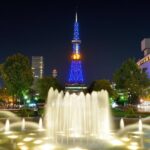
Starting at Jogai Market near the wholesale district
Jogai Market is likely to be the most distinctive part of the morning. It sits near Sapporo’s Central Wholesale Market, giving you access to a seafood area that feels more connected to the city’s supply network than a simple souvenir market.
That difference matters. A central market may be convenient, but Jogai can offer a closer look at how seafood is presented, sold, and discussed in Hokkaido. You might find sashimi, seafood bowls, local delicacies, and other market foods, but the tour does not include a set meal or fixed tasting list.
Bring an appetite and a little patience. You will need to decide what appeals to you, and food costs come separately. If you are unsure about a dish, this is exactly where Emilio’s local advice can make the stop easier and more enjoyable.
A market visit also rewards flexibility. Your group may want to focus on fresh fish, while another group may care more about sweets or regional products. Since the tour is private, you can tell Emilio what interests you instead of moving through every stall at the same speed.
The tradeoff is simple: this is not a polished attraction with a guaranteed sequence of samples. It is a market visit, and the pleasure comes from seeing what catches your eye that day.
Comparing Jogai Market with Nijo Market
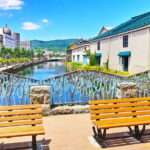
Nijo Market gives you a second seafood setting in central Sapporo. Visiting both markets helps you notice the difference between a market beside the wholesale area and one woven into the city center.
Nijo is also useful if you want a food stop that fits with other downtown sights. It pairs naturally with Tanukikoji Shopping Street and the city’s central attractions. You can compare the feel of the two markets, look at seafood displays, and decide where you would return on your own.
I would not expect the tour to provide a long, detailed market lecture at every stall. The advertised format is a half-day route with several stops, so the time at each place will depend on your interests and the overall pace.
Food and drinks are not included. That is worth keeping in mind when comparing the price with a traditional food tour. A tasting tour may include set portions, while this one lets you choose your own purchases. For some people, that is better. For others, the separate food bill makes the final cost less predictable.
Hokkaido Shrine and the quieter side of the morning
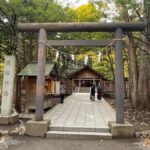
Hokkaido Shrine changes the mood completely. After the market noise and seafood displays, you move into a place connected with Japanese religious practice and Sapporo’s cultural identity.
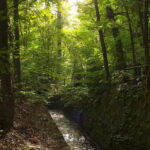
The tour description also allows for a forest walk, and one detailed account of the route included time among trees, along with a stop at a temple bakery known for very good sweets. The exact bakery is not identified, so you should treat that as a possible personal stop rather than a guaranteed named attraction.
That uncertainty is part of the private format. Emilio can shape the route around your interests, but the experience may not follow a rigid checklist. If a shrine visit and a quiet walk matter more to you than another shopping stop, say so early.
The shrine is a good choice for anyone who needs a pause from eating and shopping. It gives you time to take photographs, observe the setting, and ask questions about local customs. You should still dress and behave respectfully, as you would at any Japanese shrine.
Seasonal park and garden options
Nakajima Park or a Japanese garden may be added seasonally. These stops are useful if you want more open space and less retail activity, but they are not presented as fixed year-round inclusions.
The seasonal note matters. A garden or park can be especially appealing when plants, autumn color, or other seasonal features are at their best. At another time of year, you may prefer to give that part of the route to shopping, markets, or the observation deck.
Ask Emilio what is operating and looking good during your visit. Since he has lived in Hokkaido since 2017, he can help match the route to your interests, but the available details do not promise a specific seasonal display or garden program.
A walk also adds a physical element. This is not described as a strenuous outing, but you should be comfortable moving between several city sights and walking around markets, shrine grounds, shopping areas, and possible park spaces.


Tanukikoji Shopping Street for a downtown contrast
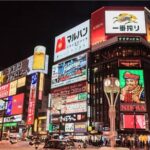
Tanukikoji Shopping Street adds a different kind of local look. Instead of seafood and shrine grounds, you get a covered shopping area with stores, food, and everyday city activity.
This stop works well when your group has mixed interests. One person can browse shops, another can look for snacks, and children may appreciate a change from a quiet shrine or a seafood display.
It is also a practical place to ask Emilio about local products and personal favorites. The tour promises tips that are not always found in guidebooks, though no specific shops are guaranteed. I would use this part of the route for orientation and browsing rather than expecting a formal shopping tour.
Because the route includes several possible stops, your time at Tanukikoji may be brief. If you want to shop seriously, tell the guide before the day begins so the schedule can reflect that priority.
The view from JR Tower Observation Deck T38
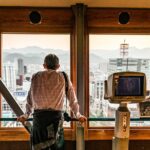
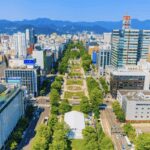
JR Tower Observation Deck T38 provides the clearest visual finish to the day. From the observation deck, you can look over Sapporo from above and get a better sense of the city’s scale and layout.
This is more than a photo stop. After seeing markets, shrine grounds, streets, and parks at ground level, the view lets you connect those pieces. You may also find it easier to understand Sapporo’s broad city plan from the tower than from street level.
The tour includes the observation deck, but the supplied details do not specify how long you will stay there or whether admission is included in the $163 price. Ask about that before booking, since the only listed inclusion is the private guide.
Timing can affect the view. The information does not promise a particular time of day or weather conditions, so you should not book this tour solely for a sunset panorama. Still, T38 is a strong choice for a final city perspective, especially if you are new to Sapporo.
How Emilio’s private guiding changes the day
The guide, Emilio, has lived in Hokkaido since 2017 and offers the tour in English, Spanish, and Italian. That makes the experience useful for visitors who want more than directions and menu translations.
The strongest feature here is adaptability. Emilio can respond to a preference for sashimi, local culture, photography, shopping, or a slower pace. You are not paying for a large group itinerary where one fixed route must suit everyone.
A detailed account of the tour described Emilio as personable and well informed, with a route that included the wholesale fish market, a forest walk, a temple bakery, one of Sapporo’s oldest buildings, and the train station tower. That combination shows how much the day can extend beyond the headline market stops.
At the same time, you should confirm your priorities at the start. The advertised list includes Jogai Market, Hokkaido Shrine, Tanukikoji, Nijo Market, a seasonal park or garden, and T38. A half-day cannot guarantee a long visit at all six locations, especially if you stop to eat.
What the $163 group price really buys
The price is $163 per group of up to three people. If three people share it, the guide cost works out to about $54 per person. For two people, it is about $81.50 each, and for one person, you carry the full cost.
That makes the tour strongest for a small group that values personal attention. A family of three can get a private route for a reasonable per-person guide cost, while a solo visitor may find it expensive compared with joining a larger group.
You still pay separately for food, drinks, and public transportation. I would set aside extra money for market purchases and confirm the transport plan before you go, since the route links several parts of Sapporo.
The value is not simply the number of sights. You are paying for help choosing among markets, cultural context, language support, and the ability to change the pace. If you already know Sapporo well and only want to visit one market, the price may feel high. If you want a guided introduction with food and city sights tied together, it is easier to justify.
Who will get the most from this tour
This tour suits food-focused visitors who want seafood markets but do not want to spend the entire day eating. It also works for first-time visitors who want a quick orientation to central Sapporo.
Families can benefit from the private format because the pace can change when children need a break or the group wants to swap a shopping stop for a park. Couples and small groups may appreciate choosing between food, culture, photographs, and city views.
The tour is less suited to someone seeking a fixed tasting menu, a detailed culinary workshop, or a guaranteed visit to every listed sight. You also need to be comfortable paying for your own food and transport.
Since the review record is limited to one five-star account, I would avoid treating every possible stop as guaranteed. The clearest strength is Emilio’s personal approach and the ability to combine the wholesale market, a forest walk, a bakery, an old building, and T38 when the schedule allows.
Practical details before you reserve
You can reserve now and pay later, which helps if your Sapporo plans are still shifting. Cancellation is allowed up to 24 hours before the tour for a full refund.
The experience is private for up to three people. If your party is larger, the provided information does not explain whether extra participants can be added, so ask before booking.
Food, drinks, and public transportation are not included. Bring a plan for those costs, and tell Emilio in advance if market food, shrine visits, shopping, photography, or parks matter most to you.
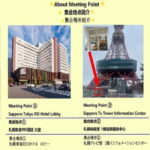
The route is offered in English, Spanish, and Italian. No exact meeting point, start time, or total number of hours is provided, so confirm those details before you commit.
Should you book this Sapporo market tour?
Book it if you want a small, flexible introduction to Sapporo built around seafood, with enough room for shrines, shopping, parks, and a tower view. The best match is a group of one to three people who values local advice more than a fixed tasting menu.
I would book this especially for a first visit, a family group, or anyone who wants the wholesale market included. I would skip it if you only need market access, prefer to explore alone, or want all food and entrance costs folded into one price.
The smart move is to contact Emilio before the tour and name your top two priorities. If your list is seafood plus T38, you may get a focused food-and-view route. If you want markets, shrine grounds, shopping, and a seasonal garden, expect shorter visits at each stop. That small bit of planning will make the half-day work much better.
FAQ
How long is the tour?
It is described as a half-day tour. An exact number of hours is not provided.
How many people can join?
The price covers one private group of up to three people.
Who guides the tour?
The guide is Emilio, who has lived in Hokkaido since 2017.
What languages are available?
The tour is offered in English, Spanish, and Italian.
Which fish markets are included?
The route includes Jogai Market near Sapporo Central Wholesale Market and Nijo Market.
Is food included in the price?
No. Food and drinks are not included, so you pay separately for anything you choose to eat or drink.
Is public transportation included?
No. Public transportation is not included.
Which other Sapporo sights may be visited?
Possible stops include Hokkaido Shrine, Tanukikoji Shopping Street, Nakajima Park or a Japanese garden seasonally, and the JR Tower Observation Deck T38.
Can the route be adjusted?
Yes. The private guide can adapt the pace and interests, including food, local culture, and photography.
What are the payment and cancellation terms?
You can reserve and pay later. You may cancel up to 24 hours in advance for a full refund.
More Sapporo City Tours in Sapporo
More tours in Sapporo we've reviewed


Sapporo City Tours, compared.
 ★ 5.0Sapporo Bar Hopping Food TourFrom $108
 ★ 5.0Sapporo Private Tour with a Local – Highlights & Hidden GemsFrom $109
 ★ 4.9Sapporo: Sumo Show Experience with Japanese food & PhotoFrom $772 hours
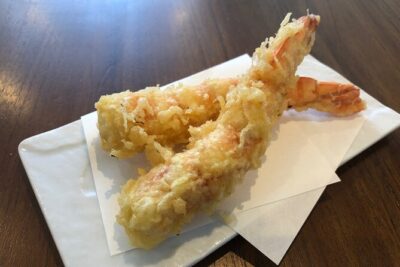 ★ 5.0Mondo’s most popular plan! Experience making soba noodles and the king of Japanese cuisine, tempura, in Sapporo!From $85
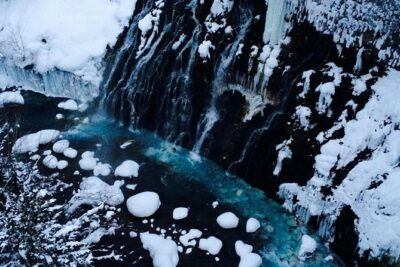 ★ 5.0【Private Car】Asahiyama Zoo, Blue Pond, Shirahige Falls, Ningle Terrace (from Sapporo)From $465
 ★ 4.0Hokkaido Noboribetsu Lake Toya Tour from SapporoFrom $66
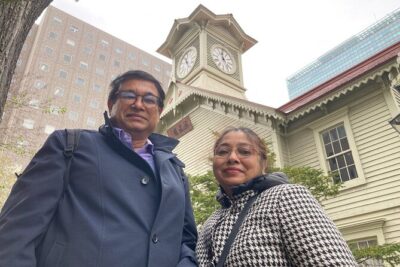 ★ 5.0Sapporo 6hr Private Tour with Government Licensed GuideFrom $155
 ★ 4.6From Sapporo: Hokkaido Highlights Day TripFrom $64
Browse the lists this tour appears in